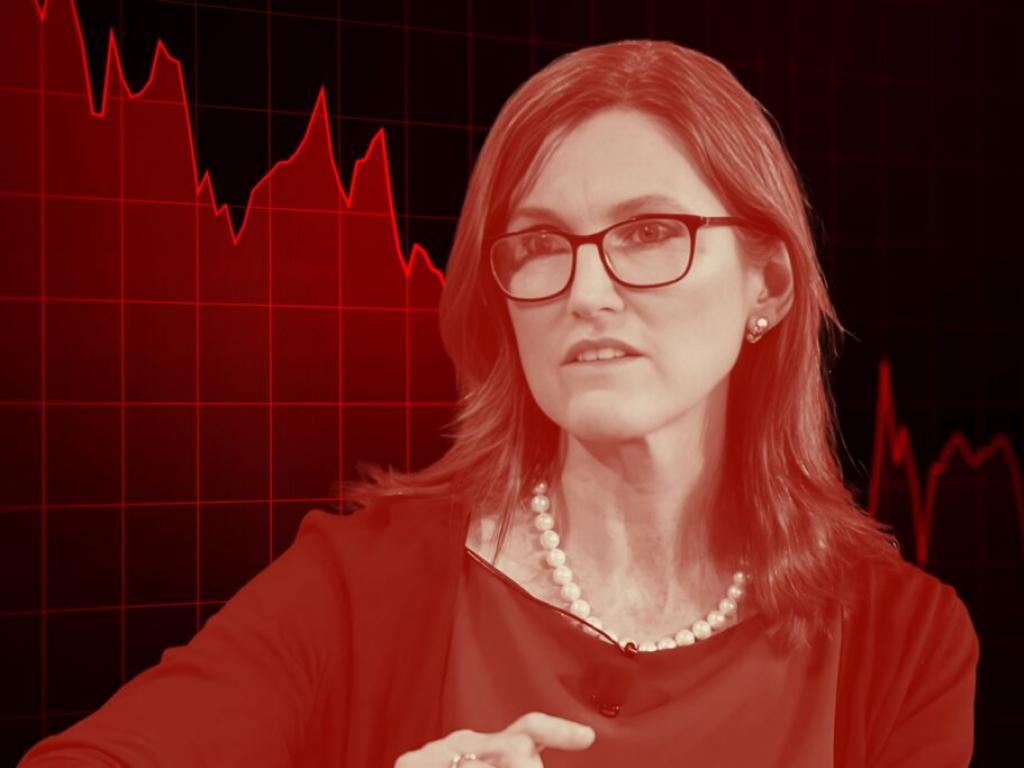
SpaceX Plans $75 Billion IPO with Retail Investor Allocation
Written by Emily J. Thompson, Senior Investment Analyst
Updated: Mar 31 2026
0mins

Source: NASDAQ.COM
- IPO Fundraising Scale: SpaceX is set to raise up to $75 billion in its upcoming IPO, potentially making it one of the largest IPOs in history, reflecting strong market confidence in its future growth prospects.
- Retail Investor Allocation: Approximately 30% of the IPO shares are expected to be allocated to retail investors, a relatively high percentage for a large IPO, aimed at enhancing retail investor participation and leveling the playing field.
- Platform Exclusion Controversy: While E*TRADE will lead the distribution of SpaceX shares, rumors suggest that Robinhood and SoFi may be excluded, which could lead to dissatisfaction among retail investors and impact their enthusiasm for investing in SpaceX.
- Musk's Response: Musk denied reports of excluding Robinhood and SoFi on social media, indicating that at least some shares will be allocated to these platforms, aiming to maintain a good relationship with retail investors and further solidify his brand image.
Trade with 70% Backtested Accuracy
Stop guessing "Should I Buy HOOD?" and start using high-conviction signals backed by rigorous historical data.
Sign up today to access powerful investing tools and make smarter, data-driven decisions.
Analyst Views on HOOD
Wall Street analysts forecast HOOD stock price to rise
20 Analyst Rating
16 Buy
4 Hold
0 Sell
Strong Buy
Current: 86.360

Low
130.00
Averages
156.24
High
181.00
Current: 86.360
Low
130.00
Averages
156.24
High
181.00
About HOOD
Robinhood Markets, Inc. is focused on providing financial services offering retail brokerage, crypto, advisory, digital banking services, and private markets access to investors. Its offerings include Brokerage, Robinhood Crypto, Custody, Robinhood Wallet, Robinhood Gold, and Robinhood Gold Card. Brokerage services include investing, options trading, fractional trading, recurring investment, access to investing on margin, fully paid securities lending, cash sweep, instant withdrawals, Robinhood retirement, 24-hour market, joint investing accounts, and event contracts. It also offers a variety of ways for its customers to grow their financial knowledge, including Robinhood Learn, In-App Education, Newsfeeds, Sherwood Snacks, and Crypto Learn and Earn. It also operates regulated crypto platforms including Bitbuy and Coinsquare. Its self-clearing system, order routing system, data platform, and other back-end infrastructure allow its customers to focus on investing, saving and spending.
About the author

Emily J. Thompson
Emily J. Thompson, a Chartered Financial Analyst (CFA) with 12 years in investment research, graduated with honors from the Wharton School. Specializing in industrial and technology stocks, she provides in-depth analysis for Intellectia’s earnings and market brief reports.
Robinhood Faces Challenges and Opportunities Amid Market Shifts

- Stock Decline: Robinhood's stock has dropped about 25% year-to-date in 2026, primarily due to a sharp decline in cryptocurrency revenue, reflecting concerns over its profitability and potentially impacting investor confidence.
- Insider Buying: Director Micky Malka purchased 23.6 million shares of Robinhood through his Ribbit Capital fund for approximately $35 million between late May and early June, indicating confidence in the company's future potential despite having sold shares at over $100 in August 2025.
- Crypto Revenue Drop: With Bitcoin and Ethereum prices down approximately 30% and 45% respectively, Robinhood's crypto revenue plunged 47% year-over-year to $134 million in Q1, while equity trading revenue surged 46% to $82 million, highlighting the company's vulnerability amid market shifts.
- New Growth Opportunities: Robinhood's revenue from the predictions market skyrocketed 320% to $147 million, and the company plans to lower its fee structure to attract more users, particularly ahead of the upcoming FIFA World Cup, which could serve as a significant growth driver.
See More

Warning Signals Surrounding SpaceX IPO

- Retail Investor Risks: In the SpaceX IPO, retail investors are allocated 30% of shares, significantly higher than the typical 10% in large IPOs, exposing them to greater risks amid anticipated volatility and price declines.
- Lowered Participation Thresholds: Fidelity Investments has reduced the account balance requirement for IPO participation from $500,000 to $2,000, while platforms like Robinhood require no minimum balance, potentially luring more retail investors but increasing their risk exposure.
- Historical Warning Signs: Data from the past 15 years shows that all 30 major tech IPOs experienced significant double-digit declines within 12 months, with an average drop of 55%, raising alarms for retail investors considering the SpaceX IPO.
- Market Peak Signals: Analysts warn that the frenzy surrounding the SpaceX IPO may indicate a market peak, and while some believe only 20% of mega-IPOs coincide with peaks, the current market sentiment and upcoming IPOs could exacerbate this risk.
See More

Financial Stocks Mostly Higher Pre-Bell Thursday


- Positive Financial Stock Performance: Financial stocks were mostly higher pre-bell on Thursday, indicating a rebound in market confidence towards the financial sector, likely driven by improving economic data.
- Market Sentiment Recovery: Increased investor interest in financial stocks reflects optimistic expectations for future economic recovery, which may lead to increased capital inflows into the financial sector.
- Selective Sector Gains: While the overall market performed well, certain financial stocks showed significant gains, suggesting that investors are being more selective and focusing on fundamental performance when choosing stocks.
- Indication of Future Trends: The rise in financial stocks may signal enhanced market confidence in economic recovery, prompting investors to continue monitoring the financial sector's performance in the coming weeks.
See More

SpaceX IPO Approaches with Unprecedented Market Hype


- Record-Breaking IPO: SpaceX is set to debut on Nasdaq on June 12, aiming to raise at least $75 billion with a valuation of $1.78 trillion, marking the largest IPO in history and drawing significant attention from retail investors, which could have a substantial impact on market liquidity.
- Diverse Business Units: SpaceX operates three main business units, including reusable rocket launches, Starlink satellite internet, and artificial intelligence, with the latter projected to grow revenue 100-fold by 2030, highlighting immense market potential, particularly within the $28.5 trillion total addressable market for AI.
- Retail Investor Participation: The IPO allocates 30% of shares to retail investors, significantly higher than the typical 5%-10%, enhancing retail engagement but potentially increasing stock volatility in the early trading days, necessitating cautious approaches from investors.
- Lockup Period Structure: SpaceX has implemented a staggered lockup policy allowing insiders to gradually sell shares post-IPO, which could affect market supply and demand dynamics, especially with 20% of shares eligible for sale immediately after earnings reports, adding uncertainty to the stock's performance.
See More

SpaceX IPO Oversubscribed by Two Times
- IPO Market Excitement: SpaceX's initial public offering (IPO) is expected to raise at least $75 billion with a valuation of $1.78 trillion, making it the largest IPO in history, reflecting strong market interest in the space economy.
- Retail Investor Participation: The IPO allocates up to 30% of shares to retail investors, significantly higher than the typical 5%-10%, which not only attracts a large number of small investors but may also lead to increased volatility in the stock during its initial trading period.
- Business Diversification: SpaceX's three business units include rocket launches, Starlink satellite internet, and artificial intelligence, with Starlink achieving an operating profit of $4.4 billion in 2025, showcasing its leading position in profitability.
- Future Growth Potential: Goldman Sachs projects SpaceX's revenue to grow from $18.7 billion in 2025 to $474 billion by 2030, particularly with the AI division expected to reach $322 billion in revenue by 2030, highlighting the company's immense potential in technological innovation and market expansion.
See More
Insider Buying Signals Opportunity for Robinhood Markets
- Insider Buying Signal: Director Micky Malka purchased 23.6 million shares of Robinhood through his Ribbit Capital fund for approximately $35 million in late May and early June, indicating confidence in the company's future despite a 25% year-to-date stock decline.
- Crypto Revenue Decline: Robinhood's cryptocurrency platform saw a 47% year-over-year drop in Q1 revenue to $134 million, primarily due to significant declines in Bitcoin and Ethereum prices, highlighting the impact on the company's profitability from crypto trading.
- Surge in Prediction Market: The company reported a 320% increase in revenue from its prediction market, reaching $147 million, demonstrating strong momentum in this new business area, particularly with a fee reduction ahead of the FIFA World Cup to attract more users.
- Trump Accounts Investment: Robinhood launched a dedicated app for
See More
Robinhood Faces Challenges and Opportunities Amid Market Shifts
- Stock Decline: Robinhood's stock has dropped about 25% year-to-date in 2026, primarily due to a sharp decline in cryptocurrency revenue, reflecting concerns over its profitability and potentially impacting investor confidence.
- Insider Buying: Director Micky Malka purchased 23.6 million shares of Robinhood through his Ribbit Capital fund for approximately $35 million between late May and early June, indicating confidence in the company's future potential despite having sold shares at over $100 in August 2025.
- Crypto Revenue Drop: With Bitcoin and Ethereum prices down approximately 30% and 45% respectively, Robinhood's crypto revenue plunged 47% year-over-year to $134 million in Q1, while equity trading revenue surged 46% to $82 million, highlighting the company's vulnerability amid market shifts.
- New Growth Opportunities: Robinhood's revenue from the predictions market skyrocketed 320% to $147 million, and the company plans to lower its fee structure to attract more users, particularly ahead of the upcoming FIFA World Cup, which could serve as a significant growth driver.
See More
Warning Signals Surrounding SpaceX IPO
- Retail Investor Risks: In the SpaceX IPO, retail investors are allocated 30% of shares, significantly higher than the typical 10% in large IPOs, exposing them to greater risks amid anticipated volatility and price declines.
- Lowered Participation Thresholds: Fidelity Investments has reduced the account balance requirement for IPO participation from $500,000 to $2,000, while platforms like Robinhood require no minimum balance, potentially luring more retail investors but increasing their risk exposure.
- Historical Warning Signs: Data from the past 15 years shows that all 30 major tech IPOs experienced significant double-digit declines within 12 months, with an average drop of 55%, raising alarms for retail investors considering the SpaceX IPO.
- Market Peak Signals: Analysts warn that the frenzy surrounding the SpaceX IPO may indicate a market peak, and while some believe only 20% of mega-IPOs coincide with peaks, the current market sentiment and upcoming IPOs could exacerbate this risk.
See More
Financial Stocks Mostly Higher Pre-Bell Thursday
- Positive Financial Stock Performance: Financial stocks were mostly higher pre-bell on Thursday, indicating a rebound in market confidence towards the financial sector, likely driven by improving economic data.
- Market Sentiment Recovery: Increased investor interest in financial stocks reflects optimistic expectations for future economic recovery, which may lead to increased capital inflows into the financial sector.
- Selective Sector Gains: While the overall market performed well, certain financial stocks showed significant gains, suggesting that investors are being more selective and focusing on fundamental performance when choosing stocks.
- Indication of Future Trends: The rise in financial stocks may signal enhanced market confidence in economic recovery, prompting investors to continue monitoring the financial sector's performance in the coming weeks.
See More
SpaceX IPO Approaches with Unprecedented Market Hype
- Record-Breaking IPO: SpaceX is set to debut on Nasdaq on June 12, aiming to raise at least $75 billion with a valuation of $1.78 trillion, marking the largest IPO in history and drawing significant attention from retail investors, which could have a substantial impact on market liquidity.
- Diverse Business Units: SpaceX operates three main business units, including reusable rocket launches, Starlink satellite internet, and artificial intelligence, with the latter projected to grow revenue 100-fold by 2030, highlighting immense market potential, particularly within the $28.5 trillion total addressable market for AI.
- Retail Investor Participation: The IPO allocates 30% of shares to retail investors, significantly higher than the typical 5%-10%, enhancing retail engagement but potentially increasing stock volatility in the early trading days, necessitating cautious approaches from investors.
- Lockup Period Structure: SpaceX has implemented a staggered lockup policy allowing insiders to gradually sell shares post-IPO, which could affect market supply and demand dynamics, especially with 20% of shares eligible for sale immediately after earnings reports, adding uncertainty to the stock's performance.
See More
SpaceX IPO Oversubscribed by Two Times
- IPO Market Excitement: SpaceX's initial public offering (IPO) is expected to raise at least $75 billion with a valuation of $1.78 trillion, making it the largest IPO in history, reflecting strong market interest in the space economy.
- Retail Investor Participation: The IPO allocates up to 30% of shares to retail investors, significantly higher than the typical 5%-10%, which not only attracts a large number of small investors but may also lead to increased volatility in the stock during its initial trading period.
- Business Diversification: SpaceX's three business units include rocket launches, Starlink satellite internet, and artificial intelligence, with Starlink achieving an operating profit of $4.4 billion in 2025, showcasing its leading position in profitability.
- Future Growth Potential: Goldman Sachs projects SpaceX's revenue to grow from $18.7 billion in 2025 to $474 billion by 2030, particularly with the AI division expected to reach $322 billion in revenue by 2030, highlighting the company's immense potential in technological innovation and market expansion.
See More
Insider Buying Signals Opportunity for Robinhood Markets
- Insider Buying Signal: Director Micky Malka purchased 23.6 million shares of Robinhood through his Ribbit Capital fund for approximately $35 million in late May and early June, indicating confidence in the company's future despite a 25% year-to-date stock decline.
- Crypto Revenue Decline: Robinhood's cryptocurrency platform saw a 47% year-over-year drop in Q1 revenue to $134 million, primarily due to significant declines in Bitcoin and Ethereum prices, highlighting the impact on the company's profitability from crypto trading.
- Surge in Prediction Market: The company reported a 320% increase in revenue from its prediction market, reaching $147 million, demonstrating strong momentum in this new business area, particularly with a fee reduction ahead of the FIFA World Cup to attract more users.
- Trump Accounts Investment: Robinhood launched a dedicated app for
See More