Sony Raises PlayStation Plus Subscription Prices Amid Market Pressures
Written by Emily J. Thompson, Senior Investment Analyst
Updated: May 19 2026
0mins
Source: seekingalpha
- Subscription Fee Increase: Sony has announced a 10% to 12% increase in PlayStation Plus subscription prices, raising the one-month fee from $9.99 to $10.99 and the three-month fee from $24.99 to $27.99, reflecting the company's pricing strategy under ongoing market pressures.
- Hardware Price Adjustments: Prior to this, Sony raised the price of the PlayStation 5 by $100 and the PlayStation 5 Pro by $150 on April 2, indicating the company's considerations of cost pressures and profitability in the global economic landscape.
- Market Environment Impact: Sony attributes the subscription fee hike to “ongoing market conditions,” including RAM shortages, increased tariffs, and rising data storage costs, highlighting the company's response to complex supply chain challenges.
- Future Outlook: While annual subscription prices remain unchanged for now, Sony's pricing strategy may affect user renewal rates and market competitiveness, especially in the increasingly competitive gaming industry.
Trade with 70% Backtested Accuracy
Stop guessing "Should I Buy SONY?" and start using high-conviction signals backed by rigorous historical data.
Sign up today to access powerful investing tools and make smarter, data-driven decisions.
Analyst Views on SONY
Wall Street analysts forecast SONY stock price to rise
1 Analyst Rating
1 Buy
0 Hold
0 Sell
Moderate Buy
Current: 20.240

Low
34.00
Averages
34.00
High
34.00
Current: 20.240
Low
34.00
Averages
34.00
High
34.00
About SONY
Sony Group Corp is a Japan-based company engaged in the games & network services (G&NS), music, movies, entertainment technology & services (ET&S), imaging & sensing solutions (I&SS) and other businesses. It has seven business segments. G&NS segment is involved in network service business, the manufacture and sale of home video game consoles and software. The Music segment mainly includes music production, music publishing and video media platform businesses. The Movies segment mainly includes film production, television program production and media network businesses. The ET&S field mainly includes the television business, audio, video business, still image, video camera business, smartphone business and Internet-related service business. The I&SS segment mainly includes the image sensor business. The Financial segment is involved in the insurance business and banking business. The Other segment consists of activities such as disc manufacturing business and recording media business.
About the author

Emily J. Thompson
Emily J. Thompson, a Chartered Financial Analyst (CFA) with 12 years in investment research, graduated with honors from the Wharton School. Specializing in industrial and technology stocks, she provides in-depth analysis for Intellectia’s earnings and market brief reports.
Apple to Raise Prices Due to Memory Shortage


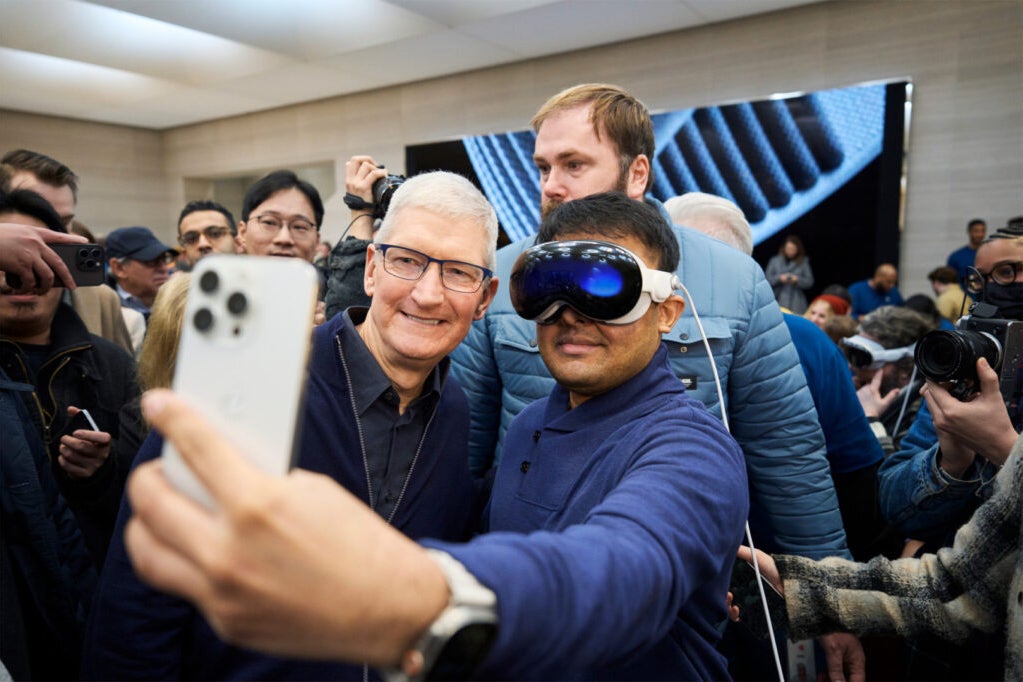
- Memory Shortage Impact: Apple CEO Tim Cook stated that price increases are 'unavoidable' due to global memory shortages, indicating that even market leaders cannot escape cost pressures, which may affect consumer purchasing decisions.
- Price Increase Expectations: Analysts predict that Apple may raise the prices of the iPhone Pro and Pro Max by $100 each, while lower-end devices might remain unchanged, potentially altering the competitive landscape in the high-end market.
- Market Share Opportunity: As Android manufacturers cut specs or raise prices due to rising memory costs, Apple could capitalize on this by attracting budget-conscious consumers, thereby expanding its market share, especially with smartphone prices expected to rise by 20% this year.
- Supply Chain Response Strategy: Cook mentioned that Apple might leverage its cash reserves to increase memory supply, demonstrating the company's adaptability in facing supply chain challenges, aiming to ensure the ongoing competitiveness of its products.
See More

Semiconductor Supply Shortage Persists Amid AI Boom

- Strong Market Demand: According to McKinsey, the global semiconductor market is projected to reach $1.6 trillion by 2030, up from $775 billion in 2024, indicating that the robust demand driven by AI technology will persist, further solidifying TSMC's leadership in the industry.
- Capacity Expansion Plans: TSMC plans to invest $265 billion in building 10 semiconductor fabrication plants in the U.S.; although it will take time to bring these new fabs online, this initiative will significantly enhance its capacity to meet the growing customer demand, particularly in the AI sector.
- Industry Leadership: TSMC commands an impressive 73% share of the global pure-play foundry market, having produced over 12,000 products for 534 customers last year, underscoring its critical role in the global semiconductor supply chain and serving as a barometer for industry health.
- Investment Opportunities: With the advent of the AI supercycle, many semiconductor stocks are currently attractively valued, providing investors with opportunities to invest in this context and potentially achieve substantial returns in the coming years.
See More

TSMC's Outlook on the AI Supercycle
- Market Share Dominance: TSMC commands a 73% share of the global pure-play foundry market, having produced over 12,000 products for 534 customers last year, underscoring its critical role in the semiconductor industry and reinforcing its status as a barometer for sector health.
- Supply Shortage Outlook: CEO C.C. Wei indicated that global semiconductor supply will remain insufficient to meet demand for several years, despite the company bringing new fabs online, reflecting the robust demand driven by the rapid adoption of AI technologies.
- Massive Investment Plans: TSMC is set to invest $265 billion in building 10 semiconductor fabrication plants in the U.S.; although these fabs will take time to come online, this investment lays a strong foundation for future growth amid surging AI infrastructure needs.
- Industry Growth Prospects: McKinsey projects the global semiconductor market could reach $1.6 trillion by 2030, and with TSMC positioned to benefit from the AI supercycle, the company is expected to achieve sustained strong growth, making it a focal point for investors.
See More

Gen Z Fuels Box Office Comeback


- Increased Viewing Frequency: Data from Fandango indicates that in 2025, Gen Z averaged seven movie viewings, matching millennials, while Generation X and baby boomers averaged only six, highlighting Gen Z's growing significance in box office dynamics.
- Expanding Market Share: Gen Z accounted for nearly 40% of moviegoers in North America, with AMC's marketing VP Carrie Trotter noting that not only is their number increasing, but their viewing frequency is also rising year over year, potentially making them the most crucial audience in the future.
- Popularity of Loyalty Programs: Participation in movie loyalty programs among Gen Z has tripled since the pandemic, with AMC's A-List attracting a significant number of young viewers, indicating their willingness to spend more for social activities and movie experiences.
- Social Experience Priority: Gen Z prioritizes social experiences when choosing films, with Trotter stating that they prefer to enjoy movies with friends and family, suggesting that this social aspect drives box office growth beyond mere film content.
See More
IMAX Explores Sale, Sparks Market Buzz

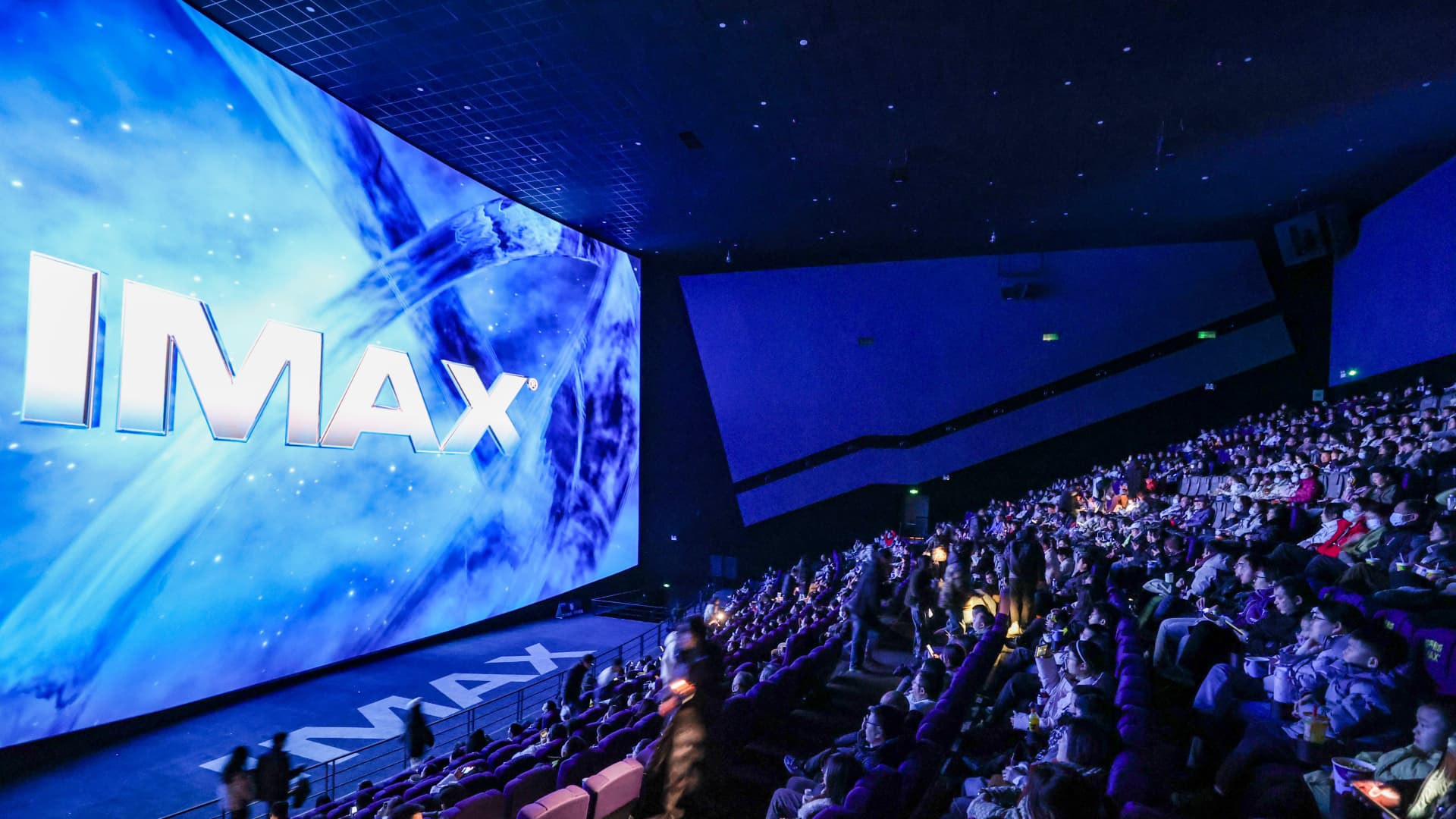
- Stock Surge: IMAX shares rose approximately 14% on sale speculation, reaching nearly $39 per share with a market cap of about $2.1 billion, indicating strong market interest in potential buyers from Hollywood studios and tech companies.
- Potential Buyers: Analysts suggest that potential acquirers of IMAX include Netflix, Apple, and Sony, all of which possess strong technological and content capabilities, and acquiring IMAX could enhance their competitive edge in the premium cinema market.
- Financial Performance: IMAX generated a record $1.28 billion at the global box office last year, a more than 40% increase, with projected revenue of $448 million in 2026, showcasing robust business growth potential despite its valuation not returning to pre-pandemic levels.
- Market Expansion: IMAX plans to install 160 to 175 new systems by 2026 and is partnering with countries like China, Japan, and South Korea to screen local language content, further reducing dependence on any single market and enhancing its competitive position globally.
See More

IMAX Shares Surge on Speculation of Potential Sale

- Stock Surge: IMAX shares rose approximately 14% on Friday, reaching nearly $39 per share with a market capitalization of around $2.1 billion, reflecting positive market sentiment regarding the company's potential sale and investor interest in IMAX as a strategic acquisition target.
- Preliminary Talks: Sources indicate that IMAX has engaged in 'preliminary talks' through intermediaries, although no formal acquisition proposals have been made, suggesting the company is exploring strategic options while remaining open to future opportunities.
- Attractiveness Analysis: Wall Street analysts broadly view IMAX as an attractive asset, with Wedbush analysts noting that IMAX's globally recognized brand and asset-light licensing model are currently undervalued, potentially drawing interest from buyers including Netflix, Apple, and Sony.
- Future Outlook: IMAX anticipates installing 160 to 175 new systems by 2026 and plans to expand screenings of local language content globally, further reducing dependence on any single market, thereby laying the groundwork for future box office growth and margin expansion.
See More
Apple to Raise Prices Due to Memory Shortage
- Memory Shortage Impact: Apple CEO Tim Cook stated that price increases are 'unavoidable' due to global memory shortages, indicating that even market leaders cannot escape cost pressures, which may affect consumer purchasing decisions.
- Price Increase Expectations: Analysts predict that Apple may raise the prices of the iPhone Pro and Pro Max by $100 each, while lower-end devices might remain unchanged, potentially altering the competitive landscape in the high-end market.
- Market Share Opportunity: As Android manufacturers cut specs or raise prices due to rising memory costs, Apple could capitalize on this by attracting budget-conscious consumers, thereby expanding its market share, especially with smartphone prices expected to rise by 20% this year.
- Supply Chain Response Strategy: Cook mentioned that Apple might leverage its cash reserves to increase memory supply, demonstrating the company's adaptability in facing supply chain challenges, aiming to ensure the ongoing competitiveness of its products.
See More
Semiconductor Supply Shortage Persists Amid AI Boom
- Strong Market Demand: According to McKinsey, the global semiconductor market is projected to reach $1.6 trillion by 2030, up from $775 billion in 2024, indicating that the robust demand driven by AI technology will persist, further solidifying TSMC's leadership in the industry.
- Capacity Expansion Plans: TSMC plans to invest $265 billion in building 10 semiconductor fabrication plants in the U.S.; although it will take time to bring these new fabs online, this initiative will significantly enhance its capacity to meet the growing customer demand, particularly in the AI sector.
- Industry Leadership: TSMC commands an impressive 73% share of the global pure-play foundry market, having produced over 12,000 products for 534 customers last year, underscoring its critical role in the global semiconductor supply chain and serving as a barometer for industry health.
- Investment Opportunities: With the advent of the AI supercycle, many semiconductor stocks are currently attractively valued, providing investors with opportunities to invest in this context and potentially achieve substantial returns in the coming years.
See More
TSMC's Outlook on the AI Supercycle
- Market Share Dominance: TSMC commands a 73% share of the global pure-play foundry market, having produced over 12,000 products for 534 customers last year, underscoring its critical role in the semiconductor industry and reinforcing its status as a barometer for sector health.
- Supply Shortage Outlook: CEO C.C. Wei indicated that global semiconductor supply will remain insufficient to meet demand for several years, despite the company bringing new fabs online, reflecting the robust demand driven by the rapid adoption of AI technologies.
- Massive Investment Plans: TSMC is set to invest $265 billion in building 10 semiconductor fabrication plants in the U.S.; although these fabs will take time to come online, this investment lays a strong foundation for future growth amid surging AI infrastructure needs.
- Industry Growth Prospects: McKinsey projects the global semiconductor market could reach $1.6 trillion by 2030, and with TSMC positioned to benefit from the AI supercycle, the company is expected to achieve sustained strong growth, making it a focal point for investors.
See More
Gen Z Fuels Box Office Comeback
- Increased Viewing Frequency: Data from Fandango indicates that in 2025, Gen Z averaged seven movie viewings, matching millennials, while Generation X and baby boomers averaged only six, highlighting Gen Z's growing significance in box office dynamics.
- Expanding Market Share: Gen Z accounted for nearly 40% of moviegoers in North America, with AMC's marketing VP Carrie Trotter noting that not only is their number increasing, but their viewing frequency is also rising year over year, potentially making them the most crucial audience in the future.
- Popularity of Loyalty Programs: Participation in movie loyalty programs among Gen Z has tripled since the pandemic, with AMC's A-List attracting a significant number of young viewers, indicating their willingness to spend more for social activities and movie experiences.
- Social Experience Priority: Gen Z prioritizes social experiences when choosing films, with Trotter stating that they prefer to enjoy movies with friends and family, suggesting that this social aspect drives box office growth beyond mere film content.
See More
IMAX Explores Sale, Sparks Market Buzz
- Stock Surge: IMAX shares rose approximately 14% on sale speculation, reaching nearly $39 per share with a market cap of about $2.1 billion, indicating strong market interest in potential buyers from Hollywood studios and tech companies.
- Potential Buyers: Analysts suggest that potential acquirers of IMAX include Netflix, Apple, and Sony, all of which possess strong technological and content capabilities, and acquiring IMAX could enhance their competitive edge in the premium cinema market.
- Financial Performance: IMAX generated a record $1.28 billion at the global box office last year, a more than 40% increase, with projected revenue of $448 million in 2026, showcasing robust business growth potential despite its valuation not returning to pre-pandemic levels.
- Market Expansion: IMAX plans to install 160 to 175 new systems by 2026 and is partnering with countries like China, Japan, and South Korea to screen local language content, further reducing dependence on any single market and enhancing its competitive position globally.
See More
IMAX Shares Surge on Speculation of Potential Sale
- Stock Surge: IMAX shares rose approximately 14% on Friday, reaching nearly $39 per share with a market capitalization of around $2.1 billion, reflecting positive market sentiment regarding the company's potential sale and investor interest in IMAX as a strategic acquisition target.
- Preliminary Talks: Sources indicate that IMAX has engaged in 'preliminary talks' through intermediaries, although no formal acquisition proposals have been made, suggesting the company is exploring strategic options while remaining open to future opportunities.
- Attractiveness Analysis: Wall Street analysts broadly view IMAX as an attractive asset, with Wedbush analysts noting that IMAX's globally recognized brand and asset-light licensing model are currently undervalued, potentially drawing interest from buyers including Netflix, Apple, and Sony.
- Future Outlook: IMAX anticipates installing 160 to 175 new systems by 2026 and plans to expand screenings of local language content globally, further reducing dependence on any single market, thereby laying the groundwork for future box office growth and margin expansion.
See More