SKYX Partners with Nvidia to Enhance Smart Home Platform
- Strategic Partnership: SKYX Platforms Corp. announced its entry into Nvidia's Connect Program, gaining access to cloud tools and AI software frameworks, with plans to embed these resources into its ceiling automation platform, enhancing product competitiveness and accelerating the innovation cycle.
- Technology Integration: SKYX's ceiling-mounted hub will integrate safety sensors, lighting controls, and audio systems, leveraging Nvidia's ecosystem to enable advanced speech recognition and real-time analytics, transforming smart homes into intelligent control centers.
- Security Framework: Utilizing Nvidia's GPU and DPU infrastructure, SKYX will enable encrypted processing of anonymized device data, launching next-generation safety monitoring and predictive alert features, which are expected to drive recurring revenue through subscriptions and analytics services.
- Market Outlook: As global demand for safety and efficiency rises, AI-driven home automation is attracting investor attention, with SKYX planning to deploy its Nvidia-powered platform across U.S. and international projects, further expanding its market share.
Trade with 70% Backtested Accuracy
Analyst Views on NVDA

About NVDA
About the author


Nvidia Reports Blowout Earnings but Stock Falls

- Impressive Earnings: Nvidia's fiscal 2026 fourth-quarter revenue surged 73% year-over-year, exceeding Wall Street expectations and demonstrating robust market demand, although the stock fell post-report, reflecting concerns over excessive AI infrastructure spending.
- Intensifying Competition: With competitors like Amazon and Alphabet launching more cost-effective AI chips, Nvidia faces increasing competition, particularly as Amazon's Tranium2 chips are fully subscribed at 1.4 million units, indicating market interest in alternatives.
- Market Concerns: Investors are worried about Nvidia's main clients overspending on AI infrastructure, which could lead to slowing sales and impact the company's long-term growth potential, despite strong performance in the short term.
- Strategic Positioning: Nvidia is launching processors based on its new Vera Rubin architecture, further solidifying its market dominance by vertically integrating its product ecosystem and establishing high barriers to entry against rival challenges.
Nvidia to Unveil AI Strategy at GTC 2026 Conference
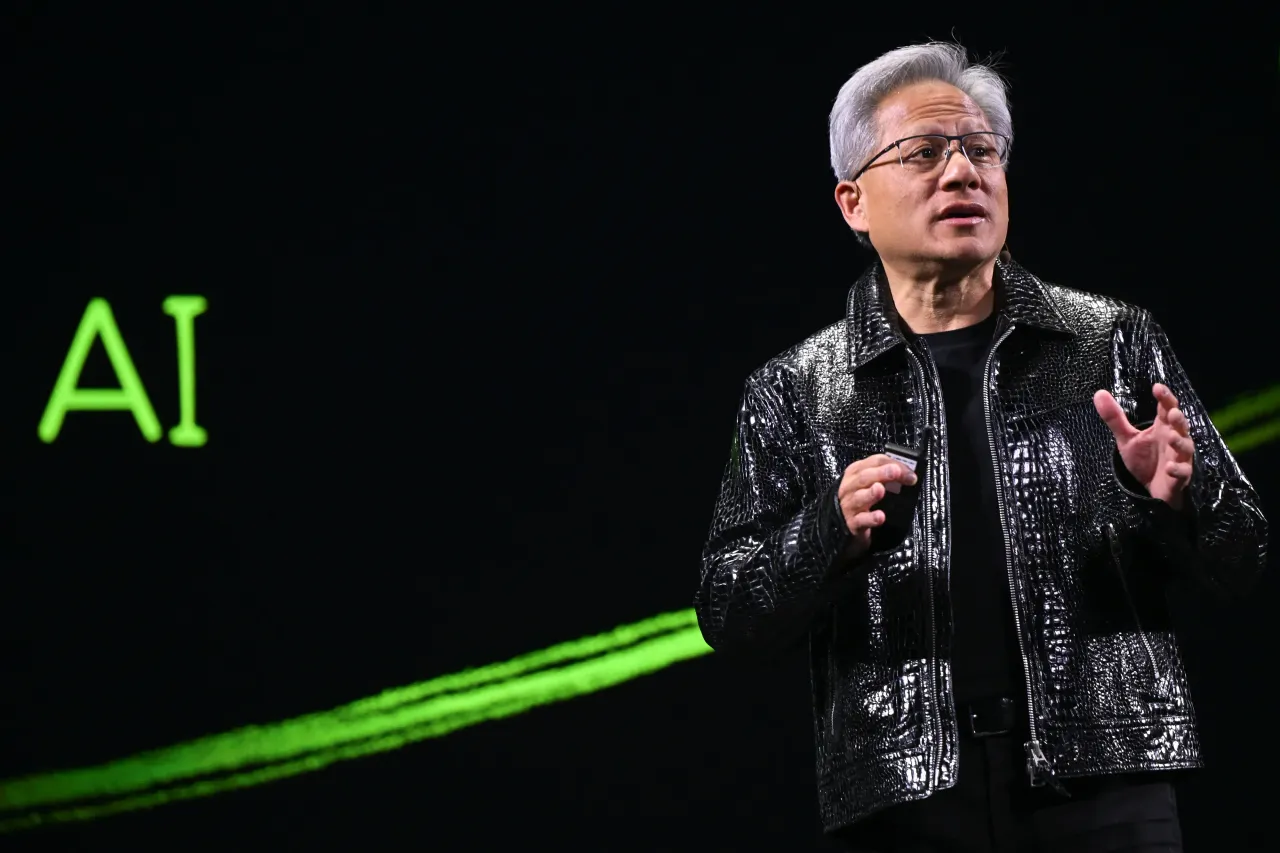
- AI Strategy Overview: At the GTC 2026 conference from March 16-19, Nvidia will outline its strategy across five layers of AI, including energy, chips, infrastructure, models, and applications, demonstrating its comprehensive approach to the AI ecosystem and aiming to enhance its competitive edge in the market.
- Rising Global Demand: ByteDance is reportedly planning to deploy around 500 Nvidia Blackwell AI systems in Malaysia, utilizing approximately 36,000 B200 chips, reflecting the robust global demand for Nvidia hardware and further solidifying its leadership position in the AI infrastructure market.
- Market Expectations: Wall Street anticipates that the conference will provide forecasts on supply-demand dynamics, market growth opportunities, and semiconductor trends, with Nvidia expected to showcase its latest advancements in the rapid adoption of AI applications, boosting investor confidence.
- Stock Market Reaction: Despite a 0.4% drop in Nvidia's stock during premarket trading on Friday, the stock has surged 58% over the past year, indicating market recognition of its long-term growth potential, although short-term market volatility remains a concern.

NSCALE PLANS TO ACQUIRE AMERICAN INTELLIGENCE & POWER, OWNER OF THE SITE AND RELATED PERMITS AND POWER AGREEMENTS - THE INFORMATION
Acquisition Announcement: Nscale is set to acquire American Intelligence and Power, which owns the site along with associated permits and power agreements.
Strategic Implications: This acquisition may enhance Nscale's capabilities in intelligence and power management, potentially impacting their market position.
NSCALE MAY IPO THIS FALL - THE INFORMATION
Public Offering Announcement: The company is considering going public this fall, indicating a significant shift in its business strategy.
Market Implications: This move could have substantial implications for investors and the market, potentially increasing interest in the company's future prospects.
NVIDIA Cloud Partner Nscale Negotiating Purchase of Significant U.S. Data Center Location Before IPO - The Information
NVIDIA Cloud Talks: NVIDIA is in discussions to acquire a significant U.S. data center site, indicating its expansion in cloud services.
Strategic Move: The potential acquisition aligns with NVIDIA's strategy to enhance its infrastructure and capabilities in the growing cloud computing market.

Nvidia Forecasts Massive Growth Through 2030
- Significant Price Potential: Analysts project Nvidia's current stock price at approximately $178, with a target price of $265, indicating a nearly 50% upside if achieved, reflecting strong market confidence in its future growth.
- Surge in Data Center Spending: Management forecasts global capital expenditures on data centers to reach between $3 trillion and $4 trillion by 2030, indicating sustained demand for Nvidia's products and further solidifying its market leadership.
- Robust AI Demand: Despite its large size, Nvidia continues to demonstrate substantial growth potential, particularly in the AI computing hardware sector, with expectations of benefiting from high spending by hyperscalers in the coming years.
- Attractive Valuation: Currently trading at a forward P/E ratio of 21.6, slightly below the S&P 500's 21.7, this suggests market shortsightedness regarding Nvidia's future performance, prompting investors to consider adding to or initiating positions.
Nvidia Reports Blowout Earnings but Stock Falls
- Impressive Earnings: Nvidia's fiscal 2026 fourth-quarter revenue surged 73% year-over-year, exceeding Wall Street expectations and demonstrating robust market demand, although the stock fell post-report, reflecting concerns over excessive AI infrastructure spending.
- Intensifying Competition: With competitors like Amazon and Alphabet launching more cost-effective AI chips, Nvidia faces increasing competition, particularly as Amazon's Tranium2 chips are fully subscribed at 1.4 million units, indicating market interest in alternatives.
- Market Concerns: Investors are worried about Nvidia's main clients overspending on AI infrastructure, which could lead to slowing sales and impact the company's long-term growth potential, despite strong performance in the short term.
- Strategic Positioning: Nvidia is launching processors based on its new Vera Rubin architecture, further solidifying its market dominance by vertically integrating its product ecosystem and establishing high barriers to entry against rival challenges.
Nvidia to Unveil AI Strategy at GTC 2026 Conference
- AI Strategy Overview: At the GTC 2026 conference from March 16-19, Nvidia will outline its strategy across five layers of AI, including energy, chips, infrastructure, models, and applications, demonstrating its comprehensive approach to the AI ecosystem and aiming to enhance its competitive edge in the market.
- Rising Global Demand: ByteDance is reportedly planning to deploy around 500 Nvidia Blackwell AI systems in Malaysia, utilizing approximately 36,000 B200 chips, reflecting the robust global demand for Nvidia hardware and further solidifying its leadership position in the AI infrastructure market.
- Market Expectations: Wall Street anticipates that the conference will provide forecasts on supply-demand dynamics, market growth opportunities, and semiconductor trends, with Nvidia expected to showcase its latest advancements in the rapid adoption of AI applications, boosting investor confidence.
- Stock Market Reaction: Despite a 0.4% drop in Nvidia's stock during premarket trading on Friday, the stock has surged 58% over the past year, indicating market recognition of its long-term growth potential, although short-term market volatility remains a concern.
NSCALE PLANS TO ACQUIRE AMERICAN INTELLIGENCE & POWER, OWNER OF THE SITE AND RELATED PERMITS AND POWER AGREEMENTS - THE INFORMATION
Acquisition Announcement: Nscale is set to acquire American Intelligence and Power, which owns the site along with associated permits and power agreements.
Strategic Implications: This acquisition may enhance Nscale's capabilities in intelligence and power management, potentially impacting their market position.
NSCALE MAY IPO THIS FALL - THE INFORMATION
Public Offering Announcement: The company is considering going public this fall, indicating a significant shift in its business strategy.
Market Implications: This move could have substantial implications for investors and the market, potentially increasing interest in the company's future prospects.
NVIDIA Cloud Partner Nscale Negotiating Purchase of Significant U.S. Data Center Location Before IPO - The Information
NVIDIA Cloud Talks: NVIDIA is in discussions to acquire a significant U.S. data center site, indicating its expansion in cloud services.
Strategic Move: The potential acquisition aligns with NVIDIA's strategy to enhance its infrastructure and capabilities in the growing cloud computing market.
Nvidia Forecasts Massive Growth Through 2030
- Significant Price Potential: Analysts project Nvidia's current stock price at approximately $178, with a target price of $265, indicating a nearly 50% upside if achieved, reflecting strong market confidence in its future growth.
- Surge in Data Center Spending: Management forecasts global capital expenditures on data centers to reach between $3 trillion and $4 trillion by 2030, indicating sustained demand for Nvidia's products and further solidifying its market leadership.
- Robust AI Demand: Despite its large size, Nvidia continues to demonstrate substantial growth potential, particularly in the AI computing hardware sector, with expectations of benefiting from high spending by hyperscalers in the coming years.
- Attractive Valuation: Currently trading at a forward P/E ratio of 21.6, slightly below the S&P 500's 21.7, this suggests market shortsightedness regarding Nvidia's future performance, prompting investors to consider adding to or initiating positions.