SK Hynix Approaches $1 Trillion Market Value
Written by Emily J. Thompson, Senior Investment Analyst
Updated: 48 minutes ago
0mins
Should l Buy TSM?
Source: Yahoo Finance
- Market Value Milestone: SK Hynix is on the verge of surpassing a $1 trillion market value, becoming South Korea's second company to reach this milestone, highlighting the strong demand driven by artificial intelligence and solidifying South Korea's central role in Asia's AI sector.
- Stock Surge: The company's shares have surged over 200% this year, with an astonishing 274% increase in 2025, primarily fueled by soaring demand for both conventional memory chips and high-bandwidth memory (HBM) chips used in AI servers, reflecting strong market interest in AI-related stocks.
- KOSPI Index Performance: South Korea's benchmark KOSPI index has climbed over 86% this year, marking its best annual performance since 1999, as significant foreign investment has flowed into chipmakers, further propelling the overall market upward.
- Global Supply Chain Importance: The record earnings of the three major chipmakers underscore their critical role in the global AI supply chain, with SK Hynix's market cap now nearing that of retail giant Walmart and investment firm Berkshire Hathaway, indicating a significant elevation in its market position.
Trade with 70% Backtested Accuracy
Stop guessing "Should I Buy TSM?" and start using high-conviction signals backed by rigorous historical data.
Sign up today to access powerful investing tools and make smarter, data-driven decisions.
Analyst Views on TSM
Wall Street analysts forecast TSM stock price to fall
8 Analyst Rating
7 Buy
1 Hold
0 Sell
Strong Buy
Current: 397.280

Low
63.24
Averages
313.46
High
390.00
Current: 397.280
Low
63.24
Averages
313.46
High
390.00
About TSM
Taiwan Semiconductor Manufacturing Co Ltd is a Taiwan-based integrated circuit foundry service provider. The Company is primarily engaged in integrated circuit manufacturing services. It offers advanced process technologies, specialised process solutions, advanced photomask and silicon stacking, and packaging-related technologies, while supporting a comprehensive design ecosystem. The Company's products serve diverse electronic sectors including artificial intelligence, high-performance computing, wired and wireless communications, automotive and industrial equipment, personal computing, information applications, consumer electronics, smart internet of things, and wearable devices.
About the author

Emily J. Thompson
Emily J. Thompson, a Chartered Financial Analyst (CFA) with 12 years in investment research, graduated with honors from the Wharton School. Specializing in industrial and technology stocks, she provides in-depth analysis for Intellectia’s earnings and market brief reports.
SK Hynix Approaches $1 Trillion Market Value

- Market Value Milestone: SK Hynix is on the verge of surpassing a $1 trillion market value, becoming South Korea's second company to reach this milestone, highlighting the strong demand driven by artificial intelligence and solidifying South Korea's central role in Asia's AI sector.
- Stock Surge: The company's shares have surged over 200% this year, with an astonishing 274% increase in 2025, primarily fueled by soaring demand for both conventional memory chips and high-bandwidth memory (HBM) chips used in AI servers, reflecting strong market interest in AI-related stocks.
- KOSPI Index Performance: South Korea's benchmark KOSPI index has climbed over 86% this year, marking its best annual performance since 1999, as significant foreign investment has flowed into chipmakers, further propelling the overall market upward.
- Global Supply Chain Importance: The record earnings of the three major chipmakers underscore their critical role in the global AI supply chain, with SK Hynix's market cap now nearing that of retail giant Walmart and investment firm Berkshire Hathaway, indicating a significant elevation in its market position.
See More

Trump's Visit to China Sparks Market Attention


- High-Level Meeting Context: President Trump arrived in Beijing on May 13, 2026, accompanied by top executives including Tesla's Elon Musk and Nvidia's Jensen Huang, aiming to engage in crucial discussions with President Xi Jinping on trade, technology, and regional security issues.
- Market Reaction: Asian markets showed mixed performance ahead of Trump's visit, while U.S. futures remained relatively unchanged; notably, the S&P 500 reached an all-time high on Wall Street, reflecting traders' enthusiasm for technology stocks despite pressures from the latest inflation report.
- Inflation Data Impact: U.S. wholesale inflation surged to 6% year-over-year in April, marking the highest increase since 2022, which intensifies pressure on Federal Reserve policy and complicates the economic backdrop for Trump's high-level diplomacy.
- Global Oil Flow Constraints: The closure of the Strait of Hormuz due to the Iran war has severely impacted global oil flows, with OPEC reporting a 30% reduction in supply since the conflict began, posing significant risks to demand growth this year.
See More

Accelerating Investments in AI Infrastructure

- Nvidia's Market Dominance: Nvidia's stronghold in the data center AI chip market has led to a 94% year-over-year increase in net income to $43 billion in its latest quarter, reflecting robust profitability and demand in the AI hardware sector.
- TSMC's Manufacturing Edge: As the world's leading chip manufacturer, TSMC anticipates long-term demand for AI accelerators to grow at a compound annual rate in the mid-to-high 50% range, underscoring its critical role and future growth potential in the AI ecosystem.
- Amazon's Cloud Service Expansion: Amazon's AWS, the largest cloud infrastructure provider globally, has seen demand exceed its cloud capacity, resulting in a backlog of $364 billion as of March 31, highlighting its strong market position in the AI space.
- Infrastructure Investment Plans: Amazon plans to invest $200 billion this year in building data centers and enhancing AI infrastructure, which is expected to significantly boost its return on AI investments and further solidify its market leadership.
See More

Micron Technology Stock Surges 116% in Six Weeks

- Stock Surge: Micron Technology's stock has skyrocketed 116% since hitting a three-month low on April 1, reflecting strong market confidence in its future growth, leaving investors to decide whether to hold or add to their positions.
- Surging Memory Demand: With memory chips being crucial for AI data centers, demand has reached an all-time high, and Micron anticipates meeting only 50% to 66% of market demand in the medium term, leading to sustained price increases.
- Revenue Growth Forecast: Wall Street analysts project Micron's revenue to grow by 192% this year and 56% next year, with an expected revenue of $171 billion by 2027, indicating robust growth potential in the memory market.
- Investment Risks and Opportunities: Despite the significant stock price increase, if the memory shortage persists, Micron's ability to ramp up production could make it a highly attractive investment; conversely, if the shortage eases, the stock may face downside risks.
See More
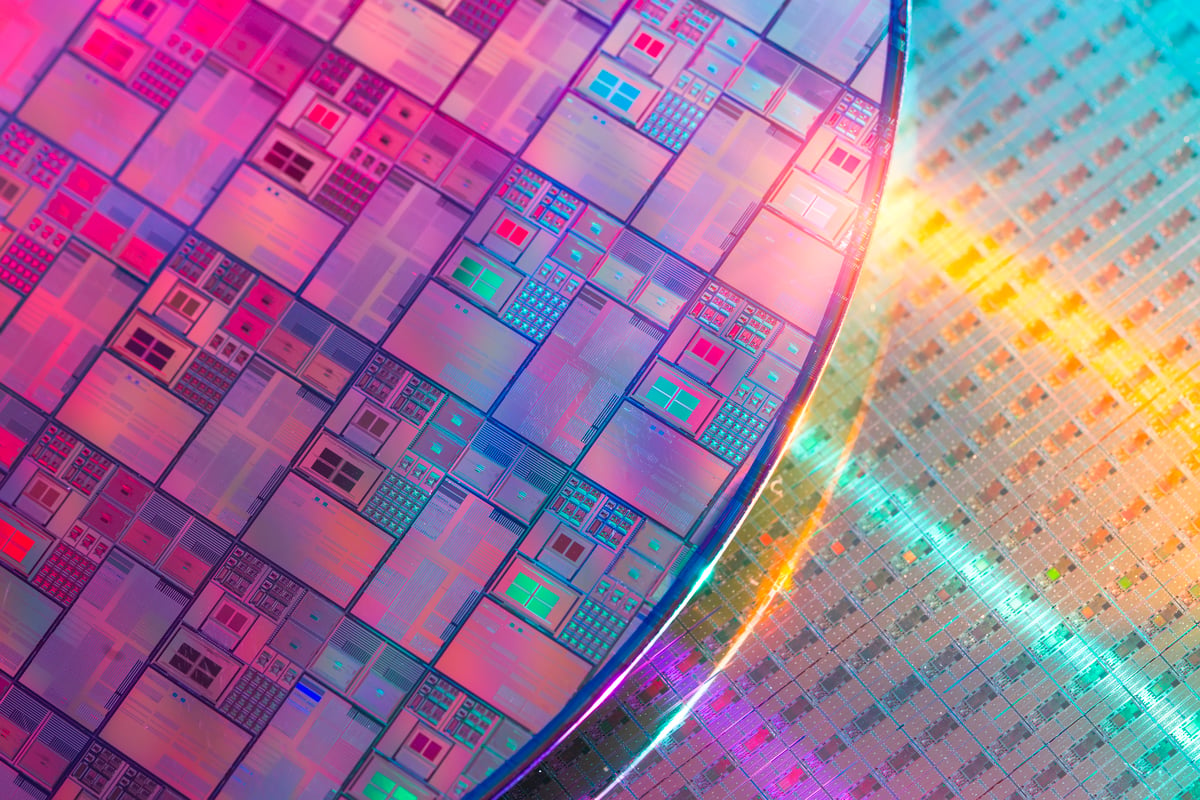
Cerebras IPO Oversubscribed 20 Times Ahead of Debut

- IPO Oversubscription: Cerebras is set to debut its IPO on Thursday, with demand reaching 20 times the offering size, prompting the company to raise its target share price to between $150 and $160, valuing it at approximately $48.8 billion, indicating strong market interest in its technology.
- Significant Technological Edge: Cerebras' chips utilize an entire 12-inch silicon wafer, making them roughly 30 times larger than Nvidia's chips and containing 19 times more transistors, enabling faster processing of AI inference tasks at lower energy costs, potentially disrupting the data center market.
- Customer Concentration Risk: By the end of 2025, Cerebras' backlog reached $24.6 billion, primarily from its contract with OpenAI; while the AWS partnership may help diversify revenue, the company must demonstrate its execution capabilities in the data center business.
- Supply Chain Challenges: Cerebras' chips are manufactured by TSMC, facing supply chain risks as TSMC expands its advanced processes; Cerebras must deliver 250 megawatts of computing capacity for OpenAI by year-end, requiring management to overcome scaling challenges to fulfill the contract.
See More
Investment Comparison: TSMC vs Micron
- Market Stability Analysis: The logic chip market is more stable than the memory chip market, with Taiwan Semiconductor, the largest logic chip manufacturer, benefiting from product diversity that enhances its performance during cyclical fluctuations, attracting investors seeking stability.
- Surge in Memory Chip Demand: Micron's revenue reached $23.9 billion in Q2 of FY 2026, nearly tripling from $8.05 billion last year, showcasing the strong growth driven by memory chip shortages, with expectations of $33.5 billion in the next quarter.
- Significant Valuation Differences: Micron's forward P/E ratio stands at 14, significantly lower than TSMC's 26, reflecting market caution regarding Micron's cyclical unpredictability, while TSMC's stability commands a higher valuation.
- Investment Choice Considerations: Although both companies manufacture chips, investors must choose based on their risk tolerance; TSMC is suitable for those seeking long-term stability, while Micron appeals to those willing to take risks for potentially higher returns.
See More
SK Hynix Approaches $1 Trillion Market Value
- Market Value Milestone: SK Hynix is on the verge of surpassing a $1 trillion market value, becoming South Korea's second company to reach this milestone, highlighting the strong demand driven by artificial intelligence and solidifying South Korea's central role in Asia's AI sector.
- Stock Surge: The company's shares have surged over 200% this year, with an astonishing 274% increase in 2025, primarily fueled by soaring demand for both conventional memory chips and high-bandwidth memory (HBM) chips used in AI servers, reflecting strong market interest in AI-related stocks.
- KOSPI Index Performance: South Korea's benchmark KOSPI index has climbed over 86% this year, marking its best annual performance since 1999, as significant foreign investment has flowed into chipmakers, further propelling the overall market upward.
- Global Supply Chain Importance: The record earnings of the three major chipmakers underscore their critical role in the global AI supply chain, with SK Hynix's market cap now nearing that of retail giant Walmart and investment firm Berkshire Hathaway, indicating a significant elevation in its market position.
See More
Trump's Visit to China Sparks Market Attention
- High-Level Meeting Context: President Trump arrived in Beijing on May 13, 2026, accompanied by top executives including Tesla's Elon Musk and Nvidia's Jensen Huang, aiming to engage in crucial discussions with President Xi Jinping on trade, technology, and regional security issues.
- Market Reaction: Asian markets showed mixed performance ahead of Trump's visit, while U.S. futures remained relatively unchanged; notably, the S&P 500 reached an all-time high on Wall Street, reflecting traders' enthusiasm for technology stocks despite pressures from the latest inflation report.
- Inflation Data Impact: U.S. wholesale inflation surged to 6% year-over-year in April, marking the highest increase since 2022, which intensifies pressure on Federal Reserve policy and complicates the economic backdrop for Trump's high-level diplomacy.
- Global Oil Flow Constraints: The closure of the Strait of Hormuz due to the Iran war has severely impacted global oil flows, with OPEC reporting a 30% reduction in supply since the conflict began, posing significant risks to demand growth this year.
See More
Accelerating Investments in AI Infrastructure
- Nvidia's Market Dominance: Nvidia's stronghold in the data center AI chip market has led to a 94% year-over-year increase in net income to $43 billion in its latest quarter, reflecting robust profitability and demand in the AI hardware sector.
- TSMC's Manufacturing Edge: As the world's leading chip manufacturer, TSMC anticipates long-term demand for AI accelerators to grow at a compound annual rate in the mid-to-high 50% range, underscoring its critical role and future growth potential in the AI ecosystem.
- Amazon's Cloud Service Expansion: Amazon's AWS, the largest cloud infrastructure provider globally, has seen demand exceed its cloud capacity, resulting in a backlog of $364 billion as of March 31, highlighting its strong market position in the AI space.
- Infrastructure Investment Plans: Amazon plans to invest $200 billion this year in building data centers and enhancing AI infrastructure, which is expected to significantly boost its return on AI investments and further solidify its market leadership.
See More
Micron Technology Stock Surges 116% in Six Weeks
- Stock Surge: Micron Technology's stock has skyrocketed 116% since hitting a three-month low on April 1, reflecting strong market confidence in its future growth, leaving investors to decide whether to hold or add to their positions.
- Surging Memory Demand: With memory chips being crucial for AI data centers, demand has reached an all-time high, and Micron anticipates meeting only 50% to 66% of market demand in the medium term, leading to sustained price increases.
- Revenue Growth Forecast: Wall Street analysts project Micron's revenue to grow by 192% this year and 56% next year, with an expected revenue of $171 billion by 2027, indicating robust growth potential in the memory market.
- Investment Risks and Opportunities: Despite the significant stock price increase, if the memory shortage persists, Micron's ability to ramp up production could make it a highly attractive investment; conversely, if the shortage eases, the stock may face downside risks.
See More
Cerebras IPO Oversubscribed 20 Times Ahead of Debut
- IPO Oversubscription: Cerebras is set to debut its IPO on Thursday, with demand reaching 20 times the offering size, prompting the company to raise its target share price to between $150 and $160, valuing it at approximately $48.8 billion, indicating strong market interest in its technology.
- Significant Technological Edge: Cerebras' chips utilize an entire 12-inch silicon wafer, making them roughly 30 times larger than Nvidia's chips and containing 19 times more transistors, enabling faster processing of AI inference tasks at lower energy costs, potentially disrupting the data center market.
- Customer Concentration Risk: By the end of 2025, Cerebras' backlog reached $24.6 billion, primarily from its contract with OpenAI; while the AWS partnership may help diversify revenue, the company must demonstrate its execution capabilities in the data center business.
- Supply Chain Challenges: Cerebras' chips are manufactured by TSMC, facing supply chain risks as TSMC expands its advanced processes; Cerebras must deliver 250 megawatts of computing capacity for OpenAI by year-end, requiring management to overcome scaling challenges to fulfill the contract.
See More
Investment Comparison: TSMC vs Micron
- Market Stability Analysis: The logic chip market is more stable than the memory chip market, with Taiwan Semiconductor, the largest logic chip manufacturer, benefiting from product diversity that enhances its performance during cyclical fluctuations, attracting investors seeking stability.
- Surge in Memory Chip Demand: Micron's revenue reached $23.9 billion in Q2 of FY 2026, nearly tripling from $8.05 billion last year, showcasing the strong growth driven by memory chip shortages, with expectations of $33.5 billion in the next quarter.
- Significant Valuation Differences: Micron's forward P/E ratio stands at 14, significantly lower than TSMC's 26, reflecting market caution regarding Micron's cyclical unpredictability, while TSMC's stability commands a higher valuation.
- Investment Choice Considerations: Although both companies manufacture chips, investors must choose based on their risk tolerance; TSMC is suitable for those seeking long-term stability, while Micron appeals to those willing to take risks for potentially higher returns.
See More