Shell Announces $0.358 Dividend for Q3 2025
Written by Emily J. Thompson, Senior Investment Analyst
Updated: Dec 08 2025
0mins
Should l Buy SHEL?
Source: Globenewswire
- Dividend Payment Announcement: Shell plc has declared a dividend of $0.358 per share for Q3 2025, reflecting the company's ongoing profitability and commitment to shareholder returns.
- Multi-Currency Options: Shareholders can elect to receive dividends in US dollars, euros, or pounds sterling, enhancing investor flexibility and attractiveness, which is expected to boost shareholder satisfaction.
- Payment Schedule: The dividend will be payable on December 18, 2025, ensuring that shareholders on the register as of November 14, 2025, are entitled, demonstrating the company's commitment to shareholder rights.
- Tax Advisory Note: Shell advises shareholders to consult their tax advisors regarding dividend taxation, reflecting the company's emphasis on transparency and compliance.
Trade with 70% Backtested Accuracy
Stop guessing "Should I Buy SHEL?" and start using high-conviction signals backed by rigorous historical data.
Sign up today to access powerful investing tools and make smarter, data-driven decisions.
Analyst Views on SHEL
Wall Street analysts forecast SHEL stock price to fall
10 Analyst Rating
5 Buy
5 Hold
0 Sell
Moderate Buy
Current: 93.000

Low
41.75
Averages
74.27
High
91.00
Current: 93.000
Low
41.75
Averages
74.27
High
91.00
About SHEL
Shell plc is an international energy company engaged in the principal aspects of the energy and petrochemical industries. The Company's segments include Integrated Gas, Upstream, Marketing, Chemicals and Products, Renewables and Energy Solutions, and Corporate. The Integrated Gas segment includes liquefied natural gas (LNG), conversion of natural gas into gas-to-liquids (GTL) fuels and other products. It includes natural gas and liquids exploration and extraction, and the operation of the upstream and midstream infrastructure. The Upstream segment includes exploration and extraction of crude oil, natural gas and natural gas liquids. It also markets and transports oil and gas and operates the infrastructure necessary to deliver them to the market. The Marketing segment comprises the Mobility, Lubricants, and Sectors & Decarbonization businesses. The Chemicals and Products segment includes chemicals manufacturing plants with their own marketing network, and refineries.
About the author

Emily J. Thompson
Emily J. Thompson, a Chartered Financial Analyst (CFA) with 12 years in investment research, graduated with honors from the Wharton School. Specializing in industrial and technology stocks, she provides in-depth analysis for Intellectia’s earnings and market brief reports.
Shell in Advanced Talks with Venezuela for Gas Development
- Project Advancement: Shell is in advanced discussions with the Venezuelan government to develop four large gas blocks near Trinidad and Tobago, with a final investment decision expected by year-end, indicating the company's commitment to the Venezuelan gas market.
- Resource Integration: The company aims to access three fields associated with the 4.2 Tcf Dragon gas field and the 7.3 Tcf Loran offshore area, totaling approximately 20 Tcf of reserves, thereby enhancing its resource integration capabilities in the Latin American market.
- LNG Export Plans: Shell plans to transport Venezuelan gas to Trinidad for liquefaction, supporting its 45%-owned Atlantic LNG project, which aims to increase the facility's capacity to meet export demands.
- Policy Collaboration: Last month, Shell signed preliminary agreements with the new government to advance the Dragon project and potentially develop the Carito and Pirital onshore oil and gas fields, demonstrating the company's strategic adaptability under the new regime.
See More

Shell Shares End Six-Day Winning Streak
- Stock Fluctuation: Shell (SHEL) shares fell 0.5% to $92.26 on Tuesday, ending a six-day winning streak, indicating market caution regarding its short-term performance.
- Year-to-Date Performance: So far this year, Shell's stock has climbed over 28%, contrasting with a 7% drop in the S&P 500, highlighting its relative strength in the energy market.
- Analyst Ratings: According to Seeking Alpha's Quant Rating, Shell holds a 3.5 out of 5 Hold rating, with an A+ for profitability prospects but only a D+ for growth factors, indicating limited growth potential.
- Market Risks: Recent disruptions at the Pearl plant and force majeure on LNG contracts underscore operational risks for Shell, reflecting its sensitivity to commodity price fluctuations.
See More

Shell plc Total Voting Rights Announcement
- Total Shares Disclosure: As of March 31, 2026, Shell plc's total capital consists of 5,638,556,417 ordinary shares with a nominal value of €0.07 each, indicating a stable equity structure in the market.
- Compliance with Transparency: This announcement adheres to the FCA's Disclosure Guidance and Transparency Rules, ensuring shareholders can accurately calculate their interest in Shell, thereby enhancing market transparency.
- Impact of Buyback Program: The total shares figure includes shares repurchased by Shell that have not yet been canceled, indicating the company's proactive management of its capital structure to enhance shareholder value.
- Notification Requirements: Shareholders can use this total share count as the denominator for determining if they need to notify any changes in their interest, ensuring compliance and maintaining market order.
See More
Shell Warns Australia Against Windfall Tax on Gas Exporters
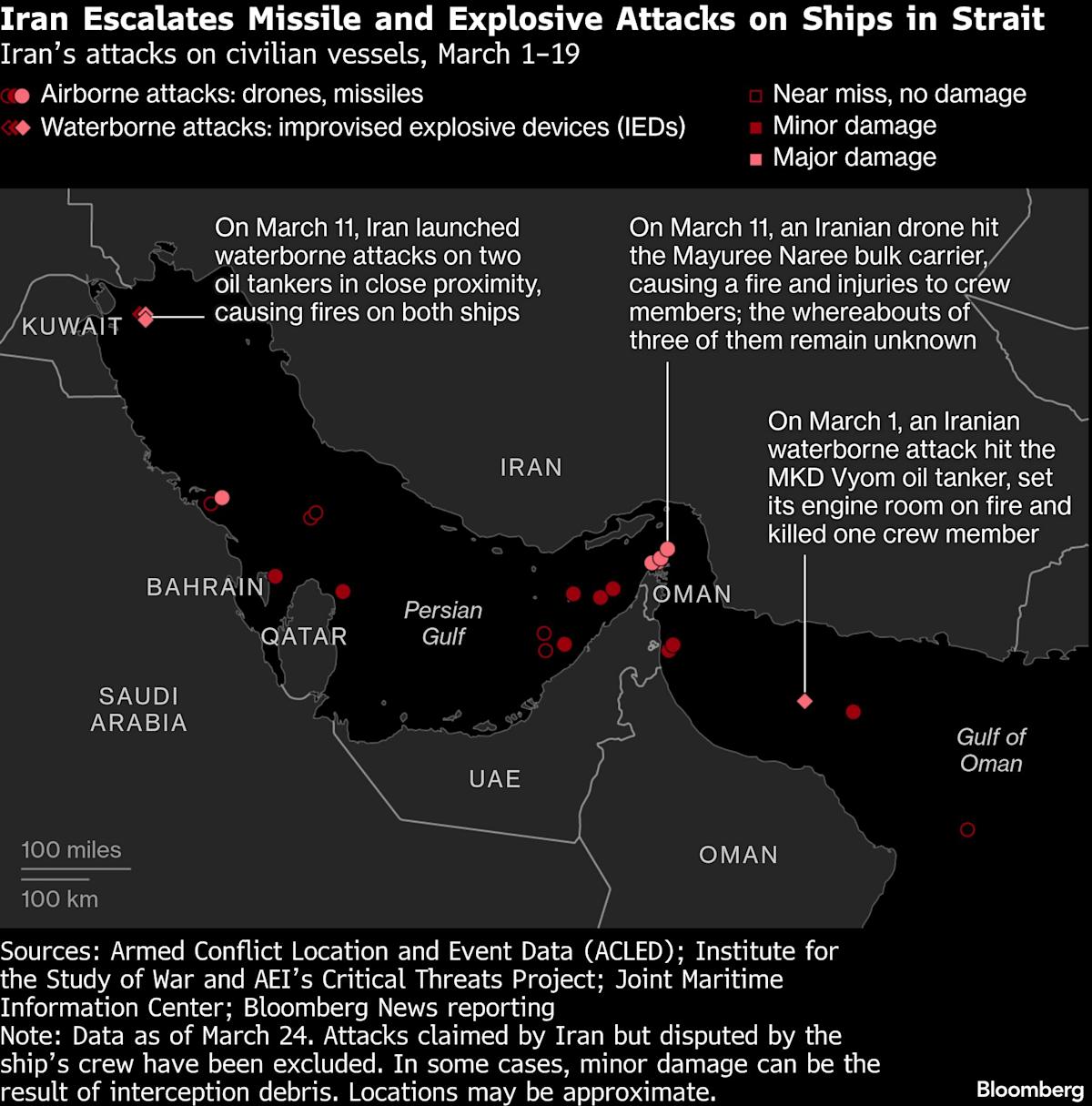
- Investment Risk Warning: Shell Australia's chair, Cecile Wake, cautioned that imposing a windfall tax on gas exporters could deter investment and jeopardize energy security, particularly as global supplies are disrupted by the Middle East conflict, highlighting the need for stable policy settings.
- Market Position Enhancement: With Iranian strikes forcing Qatar to halt production, Australia has become the world's second-largest LNG supplier, and its export revenues are expected to surge due to reduced supply, necessitating careful policy adjustments in this context.
- Short-Term Measures Risk: Wake noted that if the government resorts to short-term fixes or populist rhetoric in response to the energy crisis, it could erode project values and render many future growth opportunities in Australia uneconomic and uncompetitive on a global scale.
- Importance of Policy Stability: She emphasized that strong and stable policy frameworks are crucial during the current energy crisis to avoid compromising long-term investment decisions, ensuring national energy security and economic growth.
See More

Shell plc Announces Share Buyback Transactions

- Share Buyback Volume: On March 30, 2026, Shell plc repurchased a total of 112,091 shares at a highest price of £35.655 and a lowest price of £34.970, indicating the company's proactive approach to managing its capital structure amidst market fluctuations.
- Diverse Trading Venues: The buyback occurred across multiple trading venues, including the London Stock Exchange and Chi-X, demonstrating the company's flexibility in utilizing resources across different markets to optimize its repurchase strategy.
- Background of Buyback Plan: This share repurchase is part of a buyback program announced on February 5, 2026, aimed at enhancing earnings per share and increasing shareholder value, reflecting the company's confidence in future market performance.
- Compliance and Regulation: All repurchase transactions comply with Chapter 9 of the UK Listing Rules and Market Abuse Regulation, ensuring that the company operates within a legal framework for capital management, thereby enhancing investor trust.
See More

Ukrainian Drone Attacks Disrupt Russian Crude Exports
- Export Capability Impacted: Ukrainian drone strikes have nearly halted crude loadings at Russia's Ust-Luga port, significantly impairing the country's maritime crude export capabilities and operational capacity.
- Severe Port Damage: Ust-Luga and Primorsk ports, which previously handled approximately 45% of Russia's seaborne crude exports totaling 1.72 million barrels per day, are now severely damaged, creating a bottleneck that threatens global oil supply.
- Deteriorating Fiscal Outlook: While global oil prices had risen due to the ongoing Middle East conflict, the inability to transport crude has severely blunted potential revenue growth, worsening Russia's fiscal outlook amid a widening budget gap.
- Structural Economic Challenges: The focus on targeting energy infrastructure indicates a shift toward industrial attrition in the war, presenting structural challenges to the Russian economy that cannot be easily mitigated through air defenses, with investors concerned about the duration of repairs at the ports, as any delays could redirect global crude flows.
See More
Shell in Advanced Talks with Venezuela for Gas Development
- Project Advancement: Shell is in advanced discussions with the Venezuelan government to develop four large gas blocks near Trinidad and Tobago, with a final investment decision expected by year-end, indicating the company's commitment to the Venezuelan gas market.
- Resource Integration: The company aims to access three fields associated with the 4.2 Tcf Dragon gas field and the 7.3 Tcf Loran offshore area, totaling approximately 20 Tcf of reserves, thereby enhancing its resource integration capabilities in the Latin American market.
- LNG Export Plans: Shell plans to transport Venezuelan gas to Trinidad for liquefaction, supporting its 45%-owned Atlantic LNG project, which aims to increase the facility's capacity to meet export demands.
- Policy Collaboration: Last month, Shell signed preliminary agreements with the new government to advance the Dragon project and potentially develop the Carito and Pirital onshore oil and gas fields, demonstrating the company's strategic adaptability under the new regime.
See More
Shell Shares End Six-Day Winning Streak
- Stock Fluctuation: Shell (SHEL) shares fell 0.5% to $92.26 on Tuesday, ending a six-day winning streak, indicating market caution regarding its short-term performance.
- Year-to-Date Performance: So far this year, Shell's stock has climbed over 28%, contrasting with a 7% drop in the S&P 500, highlighting its relative strength in the energy market.
- Analyst Ratings: According to Seeking Alpha's Quant Rating, Shell holds a 3.5 out of 5 Hold rating, with an A+ for profitability prospects but only a D+ for growth factors, indicating limited growth potential.
- Market Risks: Recent disruptions at the Pearl plant and force majeure on LNG contracts underscore operational risks for Shell, reflecting its sensitivity to commodity price fluctuations.
See More
Shell plc Total Voting Rights Announcement
- Total Shares Disclosure: As of March 31, 2026, Shell plc's total capital consists of 5,638,556,417 ordinary shares with a nominal value of €0.07 each, indicating a stable equity structure in the market.
- Compliance with Transparency: This announcement adheres to the FCA's Disclosure Guidance and Transparency Rules, ensuring shareholders can accurately calculate their interest in Shell, thereby enhancing market transparency.
- Impact of Buyback Program: The total shares figure includes shares repurchased by Shell that have not yet been canceled, indicating the company's proactive management of its capital structure to enhance shareholder value.
- Notification Requirements: Shareholders can use this total share count as the denominator for determining if they need to notify any changes in their interest, ensuring compliance and maintaining market order.
See More
Shell Warns Australia Against Windfall Tax on Gas Exporters
- Investment Risk Warning: Shell Australia's chair, Cecile Wake, cautioned that imposing a windfall tax on gas exporters could deter investment and jeopardize energy security, particularly as global supplies are disrupted by the Middle East conflict, highlighting the need for stable policy settings.
- Market Position Enhancement: With Iranian strikes forcing Qatar to halt production, Australia has become the world's second-largest LNG supplier, and its export revenues are expected to surge due to reduced supply, necessitating careful policy adjustments in this context.
- Short-Term Measures Risk: Wake noted that if the government resorts to short-term fixes or populist rhetoric in response to the energy crisis, it could erode project values and render many future growth opportunities in Australia uneconomic and uncompetitive on a global scale.
- Importance of Policy Stability: She emphasized that strong and stable policy frameworks are crucial during the current energy crisis to avoid compromising long-term investment decisions, ensuring national energy security and economic growth.
See More
Shell plc Announces Share Buyback Transactions
- Share Buyback Volume: On March 30, 2026, Shell plc repurchased a total of 112,091 shares at a highest price of £35.655 and a lowest price of £34.970, indicating the company's proactive approach to managing its capital structure amidst market fluctuations.
- Diverse Trading Venues: The buyback occurred across multiple trading venues, including the London Stock Exchange and Chi-X, demonstrating the company's flexibility in utilizing resources across different markets to optimize its repurchase strategy.
- Background of Buyback Plan: This share repurchase is part of a buyback program announced on February 5, 2026, aimed at enhancing earnings per share and increasing shareholder value, reflecting the company's confidence in future market performance.
- Compliance and Regulation: All repurchase transactions comply with Chapter 9 of the UK Listing Rules and Market Abuse Regulation, ensuring that the company operates within a legal framework for capital management, thereby enhancing investor trust.
See More
Ukrainian Drone Attacks Disrupt Russian Crude Exports
- Export Capability Impacted: Ukrainian drone strikes have nearly halted crude loadings at Russia's Ust-Luga port, significantly impairing the country's maritime crude export capabilities and operational capacity.
- Severe Port Damage: Ust-Luga and Primorsk ports, which previously handled approximately 45% of Russia's seaborne crude exports totaling 1.72 million barrels per day, are now severely damaged, creating a bottleneck that threatens global oil supply.
- Deteriorating Fiscal Outlook: While global oil prices had risen due to the ongoing Middle East conflict, the inability to transport crude has severely blunted potential revenue growth, worsening Russia's fiscal outlook amid a widening budget gap.
- Structural Economic Challenges: The focus on targeting energy infrastructure indicates a shift toward industrial attrition in the war, presenting structural challenges to the Russian economy that cannot be easily mitigated through air defenses, with investors concerned about the duration of repairs at the ports, as any delays could redirect global crude flows.
See More