Senators Question U.S. Response to Stranded Citizens in Middle East
Written by Emily J. Thompson, Senior Investment Analyst
Updated: 9 hours ago
0mins
Source: CNBC
- Stranded Americans: Tens of thousands of U.S. citizens remain trapped in the Middle East amid the war with Iran, with Senator Warren criticizing the Trump administration for failing to safeguard these citizens, highlighting the lack of emergency planning prior to the conflict that has left many feeling abandoned.
- Delayed Evacuation Efforts: As of now, nearly 47,000 Americans have returned home via State Department charter flights, yet the number of available seats exceeds demand, indicating a need for improved efficiency in evacuation operations amidst ongoing conflict.
- Government Inaction: During the hearing, Warren pointed out that despite TRANSCOM's commander stating that hundreds of Americans have been airlifted, many stranded individuals are still waiting for assistance, reflecting significant shortcomings in the government's crisis response.
- Public Panic: Americans in the Middle East are experiencing heightened anxiety and fear, feeling helpless as they await government assistance, prompting some lawmakers to take matters into their own hands by traveling to the region to help stranded families, illustrating widespread dissatisfaction with the government's response.
Trade with 70% Backtested Accuracy
Stop guessing "Should I Buy DAL?" and start using high-conviction signals backed by rigorous historical data.
Sign up today to access powerful investing tools and make smarter, data-driven decisions.
Analyst Views on DAL
Wall Street analysts forecast DAL stock price to rise
18 Analyst Rating
18 Buy
0 Hold
0 Sell
Strong Buy
Current: 59.140

Low
77.00
Averages
83.50
High
90.00
Current: 59.140
Low
77.00
Averages
83.50
High
90.00
About DAL
Delta Air Lines, Inc. provides scheduled air transportation for passengers and cargo throughout the United States and around the world. The Company has hubs and markets in Amsterdam, Atlanta, Bogota, Boston, Detroit, Lima, London-Heathrow, Los Angeles, Mexico City, Minneapolis-St. Paul, New York-JFK and LaGuardia, Paris-Charles de Gaulle, Salt Lake City, Santiago (Chile), Sao Paulo, Seattle, Seoul-Incheon, and Tokyo. Its segments include Airline and Refinery. Its airline segment is managed as a single business unit that provides scheduled air transportation for passengers and cargo throughout the United States and around the world and includes its loyalty program, as well as other ancillary businesses. Its refinery segment operates for the benefit of the airline segment by providing jet fuel to the airline segment from its own production and through jet fuel obtained through agreements with third parties. The refinery's production consists of jet fuel as well as non-jet fuel products.
About the author

Emily J. Thompson
Emily J. Thompson, a Chartered Financial Analyst (CFA) with 12 years in investment research, graduated with honors from the Wharton School. Specializing in industrial and technology stocks, she provides in-depth analysis for Intellectia’s earnings and market brief reports.

US Stocks Plummet as Oil Prices Surge Amid Iran Conflict


- Oil Price Surge Impacts Markets: WTI crude oil prices soared over 9% on Thursday due to fears surrounding the Iran conflict, leading the S&P 500 to drop 1.52%, the Dow Jones by 1.56%, and the Nasdaq 100 by 1.73%, indicating heightened market anxiety over rising inflation.
- Bank Stocks Under Pressure: Morgan Stanley and Cliffwater LLC capped withdrawals from their private credit funds amid high investor redemption requests, causing Ares Management to fall over 6% and Goldman Sachs to drop more than 4%, reflecting growing concerns about credit quality in the market.
- Mixed Economic Data: Initial jobless claims in the US fell to 213,000, better than the expected 215,000, indicating labor market strength; however, January building permits fell 5.4% to 1.376 million, suggesting potential slowdowns in future construction activity, which could dampen market confidence.
- International Tensions Affecting Outlook: Comments from Iran's Supreme Leader heightened concerns about ongoing tensions in the Middle East, with expectations that if the situation remains tense, global oil supply could decrease by 8 million barrels per day, further driving up oil prices and potentially leading to a global economic slowdown.
See More

Palantir CEO Claims AI Enhances U.S. Military Capabilities

- AI Military Advantage: Palantir CEO Alex Karp stated on CNBC that artificial intelligence is providing the U.S. and its allies with a unique combat edge in the escalating conflict in Iran and the Middle East, emphasizing that this revolution is a distinctly American phenomenon.
- Data Coordination Capability: Karp highlighted Palantir's platform's ability to effectively link combat data between the U.S. and Middle Eastern allies, particularly after Iranian airstrikes, underscoring its irreplaceable role in security coordination.
- Significant Commercial Growth: Palantir's commercial revenue surged 137% in the fourth quarter to $507 million, indicating rapid growth in its business beyond defense technology, further solidifying the company's market position.
- Strong Stock Performance: Palantir's shares have risen 12% this month, contrasting with a 1.6% decline in the overall Nasdaq, reflecting investor confidence in its future growth potential.
See More

Senators Question U.S. Response to Stranded Citizens in Middle East


- Stranded Americans: Tens of thousands of U.S. citizens remain trapped in the Middle East amid the war with Iran, with Senator Warren criticizing the Trump administration for failing to safeguard these citizens, highlighting the lack of emergency planning prior to the conflict that has left many feeling abandoned.
- Delayed Evacuation Efforts: As of now, nearly 47,000 Americans have returned home via State Department charter flights, yet the number of available seats exceeds demand, indicating a need for improved efficiency in evacuation operations amidst ongoing conflict.
- Government Inaction: During the hearing, Warren pointed out that despite TRANSCOM's commander stating that hundreds of Americans have been airlifted, many stranded individuals are still waiting for assistance, reflecting significant shortcomings in the government's crisis response.
- Public Panic: Americans in the Middle East are experiencing heightened anxiety and fear, feeling helpless as they await government assistance, prompting some lawmakers to take matters into their own hands by traveling to the region to help stranded families, illustrating widespread dissatisfaction with the government's response.
See More

Surging Oil Prices and Iran War Fears Trigger Market Sell-Off

- Market Decline: The S&P 500 fell 1.52% to 6,672.62, the Nasdaq Composite slid 1.78%, and the Dow Jones Industrial Average dropped 1.56%, reflecting heightened risk aversion among investors due to surging oil prices and fears of war in Iran.
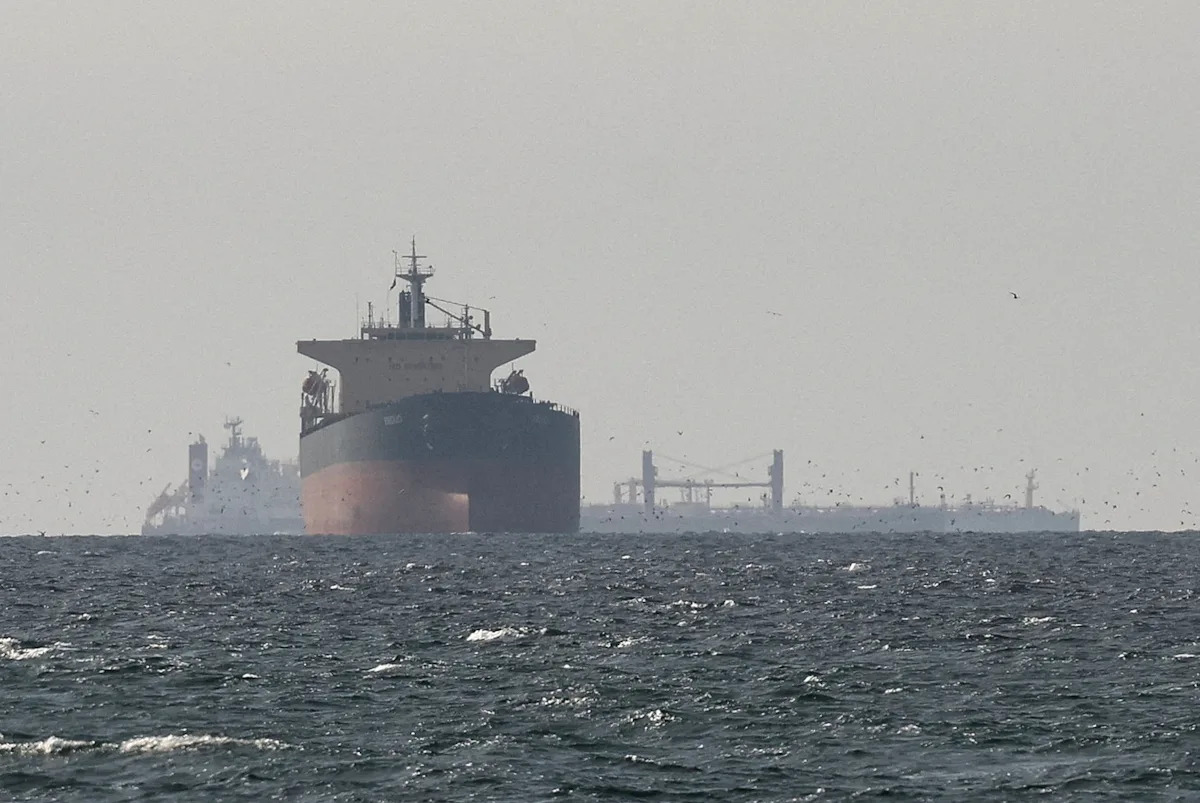
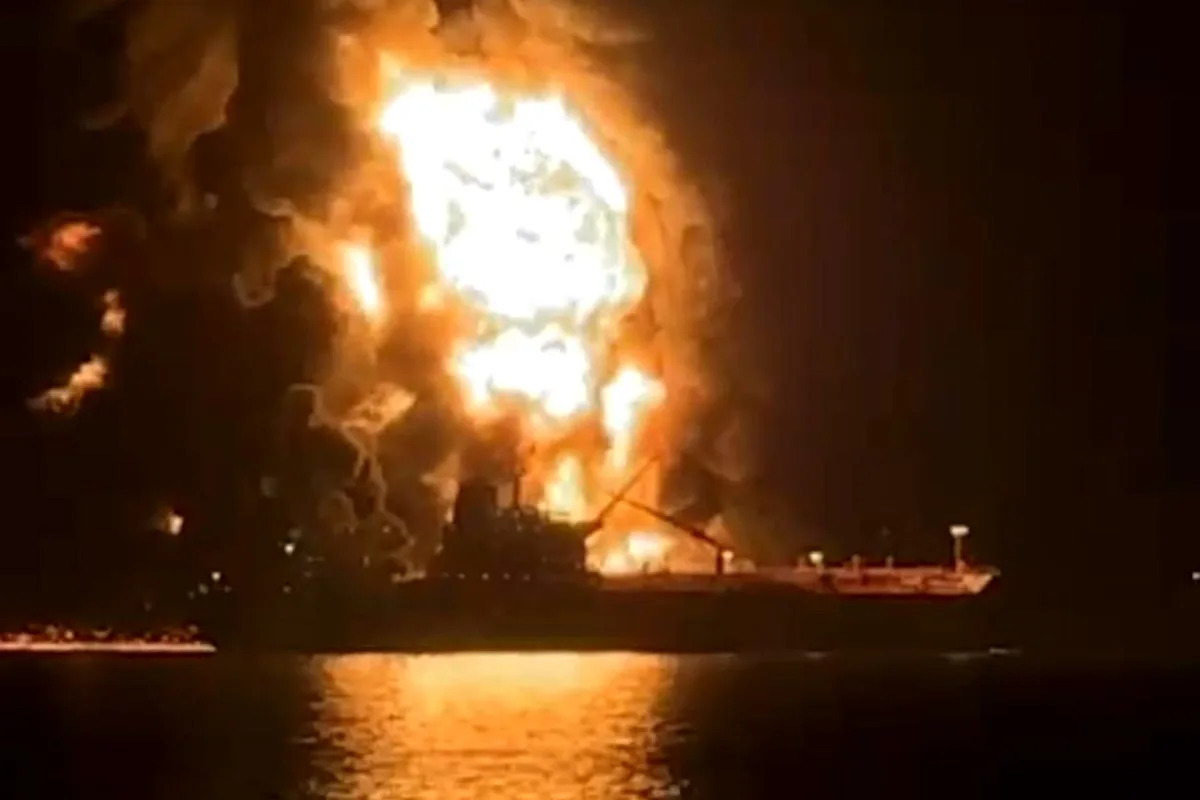
- Oil Price Surge: WTI crude oil futures rose 10% to about $96 per barrel, driven by Iran's attacks on several ships in the Persian Gulf, with the IEA labeling it the 'largest supply disruption' ever, which could have significant implications for the global economy.
- Sector Rotation: Airline stocks like Delta Air Lines slumped due to fuel cost concerns, while energy-related stocks outperformed, indicating a shift towards defensive assets amidst uncertainty, potentially leading to long-term structural changes in industry dynamics.
- Escalating Geopolitical Risks: Newly appointed Iranian leader Mojtaba Khamenei's declaration that the closure of the Strait of Hormuz should be used as a 'tool to pressure the enemy' has intensified market concerns over Middle Eastern tensions, suggesting that volatility is likely to persist, requiring investors to remain vigilant.
See More

Market Oversold, Investment Opportunities Arise


- Oversold Market Signal: The market selloff accelerated as U.S. crude prices surged approximately 8%, pushing the S&P Short Range Oscillator down to -5.48%, significantly below the -4% oversold threshold, indicating a potential rebound opportunity in the near term.
- Impact of Trading Restrictions: Due to trading restrictions, we are unable to trade any stocks mentioned by Jim Cramer on Thursday; despite the oversold market, we must carefully select stocks and recommend gradual purchases to maintain flexibility.
- Potential Buy Stocks: The five stocks we are interested in include Boeing, Alphabet, Goldman Sachs, Nike, and Cardinal Health; while Boeing faces challenges from rising fuel prices, its new jets' fuel efficiency remains attractive over time.
- Market Volatility and Strategy: Given the current market environment, if oil prices continue to rise, it could lead to further market declines, hence we advise keeping some cash on hand to seize future buying opportunities.
See More
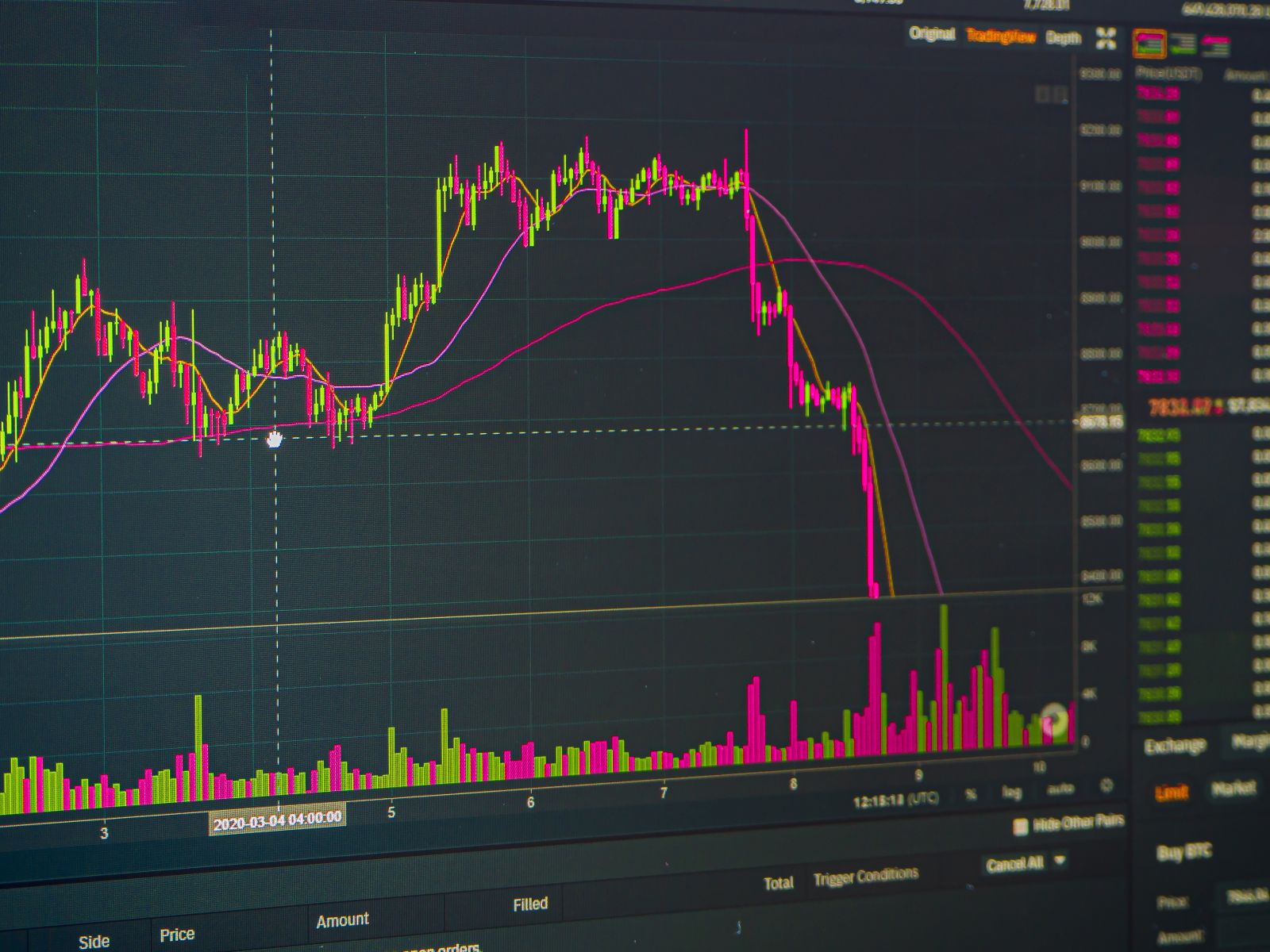
US Stocks Decline Amid Rising Oil Prices
- Oil Price Surge Impacts Market: WTI crude oil prices surged over 9% today following Iraq's suspension of oil terminal activities due to Iranian attacks on tankers, leading the S&P 500 to drop 1.22%, the Dow Jones by 1.32%, and the Nasdaq 100 by 1.46%, indicating market sensitivity to rising energy costs.
- Bank Stocks Under Pressure: Morgan Stanley and Cliffwater LLC capped withdrawals from their private credit funds amid investor redemption demands exceeding fund limits, causing both Morgan Stanley and KKR to decline over 4%, reflecting growing concerns about credit quality in the market.
- Mixed Economic Data: Initial jobless claims in the US fell by 1,000 to 213,000, indicating labor market strength, while January housing starts unexpectedly rose 7.2% to 1.487 million, despite building permits dropping 5.4% to 1.376 million, suggesting potential slowdowns in future construction activity.
- Optimistic Earnings Outlook: Despite market volatility, over 95% of S&P 500 companies have reported earnings, with 74% exceeding expectations, and Q4 earnings growth is projected at 8.4%, providing some support to the market, although overall sentiment remains pressured by rising oil prices.
See More
US Stocks Plummet as Oil Prices Surge Amid Iran Conflict
- Oil Price Surge Impacts Markets: WTI crude oil prices soared over 9% on Thursday due to fears surrounding the Iran conflict, leading the S&P 500 to drop 1.52%, the Dow Jones by 1.56%, and the Nasdaq 100 by 1.73%, indicating heightened market anxiety over rising inflation.
- Bank Stocks Under Pressure: Morgan Stanley and Cliffwater LLC capped withdrawals from their private credit funds amid high investor redemption requests, causing Ares Management to fall over 6% and Goldman Sachs to drop more than 4%, reflecting growing concerns about credit quality in the market.
- Mixed Economic Data: Initial jobless claims in the US fell to 213,000, better than the expected 215,000, indicating labor market strength; however, January building permits fell 5.4% to 1.376 million, suggesting potential slowdowns in future construction activity, which could dampen market confidence.
- International Tensions Affecting Outlook: Comments from Iran's Supreme Leader heightened concerns about ongoing tensions in the Middle East, with expectations that if the situation remains tense, global oil supply could decrease by 8 million barrels per day, further driving up oil prices and potentially leading to a global economic slowdown.
See More
Palantir CEO Claims AI Enhances U.S. Military Capabilities
- AI Military Advantage: Palantir CEO Alex Karp stated on CNBC that artificial intelligence is providing the U.S. and its allies with a unique combat edge in the escalating conflict in Iran and the Middle East, emphasizing that this revolution is a distinctly American phenomenon.
- Data Coordination Capability: Karp highlighted Palantir's platform's ability to effectively link combat data between the U.S. and Middle Eastern allies, particularly after Iranian airstrikes, underscoring its irreplaceable role in security coordination.
- Significant Commercial Growth: Palantir's commercial revenue surged 137% in the fourth quarter to $507 million, indicating rapid growth in its business beyond defense technology, further solidifying the company's market position.
- Strong Stock Performance: Palantir's shares have risen 12% this month, contrasting with a 1.6% decline in the overall Nasdaq, reflecting investor confidence in its future growth potential.
See More
Senators Question U.S. Response to Stranded Citizens in Middle East
- Stranded Americans: Tens of thousands of U.S. citizens remain trapped in the Middle East amid the war with Iran, with Senator Warren criticizing the Trump administration for failing to safeguard these citizens, highlighting the lack of emergency planning prior to the conflict that has left many feeling abandoned.
- Delayed Evacuation Efforts: As of now, nearly 47,000 Americans have returned home via State Department charter flights, yet the number of available seats exceeds demand, indicating a need for improved efficiency in evacuation operations amidst ongoing conflict.
- Government Inaction: During the hearing, Warren pointed out that despite TRANSCOM's commander stating that hundreds of Americans have been airlifted, many stranded individuals are still waiting for assistance, reflecting significant shortcomings in the government's crisis response.
- Public Panic: Americans in the Middle East are experiencing heightened anxiety and fear, feeling helpless as they await government assistance, prompting some lawmakers to take matters into their own hands by traveling to the region to help stranded families, illustrating widespread dissatisfaction with the government's response.
See More
Surging Oil Prices and Iran War Fears Trigger Market Sell-Off
- Market Decline: The S&P 500 fell 1.52% to 6,672.62, the Nasdaq Composite slid 1.78%, and the Dow Jones Industrial Average dropped 1.56%, reflecting heightened risk aversion among investors due to surging oil prices and fears of war in Iran.
- Oil Price Surge: WTI crude oil futures rose 10% to about $96 per barrel, driven by Iran's attacks on several ships in the Persian Gulf, with the IEA labeling it the 'largest supply disruption' ever, which could have significant implications for the global economy.
- Sector Rotation: Airline stocks like Delta Air Lines slumped due to fuel cost concerns, while energy-related stocks outperformed, indicating a shift towards defensive assets amidst uncertainty, potentially leading to long-term structural changes in industry dynamics.
- Escalating Geopolitical Risks: Newly appointed Iranian leader Mojtaba Khamenei's declaration that the closure of the Strait of Hormuz should be used as a 'tool to pressure the enemy' has intensified market concerns over Middle Eastern tensions, suggesting that volatility is likely to persist, requiring investors to remain vigilant.
See More
Market Oversold, Investment Opportunities Arise
- Oversold Market Signal: The market selloff accelerated as U.S. crude prices surged approximately 8%, pushing the S&P Short Range Oscillator down to -5.48%, significantly below the -4% oversold threshold, indicating a potential rebound opportunity in the near term.
- Impact of Trading Restrictions: Due to trading restrictions, we are unable to trade any stocks mentioned by Jim Cramer on Thursday; despite the oversold market, we must carefully select stocks and recommend gradual purchases to maintain flexibility.
- Potential Buy Stocks: The five stocks we are interested in include Boeing, Alphabet, Goldman Sachs, Nike, and Cardinal Health; while Boeing faces challenges from rising fuel prices, its new jets' fuel efficiency remains attractive over time.
- Market Volatility and Strategy: Given the current market environment, if oil prices continue to rise, it could lead to further market declines, hence we advise keeping some cash on hand to seize future buying opportunities.
See More
US Stocks Decline Amid Rising Oil Prices
- Oil Price Surge Impacts Market: WTI crude oil prices surged over 9% today following Iraq's suspension of oil terminal activities due to Iranian attacks on tankers, leading the S&P 500 to drop 1.22%, the Dow Jones by 1.32%, and the Nasdaq 100 by 1.46%, indicating market sensitivity to rising energy costs.
- Bank Stocks Under Pressure: Morgan Stanley and Cliffwater LLC capped withdrawals from their private credit funds amid investor redemption demands exceeding fund limits, causing both Morgan Stanley and KKR to decline over 4%, reflecting growing concerns about credit quality in the market.
- Mixed Economic Data: Initial jobless claims in the US fell by 1,000 to 213,000, indicating labor market strength, while January housing starts unexpectedly rose 7.2% to 1.487 million, despite building permits dropping 5.4% to 1.376 million, suggesting potential slowdowns in future construction activity.
- Optimistic Earnings Outlook: Despite market volatility, over 95% of S&P 500 companies have reported earnings, with 74% exceeding expectations, and Q4 earnings growth is projected at 8.4%, providing some support to the market, although overall sentiment remains pressured by rising oil prices.
See More