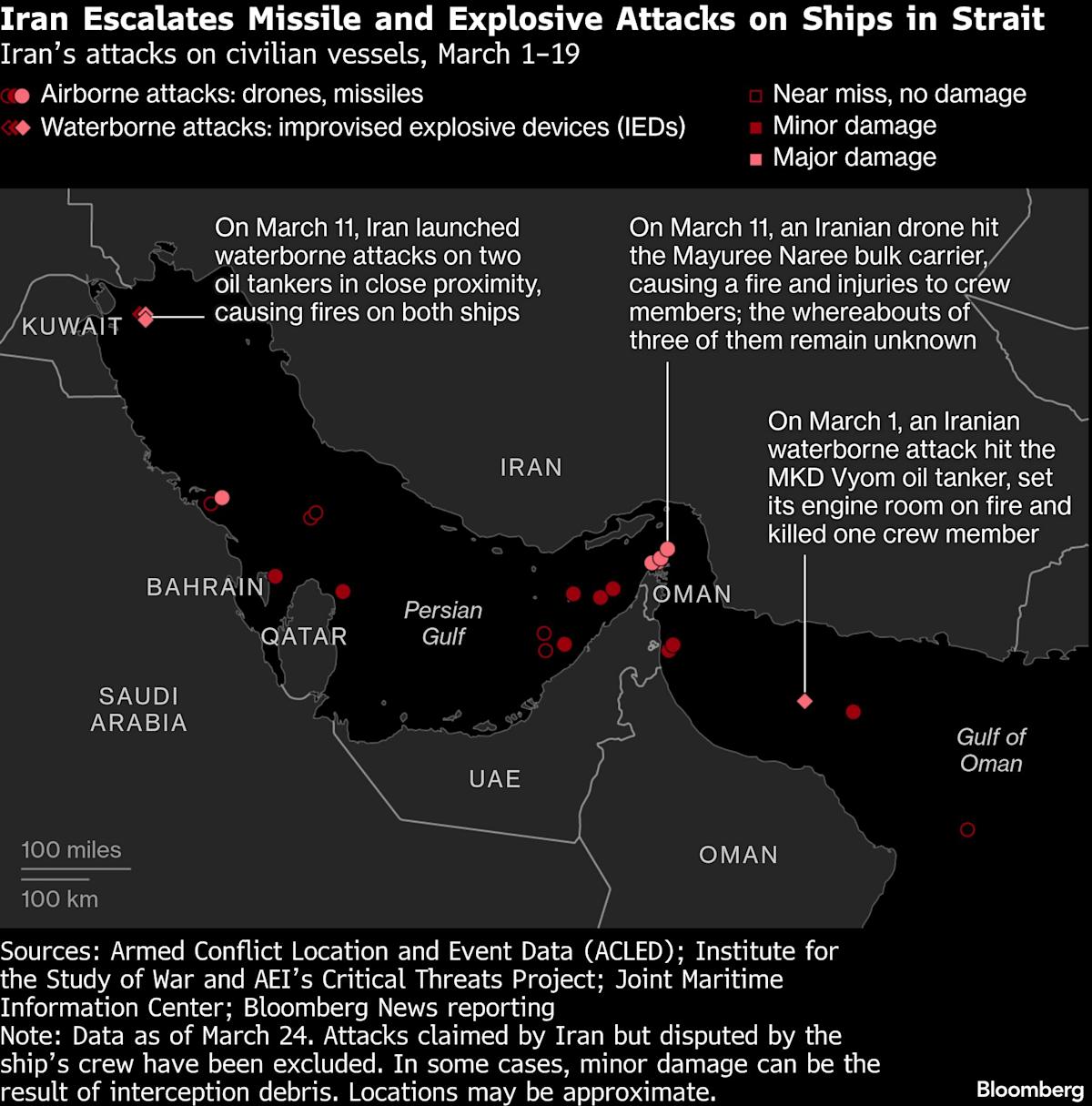
Senate Advances Funding Bill for Homeland Security
Written by Emily J. Thompson, Senior Investment Analyst
Updated: 1 hour ago
0mins
Source: CNBC
- Funding Bill Advancement: The Senate advanced a funding bill for the Department of Homeland Security on April 2, aiming to end a month-long government shutdown that disrupted air travel significantly.
- House Inaction: Despite the Senate's progress, the House failed to take action on the bill during its own session, likely extending the partial government shutdown through the weekend and affecting federal workers' pay.
- Two-Track Funding Agreement: Senate Majority Leader John Thune and House Speaker Mike Johnson announced a two-track agreement to fund immigration enforcement and border security for the next three years, ensuring federal workers are paid.
- Trump's Support for Funding Replenishment: Trump expressed on social media his commitment to quickly replenish funding for border and ICE agents through budget priorities that do not require Democratic votes, although far-right House members oppose any legislation that excludes ICE and CBP funding.
Trade with 70% Backtested Accuracy
Stop guessing "Should I Buy DAL?" and start using high-conviction signals backed by rigorous historical data.
Sign up today to access powerful investing tools and make smarter, data-driven decisions.
Analyst Views on DAL
Wall Street analysts forecast DAL stock price to rise
18 Analyst Rating
18 Buy
0 Hold
0 Sell
Strong Buy
Current: 67.600

Low
77.00
Averages
83.50
High
90.00
Current: 67.600
Low
77.00
Averages
83.50
High
90.00
About DAL
Delta Air Lines, Inc. provides scheduled air transportation for passengers and cargo throughout the United States and around the world. The Company has hubs and markets in Amsterdam, Atlanta, Bogota, Boston, Detroit, Lima, London-Heathrow, Los Angeles, Mexico City, Minneapolis-St. Paul, New York-JFK and LaGuardia, Paris-Charles de Gaulle, Salt Lake City, Santiago (Chile), Sao Paulo, Seattle, Seoul-Incheon, and Tokyo. Its segments include Airline and Refinery. Its airline segment is managed as a single business unit that provides scheduled air transportation for passengers and cargo throughout the United States and around the world and includes its loyalty program, as well as other ancillary businesses. Its refinery segment operates for the benefit of the airline segment by providing jet fuel to the airline segment from its own production and through jet fuel obtained through agreements with third parties. The refinery's production consists of jet fuel as well as non-jet fuel products.
About the author

Emily J. Thompson
Emily J. Thompson, a Chartered Financial Analyst (CFA) with 12 years in investment research, graduated with honors from the Wharton School. Specializing in industrial and technology stocks, she provides in-depth analysis for Intellectia’s earnings and market brief reports.
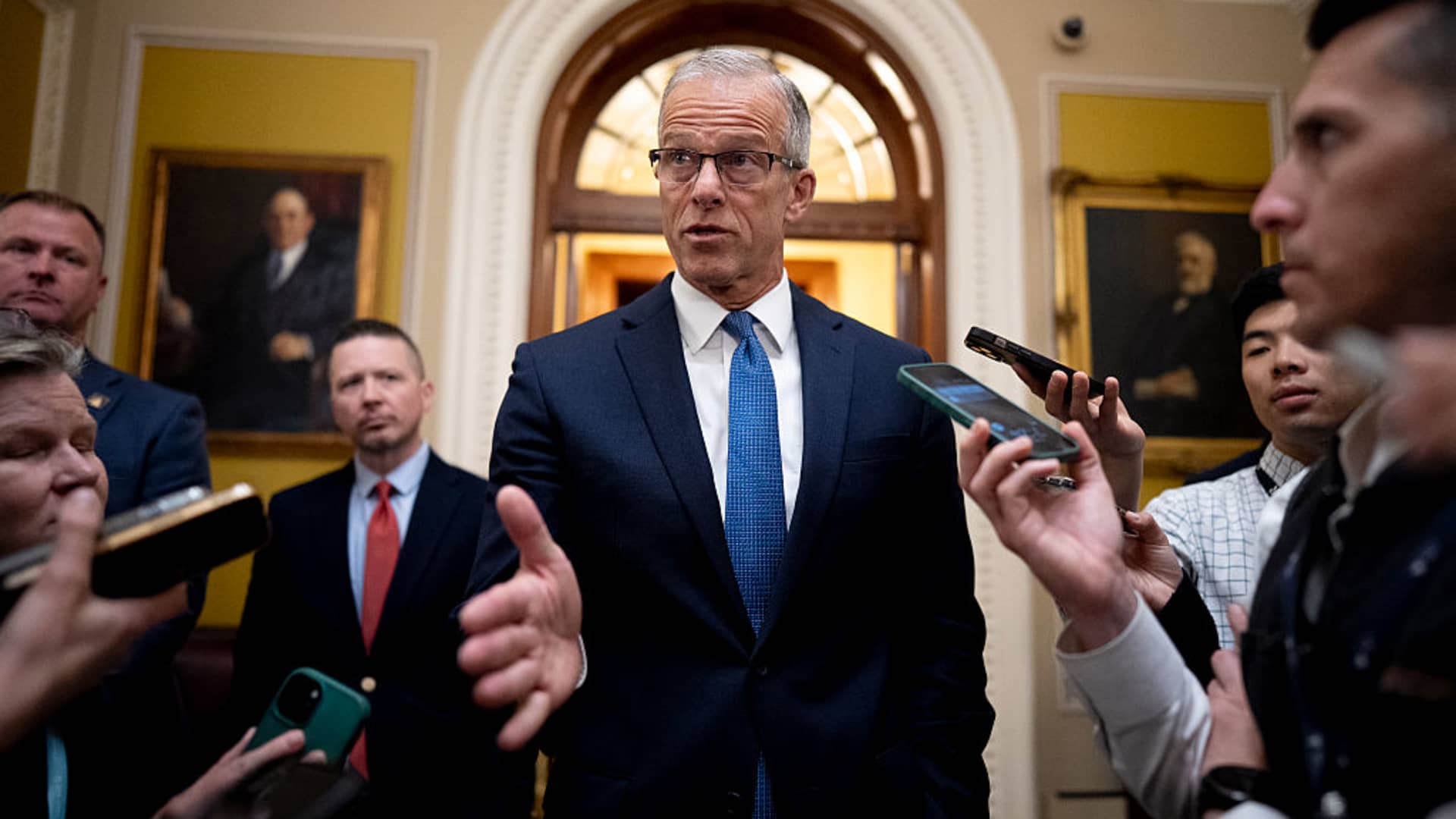
Senate Advances Funding Bill for Homeland Security


- Funding Bill Advancement: The Senate advanced a funding bill for the Department of Homeland Security on April 2, aiming to end a month-long government shutdown that disrupted air travel significantly.
- House Inaction: Despite the Senate's progress, the House failed to take action on the bill during its own session, likely extending the partial government shutdown through the weekend and affecting federal workers' pay.
- Two-Track Funding Agreement: Senate Majority Leader John Thune and House Speaker Mike Johnson announced a two-track agreement to fund immigration enforcement and border security for the next three years, ensuring federal workers are paid.
- Trump's Support for Funding Replenishment: Trump expressed on social media his commitment to quickly replenish funding for border and ICE agents through budget priorities that do not require Democratic votes, although far-right House members oppose any legislation that excludes ICE and CBP funding.
See More
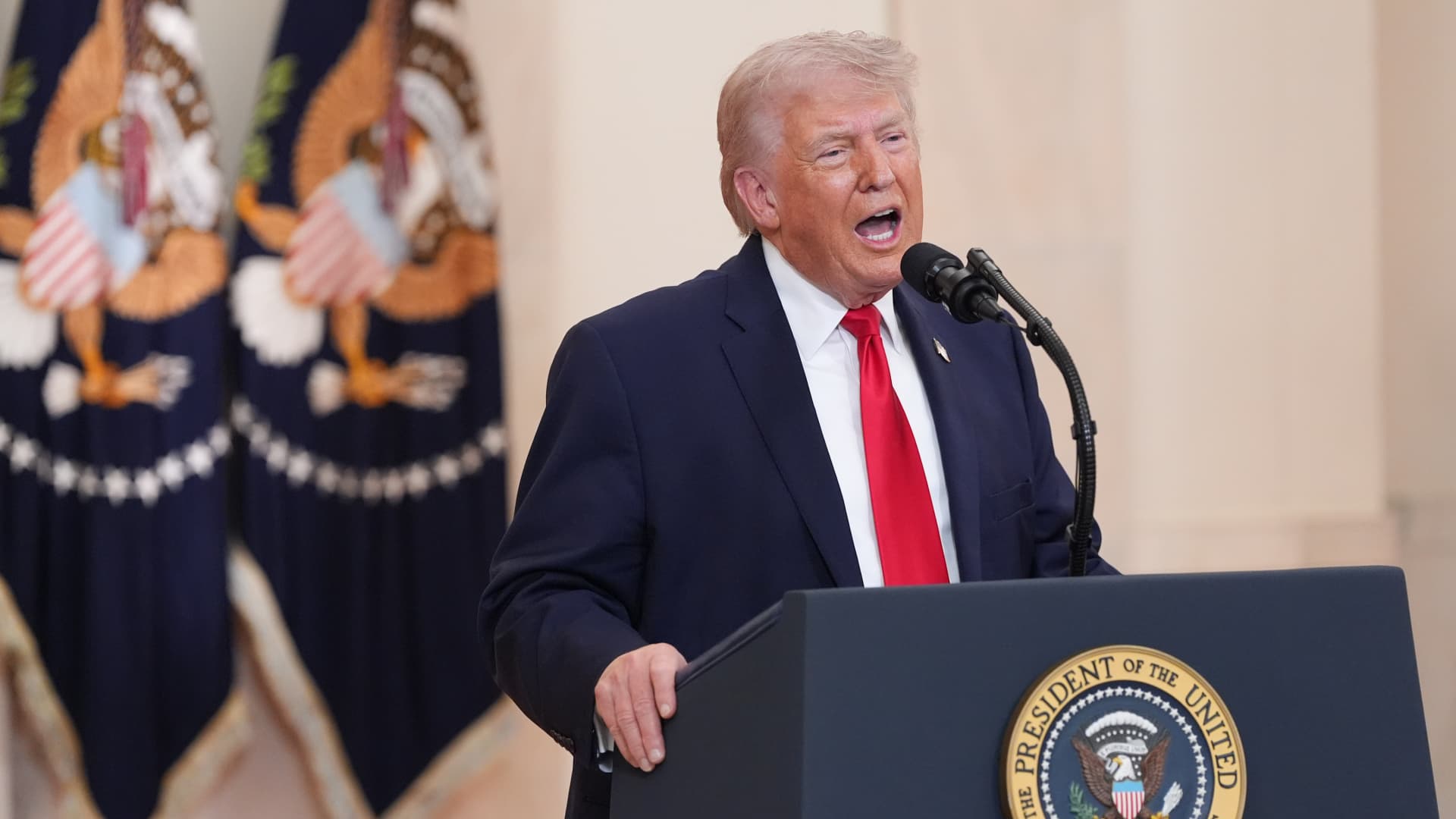
Market Watch: Oil Price Surge and Stock Market Turmoil


- Oil Price Surge Impact: Following President Trump's address on the Iran war, which raised escalation concerns, U.S. crude benchmark WTI surged 9% to $109 a barrel, putting downward pressure on the stock market and negatively affecting investor sentiment.
- Bank of America Upgrades Vale: Bank of America upgraded Vale from hold to buy, suggesting that now is an attractive entry point for investors in the iron ore producer, despite Vale's stock dropping nearly 7% since the Iran conflict began, while iron ore prices have risen about 8%.
- Wix's Outlook Downgraded: UBS downgraded Wix from buy to hold, with analysts believing its 2026 outlook indicates a slowdown in core business growth from 12% last year to 8% this year, and despite efforts to integrate AI capabilities, the company remains vulnerable to disruption by AI.
- Cheniere Energy Price Target Increased: Citigroup raised Cheniere Energy's price target from $280 to $330 while reiterating its buy rating, as supply disruptions in the Middle East could benefit U.S. LNG exports long-term, with shares up about 17% since the war began.
See More
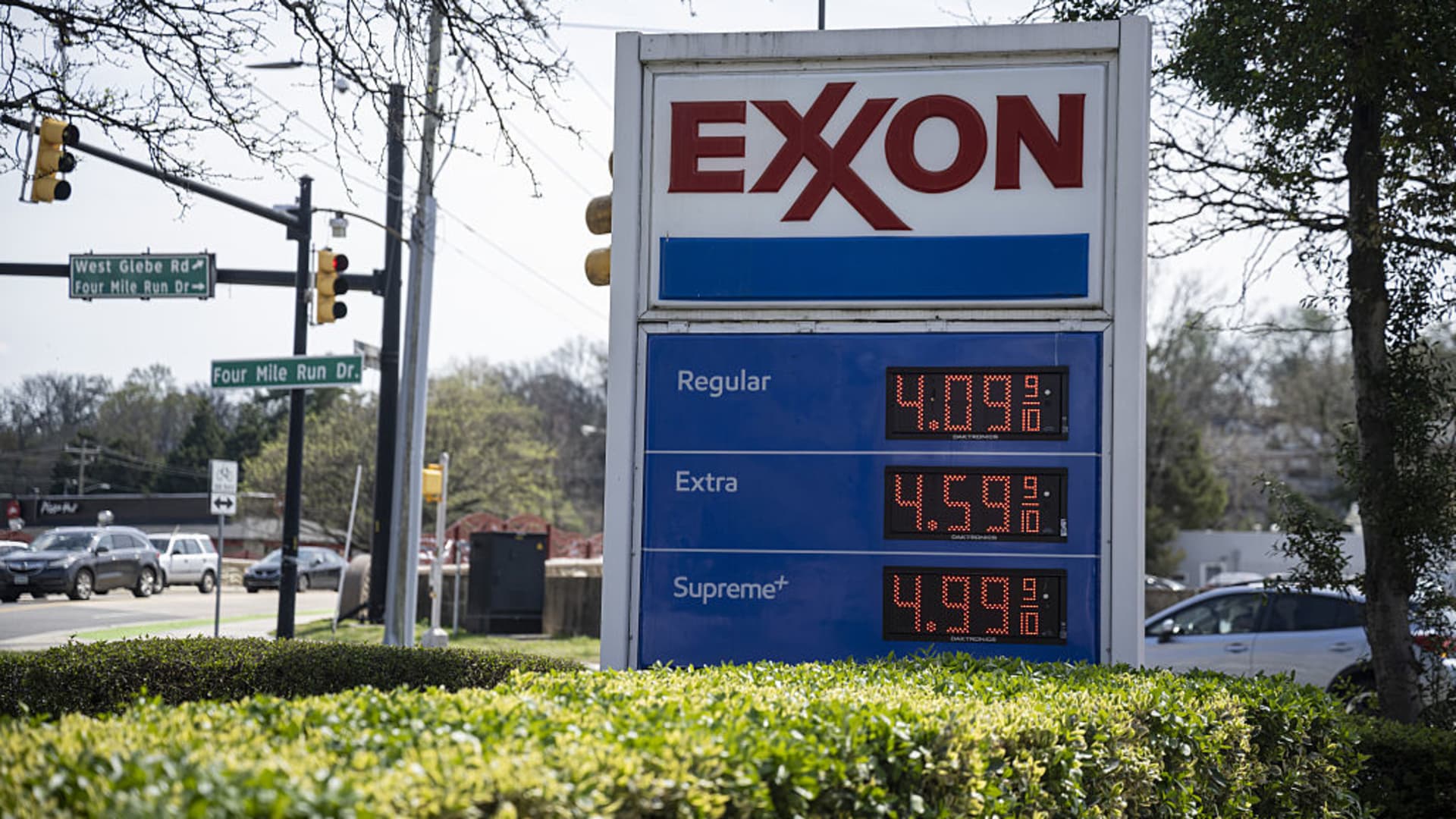
Oil Price Surge Drives Energy Stocks Higher Amid Iran War Concerns


- Energy Stocks Surge: Following President Trump's speech, oil prices surged over 7%, leading to a 4.3% increase in APA shares, while Diamondback Energy, ConocoPhillips, Devon Energy, Exxon Mobil, and Chevron saw about 3% gains, indicating market optimism regarding energy demand.
- Cruise Stocks Decline: Major cruise operators like Carnival, Royal Caribbean, and Norwegian Cruise Line fell about 4% as Trump's speech failed to provide a clear path to end the Iran war, heightening concerns over demand.
- Airlines Under Pressure: Rising oil prices caused airline stocks to tumble, with Delta Air Lines, United Airlines, Southwest Airlines, and Alaska Air all dropping about 4%, reflecting the negative impact of high oil prices on airline profitability.
- Gold Miners Slide: After Trump's speech, gold prices fell 1%, leading to declines of about 5% for Newmont and Kinross Gold, and nearly 6% for Iamgold, indicating a weakening demand for safe-haven assets.
See More

US Stocks Close Higher Amid Optimism Over Middle East Conflict Resolution

- Market Rally: The S&P 500 rose by 0.72%, the Dow Jones increased by 0.48%, and the Nasdaq 100 climbed by 1.18%, reflecting growing investor optimism regarding a potential resolution to the Middle East conflict, which has bolstered market confidence.
- Strong Economic Data: The US ADP employment change for March increased by 62,000, surpassing expectations of 40,000, while February retail sales rose by 0.6% month-over-month, indicating robust economic recovery that could influence Federal Reserve policy decisions.
- Interest Rate Expectations: Despite positive economic indicators, hawkish comments from St. Louis Fed President raised concerns about inflation and employment, leading to a mere 1% chance of a 25 basis point rate hike at the upcoming April FOMC meeting, reflecting cautious market sentiment.
- Divergent Stock Performances: Target Hospitality surged over 36% after securing a multi-year contract worth over $550 million, while Nike fell more than 15% due to revenue forecasts indicating a decline, highlighting the market's varied outlook on different companies' futures.
See More
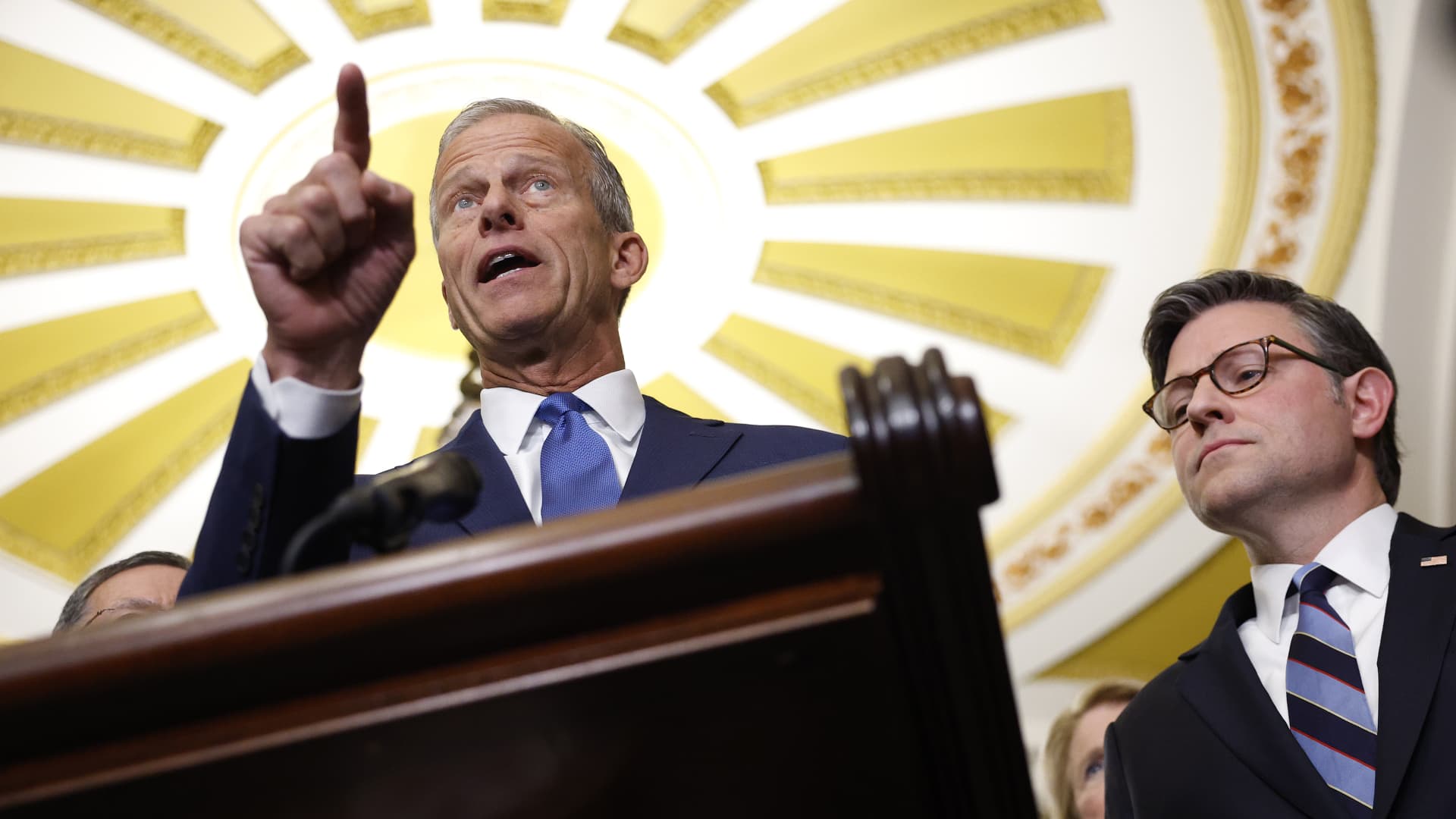
Republicans Push Two-Track Funding Plan for DHS
- Funding Plan Resumption: Senate Majority Leader John Thune and House Speaker Mike Johnson support a two-track funding plan for the Department of Homeland Security, aiming to secure immediate funding for the Transportation Security Administration while deferring debates on controversial immigration enforcement, thereby alleviating funding disputes.
- Budget and Reconciliation Process: The plan will advance through both the appropriations process and budget reconciliation, ensuring DHS funding can pass without the need for 60 votes, demonstrating Republican strategic flexibility in budget negotiations.
- Impact of Congressional Recess: Congress is currently in a two-week recess and is not scheduled to return until April 13, with DHS shut down since February, disrupting air travel as unpaid TSA agents have called out in large numbers, increasing pressure on lawmakers to reach an agreement.
- Trump's Support: President Trump announced he would draw from unspent funds in the 2025 tax and spending package to pay TSA agents, easing airport security lines, while urging Congress to deliver the funding bill to his desk by June 1, highlighting the urgency of the Republican stance on funding issues.
See More
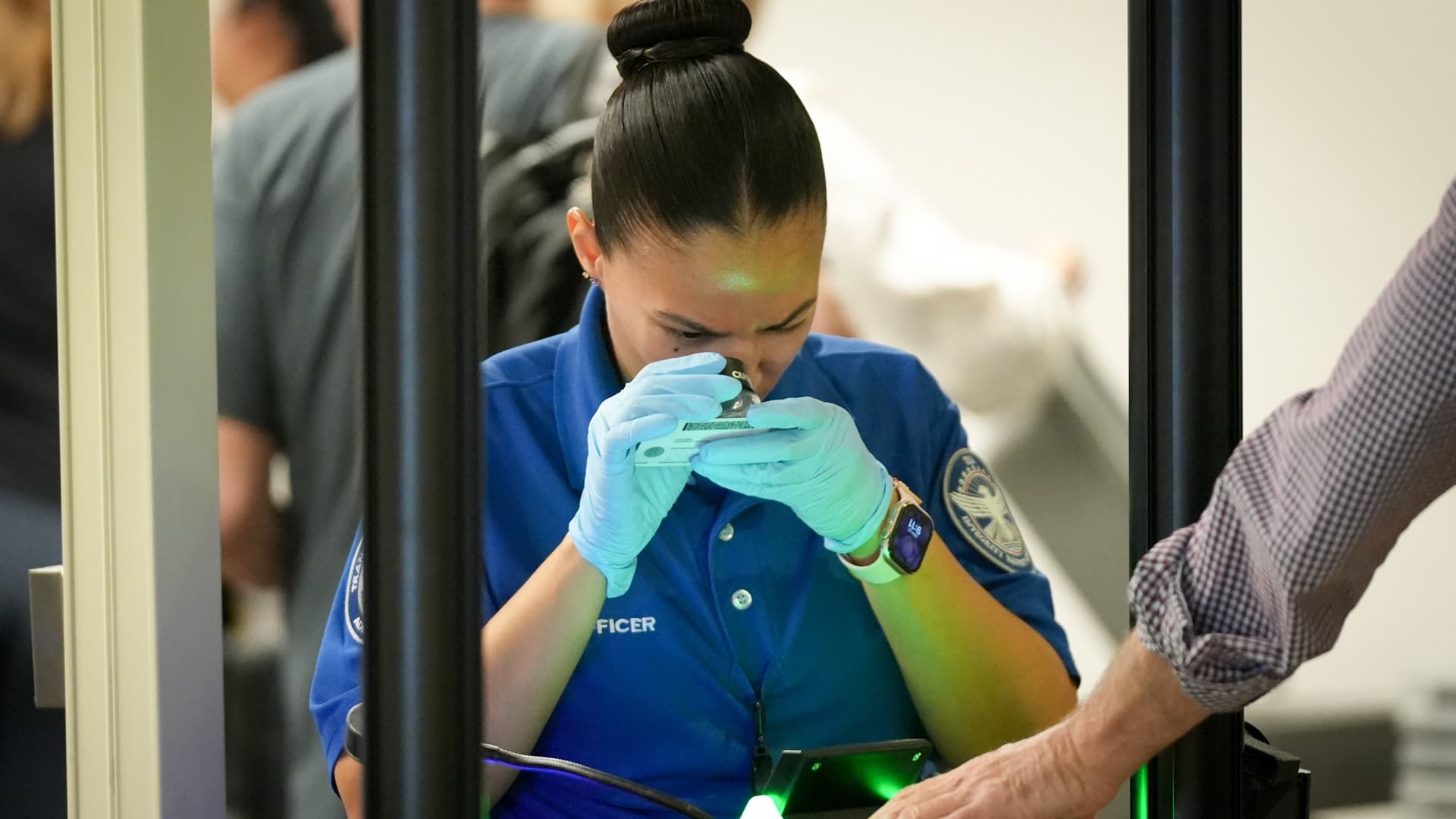
Trump Bypasses Congress to Pay TSA Employees Amid Shutdown

- Temporary Payment Measure: Trump has issued an executive order to pay TSA employees despite Congress being in recess over budget disputes, demonstrating short-term support for airport security personnel while raising questions about the funding source.
- Unclear Funding Source: The order directs the Department of Homeland Security to use funds related to TSA operations, although the specific source remains unclear; experts suggest it may come from a $10 billion allocation in last year's tax and spending bill.
- Legal Controversy: Experts express concerns about the legality of this payment measure, suggesting it may violate the Antideficiency Act, while congressional Democrats voice dissatisfaction with Trump's unilateral actions, fearing it could affect TSA employees' pay.
- Impact and Consequences: Although TSA employees have received retroactive pay, alleviating airport security wait times, the ongoing budget impasse in Congress leaves the sustainability of future funding uncertain, potentially impacting airport operational efficiency.
See More
Senate Advances Funding Bill for Homeland Security
- Funding Bill Advancement: The Senate advanced a funding bill for the Department of Homeland Security on April 2, aiming to end a month-long government shutdown that disrupted air travel significantly.
- House Inaction: Despite the Senate's progress, the House failed to take action on the bill during its own session, likely extending the partial government shutdown through the weekend and affecting federal workers' pay.
- Two-Track Funding Agreement: Senate Majority Leader John Thune and House Speaker Mike Johnson announced a two-track agreement to fund immigration enforcement and border security for the next three years, ensuring federal workers are paid.
- Trump's Support for Funding Replenishment: Trump expressed on social media his commitment to quickly replenish funding for border and ICE agents through budget priorities that do not require Democratic votes, although far-right House members oppose any legislation that excludes ICE and CBP funding.
See More
Market Watch: Oil Price Surge and Stock Market Turmoil
- Oil Price Surge Impact: Following President Trump's address on the Iran war, which raised escalation concerns, U.S. crude benchmark WTI surged 9% to $109 a barrel, putting downward pressure on the stock market and negatively affecting investor sentiment.
- Bank of America Upgrades Vale: Bank of America upgraded Vale from hold to buy, suggesting that now is an attractive entry point for investors in the iron ore producer, despite Vale's stock dropping nearly 7% since the Iran conflict began, while iron ore prices have risen about 8%.
- Wix's Outlook Downgraded: UBS downgraded Wix from buy to hold, with analysts believing its 2026 outlook indicates a slowdown in core business growth from 12% last year to 8% this year, and despite efforts to integrate AI capabilities, the company remains vulnerable to disruption by AI.
- Cheniere Energy Price Target Increased: Citigroup raised Cheniere Energy's price target from $280 to $330 while reiterating its buy rating, as supply disruptions in the Middle East could benefit U.S. LNG exports long-term, with shares up about 17% since the war began.
See More
Oil Price Surge Drives Energy Stocks Higher Amid Iran War Concerns
- Energy Stocks Surge: Following President Trump's speech, oil prices surged over 7%, leading to a 4.3% increase in APA shares, while Diamondback Energy, ConocoPhillips, Devon Energy, Exxon Mobil, and Chevron saw about 3% gains, indicating market optimism regarding energy demand.
- Cruise Stocks Decline: Major cruise operators like Carnival, Royal Caribbean, and Norwegian Cruise Line fell about 4% as Trump's speech failed to provide a clear path to end the Iran war, heightening concerns over demand.
- Airlines Under Pressure: Rising oil prices caused airline stocks to tumble, with Delta Air Lines, United Airlines, Southwest Airlines, and Alaska Air all dropping about 4%, reflecting the negative impact of high oil prices on airline profitability.
- Gold Miners Slide: After Trump's speech, gold prices fell 1%, leading to declines of about 5% for Newmont and Kinross Gold, and nearly 6% for Iamgold, indicating a weakening demand for safe-haven assets.
See More
US Stocks Close Higher Amid Optimism Over Middle East Conflict Resolution
- Market Rally: The S&P 500 rose by 0.72%, the Dow Jones increased by 0.48%, and the Nasdaq 100 climbed by 1.18%, reflecting growing investor optimism regarding a potential resolution to the Middle East conflict, which has bolstered market confidence.
- Strong Economic Data: The US ADP employment change for March increased by 62,000, surpassing expectations of 40,000, while February retail sales rose by 0.6% month-over-month, indicating robust economic recovery that could influence Federal Reserve policy decisions.
- Interest Rate Expectations: Despite positive economic indicators, hawkish comments from St. Louis Fed President raised concerns about inflation and employment, leading to a mere 1% chance of a 25 basis point rate hike at the upcoming April FOMC meeting, reflecting cautious market sentiment.
- Divergent Stock Performances: Target Hospitality surged over 36% after securing a multi-year contract worth over $550 million, while Nike fell more than 15% due to revenue forecasts indicating a decline, highlighting the market's varied outlook on different companies' futures.
See More
Republicans Push Two-Track Funding Plan for DHS
- Funding Plan Resumption: Senate Majority Leader John Thune and House Speaker Mike Johnson support a two-track funding plan for the Department of Homeland Security, aiming to secure immediate funding for the Transportation Security Administration while deferring debates on controversial immigration enforcement, thereby alleviating funding disputes.
- Budget and Reconciliation Process: The plan will advance through both the appropriations process and budget reconciliation, ensuring DHS funding can pass without the need for 60 votes, demonstrating Republican strategic flexibility in budget negotiations.
- Impact of Congressional Recess: Congress is currently in a two-week recess and is not scheduled to return until April 13, with DHS shut down since February, disrupting air travel as unpaid TSA agents have called out in large numbers, increasing pressure on lawmakers to reach an agreement.
- Trump's Support: President Trump announced he would draw from unspent funds in the 2025 tax and spending package to pay TSA agents, easing airport security lines, while urging Congress to deliver the funding bill to his desk by June 1, highlighting the urgency of the Republican stance on funding issues.
See More
Trump Bypasses Congress to Pay TSA Employees Amid Shutdown
- Temporary Payment Measure: Trump has issued an executive order to pay TSA employees despite Congress being in recess over budget disputes, demonstrating short-term support for airport security personnel while raising questions about the funding source.
- Unclear Funding Source: The order directs the Department of Homeland Security to use funds related to TSA operations, although the specific source remains unclear; experts suggest it may come from a $10 billion allocation in last year's tax and spending bill.
- Legal Controversy: Experts express concerns about the legality of this payment measure, suggesting it may violate the Antideficiency Act, while congressional Democrats voice dissatisfaction with Trump's unilateral actions, fearing it could affect TSA employees' pay.
- Impact and Consequences: Although TSA employees have received retroactive pay, alleviating airport security wait times, the ongoing budget impasse in Congress leaves the sustainability of future funding uncertain, potentially impacting airport operational efficiency.
See More