Semiconductor Industry Faces Helium Supply Crisis
Written by Emily J. Thompson, Senior Investment Analyst
Updated: Apr 28 2026
0mins

Source: Fool
- Supply Chain Vulnerability: The semiconductor industry, having reduced reliance on single-fabricator risks post-COVID chip shortages, remains heavily dependent on Qatar for 30% of global helium supply, a vulnerability exposed by the Strait of Hormuz crisis.
- Helium Production Disruption: Qatar's Ras Laffan facility, the largest helium production site, has been largely offline since March 2026 due to Iranian attacks and a blockade, causing helium production to halt alongside LNG, exacerbating supply chain issues.
- Limitations of Responses: While the industry is implementing helium recycling, tool redesign, and supply diversification, these measures have limited effectiveness; helium used for leak detection is unrecoverable, and new helium projects will take years to yield significant production.
- Investor Focus: Linde, as the largest industrial gas supplier, stands to benefit from rising helium prices and demand for recycling systems, while TSMC's multi-year supply contracts provide a buffer, though production constraints at Samsung and SK Hynix could impact Nvidia's shipping capabilities.
Trade with 70% Backtested Accuracy
Stop guessing "Should I Buy TSM?" and start using high-conviction signals backed by rigorous historical data.
Sign up today to access powerful investing tools and make smarter, data-driven decisions.
Analyst Views on TSM
Wall Street analysts forecast TSM stock price to fall
8 Analyst Rating
7 Buy
1 Hold
0 Sell
Strong Buy
Current: 467.670

Low
63.24
Averages
313.46
High
390.00
Current: 467.670
Low
63.24
Averages
313.46
High
390.00
About TSM
Taiwan Semiconductor Manufacturing Co Ltd is a Taiwan-based integrated circuit foundry service provider. The Company is primarily engaged in integrated circuit manufacturing services. It offers advanced process technologies, specialised process solutions, advanced photomask and silicon stacking, and packaging-related technologies, while supporting a comprehensive design ecosystem. The Company's products serve diverse electronic sectors including artificial intelligence, high-performance computing, wired and wireless communications, automotive and industrial equipment, personal computing, information applications, consumer electronics, smart internet of things, and wearable devices.
About the author

Emily J. Thompson
Emily J. Thompson, a Chartered Financial Analyst (CFA) with 12 years in investment research, graduated with honors from the Wharton School. Specializing in industrial and technology stocks, she provides in-depth analysis for Intellectia’s earnings and market brief reports.

Analysis of SpaceX's Stock Performance Post-IPO


- IPO Performance: SpaceX's IPO was priced at $135 per share, opening at $150 and rising to $155 by June 22, indicating an initial gain of over 20%, reflecting positive market sentiment regarding its future potential.
- Market Position: Currently the seventh-largest company globally with a market cap of $2 trillion, SpaceX's 2025 revenue is projected at $18.7 billion with an EBITDA of $6.6 billion, significantly lower than Amazon and TSMC, highlighting concerns over its high valuation.
- Revenue Source Analysis: The majority of SpaceX's revenue stems from its Starlink service, and while its rocketry business is ongoing, its future economic value growth hinges on successfully evolving into a true space exploration company, which is critical for attracting investor interest.
- Investor Decision Considerations: Investors must weigh whether to invest based on SpaceX's future potential or its near-term performance; those in favor of the former may find current prices appealing, while those focused on the latter might choose to wait.
See More

SpaceX's Financials and Size Mismatch

- IPO Performance Review: SpaceX's IPO was priced at $135 per share, opening at $150 and trading around $155 as of June 22, reflecting over a 20% increase from the offering price, which raises questions about the sustainability of this valuation amidst investor expectations for future growth.
- Market Position Analysis: Currently, SpaceX ranks as the seventh-largest company globally by market capitalization, trailing only Amazon and Taiwan Semiconductor, indicating a significant market presence, yet its relevance in the space exploration sector remains uncertain compared to these established giants, leading to cautious investor sentiment.
- Financial Data Comparison: In 2025, SpaceX reported revenues of $18.7 billion with an adjusted EBITDA of $6.6 billion, which starkly contrasts with the financial performance of Amazon and TSMC, highlighting concerns over SpaceX's profitability and raising red flags regarding its high valuation in the market.
- Investor Decision Considerations: Investors must decide whether to invest in SpaceX based on its future potential or its tangible short-term performance; if leaning towards the former, current prices may present a good entry point, but if favoring the latter, caution is advised regarding the stock's investment value.
See More
Nvidia Backs Three Strong Investment Picks


- Intel's Recovery Potential: After receiving investments from Nvidia and the U.S. government, Intel is gradually regaining its market position, with a significant deal to produce chips for Apple, which could enhance its competitive edge in the semiconductor industry.
- CoreWeave's Rapid Growth: CoreWeave achieved a remarkable 112% revenue growth in its AI cloud computing platform, with expectations of 147% growth this year, and despite currently being unprofitable, its backlog of nearly $100 billion indicates strong market demand.
- Nebius's Astonishing Growth: Nebius reported a staggering 684% revenue increase in Q1, with projections of 550% growth by 2026, highlighting its immense potential in the AI cloud computing space, further bolstered by Nvidia's investment.
- Nvidia's Investment Confidence: As a major client of Nvidia, the success of CoreWeave and Nebius not only reflects the booming AI market but also underscores Nvidia's strategic foresight in selecting investment targets, potentially yielding substantial returns for investors.
See More
Intel Secures Major Deal with Apple, Boosting Growth Prospects
- Intel Client Expansion: Intel has secured a deal to produce chips for Apple, marking its first major client acquisition after losing its dominant market position, which could help restore its competitive edge and attract further investments.
- CoreWeave's Rapid Growth: CoreWeave's cloud computing platform achieved a remarkable 112% revenue growth in Q1, with projections of 147% growth for 2023, indicating strong demand in the AI sector, although it remains unprofitable, its future potential is significant.
- Nebius's Astonishing Growth: Nebius reported a staggering 684% revenue increase in Q1, with expectations of 550% growth by 2026, showcasing its robust performance in the AI cloud computing market, bolstered by Nvidia's investment, enhancing its competitive position.
- Nvidia's Investment Confidence: Nvidia's investments in Intel, CoreWeave, and Nebius signal strong confidence in these companies, particularly against the backdrop of surging demand for AI computing resources, providing a compelling investment signal for investors.
See More
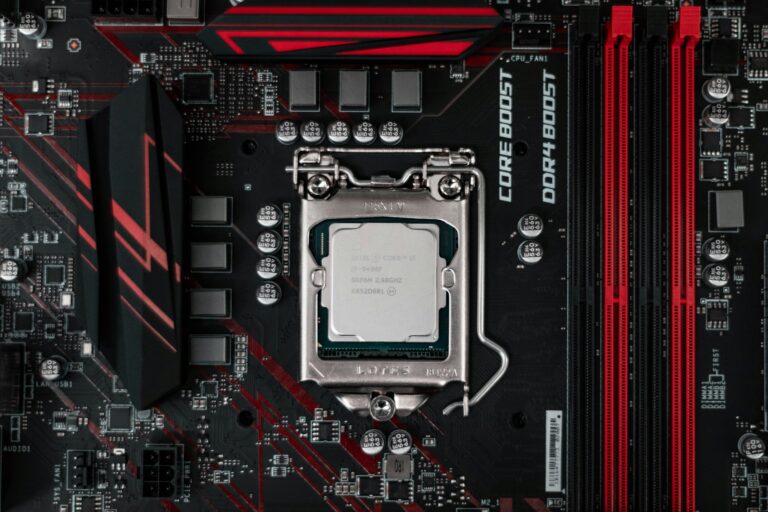
Intel Partners with Apple for Chip Production

- Government Investment Boost: The U.S. government announced an $8.9 billion investment in Intel on August 22, 2025, which catalyzed a stock rally of approximately 440%, reflecting market confidence in Intel's recovery.
- Apple Partnership Outlook: Intel has secured a deal with Apple to design and manufacture chips in the U.S., a significant development that could open new market opportunities for Intel, especially as nearly all of Apple's chip supply currently comes from TSMC.
- Valuation Caution: Intel's stock trades at a forward P/E of 123 and an 87 P/E based on 2027 earnings projections, indicating that substantial growth expectations are already priced in, warranting caution from investors.
- Competitive Landscape Shift: As Apple seeks to diversify its supply chain, Intel has the opportunity to enter the AI chip market, which could significantly enhance its market position and profitability if successful.
See More

A $10 Trillion Company on the Horizon
- Trillion-Dollar Company Prediction: Hedge fund manager Philippe Laffont forecasts that with global economic growth reaching $200 trillion in the next 15 years, a company capturing 5% of market cap could be valued at $10 trillion, highlighting significant market potential.
- Emerging Company Opportunities: Laffont suggests that the future trillion-dollar company could be either an established giant or a newcomer, emphasizing that the ongoing reshuffle in the market may create new investment opportunities, particularly in AI and technology sectors.
- GPU Market Competition: Despite fierce competition in the GPU market, Laffont notes that Nvidia's forward P/E ratio of 19.66 indicates it is relatively cheap, which may attract investor interest and reflects confidence in its future growth prospects.
- AI Infrastructure Investment: Analyst Paul Meeks highlights that AI infrastructure spending is expected to continue until 2028, stressing the importance of investing in upstream hardware supply chains, which could provide long-term returns for investors.
See More
Analysis of SpaceX's Stock Performance Post-IPO
- IPO Performance: SpaceX's IPO was priced at $135 per share, opening at $150 and rising to $155 by June 22, indicating an initial gain of over 20%, reflecting positive market sentiment regarding its future potential.
- Market Position: Currently the seventh-largest company globally with a market cap of $2 trillion, SpaceX's 2025 revenue is projected at $18.7 billion with an EBITDA of $6.6 billion, significantly lower than Amazon and TSMC, highlighting concerns over its high valuation.
- Revenue Source Analysis: The majority of SpaceX's revenue stems from its Starlink service, and while its rocketry business is ongoing, its future economic value growth hinges on successfully evolving into a true space exploration company, which is critical for attracting investor interest.
- Investor Decision Considerations: Investors must weigh whether to invest based on SpaceX's future potential or its near-term performance; those in favor of the former may find current prices appealing, while those focused on the latter might choose to wait.
See More
SpaceX's Financials and Size Mismatch
- IPO Performance Review: SpaceX's IPO was priced at $135 per share, opening at $150 and trading around $155 as of June 22, reflecting over a 20% increase from the offering price, which raises questions about the sustainability of this valuation amidst investor expectations for future growth.
- Market Position Analysis: Currently, SpaceX ranks as the seventh-largest company globally by market capitalization, trailing only Amazon and Taiwan Semiconductor, indicating a significant market presence, yet its relevance in the space exploration sector remains uncertain compared to these established giants, leading to cautious investor sentiment.
- Financial Data Comparison: In 2025, SpaceX reported revenues of $18.7 billion with an adjusted EBITDA of $6.6 billion, which starkly contrasts with the financial performance of Amazon and TSMC, highlighting concerns over SpaceX's profitability and raising red flags regarding its high valuation in the market.
- Investor Decision Considerations: Investors must decide whether to invest in SpaceX based on its future potential or its tangible short-term performance; if leaning towards the former, current prices may present a good entry point, but if favoring the latter, caution is advised regarding the stock's investment value.
See More
Nvidia Backs Three Strong Investment Picks
- Intel's Recovery Potential: After receiving investments from Nvidia and the U.S. government, Intel is gradually regaining its market position, with a significant deal to produce chips for Apple, which could enhance its competitive edge in the semiconductor industry.
- CoreWeave's Rapid Growth: CoreWeave achieved a remarkable 112% revenue growth in its AI cloud computing platform, with expectations of 147% growth this year, and despite currently being unprofitable, its backlog of nearly $100 billion indicates strong market demand.
- Nebius's Astonishing Growth: Nebius reported a staggering 684% revenue increase in Q1, with projections of 550% growth by 2026, highlighting its immense potential in the AI cloud computing space, further bolstered by Nvidia's investment.
- Nvidia's Investment Confidence: As a major client of Nvidia, the success of CoreWeave and Nebius not only reflects the booming AI market but also underscores Nvidia's strategic foresight in selecting investment targets, potentially yielding substantial returns for investors.
See More
Intel Secures Major Deal with Apple, Boosting Growth Prospects
- Intel Client Expansion: Intel has secured a deal to produce chips for Apple, marking its first major client acquisition after losing its dominant market position, which could help restore its competitive edge and attract further investments.
- CoreWeave's Rapid Growth: CoreWeave's cloud computing platform achieved a remarkable 112% revenue growth in Q1, with projections of 147% growth for 2023, indicating strong demand in the AI sector, although it remains unprofitable, its future potential is significant.
- Nebius's Astonishing Growth: Nebius reported a staggering 684% revenue increase in Q1, with expectations of 550% growth by 2026, showcasing its robust performance in the AI cloud computing market, bolstered by Nvidia's investment, enhancing its competitive position.
- Nvidia's Investment Confidence: Nvidia's investments in Intel, CoreWeave, and Nebius signal strong confidence in these companies, particularly against the backdrop of surging demand for AI computing resources, providing a compelling investment signal for investors.
See More
Intel Partners with Apple for Chip Production
- Government Investment Boost: The U.S. government announced an $8.9 billion investment in Intel on August 22, 2025, which catalyzed a stock rally of approximately 440%, reflecting market confidence in Intel's recovery.
- Apple Partnership Outlook: Intel has secured a deal with Apple to design and manufacture chips in the U.S., a significant development that could open new market opportunities for Intel, especially as nearly all of Apple's chip supply currently comes from TSMC.
- Valuation Caution: Intel's stock trades at a forward P/E of 123 and an 87 P/E based on 2027 earnings projections, indicating that substantial growth expectations are already priced in, warranting caution from investors.
- Competitive Landscape Shift: As Apple seeks to diversify its supply chain, Intel has the opportunity to enter the AI chip market, which could significantly enhance its market position and profitability if successful.
See More
A $10 Trillion Company on the Horizon
- Trillion-Dollar Company Prediction: Hedge fund manager Philippe Laffont forecasts that with global economic growth reaching $200 trillion in the next 15 years, a company capturing 5% of market cap could be valued at $10 trillion, highlighting significant market potential.
- Emerging Company Opportunities: Laffont suggests that the future trillion-dollar company could be either an established giant or a newcomer, emphasizing that the ongoing reshuffle in the market may create new investment opportunities, particularly in AI and technology sectors.
- GPU Market Competition: Despite fierce competition in the GPU market, Laffont notes that Nvidia's forward P/E ratio of 19.66 indicates it is relatively cheap, which may attract investor interest and reflects confidence in its future growth prospects.
- AI Infrastructure Investment: Analyst Paul Meeks highlights that AI infrastructure spending is expected to continue until 2028, stressing the importance of investing in upstream hardware supply chains, which could provide long-term returns for investors.
See More