Samsung in Talks with BYD for Autonomous Driving Chips
Written by Emily J. Thompson, Senior Investment Analyst
Updated: 2 days ago
0mins

Source: Yahoo Finance
- Collaboration Potential: Samsung Electronics' foundry business is in discussions with BYD and other Chinese automakers to manufacture autonomous driving system-on-chips based on 4nm and 2nm processes, highlighting the urgent demand for advanced production capabilities in the Chinese automotive sector.
- Market Competition: BYD recently unveiled China's first 4nm intelligent driving chip, the Xuanji A3, yet nearly all automotive OEMs, including the largest globally, lack the capability to produce state-of-the-art 4nm chips, further emphasizing Samsung's market opportunity.
- Technological Advantage: Samsung's 4nm process is viewed as having stable yields, while its 2nm technology has gained attention after Tesla selected Samsung to manufacture its next-generation AI6 chip, establishing a strong technical foundation for Samsung in the automotive electronics sector in China.
- Future Outlook: Should agreements be reached with Chinese automakers, Samsung's customer roster would expand beyond Nio, which already uses its 5nm process, and successful collaboration could pave the way for broader partnerships in AI and high-performance computing semiconductors, despite constraints from U.S. export controls.
Trade with 70% Backtested Accuracy
Stop guessing "Should I Buy TSM?" and start using high-conviction signals backed by rigorous historical data.
Sign up today to access powerful investing tools and make smarter, data-driven decisions.
Analyst Views on TSM
Wall Street analysts forecast TSM stock price to fall
8 Analyst Rating
7 Buy
1 Hold
0 Sell
Strong Buy
Current: 436.690

Low
63.24
Averages
313.46
High
390.00
Current: 436.690
Low
63.24
Averages
313.46
High
390.00
About TSM
Taiwan Semiconductor Manufacturing Co Ltd is a Taiwan-based integrated circuit foundry service provider. The Company is primarily engaged in integrated circuit manufacturing services. It offers advanced process technologies, specialised process solutions, advanced photomask and silicon stacking, and packaging-related technologies, while supporting a comprehensive design ecosystem. The Company's products serve diverse electronic sectors including artificial intelligence, high-performance computing, wired and wireless communications, automotive and industrial equipment, personal computing, information applications, consumer electronics, smart internet of things, and wearable devices.
About the author

Emily J. Thompson
Emily J. Thompson, a Chartered Financial Analyst (CFA) with 12 years in investment research, graduated with honors from the Wharton School. Specializing in industrial and technology stocks, she provides in-depth analysis for Intellectia’s earnings and market brief reports.

TSMC CEO: AI Chip Demand to Outpace Supply for Years

- AI Chip Demand Forecast: TSMC CEO C.C. Wei indicated that demand for AI chips will likely exceed global supply for years, creating favorable conditions for continued revenue growth, even with new manufacturing capacity in the U.S. unable to meet American customer needs.
- Sales Growth Outlook: Wei reiterated TSMC's forecast for over 30% sales growth this year, highlighting the company's critical role in the global AI industry by supplying cutting-edge semiconductors to clients like Nvidia and AMD.
- Employee Bonus Increase: In response to demands for profit sharing from the AI boom, TSMC announced an average bonus increase of over 30% for employees, which not only boosts morale but may also enhance the company's competitive position in the industry.
- Stock Price Volatility Impact: Despite the optimistic outlook, TSMC's shares fell 1% after customer Broadcom provided a disappointing forecast, indicating market sensitivity to short-term fluctuations that could affect investor confidence.
See More
TSMC CEO: AI Chip Demand Will Outpace Supply for Years
- Capacity Bottleneck: TSMC CEO C.C. Wei stated at the shareholder meeting that despite AI chip demand outpacing supply, the company will still be unable to meet American customer demands even after its U.S. manufacturing facilities become operational, indicating that production capacity constraints will impact market supply.
- Land Acquisition Strategy: The two plots of land acquired in Arizona are expected to satisfy TSMC's needs for the next decade, reflecting the company's strategic positioning to expand manufacturing capabilities to meet multi-year customer demand.
- Price Stability Strategy: Despite the supply-demand gap, Wei emphasized that TSMC will refrain from sudden price increases to maintain business stability, a strategy that may affect the company's pricing power in a highly competitive market.
- Investment Expansion: Under the U.S.-Taiwan trade pact, TSMC envisions building at least four more chipmaking plants on top of the six already planned, with total investments expected to reach $165 billion, demonstrating the company's strong confidence in future market demand.
See More

Analysis of ETF Investment Opportunities from Vanguard


- Vanguard's Investment Philosophy: Founded by John Bogle in 1975, Vanguard pioneered a low-fee, investor-friendly approach that democratized access to index funds, significantly lowering investment barriers and influencing the broader investment landscape.
- International Stock ETF Performance: The Vanguard Total International Stock Index Fund ETF (VXUS) holds 8,770 stocks and achieved a 33.04% annualized return over the past year, with a minimal expense ratio of 0.05% and a dividend yield of 2.7%, making it an ideal choice for navigating potential U.S. economic slowdowns.
- Tech Sector ETF Advantages: The Vanguard Information Technology Index Fund ETF (VGT) focuses on U.S. tech companies, boasting a remarkable 64.55% annualized return over the past year; despite a low dividend yield of 0.3%, its strong growth potential attracts investors, particularly in fast-growing sectors like AI and cloud computing.
- Stability of Value ETFs: The Vanguard Mega Cap Value Index Fund ETF (MGV) targets undervalued large-cap companies, delivering a 26.63% annualized return over the past year, with a low expense ratio of 0.05% and a 1.9% dividend yield, providing a margin of safety for risk-averse investors during market downturns.
See More

Middle East Tensions Impact Market Sentiment


- Market Sentiment Volatility: Investors are exercising caution due to escalating tensions in the Middle East, leading to a 0.3% rise in Dow futures and a 0.6% drop in Nasdaq futures, indicating market sensitivity to geopolitical risks ahead of labor market data.
- Poor Stock Performance: Despite positive analyst commentary, Broadcom and CrowdStrike saw their stock prices fall by 12% and 10% respectively, reflecting investor disappointment over future guidance, particularly as Broadcom reiterated long-term AI targets without raising forecasts.
- Chip Supply Shortage Outlook: TSMC CEO C.C. Wei stated at the annual shareholders' meeting that global chip supply will fall short of AI demand for years, even with new factories coming online, while maintaining a robust sales growth forecast of over 30%, highlighting strong industry demand.
- SpaceX IPO Plans: Elon Musk's SpaceX is preparing for a record-breaking $75 billion IPO, with JPMorgan CEO Jamie Dimon set to pitch this mega IPO to over 2,500 wealthy clients, underscoring ongoing investor enthusiasm for the space sector.
See More

Middle East Tensions Impact Market Volatility

- Escalating Middle East Tensions: Israeli Prime Minister Netanyahu stated that Israel and the U.S. are prepared to take military action against Iran if necessary, which pushed oil prices higher despite a ceasefire agreement with Lebanon, highlighting the complexity of the situation.
- U.S. Congressional Response: The U.S. House passed a war powers measure to end military involvement in Iran, reflecting growing congressional pushback against the scope and duration of the conflict, although the measure still needs Senate approval and could face a presidential veto.
- Corporate Earnings Impact: Broadcom's shares plummeted nearly 14% in after-hours trading due to weaker-than-expected software revenue and failure to raise its full-year AI chip sales target, negatively impacting Wall Street's recent tech-led rally.
- Bitcoin Market Dynamics: Long-term holders of Bitcoin have begun selling, with approximately $2.4 billion sold in the past two days, which could significantly affect Bitcoin's supply/demand balance, particularly as 26% of the sold Bitcoin was purchased above $90,000.
See More
India's Stock Market Faces Pressure from AI Competition

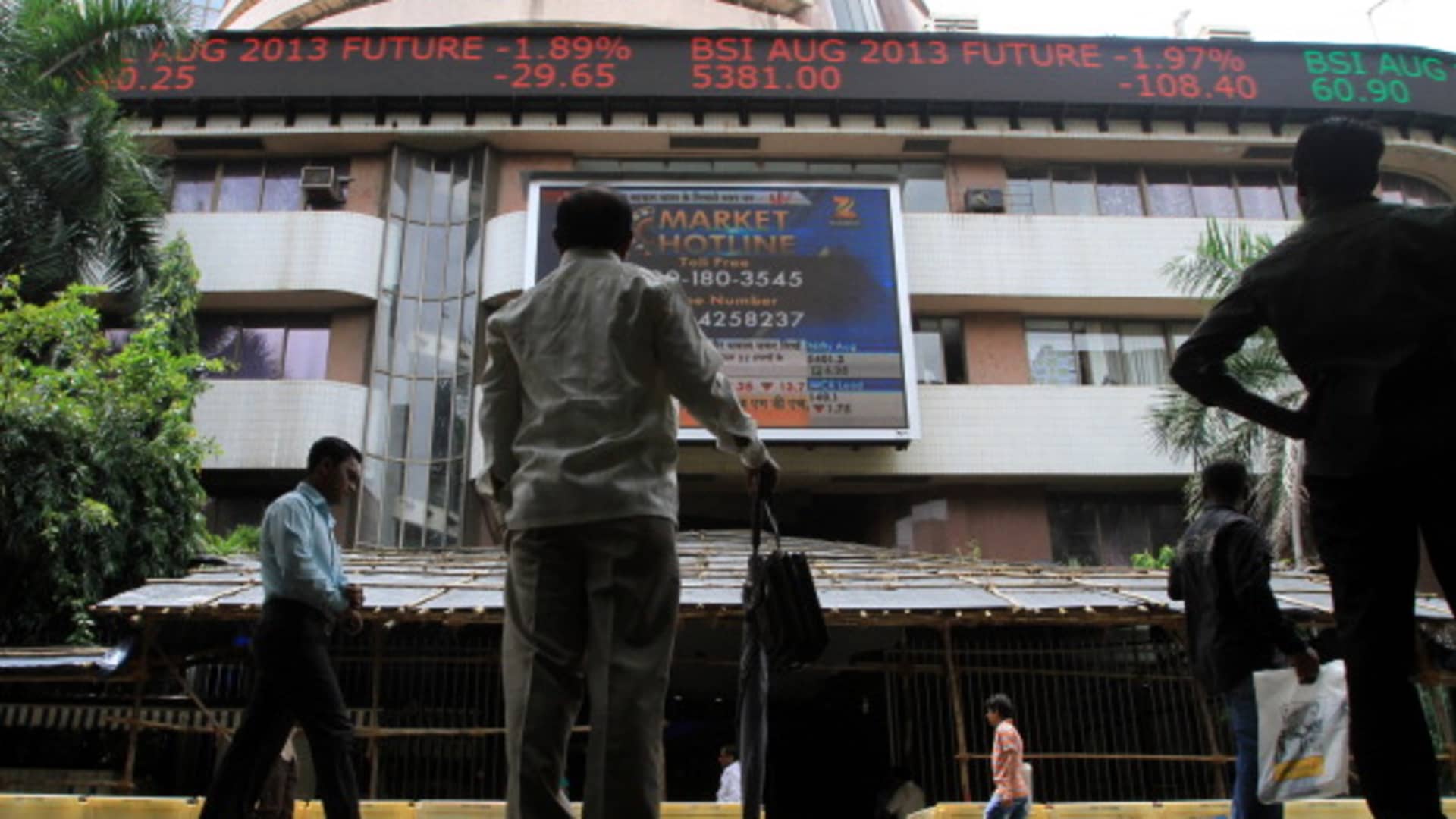
- Foreign Capital Outflow: Since January 2023, foreign investors have sold $27.6 billion worth of Indian equities, significantly surpassing the $18.9 billion sold in 2025, indicating a sharp decline in investor confidence that may lead to reduced future capital inflows.
- Market Ranking Reversal: As of May 2026, India's market capitalization has been surpassed by Taiwan and South Korea, with Taiwan's market cap nearing $5 trillion, forcing India to drop to seventh place, reflecting a diminishing competitive edge in the global market.
- Earnings Forecast Downgrade: Global brokerage Nomura has lowered its consensus earnings estimates for 256 top Indian companies by 4%, primarily due to the impact of the Middle East conflict, highlighting the weakening profitability of Indian firms that could further affect investor sentiment.
- Consumption Story Cracking: Indian households are facing high inflation and currency depreciation, leading to a decline in consumer spending that is expected to slow corporate earnings, with experts suggesting this will negatively impact the long-term growth outlook for the Indian economy.
See More
TSMC CEO: AI Chip Demand to Outpace Supply for Years
- AI Chip Demand Forecast: TSMC CEO C.C. Wei indicated that demand for AI chips will likely exceed global supply for years, creating favorable conditions for continued revenue growth, even with new manufacturing capacity in the U.S. unable to meet American customer needs.
- Sales Growth Outlook: Wei reiterated TSMC's forecast for over 30% sales growth this year, highlighting the company's critical role in the global AI industry by supplying cutting-edge semiconductors to clients like Nvidia and AMD.
- Employee Bonus Increase: In response to demands for profit sharing from the AI boom, TSMC announced an average bonus increase of over 30% for employees, which not only boosts morale but may also enhance the company's competitive position in the industry.
- Stock Price Volatility Impact: Despite the optimistic outlook, TSMC's shares fell 1% after customer Broadcom provided a disappointing forecast, indicating market sensitivity to short-term fluctuations that could affect investor confidence.
See More
TSMC CEO: AI Chip Demand Will Outpace Supply for Years
- Capacity Bottleneck: TSMC CEO C.C. Wei stated at the shareholder meeting that despite AI chip demand outpacing supply, the company will still be unable to meet American customer demands even after its U.S. manufacturing facilities become operational, indicating that production capacity constraints will impact market supply.
- Land Acquisition Strategy: The two plots of land acquired in Arizona are expected to satisfy TSMC's needs for the next decade, reflecting the company's strategic positioning to expand manufacturing capabilities to meet multi-year customer demand.
- Price Stability Strategy: Despite the supply-demand gap, Wei emphasized that TSMC will refrain from sudden price increases to maintain business stability, a strategy that may affect the company's pricing power in a highly competitive market.
- Investment Expansion: Under the U.S.-Taiwan trade pact, TSMC envisions building at least four more chipmaking plants on top of the six already planned, with total investments expected to reach $165 billion, demonstrating the company's strong confidence in future market demand.
See More
Analysis of ETF Investment Opportunities from Vanguard
- Vanguard's Investment Philosophy: Founded by John Bogle in 1975, Vanguard pioneered a low-fee, investor-friendly approach that democratized access to index funds, significantly lowering investment barriers and influencing the broader investment landscape.
- International Stock ETF Performance: The Vanguard Total International Stock Index Fund ETF (VXUS) holds 8,770 stocks and achieved a 33.04% annualized return over the past year, with a minimal expense ratio of 0.05% and a dividend yield of 2.7%, making it an ideal choice for navigating potential U.S. economic slowdowns.
- Tech Sector ETF Advantages: The Vanguard Information Technology Index Fund ETF (VGT) focuses on U.S. tech companies, boasting a remarkable 64.55% annualized return over the past year; despite a low dividend yield of 0.3%, its strong growth potential attracts investors, particularly in fast-growing sectors like AI and cloud computing.
- Stability of Value ETFs: The Vanguard Mega Cap Value Index Fund ETF (MGV) targets undervalued large-cap companies, delivering a 26.63% annualized return over the past year, with a low expense ratio of 0.05% and a 1.9% dividend yield, providing a margin of safety for risk-averse investors during market downturns.
See More
Middle East Tensions Impact Market Sentiment
- Market Sentiment Volatility: Investors are exercising caution due to escalating tensions in the Middle East, leading to a 0.3% rise in Dow futures and a 0.6% drop in Nasdaq futures, indicating market sensitivity to geopolitical risks ahead of labor market data.
- Poor Stock Performance: Despite positive analyst commentary, Broadcom and CrowdStrike saw their stock prices fall by 12% and 10% respectively, reflecting investor disappointment over future guidance, particularly as Broadcom reiterated long-term AI targets without raising forecasts.
- Chip Supply Shortage Outlook: TSMC CEO C.C. Wei stated at the annual shareholders' meeting that global chip supply will fall short of AI demand for years, even with new factories coming online, while maintaining a robust sales growth forecast of over 30%, highlighting strong industry demand.
- SpaceX IPO Plans: Elon Musk's SpaceX is preparing for a record-breaking $75 billion IPO, with JPMorgan CEO Jamie Dimon set to pitch this mega IPO to over 2,500 wealthy clients, underscoring ongoing investor enthusiasm for the space sector.
See More
Middle East Tensions Impact Market Volatility
- Escalating Middle East Tensions: Israeli Prime Minister Netanyahu stated that Israel and the U.S. are prepared to take military action against Iran if necessary, which pushed oil prices higher despite a ceasefire agreement with Lebanon, highlighting the complexity of the situation.
- U.S. Congressional Response: The U.S. House passed a war powers measure to end military involvement in Iran, reflecting growing congressional pushback against the scope and duration of the conflict, although the measure still needs Senate approval and could face a presidential veto.
- Corporate Earnings Impact: Broadcom's shares plummeted nearly 14% in after-hours trading due to weaker-than-expected software revenue and failure to raise its full-year AI chip sales target, negatively impacting Wall Street's recent tech-led rally.
- Bitcoin Market Dynamics: Long-term holders of Bitcoin have begun selling, with approximately $2.4 billion sold in the past two days, which could significantly affect Bitcoin's supply/demand balance, particularly as 26% of the sold Bitcoin was purchased above $90,000.
See More
India's Stock Market Faces Pressure from AI Competition
- Foreign Capital Outflow: Since January 2023, foreign investors have sold $27.6 billion worth of Indian equities, significantly surpassing the $18.9 billion sold in 2025, indicating a sharp decline in investor confidence that may lead to reduced future capital inflows.
- Market Ranking Reversal: As of May 2026, India's market capitalization has been surpassed by Taiwan and South Korea, with Taiwan's market cap nearing $5 trillion, forcing India to drop to seventh place, reflecting a diminishing competitive edge in the global market.
- Earnings Forecast Downgrade: Global brokerage Nomura has lowered its consensus earnings estimates for 256 top Indian companies by 4%, primarily due to the impact of the Middle East conflict, highlighting the weakening profitability of Indian firms that could further affect investor sentiment.
- Consumption Story Cracking: Indian households are facing high inflation and currency depreciation, leading to a decline in consumer spending that is expected to slow corporate earnings, with experts suggesting this will negatively impact the long-term growth outlook for the Indian economy.
See More