Samsung Electronics Q1 Profit Soars Eightfold Amid AI Boom
Written by Emily J. Thompson, Senior Investment Analyst
Updated: Apr 30 2026
0mins
Source: Newsfilter
- Profit Surge: Samsung Electronics reported an operating profit of 57.2 trillion won ($38.43 billion) for Q1, an eightfold increase year-over-year, driven by soaring chip prices amid an AI boom.
- Significant Revenue Growth: The company's revenue rose 69% to 133.9 trillion won compared to the previous year, reflecting a surge in demand for advanced memory chips, particularly for AI data centers.
- Optimistic Market Outlook: Samsung anticipates further earnings improvement in Q2, planning to continue investments in AI infrastructure, which is expected to drive memory chip prices higher and enhance its competitive position.
- Positive Stock Reaction: Following the earnings announcement, Samsung's shares rose by 1.3%, indicating market confidence in its robust performance and future growth potential.
Trade with 70% Backtested Accuracy
Stop guessing "Should I Buy NVDA?" and start using high-conviction signals backed by rigorous historical data.
Sign up today to access powerful investing tools and make smarter, data-driven decisions.
Analyst Views on NVDA
Wall Street analysts forecast NVDA stock price to rise
41 Analyst Rating
39 Buy
1 Hold
1 Sell
Strong Buy
Current: 218.660

Low
200.00
Averages
264.97
High
352.00
Current: 218.660
Low
200.00
Averages
264.97
High
352.00
About NVDA
NVIDIA Corporation is an artificial intelligence (AI) infrastructure company. The Company is engaged in accelerated computing to help solve the challenging computational problems. Its segments include Compute & Networking and Graphics. The Compute & Networking segment includes its Data Center accelerated computing and networking platforms and AI solutions and software, and automotive platforms and autonomous and electric vehicle solutions, including software. The Graphics segment includes GeForce GPUs for gaming and personal computers (PCs), and Quadro/NVIDIA RTX GPUs for enterprise workstation graphics. Its technology stack includes the foundational NVIDIA CUDA development platform that runs on all NVIDIA GPUs, as well as hundreds of domain-specific software libraries, frameworks, algorithms, software development kits (SDKs), and application programming interfaces (APIs). Its platforms address four markets, which include Data Center, Gaming, Professional Visualization, and Automotive.
About the author

Emily J. Thompson
Emily J. Thompson, a Chartered Financial Analyst (CFA) with 12 years in investment research, graduated with honors from the Wharton School. Specializing in industrial and technology stocks, she provides in-depth analysis for Intellectia’s earnings and market brief reports.

Nvidia's Stock Continues to Climb, Market Cap Reaches $5.3 Trillion

- Significant Stock Growth: As of June 4, Nvidia's stock has risen 17% in 2026, reaching a market cap of $5.3 trillion, indicating strong market performance and investor confidence.
- Remarkable Investment Returns: An investment of $10,000 in Nvidia a decade ago would now be worth nearly $1.9 million, yielding a staggering 18,720% return, far surpassing Bitcoin's 11,040% increase, highlighting its leadership in the AI sector.
- Strong Revenue Growth: Nvidia's revenue surged by 1,033% over the past three years, reflecting robust demand for its AI data center hardware and software, solidifying its market dominance.
- Excellent Profit Margins: In Q1 2027, Nvidia reported an operating margin of 65.6%, demonstrating its strong profitability in the rapidly growing AI market.
See More
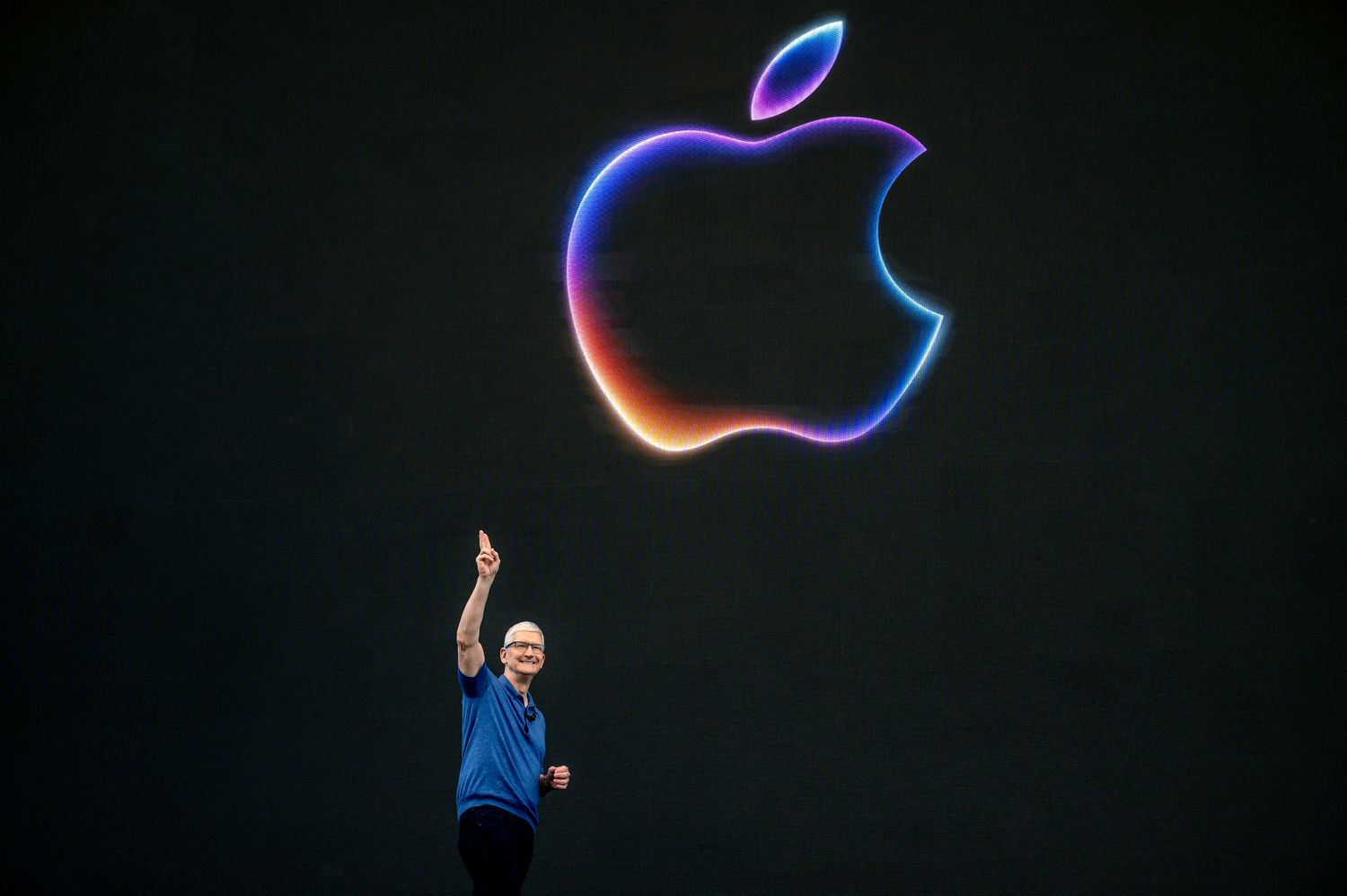
Three Stocks for Long-Term Income Investing
- Coca-Cola's Stability: The Coca-Cola Company (NYSE: KO), founded in 1892, boasts 32 brands generating over $1 billion in annual revenue, achieving a 7% organic growth rate over the past decade, indicating strong growth potential in emerging markets, while maintaining a 64-year streak of dividend increases, making it a favorite among income investors.
- NextEra Energy's Growth Potential: As the largest utility company by market cap, NextEra Energy (NYSE: NEE) serves approximately 12 million users through Florida Power & Light and anticipates a 6% dividend growth over the next two years, with plans to acquire Dominion Energy to solidify its market leadership, reflecting robust growth expectations amid rising AI demand.
- Realty Income's Consistent Returns: Realty Income (NYSE: O), the sixth-largest global REIT, owns 15,571 properties and has generated positive operational returns for 31 consecutive years, offering a dividend yield of 5.4% and paying monthly dividends, showcasing its growth potential in the European market.
- Investor Confidence in Longevity: These companies not only excel in their respective fields but also maintain stable dividend payments amid economic uncertainties, attracting numerous income investors, indicating that selecting these firms can effectively safeguard investment returns against inflation and recession risks.
See More

Investment Comparison: Nvidia vs. Sandisk

- Nvidia's Market Position: Nvidia's market cap has reached $5 trillion, establishing itself as the largest company globally due to its GPUs' extensive use in AI, indicating a strong dominance in the AI accelerator market with a bright future ahead.
- Sandisk's Growth Momentum: Sandisk's stock has skyrocketed by 4,500% over the past year, with analysts projecting a 332% year-over-year growth next quarter, showcasing its robust performance amid soaring data center demand, making it a new favorite among investors.
- Profitability Comparison: While Sandisk trades at a P/E ratio of 60, significantly higher than Nvidia's 34, its strong growth potential complicates valuation, requiring investors to carefully assess the impact of market supply-demand shifts on its future.
- Product Pricing Advantage: Nvidia can maintain a premium on its products, continuing to create competitive advantages, whereas Sandisk faces greater pricing pressure on its products, making Nvidia a more attractive long-term investment.
See More
Market Comparison: Nvidia vs Sandisk
- Market Performance Comparison: Sandisk's stock surged 4,500% over the past year, indicating strong growth in the memory chip market, while Nvidia's total return since 2020 matches this, showcasing competitive strength in their respective fields.
- Demand and Supply Dynamics: Sandisk's NAND memory demand has skyrocketed due to robust data center needs, with analysts projecting a 332% year-over-year growth next quarter, although Nvidia's 85% growth rate is also impressive, Sandisk's acceleration is more pronounced.
- Valuation Discrepancy Analysis: Sandisk currently trades at a P/E ratio of 60, significantly higher than Nvidia's 34, reflecting optimistic market expectations for its future growth, but also highlighting the cyclical risks inherent in its business model.
- Future Outlook: While Nvidia's leadership in AI allows it to maintain premium pricing on its products, Sandisk's rapid growth may attract more investor attention, especially if demand in the memory market remains strong.
See More

Assessment of Iran War After 100 Days and Market Reactions
- War Progress Assessment: The Iran war has crossed its 100-day mark, with the initial expectation of concluding in four to five weeks now appearing increasingly uncertain, as mixed messaging and stalled peace talks keep investors on edge, leading to notable market reactions.
- Market Volatility: The recent missile attack has caused U.S. futures to slip and oil prices to rise, with international benchmark Brent crude increasing by 2.34% to $93.09 and U.S. West Texas Intermediate futures climbing 2.19% to $90.54, reflecting the market's sensitivity to Middle Eastern tensions.
- Supply Chain Impact: Rising oil prices may affect consumer electronics pricing due to resin supply constraints, which are critical for manufacturing electronic devices like smartphones and AI servers, exacerbated by the shutdown of Saudi Arabia's Jubail petrochemical complex.
- New Tech Partnership: Nvidia has announced a multi-year technology partnership with South Korea's SK Hynix to co-develop memory for various Nvidia platforms, including supercomputers and robotic computing, indicating a strategic collaboration aimed at enhancing technological innovation and market competitiveness.
See More

SpaceX Sets IPO Price at $135, Aiming to Raise $75 Billion


- Record-Setting IPO: SpaceX's upcoming IPO is priced at $135 per share with plans to offer 555.6 million shares, aiming to raise $75 billion, which would be the largest IPO in history, significantly enhancing the company's capital base and funding future expansions.
- Strategic Acquisition Potential: The S-1 filing indicates that part of the IPO proceeds will be allocated for chip procurement from Nvidia and the construction of its Terafab facility, while also highlighting a strong interest in acquisitions, particularly a potential merger with Nokia, which could be crucial for building its AI platform.
- Technological Integration Advantage: By acquiring xAI and collaborating with Nvidia, SpaceX is constructing a vertically integrated tech stack, and a successful acquisition of Nokia would create seamless integration between terrestrial communications and low-Earth orbit broadband, fundamentally transforming how data flows.
- Enhanced Market Competitiveness: Nokia's AI-RAN platform enables real-time network optimization, and if SpaceX controls this infrastructure, it would not only compete in the telecommunications market but could also reshape the data intelligence ecosystem for enterprises and consumers globally, creating a competitive edge that is hard to replicate.
See More
Nvidia's Stock Continues to Climb, Market Cap Reaches $5.3 Trillion
- Significant Stock Growth: As of June 4, Nvidia's stock has risen 17% in 2026, reaching a market cap of $5.3 trillion, indicating strong market performance and investor confidence.
- Remarkable Investment Returns: An investment of $10,000 in Nvidia a decade ago would now be worth nearly $1.9 million, yielding a staggering 18,720% return, far surpassing Bitcoin's 11,040% increase, highlighting its leadership in the AI sector.
- Strong Revenue Growth: Nvidia's revenue surged by 1,033% over the past three years, reflecting robust demand for its AI data center hardware and software, solidifying its market dominance.
- Excellent Profit Margins: In Q1 2027, Nvidia reported an operating margin of 65.6%, demonstrating its strong profitability in the rapidly growing AI market.
See More
Three Stocks for Long-Term Income Investing
- Coca-Cola's Stability: The Coca-Cola Company (NYSE: KO), founded in 1892, boasts 32 brands generating over $1 billion in annual revenue, achieving a 7% organic growth rate over the past decade, indicating strong growth potential in emerging markets, while maintaining a 64-year streak of dividend increases, making it a favorite among income investors.
- NextEra Energy's Growth Potential: As the largest utility company by market cap, NextEra Energy (NYSE: NEE) serves approximately 12 million users through Florida Power & Light and anticipates a 6% dividend growth over the next two years, with plans to acquire Dominion Energy to solidify its market leadership, reflecting robust growth expectations amid rising AI demand.
- Realty Income's Consistent Returns: Realty Income (NYSE: O), the sixth-largest global REIT, owns 15,571 properties and has generated positive operational returns for 31 consecutive years, offering a dividend yield of 5.4% and paying monthly dividends, showcasing its growth potential in the European market.
- Investor Confidence in Longevity: These companies not only excel in their respective fields but also maintain stable dividend payments amid economic uncertainties, attracting numerous income investors, indicating that selecting these firms can effectively safeguard investment returns against inflation and recession risks.
See More
Investment Comparison: Nvidia vs. Sandisk
- Nvidia's Market Position: Nvidia's market cap has reached $5 trillion, establishing itself as the largest company globally due to its GPUs' extensive use in AI, indicating a strong dominance in the AI accelerator market with a bright future ahead.
- Sandisk's Growth Momentum: Sandisk's stock has skyrocketed by 4,500% over the past year, with analysts projecting a 332% year-over-year growth next quarter, showcasing its robust performance amid soaring data center demand, making it a new favorite among investors.
- Profitability Comparison: While Sandisk trades at a P/E ratio of 60, significantly higher than Nvidia's 34, its strong growth potential complicates valuation, requiring investors to carefully assess the impact of market supply-demand shifts on its future.
- Product Pricing Advantage: Nvidia can maintain a premium on its products, continuing to create competitive advantages, whereas Sandisk faces greater pricing pressure on its products, making Nvidia a more attractive long-term investment.
See More
Market Comparison: Nvidia vs Sandisk
- Market Performance Comparison: Sandisk's stock surged 4,500% over the past year, indicating strong growth in the memory chip market, while Nvidia's total return since 2020 matches this, showcasing competitive strength in their respective fields.
- Demand and Supply Dynamics: Sandisk's NAND memory demand has skyrocketed due to robust data center needs, with analysts projecting a 332% year-over-year growth next quarter, although Nvidia's 85% growth rate is also impressive, Sandisk's acceleration is more pronounced.
- Valuation Discrepancy Analysis: Sandisk currently trades at a P/E ratio of 60, significantly higher than Nvidia's 34, reflecting optimistic market expectations for its future growth, but also highlighting the cyclical risks inherent in its business model.
- Future Outlook: While Nvidia's leadership in AI allows it to maintain premium pricing on its products, Sandisk's rapid growth may attract more investor attention, especially if demand in the memory market remains strong.
See More
Assessment of Iran War After 100 Days and Market Reactions
- War Progress Assessment: The Iran war has crossed its 100-day mark, with the initial expectation of concluding in four to five weeks now appearing increasingly uncertain, as mixed messaging and stalled peace talks keep investors on edge, leading to notable market reactions.
- Market Volatility: The recent missile attack has caused U.S. futures to slip and oil prices to rise, with international benchmark Brent crude increasing by 2.34% to $93.09 and U.S. West Texas Intermediate futures climbing 2.19% to $90.54, reflecting the market's sensitivity to Middle Eastern tensions.
- Supply Chain Impact: Rising oil prices may affect consumer electronics pricing due to resin supply constraints, which are critical for manufacturing electronic devices like smartphones and AI servers, exacerbated by the shutdown of Saudi Arabia's Jubail petrochemical complex.
- New Tech Partnership: Nvidia has announced a multi-year technology partnership with South Korea's SK Hynix to co-develop memory for various Nvidia platforms, including supercomputers and robotic computing, indicating a strategic collaboration aimed at enhancing technological innovation and market competitiveness.
See More
SpaceX Sets IPO Price at $135, Aiming to Raise $75 Billion
- Record-Setting IPO: SpaceX's upcoming IPO is priced at $135 per share with plans to offer 555.6 million shares, aiming to raise $75 billion, which would be the largest IPO in history, significantly enhancing the company's capital base and funding future expansions.
- Strategic Acquisition Potential: The S-1 filing indicates that part of the IPO proceeds will be allocated for chip procurement from Nvidia and the construction of its Terafab facility, while also highlighting a strong interest in acquisitions, particularly a potential merger with Nokia, which could be crucial for building its AI platform.
- Technological Integration Advantage: By acquiring xAI and collaborating with Nvidia, SpaceX is constructing a vertically integrated tech stack, and a successful acquisition of Nokia would create seamless integration between terrestrial communications and low-Earth orbit broadband, fundamentally transforming how data flows.
- Enhanced Market Competitiveness: Nokia's AI-RAN platform enables real-time network optimization, and if SpaceX controls this infrastructure, it would not only compete in the telecommunications market but could also reshape the data intelligence ecosystem for enterprises and consumers globally, creating a competitive edge that is hard to replicate.
See More