Samsung Accelerates Semiconductor Investment to Meet AI Demand
Written by Emily J. Thompson, Senior Investment Analyst
Updated: Feb 04 2026
0mins


Should l Buy TSM?
Source: Benzinga
- Investment Acceleration: Samsung Electronics is ramping up investments in advanced semiconductor manufacturing to meet the surging global demand for high-performance chips, particularly driven by artificial intelligence workloads, thereby enhancing its market competitiveness.
- Yield Control: The company is prioritizing tighter control over production yields, aiming for leadership in next-generation foundry processes, especially at the 2-nanometer node, by collaborating with Invisix to improve yields, showcasing its technological foresight.
- Technological Breakthrough: The design of 2-nanometer chips utilizes Gate-All-Around (GAA) nanosheet transistors, moving beyond the limitations of FinFET technology, with the goal of delivering higher performance and lower power consumption than 3-nanometer and 7-nanometer nodes, thus facilitating faster data processing for AI and high-performance computing.
- Market Competition: In the context of Taiwan Semiconductor's aggressive move into 2-nanometer production, Samsung's investment strategy becomes particularly crucial, especially as Taiwan Semiconductor has already begun volume production of its 2-nanometer chips, positioning Samsung to gain a more advantageous position in the future market.
Trade with 70% Backtested Accuracy
Stop guessing "Should I Buy TSM?" and start using high-conviction signals backed by rigorous historical data.
Sign up today to access powerful investing tools and make smarter, data-driven decisions.
Analyst Views on TSM
Wall Street analysts forecast TSM stock price to fall
8 Analyst Rating
7 Buy
1 Hold
0 Sell
Strong Buy
Current: 341.490

Low
63.24
Averages
313.46
High
390.00
Current: 341.490
Low
63.24
Averages
313.46
High
390.00
About TSM
Taiwan Semiconductor Manufacturing Co Ltd is a Taiwan-based integrated circuit foundry service provider. The Company is primarily engaged in integrated circuit manufacturing services. It offers advanced process technologies, specialised process solutions, advanced photomask and silicon stacking, and packaging-related technologies, while supporting a comprehensive design ecosystem. The Company's products serve diverse electronic sectors including artificial intelligence, high-performance computing, wired and wireless communications, automotive and industrial equipment, personal computing, information applications, consumer electronics, smart internet of things, and wearable devices.
About the author

Emily J. Thompson
Emily J. Thompson, a Chartered Financial Analyst (CFA) with 12 years in investment research, graduated with honors from the Wharton School. Specializing in industrial and technology stocks, she provides in-depth analysis for Intellectia’s earnings and market brief reports.
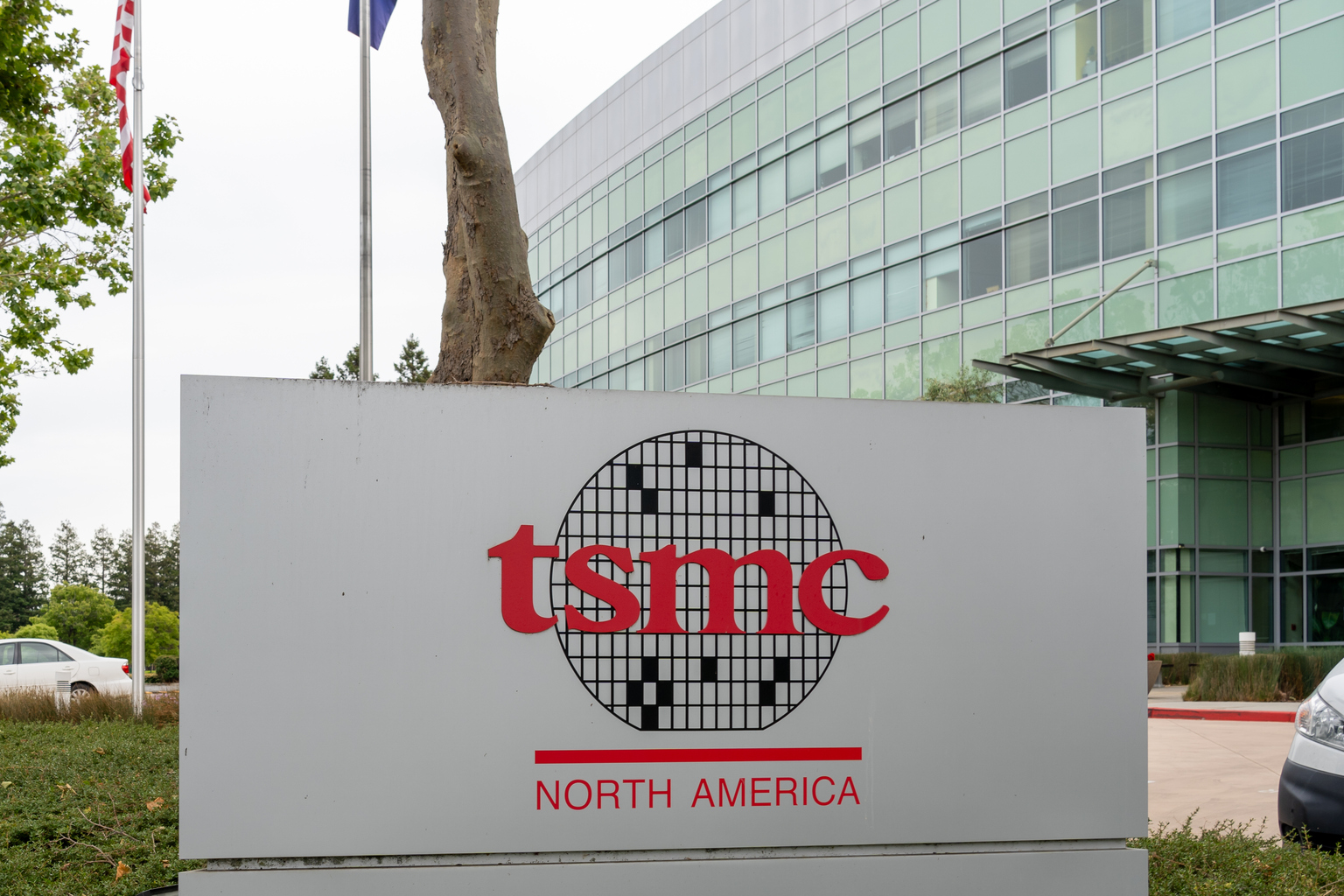
TSMC to Begin Mass Production of 3nm Chips in Japan by 2028

- Advanced Process Expansion: TSMC plans to start mass production of 3nm chips at its Kumamoto facility in Japan by 2028, targeting a monthly capacity of 15,000 12-inch wafers, marking Japan's first domestic production of 3nm chips and enhancing its competitiveness in high-performance computing and AI.
- Significant Investment: The investment for the second fab plant has reached $17 billion, primarily supported by substantial Japanese government subsidies, reflecting TSMC's commitment to the Japanese market and its strategy to diversify production amid geopolitical risks.
- Notable Technology Upgrade: The upgrade from the initially planned 6-12nm processes to the advanced 3nm technology significantly expands semiconductor manufacturing capabilities, addressing the surging demand for AI chips and laying the groundwork for future electronic products.
- Deepening Strategic Cooperation: The project's advancement is bolstered by the trust between Taiwan and Japan, with TSMC CEO CC Wei announcing the initiative during talks with Japan's PM Sanae Takaichi in 2026, further solidifying bilateral cooperation in the semiconductor sector.
See More
Semiconductor Stocks Lead AI Investment Surge

- Surging Market Demand: Taiwan Semiconductor expects the AI chip market to grow at a mid-to-high 50% CAGR from 2024 to 2029, planning to invest between $52 billion and $56 billion in capital expenditures in 2023 to meet rising demand, thereby solidifying its leadership in the AI sector.
- Memory Chip Outlook: Micron Technology anticipates the high-bandwidth memory market will expand from $35 billion to $100 billion between 2025 and 2028; despite price cooling due to Google's TurboQuant algorithm, the sustained demand for memory chips highlights its long-term investment value.
- Custom Chip Innovation: Broadcom focuses on designing custom AI chips, which are expected to generate over $100 billion in annual revenue by 2027, benefiting from the increasing demand for specific workloads in the AI industry, showcasing significant growth potential.
- GPU Market Leadership: Nvidia is projected to see a 71% revenue increase this year and 30% next year, with its stock trading at a forward P/E of only 20.2, close to the S&P 500's 20.4, indicating a rare investment opportunity that investors should not overlook.
See More

Semiconductor Sector Seizes Growth Opportunities Amid AI Demand
- Surging Market Demand: Taiwan Semiconductor expects the AI chip market to grow at a mid- to high-50% CAGR from 2024 to 2029, planning to invest $52 billion to $56 billion in capital expenditures in 2023, thereby solidifying its leadership position in the AI competition.
- Memory Chip Demand: Micron Technology anticipates the high-bandwidth memory market will expand from $35 billion to $100 billion between 2025 and 2028, and despite price cooling due to Google's TurboQuant algorithm, the strong demand for memory indicates significant investment potential in the coming years.
- Custom Chip Innovation: Broadcom is set to benefit from the skyrocketing demand for custom AI chips, with projections indicating these chips could generate over $100 billion annually by the end of 2027, highlighting Broadcom's substantial growth potential with its $68 billion annual revenue.
- GPU Market Dominance: Nvidia's revenue is projected to rise by 71% this year and 30% next year, with its stock trading at a forward P/E of only 20.2, close to the S&P 500's 20.4, indicating a rare investment opportunity that investors should not overlook.
See More

Semiconductor Stocks Face Supply and Geopolitical Risks
- Supply Chain Bottleneck: TSMC, holding a 72% share of the global semiconductor foundry market, faces limitations in AI chip supply due to energy disruptions and helium shortages, potentially hindering its ability to meet rising market demand and impacting its competitive position.
- Revenue Growth and Seasonal Fluctuations: In January 2026, TSMC's revenue surged 37% year-over-year, while February saw a 22% increase; however, February's revenue dropped 21% sequentially from January, primarily due to seasonal factors, indicating strong underlying AI demand.
- Rising Geopolitical Risks: The ongoing Iran conflict has disrupted global energy flows, with the Strait of Hormuz handling 20% of global oil and LNG shipments, posing a potential threat to TSMC's production as Taiwan relies on 95% energy imports.
- Future Outlook: TSMC is set to report March 2026 sales on April 10, and if it demonstrates the ability to meet global AI demand despite tightening supply conditions, it could positively influence investor confidence.
See More

TSMC Faces Supply Chain Challenges and Geopolitical Risks
- Market Share and Sales Data: TSMC holds a 72% share of the global foundry market and is set to report its March 2026 sales on April 10, which will provide investors with real-time insights into the company's ability to meet AI demand amid the ongoing Iran conflict.
- AI Demand Growth: In January 2026, TSMC's revenue surged 37% year-over-year, while February revenue grew 22% year-over-year, with combined revenue for January and February increasing nearly 30% year-over-year, indicating strong AI-driven demand, although February revenue fell 21% sequentially from January due to seasonal factors.
- Supply Chain Bottlenecks: Broadcom has flagged that capacity constraints at TSMC are emerging as a key bottleneck in the AI supply chain, as the surging demand for advanced chips increasingly restricts the speed at which that demand can be fulfilled.
- Geopolitical Risks: The ongoing Iran conflict has disrupted global energy flows, particularly through the Strait of Hormuz, affecting TSMC's production since Taiwan imports nearly 95% of its energy needs, with natural gas accounting for almost 48% of its electricity generation.
See More

Taiwan Semiconductor Not Among Top Investment Picks
- Investment Recommendation Omission: Despite being regarded as one of the best manufacturing companies globally, Taiwan Semiconductor Manufacturing was not included in The Motley Fool's latest list of top 10 stocks, indicating a cautious market sentiment regarding its future performance.
- Historical Return Comparison: The Motley Fool's Stock Advisor has achieved an average return of 914% since inception, significantly outperforming the S&P 500's 184%, suggesting the potential profitability of its recommended stocks, and Taiwan Semiconductor's absence may undermine investor confidence.
- Competitive Market Pressure: With the rise of AI technologies, the demand for semiconductors is increasing, and as an industry leader, Taiwan Semiconductor faces competitive pressures from companies like Nvidia and Intel, which could impact its market share and profitability.
- Investor Community Impact: The Motley Fool's emphasis on individual investors highlights the power of retail investors, and Taiwan Semiconductor's exclusion from the top picks may lead to a decline in attention among retail investors, potentially affecting its stock price performance.
See More
TSMC to Begin Mass Production of 3nm Chips in Japan by 2028
- Advanced Process Expansion: TSMC plans to start mass production of 3nm chips at its Kumamoto facility in Japan by 2028, targeting a monthly capacity of 15,000 12-inch wafers, marking Japan's first domestic production of 3nm chips and enhancing its competitiveness in high-performance computing and AI.
- Significant Investment: The investment for the second fab plant has reached $17 billion, primarily supported by substantial Japanese government subsidies, reflecting TSMC's commitment to the Japanese market and its strategy to diversify production amid geopolitical risks.
- Notable Technology Upgrade: The upgrade from the initially planned 6-12nm processes to the advanced 3nm technology significantly expands semiconductor manufacturing capabilities, addressing the surging demand for AI chips and laying the groundwork for future electronic products.
- Deepening Strategic Cooperation: The project's advancement is bolstered by the trust between Taiwan and Japan, with TSMC CEO CC Wei announcing the initiative during talks with Japan's PM Sanae Takaichi in 2026, further solidifying bilateral cooperation in the semiconductor sector.
See More
Semiconductor Stocks Lead AI Investment Surge
- Surging Market Demand: Taiwan Semiconductor expects the AI chip market to grow at a mid-to-high 50% CAGR from 2024 to 2029, planning to invest between $52 billion and $56 billion in capital expenditures in 2023 to meet rising demand, thereby solidifying its leadership in the AI sector.
- Memory Chip Outlook: Micron Technology anticipates the high-bandwidth memory market will expand from $35 billion to $100 billion between 2025 and 2028; despite price cooling due to Google's TurboQuant algorithm, the sustained demand for memory chips highlights its long-term investment value.
- Custom Chip Innovation: Broadcom focuses on designing custom AI chips, which are expected to generate over $100 billion in annual revenue by 2027, benefiting from the increasing demand for specific workloads in the AI industry, showcasing significant growth potential.
- GPU Market Leadership: Nvidia is projected to see a 71% revenue increase this year and 30% next year, with its stock trading at a forward P/E of only 20.2, close to the S&P 500's 20.4, indicating a rare investment opportunity that investors should not overlook.
See More
Semiconductor Sector Seizes Growth Opportunities Amid AI Demand
- Surging Market Demand: Taiwan Semiconductor expects the AI chip market to grow at a mid- to high-50% CAGR from 2024 to 2029, planning to invest $52 billion to $56 billion in capital expenditures in 2023, thereby solidifying its leadership position in the AI competition.
- Memory Chip Demand: Micron Technology anticipates the high-bandwidth memory market will expand from $35 billion to $100 billion between 2025 and 2028, and despite price cooling due to Google's TurboQuant algorithm, the strong demand for memory indicates significant investment potential in the coming years.
- Custom Chip Innovation: Broadcom is set to benefit from the skyrocketing demand for custom AI chips, with projections indicating these chips could generate over $100 billion annually by the end of 2027, highlighting Broadcom's substantial growth potential with its $68 billion annual revenue.
- GPU Market Dominance: Nvidia's revenue is projected to rise by 71% this year and 30% next year, with its stock trading at a forward P/E of only 20.2, close to the S&P 500's 20.4, indicating a rare investment opportunity that investors should not overlook.
See More
Semiconductor Stocks Face Supply and Geopolitical Risks
- Supply Chain Bottleneck: TSMC, holding a 72% share of the global semiconductor foundry market, faces limitations in AI chip supply due to energy disruptions and helium shortages, potentially hindering its ability to meet rising market demand and impacting its competitive position.
- Revenue Growth and Seasonal Fluctuations: In January 2026, TSMC's revenue surged 37% year-over-year, while February saw a 22% increase; however, February's revenue dropped 21% sequentially from January, primarily due to seasonal factors, indicating strong underlying AI demand.
- Rising Geopolitical Risks: The ongoing Iran conflict has disrupted global energy flows, with the Strait of Hormuz handling 20% of global oil and LNG shipments, posing a potential threat to TSMC's production as Taiwan relies on 95% energy imports.
- Future Outlook: TSMC is set to report March 2026 sales on April 10, and if it demonstrates the ability to meet global AI demand despite tightening supply conditions, it could positively influence investor confidence.
See More
TSMC Faces Supply Chain Challenges and Geopolitical Risks
- Market Share and Sales Data: TSMC holds a 72% share of the global foundry market and is set to report its March 2026 sales on April 10, which will provide investors with real-time insights into the company's ability to meet AI demand amid the ongoing Iran conflict.
- AI Demand Growth: In January 2026, TSMC's revenue surged 37% year-over-year, while February revenue grew 22% year-over-year, with combined revenue for January and February increasing nearly 30% year-over-year, indicating strong AI-driven demand, although February revenue fell 21% sequentially from January due to seasonal factors.
- Supply Chain Bottlenecks: Broadcom has flagged that capacity constraints at TSMC are emerging as a key bottleneck in the AI supply chain, as the surging demand for advanced chips increasingly restricts the speed at which that demand can be fulfilled.
- Geopolitical Risks: The ongoing Iran conflict has disrupted global energy flows, particularly through the Strait of Hormuz, affecting TSMC's production since Taiwan imports nearly 95% of its energy needs, with natural gas accounting for almost 48% of its electricity generation.
See More
Taiwan Semiconductor Not Among Top Investment Picks
- Investment Recommendation Omission: Despite being regarded as one of the best manufacturing companies globally, Taiwan Semiconductor Manufacturing was not included in The Motley Fool's latest list of top 10 stocks, indicating a cautious market sentiment regarding its future performance.
- Historical Return Comparison: The Motley Fool's Stock Advisor has achieved an average return of 914% since inception, significantly outperforming the S&P 500's 184%, suggesting the potential profitability of its recommended stocks, and Taiwan Semiconductor's absence may undermine investor confidence.
- Competitive Market Pressure: With the rise of AI technologies, the demand for semiconductors is increasing, and as an industry leader, Taiwan Semiconductor faces competitive pressures from companies like Nvidia and Intel, which could impact its market share and profitability.
- Investor Community Impact: The Motley Fool's emphasis on individual investors highlights the power of retail investors, and Taiwan Semiconductor's exclusion from the top picks may lead to a decline in attention among retail investors, potentially affecting its stock price performance.
See More