SA Inquires: Which energy ETF is currently the top choice?

Midstream Energy ETFs: Analysts suggest that midstream energy ETFs, particularly Tortoise North American Pipeline Fund ETF (TPYP), are currently better investments than upstream-focused ETFs like Alerian MLP ETF (AMLP) due to their stable cash flows and better performance in a low oil price environment.
Bearish Outlook on Crude Oil: Analyst Andrew Hecht expresses a bearish view on crude oil prices, citing U.S. energy policies and OPEC+ strategies, and recommends the leveraged ProShares UltraShort Bloomberg Crude Oil ETF (SCO) for those looking to capitalize on potential declines.
Skepticism Towards ETFs: Long Player shares a cautious perspective on ETFs, preferring to create personalized investment baskets instead, and warns that many ETFs can lead to losses during market downturns, particularly leveraged ones.
Market Trends and Inventory: The article notes a recent increase in crude inventory by 5.2 million barrels, indicating ongoing market fluctuations as October concludes.
Trade with 70% Backtested Accuracy
Analyst Views on SCO
About the author


IRAN STICKS TO HARDLINE POSITION—WAR WILL PERSIST, DISMISSES U.S. TIMELINE, RESPONDS COLDLY TO PROPOSAL, AND ASSERTS SOVEREIGNTY OVER THE STRAIT OF HORMUZ.


Iran's Stance on War: Iran maintains a hardline stance regarding ongoing conflicts, indicating that war will continue despite external pressures.
Rejection of U.S. Proposals: The Iranian government has rejected the U.S. timeline for negotiations and proposals related to regional security.
Response to U.S. Actions: Iran's leadership has issued a lukewarm response to U.S. proposals, signaling a lack of interest in compromise.
Demand for Sovereignty: Iran emphasizes its demand for sovereignty over the Strait of Hormuz, asserting its rights in the region amidst international tensions.
PRESIDENT DONALD TRUMP DESCRIBES INITIAL U.S.-IRAN DISCUSSIONS AS "EXCELLENT," STATING TEHRAN SEEKS PEACE AND HAS COMMITTED TO AVOIDING NUCLEAR WEAPONS.


Trump's Remarks on Talks: President Donald Trump described the preliminary U.S.-Iran talks as "very, very good."
Iran's Stance on Peace: Iran, represented by Tehran, expressed a desire for peace and has agreed not to pursue nuclear weapons.

Iran Cautions That Oil Prices Could Reach $200 Per Barrel If Energy Infrastructure Is Attacked: Report


Israeli Strikes on Iranian Facilities: Israel reportedly targeted a Tehran refinery, damaging oil storage sites and production transfer centers, while Iran's IRGC retaliated by attacking a commercial tanker in the Gulf and a fuel depot in Kuwait.
Rising Oil Prices: Oil prices surged above $100 per barrel for the first time since June 2022, with analysts warning they could reach $200 if the U.S. and Israel continue targeting Iran's oil facilities amid escalating Middle East conflict.
Saudi Arabia Cuts Oil Production: Saudi Arabia has begun cutting oil production, impacting global supply, while also diverting some shipments to alternative routes, although this cannot fully replace exports typically sent through the Strait of Hormuz.
France's Naval Deployment: France plans to deploy around a dozen naval vessels, including an aircraft carrier group, to the Mediterranean and Red Seas, aiming to support allies amid the ongoing Middle East conflict and ensure the security of maritime routes.
BARCLAYS: BRENT MAY REACH $120 PER BARREL


- Barclays Update: Barclays has indicated a potential test price of $120 for Brent crude oil.
- Market Implications: This price point could have significant implications for the oil market and related investments.
President Trump Expresses Discontent with Iran Negotiations, Claims They Aren't Committed Enough; No Enrichment, Not Even 20%

Trump's Stance on Iran: President Trump expressed dissatisfaction with Iran's negotiation approach, indicating that they are not willing to compromise significantly.
Concerns Over Enrichment: Trump emphasized that there should be no enrichment of uranium by Iran, reiterating a hardline stance on nuclear negotiations.
Frustration with Current Negotiations: He conveyed that the current state of negotiations with Iran is unsatisfactory and does not meet U.S. expectations.
Overall Sentiment: Trump's comments reflect a broader frustration with Iran's actions and the ongoing diplomatic efforts surrounding their nuclear program.
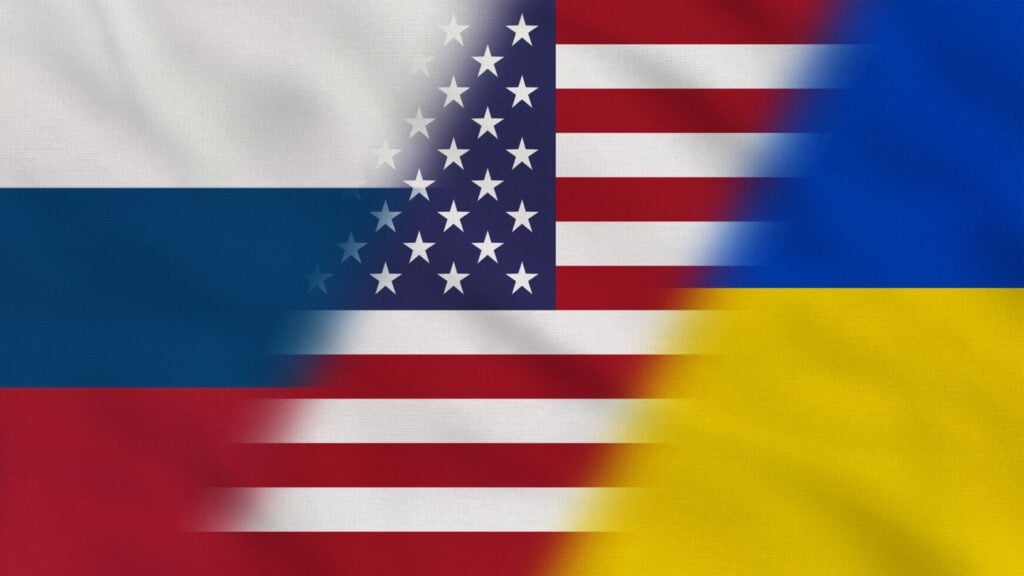
Russia Asserts Trump Administration Offered Ukrainian Land in Exchange for Peace, Oil Prices Drop

Moscow's Claims on Ukraine: Russian Foreign Minister Sergei Lavrov stated that the Trump administration acknowledged the need for Ukraine to surrender territories, including Crimea and Donbas, to finalize a truce, while emphasizing that NATO membership for Ukraine is unacceptable.
U.S. Diplomatic Efforts: Recent discussions in Berlin involved U.S. representatives urging Ukraine to accept a "platinum" security package in exchange for yielding land, with U.S. diplomats warning that such protections may not last indefinitely.
Ongoing Conflict: Despite claims of victory by Russia, Ukrainian forces are continuing their counter-offensive efforts, particularly near Kupyansk, while conflicting reports arise regarding naval engagements and the use of civilians as human shields.
Oil Market Impact: Oil prices have dropped to their lowest levels since 2021, influenced by peace negotiations between Russia and Ukraine, leading to significant declines in major commodity-tracking funds like the United States Oil Fund (USO).
IRAN STICKS TO HARDLINE POSITION—WAR WILL PERSIST, DISMISSES U.S. TIMELINE, RESPONDS COLDLY TO PROPOSAL, AND ASSERTS SOVEREIGNTY OVER THE STRAIT OF HORMUZ.
Iran's Stance on War: Iran maintains a hardline stance regarding ongoing conflicts, indicating that war will continue despite external pressures.
Rejection of U.S. Proposals: The Iranian government has rejected the U.S. timeline for negotiations and proposals related to regional security.
Response to U.S. Actions: Iran's leadership has issued a lukewarm response to U.S. proposals, signaling a lack of interest in compromise.
Demand for Sovereignty: Iran emphasizes its demand for sovereignty over the Strait of Hormuz, asserting its rights in the region amidst international tensions.
PRESIDENT DONALD TRUMP DESCRIBES INITIAL U.S.-IRAN DISCUSSIONS AS "EXCELLENT," STATING TEHRAN SEEKS PEACE AND HAS COMMITTED TO AVOIDING NUCLEAR WEAPONS.
Trump's Remarks on Talks: President Donald Trump described the preliminary U.S.-Iran talks as "very, very good."
Iran's Stance on Peace: Iran, represented by Tehran, expressed a desire for peace and has agreed not to pursue nuclear weapons.
Iran Cautions That Oil Prices Could Reach $200 Per Barrel If Energy Infrastructure Is Attacked: Report
Israeli Strikes on Iranian Facilities: Israel reportedly targeted a Tehran refinery, damaging oil storage sites and production transfer centers, while Iran's IRGC retaliated by attacking a commercial tanker in the Gulf and a fuel depot in Kuwait.
Rising Oil Prices: Oil prices surged above $100 per barrel for the first time since June 2022, with analysts warning they could reach $200 if the U.S. and Israel continue targeting Iran's oil facilities amid escalating Middle East conflict.
Saudi Arabia Cuts Oil Production: Saudi Arabia has begun cutting oil production, impacting global supply, while also diverting some shipments to alternative routes, although this cannot fully replace exports typically sent through the Strait of Hormuz.
France's Naval Deployment: France plans to deploy around a dozen naval vessels, including an aircraft carrier group, to the Mediterranean and Red Seas, aiming to support allies amid the ongoing Middle East conflict and ensure the security of maritime routes.
BARCLAYS: BRENT MAY REACH $120 PER BARREL
- Barclays Update: Barclays has indicated a potential test price of $120 for Brent crude oil.
- Market Implications: This price point could have significant implications for the oil market and related investments.
President Trump Expresses Discontent with Iran Negotiations, Claims They Aren't Committed Enough; No Enrichment, Not Even 20%
Trump's Stance on Iran: President Trump expressed dissatisfaction with Iran's negotiation approach, indicating that they are not willing to compromise significantly.
Concerns Over Enrichment: Trump emphasized that there should be no enrichment of uranium by Iran, reiterating a hardline stance on nuclear negotiations.
Frustration with Current Negotiations: He conveyed that the current state of negotiations with Iran is unsatisfactory and does not meet U.S. expectations.
Overall Sentiment: Trump's comments reflect a broader frustration with Iran's actions and the ongoing diplomatic efforts surrounding their nuclear program.
Russia Asserts Trump Administration Offered Ukrainian Land in Exchange for Peace, Oil Prices Drop
Moscow's Claims on Ukraine: Russian Foreign Minister Sergei Lavrov stated that the Trump administration acknowledged the need for Ukraine to surrender territories, including Crimea and Donbas, to finalize a truce, while emphasizing that NATO membership for Ukraine is unacceptable.
U.S. Diplomatic Efforts: Recent discussions in Berlin involved U.S. representatives urging Ukraine to accept a "platinum" security package in exchange for yielding land, with U.S. diplomats warning that such protections may not last indefinitely.
Ongoing Conflict: Despite claims of victory by Russia, Ukrainian forces are continuing their counter-offensive efforts, particularly near Kupyansk, while conflicting reports arise regarding naval engagements and the use of civilians as human shields.
Oil Market Impact: Oil prices have dropped to their lowest levels since 2021, influenced by peace negotiations between Russia and Ukraine, leading to significant declines in major commodity-tracking funds like the United States Oil Fund (USO).