Russia's Fertilizer Production Constraints Heighten Global Shortage Risks
Written by Emily J. Thompson, Senior Investment Analyst
Updated: Mar 07 2026
0mins
Should l Buy CF?
Source: seekingalpha
- Global Supply Shortage: The ongoing Middle East conflict has led to fertilizer plant shutdowns and disrupted shipping routes through the Strait of Hormuz, potentially causing a global fertilizer supply shortfall, with Russia, accounting for 20% of global fertilizer trade, facing constraints in its ability to increase output.
- Production Capacity Constraints: A recent Ukrainian drone attack on Dorogobuzh, one of Russia's largest fertilizer plants, has temporarily knocked out approximately 5% of the country's overall fertilizer production capacity, exacerbating the already tense global market situation.
- Ongoing Export Restrictions: Russia has maintained fertilizer export restrictions since 2021 to ensure sufficient domestic supply, a policy that has become increasingly critical in the current international context and may impact global food security.
- Significant Market Reaction: CF Industries emerged as the top gainer in the S&P 500 on Friday, with a 4.5% increase in stock price, reflecting the market's sensitivity to the tightening fertilizer supply situation, which also affects the stock performance of other related companies.
Trade with 70% Backtested Accuracy
Stop guessing "Should I Buy CF?" and start using high-conviction signals backed by rigorous historical data.
Sign up today to access powerful investing tools and make smarter, data-driven decisions.
Analyst Views on CF
Wall Street analysts forecast CF stock price to fall
11 Analyst Rating
2 Buy
7 Hold
2 Sell
Hold
Current: 127.980

Low
72.00
Averages
87.55
High
100.00
Current: 127.980
Low
72.00
Averages
87.55
High
100.00
About CF
CF Industries Holdings, Inc. is a global manufacturer of hydrogen and nitrogen products. The Company is focused on decarbonizing its ammonia production network to enable low-carbon hydrogen and nitrogen products for energy, fertilizer, emissions abatement and other industrial activities. The Company's segments include Ammonia, Granular Urea, UAN, AN and Other. Ammonia segment produces anhydrous ammonia (ammonia), which is the base product that it manufactures (containing 82% nitrogen and 18% hydrogen). Granular Urea segment produces granular urea, which contains 46% nitrogen. UAN segment produces urea ammonium nitrate solution (UAN). AN segment produces ammonium nitrate (AN). Other segment primarily includes products, such as diesel exhaust fluid (DEF), urea liquor and nitric acid. Its manufacturing complexes in the United States, Canada, and the United Kingdom, a storage, transportation and distribution network in North America, and logistics capabilities enable a global reach.
About the author

Emily J. Thompson
Emily J. Thompson, a Chartered Financial Analyst (CFA) with 12 years in investment research, graduated with honors from the Wharton School. Specializing in industrial and technology stocks, she provides in-depth analysis for Intellectia’s earnings and market brief reports.

Ukrainian Drone Strikes Hit Southern Russia's Infrastructure


- Infrastructure Under Attack: Ukrainian drone and missile strikes targeted critical industrial and maritime infrastructure in southern Russia, resulting in at least one fatality and multiple injuries, highlighting a direct threat to Russia's key logistics and chemical sectors.
- Port Logistics Disrupted: In Taganrog, a missile strike caused extensive damage to commercial infrastructure, specifically targeting a logistics company's warehouse, leading to a fire that necessitated emergency evacuations and further impacting the region's grain and industrial material exports.
- Chemical Sector Damaged: In the Samara region, a drone assault in Togliatti resulted in at least one industrial employee being injured, with eyewitness reports indicating large fires near two major chemical enterprises, demonstrating Ukraine's ongoing strategy to degrade Russia's fertilizer and synthetic rubber production capabilities.
- Air Transport Affected: The chaos caused by the attacks forced a temporary suspension of operations at Samara airport, exacerbating transportation and logistics issues in the region and raising concerns about the safety of commercial shipping lanes.
See More

Tesla's Deliveries Fall Short of Expectations, Shares Drop


- Tesla Delivery Decline: Tesla reported first-quarter deliveries of 358,000 vehicles, a 14% drop from the previous quarter and below the expected 370,000, leading to a 4% decline in stock price, indicating market concerns over its growth outlook.
- Nike's Bleak Sales Outlook: Nike anticipates a 20% decline in sales in China for the current quarter, resulting in a more than 2% drop in stock price, highlighting increasing challenges the company faces in the global market that could impact future profitability.
- Globalstar Stock Surge: Globalstar shares rose 9% following reports that Amazon is in talks to acquire the company, although Amazon declined to comment, the optimism surrounding the potential acquisition boosted the stock price significantly.
- Penguin Solutions Earnings Beat: Penguin Solutions reported adjusted earnings of 52 cents per share, exceeding the analyst consensus of 42 cents, with revenue of $343 million surpassing expectations, reflecting strong performance in the computing and memory markets, resulting in a 13% stock price increase.
See More
Iran War Triggers Surge in U.S. Food Prices Ahead of Elections


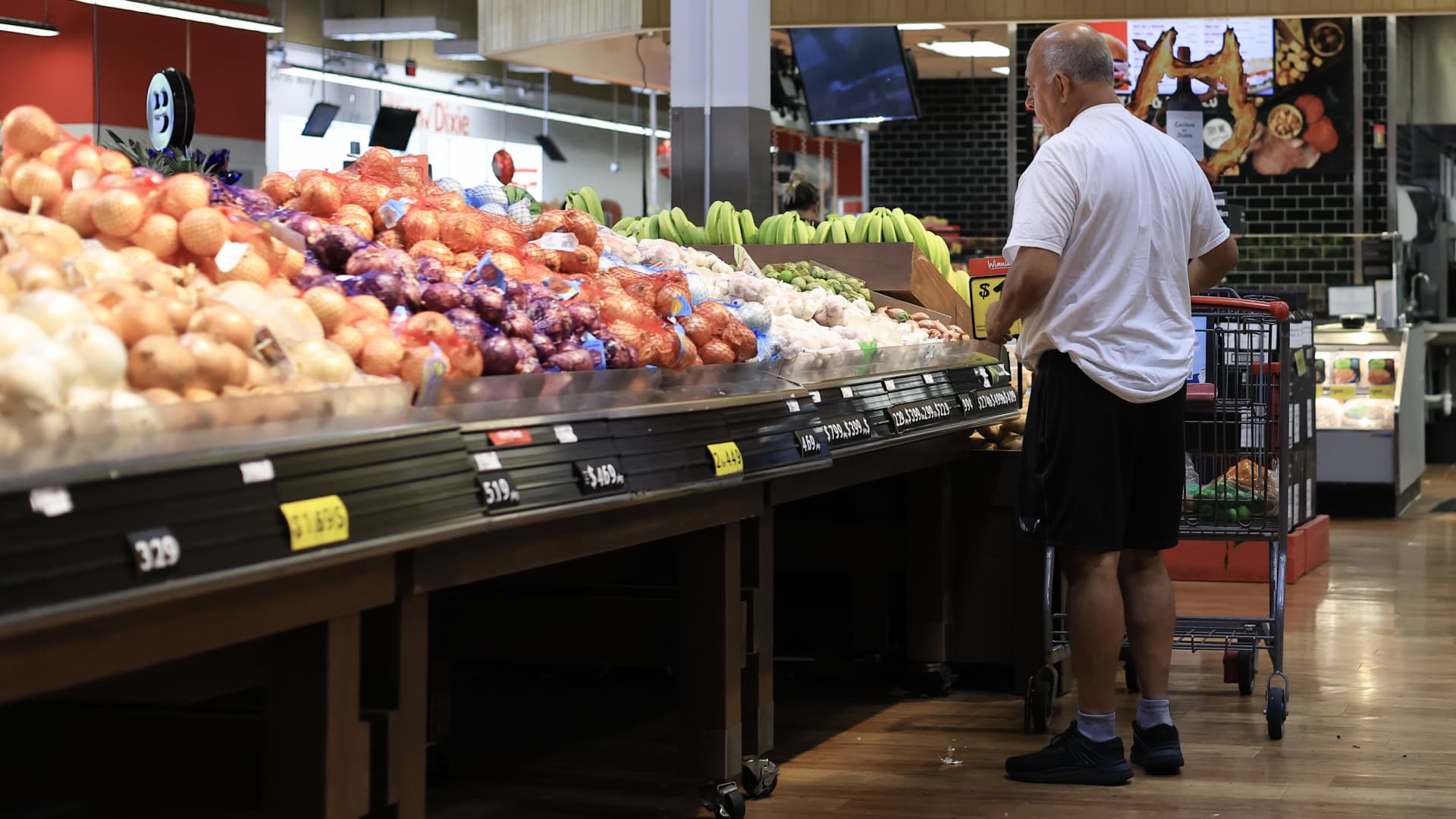
- Food Price Surge: The Iran war has led to soaring oil prices, which are expected to significantly increase food prices in the U.S., impacting voter perceptions ahead of the midterm elections, particularly as the Trump administration faces economic pressures.
- Voter Reaction: Democrats are capitalizing on rising food prices by blaming Trump's war decisions, believing this will affect voter support for Republicans, especially as economic burdens increase.
- Supply Chain Challenges: The costs of food production and transportation are rising due to increased oil and fertilizer prices, with new crops planted this season likely to see higher market prices at harvest time in the fall, exacerbating consumer economic pressures.
- Rising Plastic Costs: The price of plastics needed for food packaging is increasing due to tight natural gas supplies, leading to higher transportation and storage costs for fresh produce, which may drive consumer prices up further in the coming months.
See More

Trump's Address Triggers Market Volatility


- War Progress Update: In his national address, Trump claimed unprecedented victories in the U.S. campaign dubbed 'Operation Epic Fury,' while forecasting the conflict to last another two to three weeks, heightening market concerns about future developments.
- Oil Price Surge: Following the speech, international benchmark Brent crude futures rose nearly 6%, with Trump attributing the price increase to Iranian attacks on commercial oil tankers, illustrating the direct impact of geopolitical tensions on energy markets.
- Negative Market Reaction: Asia-Pacific markets broadly declined after Trump's address, with major indices such as Hong Kong's Hang Seng, Japan's Nikkei 225, South Korea's Kospi, and Australia's S&P/ASX 200 all retreating, reflecting investor unease about the future situation.
- Escalating Tensions with Iran: Trump threatened that the U.S. would continue to strike Iran hard unless the Strait of Hormuz is 'open, free, and clear,' indicating a worsening relationship between the U.S. and Iran that could affect global energy supplies.
See More

U.S. Markets Rise on Optimism Over Middle East Situation
- Market Optimism: All three major U.S. indexes rose on Wednesday, with the S&P 500 and Nasdaq Composite gaining 0.72% and 1.16%, respectively, while the Dow Jones Industrial Average increased by 224.23 points or 0.48%, reflecting heightened investor optimism regarding a potential end to the U.S.-Iran war.
- Trump's Address Anticipation: President Trump is expected to address the nation at 9 p.m. ET tonight to provide updates on the Iran ceasefire talks, with market participants closely monitoring the speech for potential impacts on stock prices.
- Iran's Response: Despite Trump's claim that Iran's new regime requested a ceasefire, Iranian officials denied this request, stating that there are currently no negotiations, which adds complexity and uncertainty to the situation and could affect market sentiment.
- Tech Company Developments: SpaceX has confidentially filed for an IPO, setting the stage for a record offering, following a significant funding round for OpenAI, indicating strong activity and investor confidence in the tech sector, which may drive related stock prices higher.
See More
Investment Protection Strategies Amid Persian Gulf Conflict


- Oil and Gas Stock Opportunities: Amid the ongoing conflict in the Persian Gulf, companies like Devon Energy and Diamondback Energy, focused on U.S. oil production, present attractive investment options due to rising oil prices, especially considering pre-conflict price levels, making them ideal for risk management.
- Refining Sector Benefits: With the 3-2-1 crack spread soaring from $20 at the start of the year to $54, refining companies like Valero Energy and PBF Energy are set to benefit from this trend, provided that demand for transportation products does not suffer due to high prices.
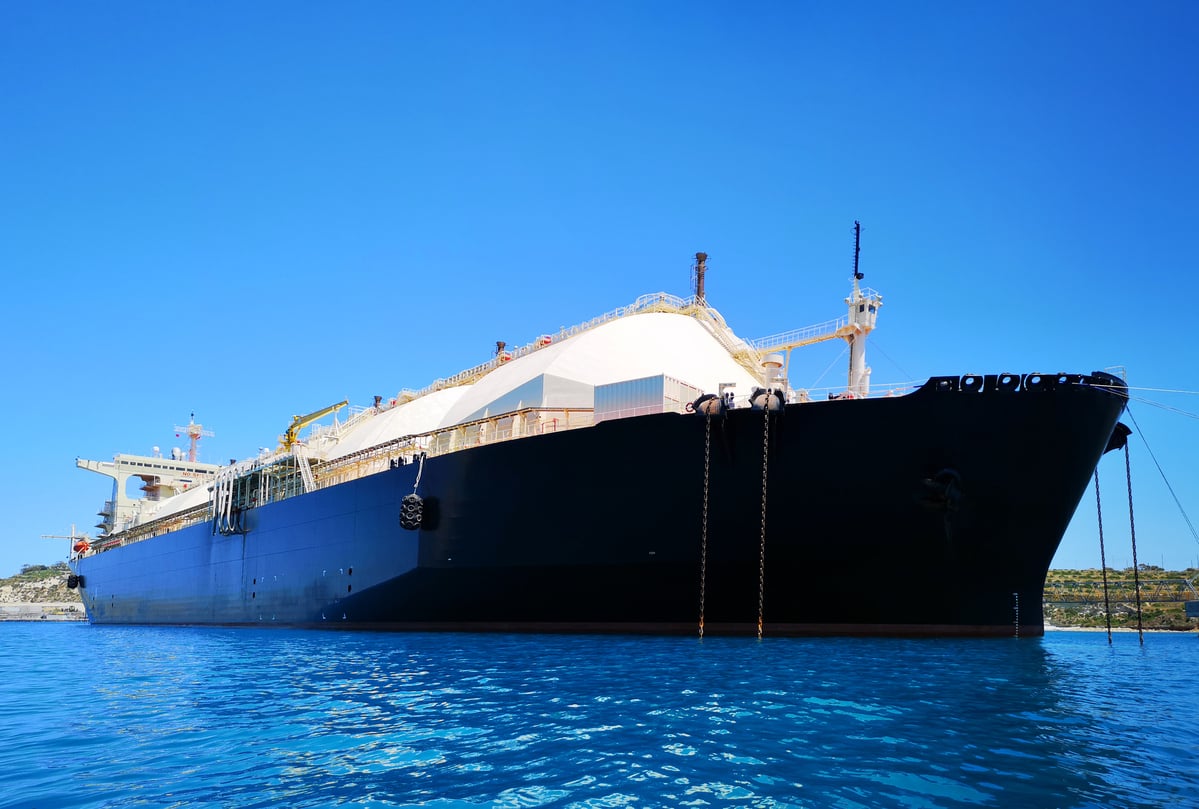
- LNG Supply Gap: The International Energy Agency notes that 34% of global crude oil trade and 20% of LNG trade pass through the Strait of Hormuz, with companies like Woodside Energy and Cheniere Energy positioned to fill the supply gap created by the blockade, particularly for Asian markets.
- Shipping and Fertilizer Sector Outlook: Flex LNG is poised to benefit from increased LNG shipping demand, while CF Industries, as a U.S.-focused fertilizer producer, will leverage its manufacturing facilities in the West and U.S. gas supply to fill the global fertilizer flow gap.
See More
Ukrainian Drone Strikes Hit Southern Russia's Infrastructure
- Infrastructure Under Attack: Ukrainian drone and missile strikes targeted critical industrial and maritime infrastructure in southern Russia, resulting in at least one fatality and multiple injuries, highlighting a direct threat to Russia's key logistics and chemical sectors.
- Port Logistics Disrupted: In Taganrog, a missile strike caused extensive damage to commercial infrastructure, specifically targeting a logistics company's warehouse, leading to a fire that necessitated emergency evacuations and further impacting the region's grain and industrial material exports.
- Chemical Sector Damaged: In the Samara region, a drone assault in Togliatti resulted in at least one industrial employee being injured, with eyewitness reports indicating large fires near two major chemical enterprises, demonstrating Ukraine's ongoing strategy to degrade Russia's fertilizer and synthetic rubber production capabilities.
- Air Transport Affected: The chaos caused by the attacks forced a temporary suspension of operations at Samara airport, exacerbating transportation and logistics issues in the region and raising concerns about the safety of commercial shipping lanes.
See More
Tesla's Deliveries Fall Short of Expectations, Shares Drop
- Tesla Delivery Decline: Tesla reported first-quarter deliveries of 358,000 vehicles, a 14% drop from the previous quarter and below the expected 370,000, leading to a 4% decline in stock price, indicating market concerns over its growth outlook.
- Nike's Bleak Sales Outlook: Nike anticipates a 20% decline in sales in China for the current quarter, resulting in a more than 2% drop in stock price, highlighting increasing challenges the company faces in the global market that could impact future profitability.
- Globalstar Stock Surge: Globalstar shares rose 9% following reports that Amazon is in talks to acquire the company, although Amazon declined to comment, the optimism surrounding the potential acquisition boosted the stock price significantly.
- Penguin Solutions Earnings Beat: Penguin Solutions reported adjusted earnings of 52 cents per share, exceeding the analyst consensus of 42 cents, with revenue of $343 million surpassing expectations, reflecting strong performance in the computing and memory markets, resulting in a 13% stock price increase.
See More
Iran War Triggers Surge in U.S. Food Prices Ahead of Elections
- Food Price Surge: The Iran war has led to soaring oil prices, which are expected to significantly increase food prices in the U.S., impacting voter perceptions ahead of the midterm elections, particularly as the Trump administration faces economic pressures.
- Voter Reaction: Democrats are capitalizing on rising food prices by blaming Trump's war decisions, believing this will affect voter support for Republicans, especially as economic burdens increase.
- Supply Chain Challenges: The costs of food production and transportation are rising due to increased oil and fertilizer prices, with new crops planted this season likely to see higher market prices at harvest time in the fall, exacerbating consumer economic pressures.
- Rising Plastic Costs: The price of plastics needed for food packaging is increasing due to tight natural gas supplies, leading to higher transportation and storage costs for fresh produce, which may drive consumer prices up further in the coming months.
See More
Trump's Address Triggers Market Volatility
- War Progress Update: In his national address, Trump claimed unprecedented victories in the U.S. campaign dubbed 'Operation Epic Fury,' while forecasting the conflict to last another two to three weeks, heightening market concerns about future developments.
- Oil Price Surge: Following the speech, international benchmark Brent crude futures rose nearly 6%, with Trump attributing the price increase to Iranian attacks on commercial oil tankers, illustrating the direct impact of geopolitical tensions on energy markets.
- Negative Market Reaction: Asia-Pacific markets broadly declined after Trump's address, with major indices such as Hong Kong's Hang Seng, Japan's Nikkei 225, South Korea's Kospi, and Australia's S&P/ASX 200 all retreating, reflecting investor unease about the future situation.
- Escalating Tensions with Iran: Trump threatened that the U.S. would continue to strike Iran hard unless the Strait of Hormuz is 'open, free, and clear,' indicating a worsening relationship between the U.S. and Iran that could affect global energy supplies.
See More
U.S. Markets Rise on Optimism Over Middle East Situation
- Market Optimism: All three major U.S. indexes rose on Wednesday, with the S&P 500 and Nasdaq Composite gaining 0.72% and 1.16%, respectively, while the Dow Jones Industrial Average increased by 224.23 points or 0.48%, reflecting heightened investor optimism regarding a potential end to the U.S.-Iran war.
- Trump's Address Anticipation: President Trump is expected to address the nation at 9 p.m. ET tonight to provide updates on the Iran ceasefire talks, with market participants closely monitoring the speech for potential impacts on stock prices.
- Iran's Response: Despite Trump's claim that Iran's new regime requested a ceasefire, Iranian officials denied this request, stating that there are currently no negotiations, which adds complexity and uncertainty to the situation and could affect market sentiment.
- Tech Company Developments: SpaceX has confidentially filed for an IPO, setting the stage for a record offering, following a significant funding round for OpenAI, indicating strong activity and investor confidence in the tech sector, which may drive related stock prices higher.
See More
Investment Protection Strategies Amid Persian Gulf Conflict
- Oil and Gas Stock Opportunities: Amid the ongoing conflict in the Persian Gulf, companies like Devon Energy and Diamondback Energy, focused on U.S. oil production, present attractive investment options due to rising oil prices, especially considering pre-conflict price levels, making them ideal for risk management.
- Refining Sector Benefits: With the 3-2-1 crack spread soaring from $20 at the start of the year to $54, refining companies like Valero Energy and PBF Energy are set to benefit from this trend, provided that demand for transportation products does not suffer due to high prices.
- LNG Supply Gap: The International Energy Agency notes that 34% of global crude oil trade and 20% of LNG trade pass through the Strait of Hormuz, with companies like Woodside Energy and Cheniere Energy positioned to fill the supply gap created by the blockade, particularly for Asian markets.
- Shipping and Fertilizer Sector Outlook: Flex LNG is poised to benefit from increased LNG shipping demand, while CF Industries, as a U.S.-focused fertilizer producer, will leverage its manufacturing facilities in the West and U.S. gas supply to fill the global fertilizer flow gap.
See More