Rocket Lab Completes Equity Offering Program, Shares Rise
Written by Emily J. Thompson, Senior Investment Analyst
Updated: 3 days ago
0mins
Should l Buy RKLB?
Source: Yahoo Finance
- Significant Financing: Rocket Lab completed an at-the-market equity offering of approximately 6.7 million shares, generating about $474 million in gross proceeds, which will be utilized for future growth and potential acquisitions, indicating the company's proactive approach to business expansion.
- Complex Transaction Structure: The company also entered into collared forward transactions involving about 7.5 million shares, with minimum expected proceeds of approximately $474 million and maximum proceeds of about $642 million, providing flexible funding options for the company.
- Positive Market Reaction: Following the completion of the offering, Rocket Lab's shares rose by about 5%, reflecting investor confidence in the company's future growth potential, which aligns with the broader strength in equity markets.
- Clear Strategic Planning: The offering program was initiated with a prospectus supplement filed on March 17, 2026, with an aggregate offering price of up to $1 billion, demonstrating the company's proactive positioning in the capital markets to ensure sufficient funding for future expansion and operations.
Trade with 70% Backtested Accuracy
Stop guessing "Should I Buy RKLB?" and start using high-conviction signals backed by rigorous historical data.
Sign up today to access powerful investing tools and make smarter, data-driven decisions.
Analyst Views on RKLB
Wall Street analysts forecast RKLB stock price to rise
11 Analyst Rating
7 Buy
4 Hold
0 Sell
Moderate Buy
Current: 66.740

Low
63.00
Averages
86.89
High
120.00
Current: 66.740
Low
63.00
Averages
86.89
High
120.00
About RKLB
Rocket Lab Corporation is an end-to-end space company. The Company designs and manufactures small and medium-class rockets, spacecraft and spacecraft components, and related software and services to support the space economy. The Company delivers reliable launch services, satellite manufacture, spacecraft design services, spacecraft components, spacecraft manufacturing, and other spacecraft and on-orbit management solutions that make it easier to access space. Its Launch Services segment provides launch and launch-related services to customers on a dedicated mission or ride-share basis. Its Space Systems segment comprises the design and manufacture of spacecraft components and spacecraft program management services, space data applications, and mission operations. Its space systems solutions are the building blocks for spacecraft, which include composite structures, reaction wheels, star trackers, solar solutions, radios, separation systems, and command and control spacecraft software.
About the author

Emily J. Thompson
Emily J. Thompson, a Chartered Financial Analyst (CFA) with 12 years in investment research, graduated with honors from the Wharton School. Specializing in industrial and technology stocks, she provides in-depth analysis for Intellectia’s earnings and market brief reports.
Rocket Lab Signs Multi-Launch Deal with iQPS

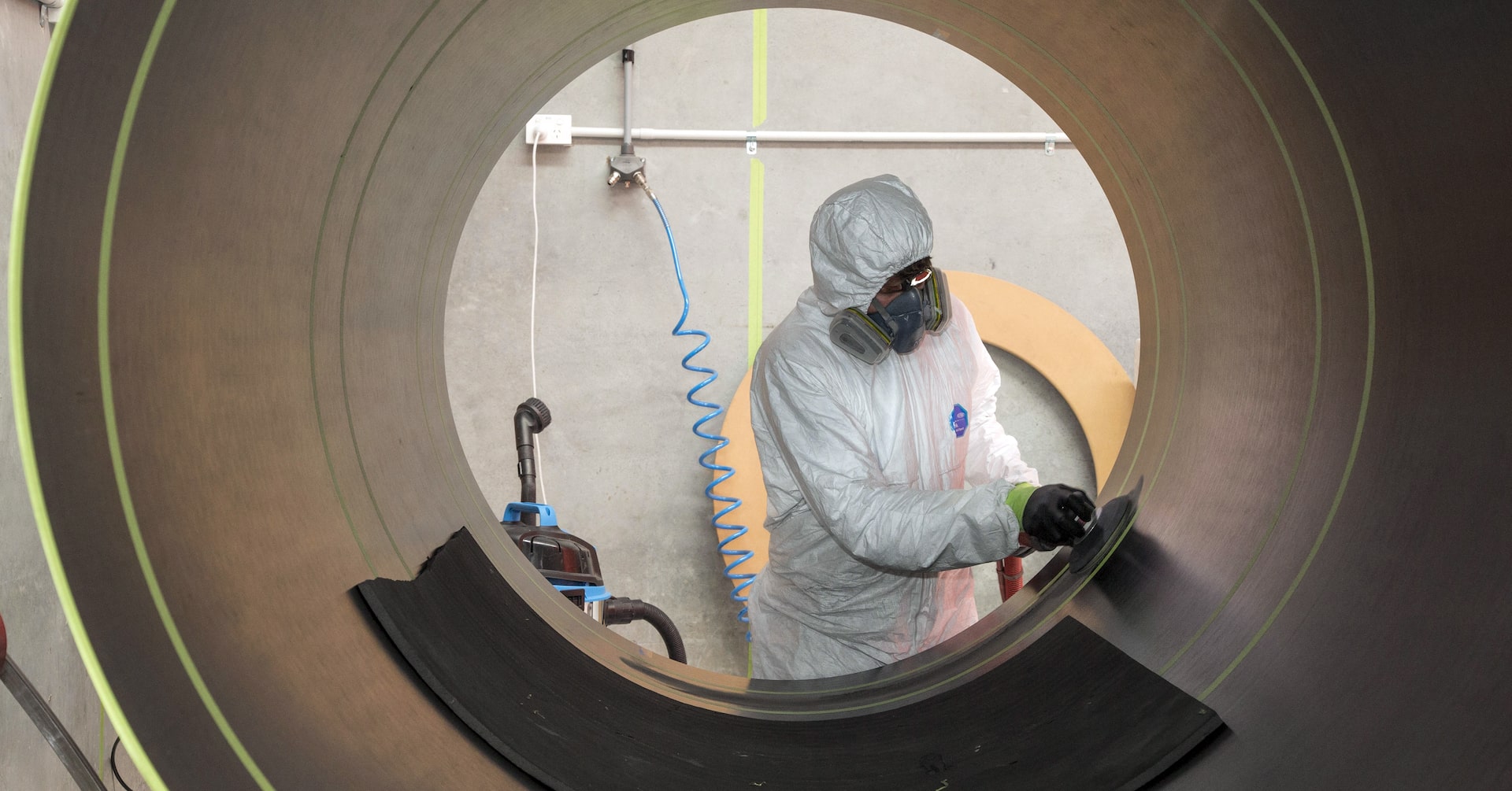
- Strengthened Partnership: Rocket Lab has signed a new multi-launch agreement with iQPS, planning three dedicated Electron launches from New Zealand in 2028, bringing the total to 15 launches and reinforcing Rocket Lab's position as iQPS's primary launch provider.
- Maintained Success Rate: Since 2023, Rocket Lab has successfully completed seven launches with a 100% mission success rate, showcasing Electron's leading role in deploying small satellite constellations and enhancing market demand for its launch services.
- Technical Advantages: Each launch will deploy iQPS's QPS-SAR satellites using Rocket Lab's Motorized Lightband satellite separation system, and by leveraging in-house production of launch and space systems, Rocket Lab reduces scheduling risks and provides superior reliability, optimizing iQPS's constellation deployment efficiency.
- Future Outlook: Rocket Lab's next launch is scheduled for May 2026, and as the partnership with iQPS deepens, Rocket Lab will continue to play a crucial role in launching their Earth-imaging constellation, further driving growth in its market share.
See More

Rocket Lab Completes 85th Mission, Stock Justification in Question
- Mission Success: Rocket Lab has successfully completed its 85th launch, further demonstrating its high execution capabilities in the aerospace sector, which boosts investor confidence in the company's future growth.
- Market Reaction: Despite achieving this significant milestone, the surge in options activity has raised market expectations, potentially leading investors to question the stock's valuation.
- Investor Focus: As interest in Rocket Lab increases, investors must assess whether the company can continue to deliver a growth narrative that justifies its stock price, impacting future investment decisions.
- Future Outlook: Following the completion of its 85th mission, Rocket Lab's performance will serve as a crucial indicator for evaluating its long-term value, especially in an increasingly competitive aerospace market.
See More
SpaceX Dominates Rocket Launches with Record Numbers


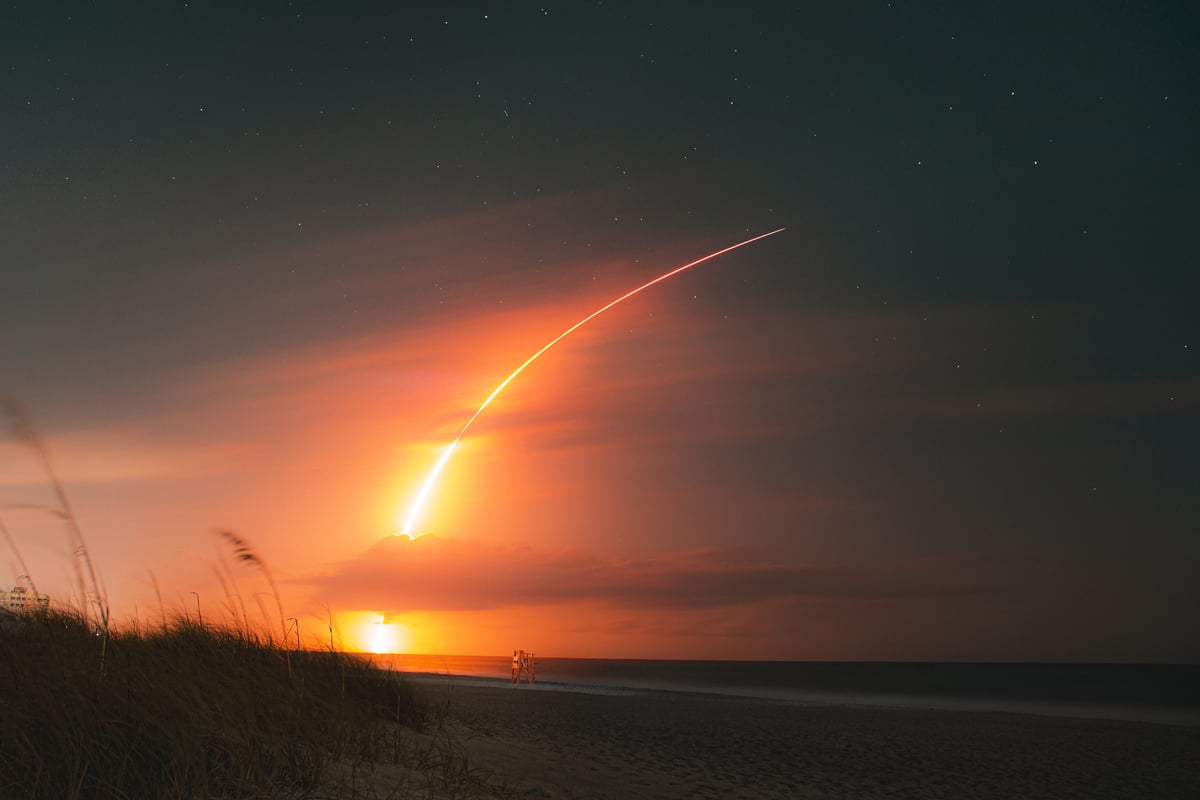
- Launch Volume Leadership: In 2025, SpaceX launched 165 Falcon 9 rockets, surpassing the combined total of all other nations by 34%, highlighting its dominant position in the global space market.
- Significant Price Advantage: SpaceX raised the price of Falcon 9 launches by 6.1% to $74 million, still undercutting competitors who charge over $100 million, further solidifying its market share.
- High Profit Margin Potential: Analysts estimate that SpaceX's cost per launch could be as low as $17 million, suggesting an operating margin of up to 77%, indicating the sustainability of its business model.
- Diversified Revenue Sources: While SpaceX's rocket launch business is profitable, its Starlink and xAI ventures may incur losses, with projected total revenue of $18.5 billion but losses of $5 billion in 2025, prompting investors to monitor overall financial health.
See More

SpaceX Achieves Record Rocket Launch Volume
- Launch Volume Leadership: SpaceX launched 165 Falcon 9 rockets last year, surpassing the combined total of all other nations by 34%, which underscores its dominant position in the global space market and further solidifies its market share.
- Price Strategy Adjustment: SpaceX raised the launch price of its Falcon 9 rocket by 6.1% to $74 million, leveraging its unique reusability technology to significantly undercut competitors' launch costs, thereby attracting more customers.
- Profitability Analysis: Analysts estimate that SpaceX's cost per Falcon 9 launch could be as low as $17 million, which, if accurate, would yield an operating margin as high as 77%, giving SpaceX a strong competitive edge in profitability within the aerospace industry.
- IPO Outlook: Despite reports suggesting that SpaceX's overall profitability may be lower than its rocket launch business, its dominant position in space launches and high profit margins still make its IPO highly anticipated, drawing significant investor interest.
See More
Artemis II Mission Successful, Paving Way for Future Lunar Exploration


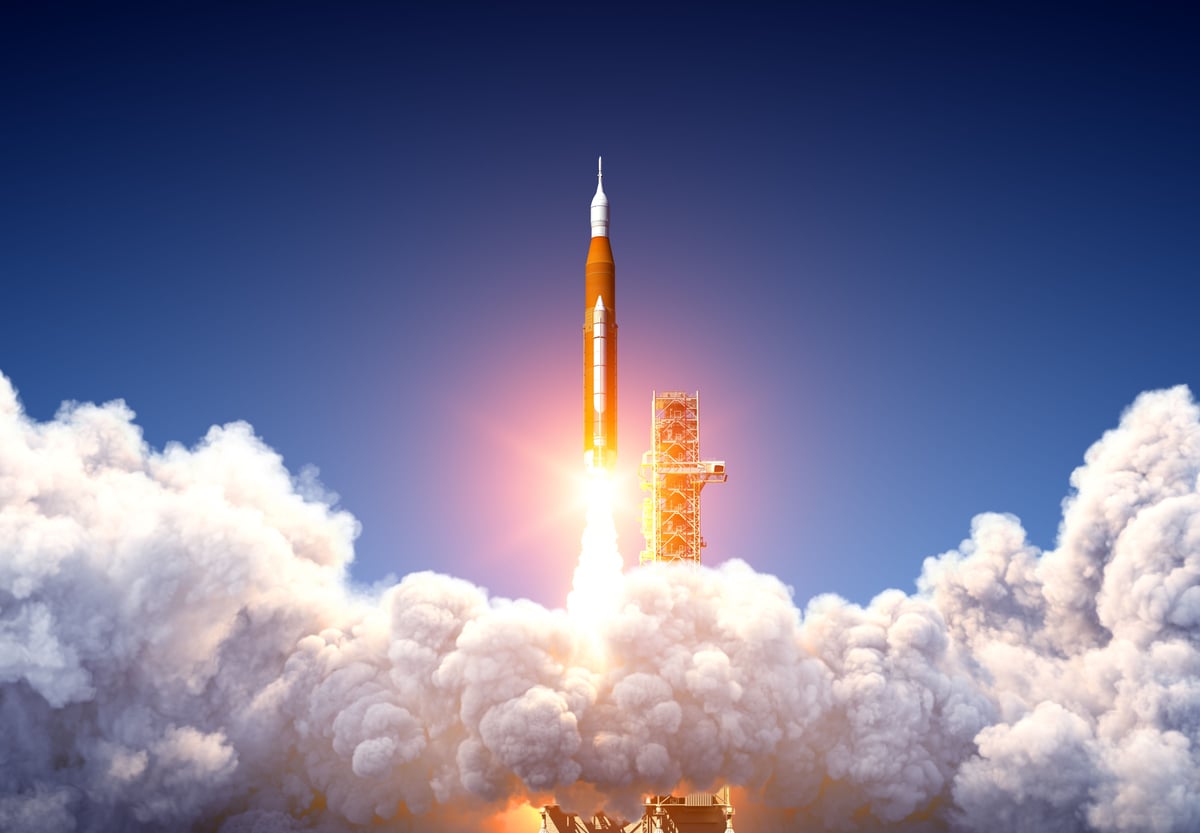
- Artemis II Success: The Artemis II mission has successfully concluded, with four astronauts safely back on Earth, laying the groundwork for future lunar bases and demonstrating NASA's ongoing commitment to deep space exploration.
- Reduced Launch Costs: According to CSIS Aerospace Security, SpaceX's reusable Falcon 1 rocket has brought launch costs down to under $6,000 per pound, while Falcon Heavy's costs are around $1,000, significantly lowering the economic barriers to accessing space.
- Emerging Investment Opportunities: With decreasing launch costs, companies like AST SpaceMobile are capitalizing on this trend, planning to deploy up to 60 satellites in low Earth orbit by year-end to provide global mobile broadband, attracting customers like Verizon and Telus.
- Industry Growth Outlook: Research firm IMARC anticipates that the global space launch service market will grow at an average annual rate of nearly 15% through 2034, indicating substantial opportunities for investors in this emerging sector.
See More

Significant Drop in Space Launch Costs
- Dramatic Cost Reduction: The cost of sending payloads into space has fallen by over 90% since the inception of modern rocketry, accelerating the development of satellites and related technologies, which is expected to create new investment opportunities in the space industry.
- Successful Artemis II Mission: NASA's Artemis II mission has successfully returned four astronauts to Earth, marking a significant step in the U.S. lunar exploration efforts and laying the groundwork for future lunar base establishment.
- AST SpaceMobile Network Expansion: AST SpaceMobile plans to deploy up to 60 satellites in low Earth orbit by the end of the year to provide mobile broadband internet from space, having already partnered with Verizon and Telus, indicating strong market potential.
- Optimistic Industry Growth Outlook: IMARC forecasts that the global space launch service market will grow at an average annual rate of nearly 15% through 2034, reflecting increasing investment opportunities as launch costs continue to decline.
See More
Rocket Lab Signs Multi-Launch Deal with iQPS
- Strengthened Partnership: Rocket Lab has signed a new multi-launch agreement with iQPS, planning three dedicated Electron launches from New Zealand in 2028, bringing the total to 15 launches and reinforcing Rocket Lab's position as iQPS's primary launch provider.
- Maintained Success Rate: Since 2023, Rocket Lab has successfully completed seven launches with a 100% mission success rate, showcasing Electron's leading role in deploying small satellite constellations and enhancing market demand for its launch services.
- Technical Advantages: Each launch will deploy iQPS's QPS-SAR satellites using Rocket Lab's Motorized Lightband satellite separation system, and by leveraging in-house production of launch and space systems, Rocket Lab reduces scheduling risks and provides superior reliability, optimizing iQPS's constellation deployment efficiency.
- Future Outlook: Rocket Lab's next launch is scheduled for May 2026, and as the partnership with iQPS deepens, Rocket Lab will continue to play a crucial role in launching their Earth-imaging constellation, further driving growth in its market share.
See More
Rocket Lab Completes 85th Mission, Stock Justification in Question
- Mission Success: Rocket Lab has successfully completed its 85th launch, further demonstrating its high execution capabilities in the aerospace sector, which boosts investor confidence in the company's future growth.
- Market Reaction: Despite achieving this significant milestone, the surge in options activity has raised market expectations, potentially leading investors to question the stock's valuation.
- Investor Focus: As interest in Rocket Lab increases, investors must assess whether the company can continue to deliver a growth narrative that justifies its stock price, impacting future investment decisions.
- Future Outlook: Following the completion of its 85th mission, Rocket Lab's performance will serve as a crucial indicator for evaluating its long-term value, especially in an increasingly competitive aerospace market.
See More
SpaceX Dominates Rocket Launches with Record Numbers
- Launch Volume Leadership: In 2025, SpaceX launched 165 Falcon 9 rockets, surpassing the combined total of all other nations by 34%, highlighting its dominant position in the global space market.
- Significant Price Advantage: SpaceX raised the price of Falcon 9 launches by 6.1% to $74 million, still undercutting competitors who charge over $100 million, further solidifying its market share.
- High Profit Margin Potential: Analysts estimate that SpaceX's cost per launch could be as low as $17 million, suggesting an operating margin of up to 77%, indicating the sustainability of its business model.
- Diversified Revenue Sources: While SpaceX's rocket launch business is profitable, its Starlink and xAI ventures may incur losses, with projected total revenue of $18.5 billion but losses of $5 billion in 2025, prompting investors to monitor overall financial health.
See More
SpaceX Achieves Record Rocket Launch Volume
- Launch Volume Leadership: SpaceX launched 165 Falcon 9 rockets last year, surpassing the combined total of all other nations by 34%, which underscores its dominant position in the global space market and further solidifies its market share.
- Price Strategy Adjustment: SpaceX raised the launch price of its Falcon 9 rocket by 6.1% to $74 million, leveraging its unique reusability technology to significantly undercut competitors' launch costs, thereby attracting more customers.
- Profitability Analysis: Analysts estimate that SpaceX's cost per Falcon 9 launch could be as low as $17 million, which, if accurate, would yield an operating margin as high as 77%, giving SpaceX a strong competitive edge in profitability within the aerospace industry.
- IPO Outlook: Despite reports suggesting that SpaceX's overall profitability may be lower than its rocket launch business, its dominant position in space launches and high profit margins still make its IPO highly anticipated, drawing significant investor interest.
See More
Artemis II Mission Successful, Paving Way for Future Lunar Exploration
- Artemis II Success: The Artemis II mission has successfully concluded, with four astronauts safely back on Earth, laying the groundwork for future lunar bases and demonstrating NASA's ongoing commitment to deep space exploration.
- Reduced Launch Costs: According to CSIS Aerospace Security, SpaceX's reusable Falcon 1 rocket has brought launch costs down to under $6,000 per pound, while Falcon Heavy's costs are around $1,000, significantly lowering the economic barriers to accessing space.
- Emerging Investment Opportunities: With decreasing launch costs, companies like AST SpaceMobile are capitalizing on this trend, planning to deploy up to 60 satellites in low Earth orbit by year-end to provide global mobile broadband, attracting customers like Verizon and Telus.
- Industry Growth Outlook: Research firm IMARC anticipates that the global space launch service market will grow at an average annual rate of nearly 15% through 2034, indicating substantial opportunities for investors in this emerging sector.
See More
Significant Drop in Space Launch Costs
- Dramatic Cost Reduction: The cost of sending payloads into space has fallen by over 90% since the inception of modern rocketry, accelerating the development of satellites and related technologies, which is expected to create new investment opportunities in the space industry.
- Successful Artemis II Mission: NASA's Artemis II mission has successfully returned four astronauts to Earth, marking a significant step in the U.S. lunar exploration efforts and laying the groundwork for future lunar base establishment.
- AST SpaceMobile Network Expansion: AST SpaceMobile plans to deploy up to 60 satellites in low Earth orbit by the end of the year to provide mobile broadband internet from space, having already partnered with Verizon and Telus, indicating strong market potential.
- Optimistic Industry Growth Outlook: IMARC forecasts that the global space launch service market will grow at an average annual rate of nearly 15% through 2034, reflecting increasing investment opportunities as launch costs continue to decline.
See More