Rivian (RIVN) Faces Two Analyst Downgrades, Price Target Cut to $16
Written by Emily J. Thompson, Senior Investment Analyst
Updated: Jan 15 2026
0mins


Should l Buy RIVN?
Source: NASDAQ.COM
- Analyst Downgrades: Wolfe Research downgraded Rivian's stock from peer perform to underperform with a price target of $16, indicating a nearly 17% downside from last Friday's close of $19.22, reflecting concerns over ongoing EBITDA losses.
- Poor Market Performance: Rivian shares have dropped 11.2% since last Friday, indicating investor worries about reduced EV demand and the timing of the R2 model launch, which continues to pressure the stock price.
- UBS Rating Change: UBS downgraded Rivian from neutral to sell, although it raised its price target from $13 to $15, still suggesting further declines in stock value, highlighting a pessimistic outlook on the company's future performance.
- Diverging Analyst Opinions: Despite the downgrades, Piper Sandler raised its price target from $14 to $20 on January 8, indicating that some analysts remain optimistic about Rivian's growth potential, urging investors to carefully assess market dynamics.
Trade with 70% Backtested Accuracy
Stop guessing "Should I Buy RIVN?" and start using high-conviction signals backed by rigorous historical data.
Sign up today to access powerful investing tools and make smarter, data-driven decisions.
Analyst Views on RIVN
Wall Street analysts forecast RIVN stock price to rise
18 Analyst Rating
8 Buy
7 Hold
3 Sell
Moderate Buy
Current: 17.740

Low
10.00
Averages
17.78
High
25.00
Current: 17.740
Low
10.00
Averages
17.78
High
25.00
About RIVN
Rivian Automotive, Inc. is an automotive technology company, which is engaged in developing and manufacturing category-defining electric vehicles (EVs) as well as vertically integrated technologies and services. The Company's R1 platform consists of two vehicles: the R1T, a two-row five-passenger pickup truck, and the R1S, a three-row seven-passenger sport utility vehicle (SUV). In the commercial market, the Company offers a Rivian Commercial Vehicle (RCV) platform. The vehicle on this platform is the Electric Delivery Van (EDV), designed and engineered by Rivian in collaboration with Amazon. The Company also offers FleetOS, its proprietary, end-to-end centralized fleet management subscription platform. It also offers a variety of services, including vehicle repair and maintenance, financing, insurance, joint venture, software subscriptions, and vehicle accessories, among others. Its other services include vehicle electrical architecture and software development services, and more.
About the author

Emily J. Thompson
Emily J. Thompson, a Chartered Financial Analyst (CFA) with 12 years in investment research, graduated with honors from the Wharton School. Specializing in industrial and technology stocks, she provides in-depth analysis for Intellectia’s earnings and market brief reports.
Rivian R2 SUV Deliveries Set to Begin This Spring

- R2 SUV Delivery Plans: Rivian is set to begin deliveries of its R2 SUV this spring, with the entry-level variant expected to start at around $45,000, aiming to compete against Tesla's Model Y and expand its market share.
- Production and Capacity Expansion: Production of the R2 has commenced at Rivian's Illinois factory, with plans to deliver 22,000 to 23,000 units this year, while the upcoming Georgia facility is expected to enhance capacity to meet market demand.
- Financial Impact and Market Reaction: Although initial production of the R2 will pressure margins, it is projected that by 2027, costs will drop to less than half of the R1 model, leading to a bullish sentiment shift around RIVN stock.
- Natural Disaster Impact: A recent tornado damaged parts of Rivian's Illinois factory, affecting areas used for parts storage and logistics, yet the company remains on track to launch R2 deliveries as planned.
See More

BMW Unveils Refreshed 7 Series Sedan Amidst SUV Dominance

- New Model Launch: BMW unveiled the refreshed 7 Series sedan in New York and Beijing, incorporating technology and design features originally intended for electric vehicles, showcasing the company's ongoing innovation in the luxury sedan market.
- Ambitious Sales Targets: North America chief Sebastian Mackensen stated that BMW has set ambitious sales targets for 2026, demonstrating commitment to sedan production despite U.S. tariff pressures on German imports.
- Market Competition Analysis: Although the full-size X7 SUV has outsold the 7 Series since 2018, BMW maintains that sedans hold significant importance in its product lineup, especially as 45% of potential customers still prefer four-door sedans.
- Technological Flagship Status: The 7 Series sedan, positioned as BMW's technological flagship, features a panoramic heads-up display and AI voice assistant, highlighting BMW's technical prowess and brand image in the luxury vehicle segment.
See More
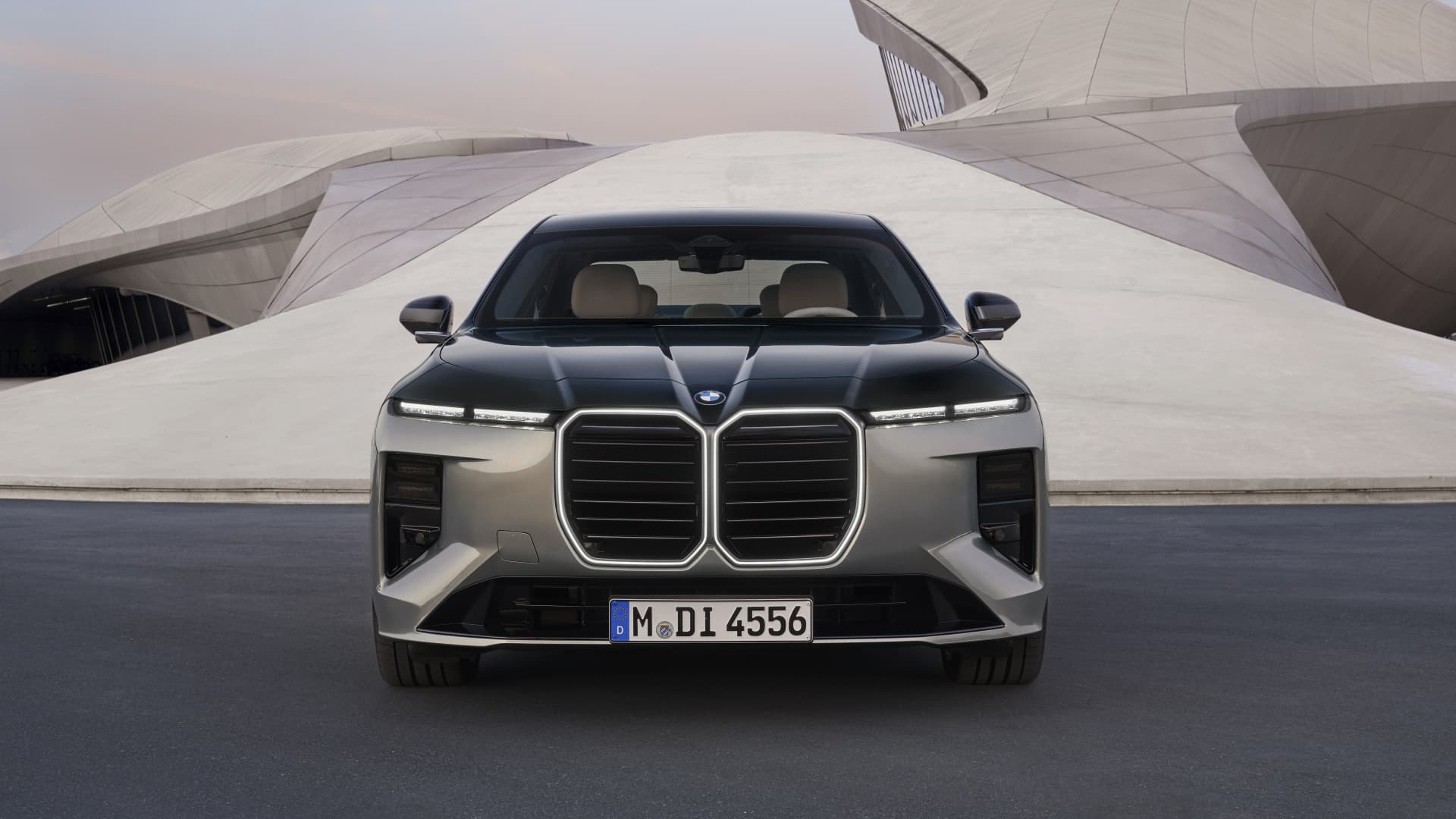
BMW Doubles Down on 7 Series Sedan Amid SUV Surge


- Market Positioning: Despite U.S. tariff pressures on German imports, BMW remains committed to producing the 7 Series sedan, reflecting its confidence in the luxury sedan market amidst the surge in SUV sales.
- Technological Innovation: The updated 7 Series will be the first to feature advanced technologies originally developed for electric vehicles, including a panoramic heads-up display and an AI voice assistant, aimed at enhancing user experience and solidifying its tech leadership in the luxury segment.
- Sales Strategy Adjustment: In 2025, BMW's full-size X7 SUV sold nearly twice as many units as the combined sales of the 7 Series and 8 Series, indicating a market preference for SUVs, prompting BMW to closely monitor demand to assess the viability of continuing 7 Series imports.
- Optimistic Future Outlook: With approximately 30% of its profits coming from the U.S. market, BMW has set ambitious sales targets for 2026, and while specific numbers remain undisclosed, its leadership in the luxury market and consumer preferences suggest a positive outlook.
See More
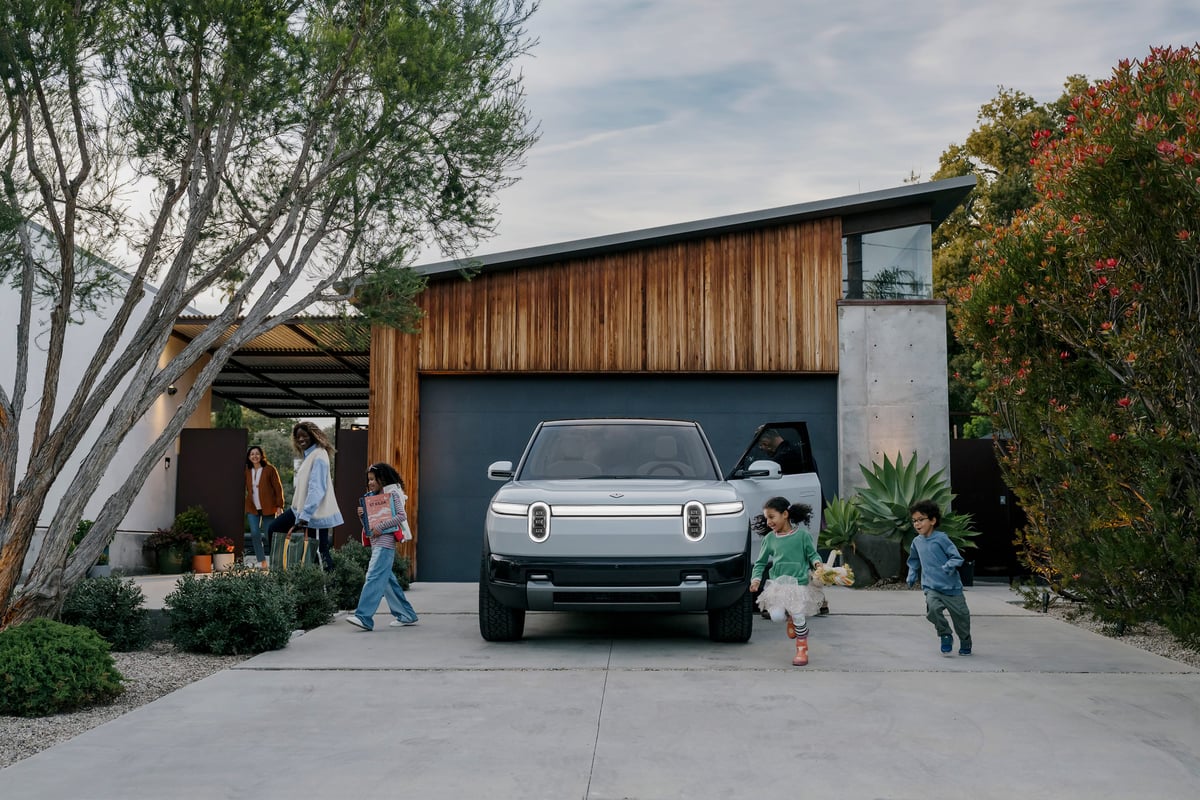
Rivian's Gross Profit Surges Amid EV Market Growth
- Market Value Surge: The electric vehicle market is projected to grow from $1.6 trillion in 2025 to over $6.5 trillion by 2030, more than tripling in value, indicating a rapid global adoption and increasing demand for EVs, positioning Rivian favorably as a young EV manufacturer in this trend.
- Profitability Reversal: Rivian achieved its first positive quarterly gross profit in Q4 2024, with a full-year gross profit of $144 million in 2025, a significant turnaround from a $1.2 billion loss in 2024, demonstrating substantial progress in cost control and production efficiency, which is attracting more investor interest.
- Cost Optimization Strategy: Through a joint venture with Volkswagen, Rivian improved per-vehicle economics, and the launch of the R2 platform reduced material costs by 45%, further enhancing the company's competitiveness and profitability through simplified vehicle architecture and manufacturing processes.
- Innovation-Driven Efficiency: The R2 platform employs zonal electrical architecture, eliminating 2.3 miles of wiring per vehicle and thousands of welds and fasteners, reducing manufacturing time and vehicle weight by approximately 2,000 lbs, these technological innovations not only enhance production efficiency but also lay the groundwork for future scalability.
See More

Rivian and Volkswagen Joint Venture Proves Valuable
- Gross Margin Improvement: Rivian achieved its first quarterly gross profit in Q4 2024 and its first full-year gross profit in 2025, indicating significant advancements in cost control and production efficiency, which are likely to attract more investor interest.
- Market Potential: The electric vehicle market is projected to grow from $1.6 trillion in 2025 to over $6.5 trillion by 2030, and Rivian is well-positioned to capitalize on this rapid growth with its R1 and newly launched R2 platforms.
- Cost Structure Optimization: Through its joint venture with Volkswagen, Rivian successfully reduced material and production costs for its R1 platform, achieving a 45% reduction in material costs with the R2 platform, thereby enhancing per-vehicle economics.
- Innovation-Driven Efficiency: The R2 platform utilizes zonal electrical architecture and consolidated electronic control units, eliminating 2.3 miles of wiring per vehicle, which significantly reduces manufacturing time and vehicle weight, thereby improving production efficiency and market competitiveness.
See More

Rivian Begins Production of R2 Electric Vehicle
- Production Launch: Rivian officially begins production of the R2 electric vehicle at its Normal, Illinois plant, marking a crucial milestone ahead of customer deliveries expected later this spring, enhancing its market competitiveness.
- Product Positioning: The R2 model is priced at $58,000 and features a 330-mile range with dual motors, aimed at attracting more consumers while achieving cost reductions to support the company's future profitability goals.
- Market Strategy: Although Rivian plans to introduce a lower-priced R2 version starting at $45,000, this model is not expected to be available until late 2027, indicating the company's prioritization of the high-end market.
- Production Challenges: The announcement of R2 production comes shortly after a tornado damaged part of the plant used for parts storage and logistics, which may impact production timelines in the short term.
See More
Rivian R2 SUV Deliveries Set to Begin This Spring
- R2 SUV Delivery Plans: Rivian is set to begin deliveries of its R2 SUV this spring, with the entry-level variant expected to start at around $45,000, aiming to compete against Tesla's Model Y and expand its market share.
- Production and Capacity Expansion: Production of the R2 has commenced at Rivian's Illinois factory, with plans to deliver 22,000 to 23,000 units this year, while the upcoming Georgia facility is expected to enhance capacity to meet market demand.
- Financial Impact and Market Reaction: Although initial production of the R2 will pressure margins, it is projected that by 2027, costs will drop to less than half of the R1 model, leading to a bullish sentiment shift around RIVN stock.
- Natural Disaster Impact: A recent tornado damaged parts of Rivian's Illinois factory, affecting areas used for parts storage and logistics, yet the company remains on track to launch R2 deliveries as planned.
See More
BMW Unveils Refreshed 7 Series Sedan Amidst SUV Dominance
- New Model Launch: BMW unveiled the refreshed 7 Series sedan in New York and Beijing, incorporating technology and design features originally intended for electric vehicles, showcasing the company's ongoing innovation in the luxury sedan market.
- Ambitious Sales Targets: North America chief Sebastian Mackensen stated that BMW has set ambitious sales targets for 2026, demonstrating commitment to sedan production despite U.S. tariff pressures on German imports.
- Market Competition Analysis: Although the full-size X7 SUV has outsold the 7 Series since 2018, BMW maintains that sedans hold significant importance in its product lineup, especially as 45% of potential customers still prefer four-door sedans.
- Technological Flagship Status: The 7 Series sedan, positioned as BMW's technological flagship, features a panoramic heads-up display and AI voice assistant, highlighting BMW's technical prowess and brand image in the luxury vehicle segment.
See More
BMW Doubles Down on 7 Series Sedan Amid SUV Surge
- Market Positioning: Despite U.S. tariff pressures on German imports, BMW remains committed to producing the 7 Series sedan, reflecting its confidence in the luxury sedan market amidst the surge in SUV sales.
- Technological Innovation: The updated 7 Series will be the first to feature advanced technologies originally developed for electric vehicles, including a panoramic heads-up display and an AI voice assistant, aimed at enhancing user experience and solidifying its tech leadership in the luxury segment.
- Sales Strategy Adjustment: In 2025, BMW's full-size X7 SUV sold nearly twice as many units as the combined sales of the 7 Series and 8 Series, indicating a market preference for SUVs, prompting BMW to closely monitor demand to assess the viability of continuing 7 Series imports.
- Optimistic Future Outlook: With approximately 30% of its profits coming from the U.S. market, BMW has set ambitious sales targets for 2026, and while specific numbers remain undisclosed, its leadership in the luxury market and consumer preferences suggest a positive outlook.
See More
Rivian's Gross Profit Surges Amid EV Market Growth
- Market Value Surge: The electric vehicle market is projected to grow from $1.6 trillion in 2025 to over $6.5 trillion by 2030, more than tripling in value, indicating a rapid global adoption and increasing demand for EVs, positioning Rivian favorably as a young EV manufacturer in this trend.
- Profitability Reversal: Rivian achieved its first positive quarterly gross profit in Q4 2024, with a full-year gross profit of $144 million in 2025, a significant turnaround from a $1.2 billion loss in 2024, demonstrating substantial progress in cost control and production efficiency, which is attracting more investor interest.
- Cost Optimization Strategy: Through a joint venture with Volkswagen, Rivian improved per-vehicle economics, and the launch of the R2 platform reduced material costs by 45%, further enhancing the company's competitiveness and profitability through simplified vehicle architecture and manufacturing processes.
- Innovation-Driven Efficiency: The R2 platform employs zonal electrical architecture, eliminating 2.3 miles of wiring per vehicle and thousands of welds and fasteners, reducing manufacturing time and vehicle weight by approximately 2,000 lbs, these technological innovations not only enhance production efficiency but also lay the groundwork for future scalability.
See More
Rivian and Volkswagen Joint Venture Proves Valuable
- Gross Margin Improvement: Rivian achieved its first quarterly gross profit in Q4 2024 and its first full-year gross profit in 2025, indicating significant advancements in cost control and production efficiency, which are likely to attract more investor interest.
- Market Potential: The electric vehicle market is projected to grow from $1.6 trillion in 2025 to over $6.5 trillion by 2030, and Rivian is well-positioned to capitalize on this rapid growth with its R1 and newly launched R2 platforms.
- Cost Structure Optimization: Through its joint venture with Volkswagen, Rivian successfully reduced material and production costs for its R1 platform, achieving a 45% reduction in material costs with the R2 platform, thereby enhancing per-vehicle economics.
- Innovation-Driven Efficiency: The R2 platform utilizes zonal electrical architecture and consolidated electronic control units, eliminating 2.3 miles of wiring per vehicle, which significantly reduces manufacturing time and vehicle weight, thereby improving production efficiency and market competitiveness.
See More
Rivian Begins Production of R2 Electric Vehicle
- Production Launch: Rivian officially begins production of the R2 electric vehicle at its Normal, Illinois plant, marking a crucial milestone ahead of customer deliveries expected later this spring, enhancing its market competitiveness.
- Product Positioning: The R2 model is priced at $58,000 and features a 330-mile range with dual motors, aimed at attracting more consumers while achieving cost reductions to support the company's future profitability goals.
- Market Strategy: Although Rivian plans to introduce a lower-priced R2 version starting at $45,000, this model is not expected to be available until late 2027, indicating the company's prioritization of the high-end market.
- Production Challenges: The announcement of R2 production comes shortly after a tornado damaged part of the plant used for parts storage and logistics, which may impact production timelines in the short term.
See More