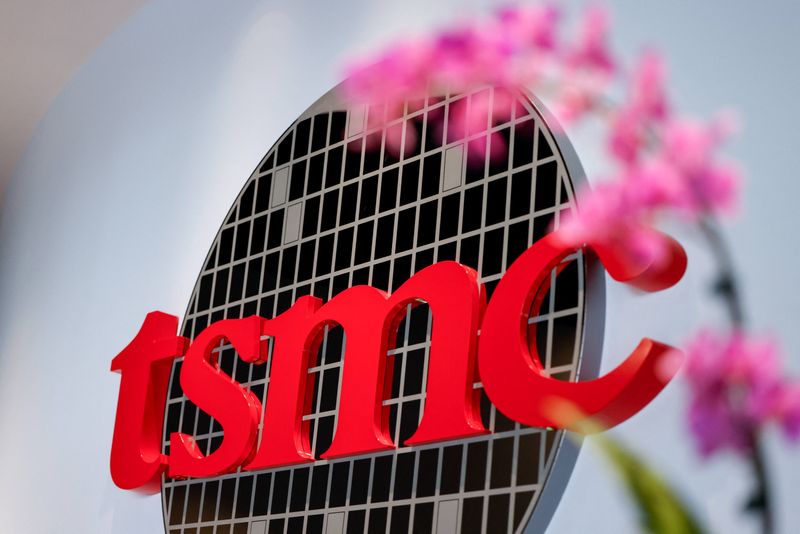
Rivian Faces Competition from Kia's Electric Pickup Plans
Written by Emily J. Thompson, Senior Investment Analyst
Updated: 1 hour ago
0mins
Should l Buy RIVN?
Source: Fool
- Increased Market Competition: Kia plans to launch a midsize electric pickup by 2030, aiming to sell 90,000 units annually in North America, which is expected to directly compete with Rivian's R1T and potentially impact its market share.
- Ambitious Sales Targets: Kia's CEO stated that the company aims to boost its annual U.S. sales to over 1 million vehicles through new EV models, which will intensify pressure on Rivian, particularly in the electric pickup segment.
- Production Cost Challenges: The production costs for electric pickups are higher than those for traditional internal combustion engine trucks, primarily due to expensive battery costs, which could affect Rivian's gross margins, especially as it has no plans for a smaller R2T model.
- Strategic Shift: Rivian has opted not to produce an electric truck, instead focusing on more popular models like the R2 and R3, a strategy that will help it better meet consumer demand and improve production efficiency in the EV market.
Trade with 70% Backtested Accuracy
Stop guessing "Should I Buy RIVN?" and start using high-conviction signals backed by rigorous historical data.
Sign up today to access powerful investing tools and make smarter, data-driven decisions.
Analyst Views on RIVN
Wall Street analysts forecast RIVN stock price to rise
18 Analyst Rating
8 Buy
7 Hold
3 Sell
Moderate Buy
Current: 15.990

Low
10.00
Averages
17.78
High
25.00
Current: 15.990
Low
10.00
Averages
17.78
High
25.00
About RIVN
Rivian Automotive, Inc. is an automotive technology company, which is engaged in developing and manufacturing category-defining electric vehicles (EVs) as well as vertically integrated technologies and services. The Company's R1 platform consists of two vehicles: the R1T, a two-row five-passenger pickup truck, and the R1S, a three-row seven-passenger sport utility vehicle (SUV). In the commercial market, the Company offers a Rivian Commercial Vehicle (RCV) platform. The vehicle on this platform is the Electric Delivery Van (EDV), designed and engineered by Rivian in collaboration with Amazon. The Company also offers FleetOS, its proprietary, end-to-end centralized fleet management subscription platform. It also offers a variety of services, including vehicle repair and maintenance, financing, insurance, joint venture, software subscriptions, and vehicle accessories, among others. Its other services include vehicle electrical architecture and software development services, and more.
About the author

Emily J. Thompson
Emily J. Thompson, a Chartered Financial Analyst (CFA) with 12 years in investment research, graduated with honors from the Wharton School. Specializing in industrial and technology stocks, she provides in-depth analysis for Intellectia’s earnings and market brief reports.

Kia Plans to Enter the U.S. Truck Market

- Market Entry Plan: Kia aims to enter the U.S. truck market by the end of this decade, targeting annual sales of over 90,000 electric pickups to help boost total U.S. sales beyond 1 million vehicles, indicating a strong commitment to expanding its electric vehicle presence.
- Competitive Landscape: Despite the U.S. truck market being dominated by Detroit automakers, Kia's CEO believes that the company's growing brand reputation and compelling electrified powertrains can attract new customers, although it faces significant competition.
- Electric Pickup Challenges: The production costs for electric pickups are notably high, particularly due to battery expenses, which necessitates careful evaluation of profitability and market positioning as Kia enters this segment.
- Rivian's Strategic Shift: Rivian has pivoted away from electric truck production to focus on more popular models like the R2 and R3, demonstrating its keen insight into market demand, which may influence Kia's market strategy.
See More
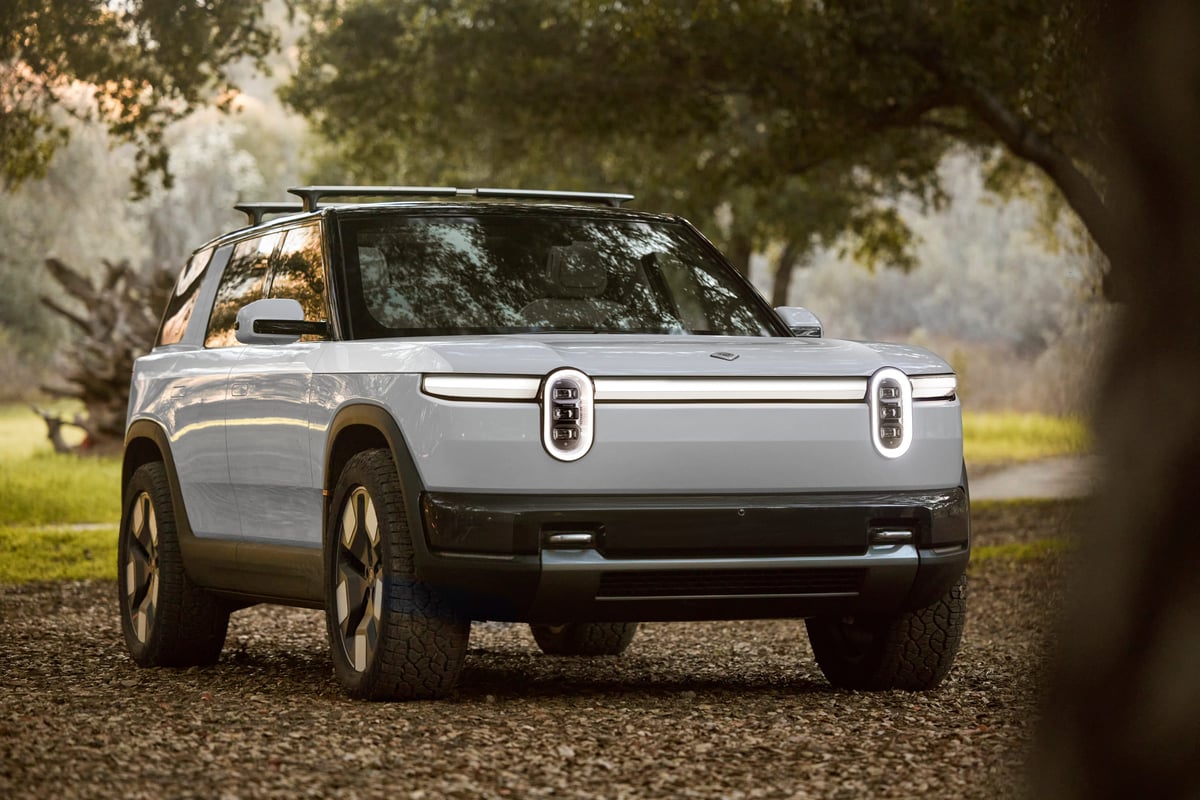
Rivian Faces Competition from Kia's Electric Pickup Plans
- Increased Market Competition: Kia plans to launch a midsize electric pickup by 2030, aiming to sell 90,000 units annually in North America, which is expected to directly compete with Rivian's R1T and potentially impact its market share.
- Ambitious Sales Targets: Kia's CEO stated that the company aims to boost its annual U.S. sales to over 1 million vehicles through new EV models, which will intensify pressure on Rivian, particularly in the electric pickup segment.
- Production Cost Challenges: The production costs for electric pickups are higher than those for traditional internal combustion engine trucks, primarily due to expensive battery costs, which could affect Rivian's gross margins, especially as it has no plans for a smaller R2T model.
- Strategic Shift: Rivian has opted not to produce an electric truck, instead focusing on more popular models like the R2 and R3, a strategy that will help it better meet consumer demand and improve production efficiency in the EV market.
See More
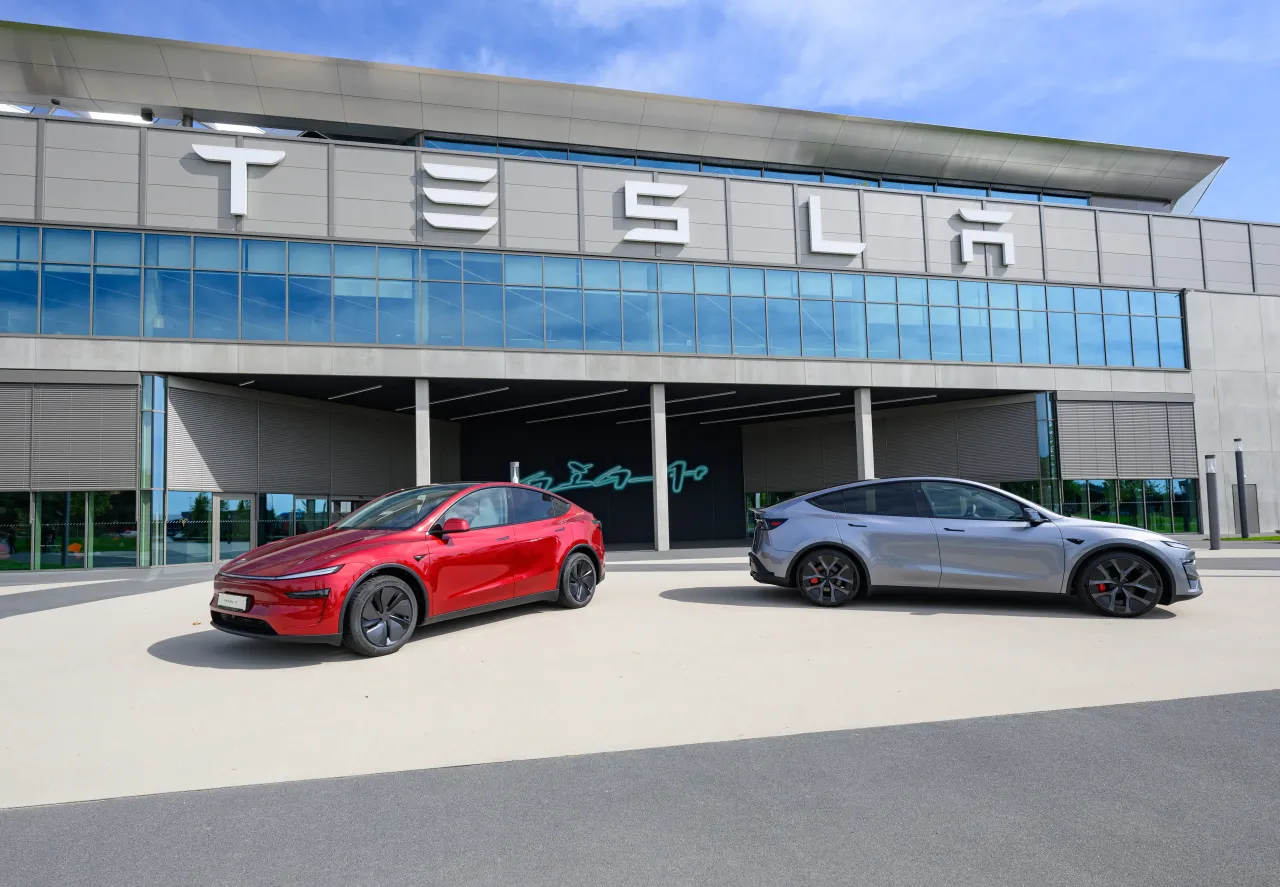
Lucid and Rivian Aim for Mass Market Entry
- Sales Decline: Rivian sold only 1,658 R1T trucks in Q1, marking a 4% year-over-year decline, with the truck accounting for just 16% of the company's overall sales, indicating weakening market demand.
- New Model Plans: Rivian is set to begin production of its R2 midsize SUV at its Illinois plant, with an expected starting price of around $45,000 and deliveries anticipated to start in June 2026, aiming to penetrate the mass market EV segment.
- Lucid's Challenges: Lucid's Air sedan saw a dramatic 62.7% drop in sales in Q1, with only 920 units sold, now overshadowed by its Gravity SUV, highlighting competitive pressures in the premium market.
- Intensifying Market Competition: Both Lucid and Rivian are following Tesla's successful model by launching the Cosmos and R2 SUVs priced below $50,000 to capture market share from Tesla's Model Y, which starts at $39,990.
See More

Investment Opportunities for the Next Decade


- AST SpaceMobile Outlook: AST SpaceMobile plans to launch 45 to 60 satellites by the end of 2026, with revenue expected to grow from $71 million in 2025 to $1.92 billion by 2028, indicating strong market demand and profitability potential.
- Rivian Market Expansion: Rivian anticipates that its new R2 SUV will significantly lower market entry barriers, with revenue projected to increase from $5.4 billion in 2025 to $16.4 billion by 2028, showcasing substantial long-term growth potential despite short-term challenges.
- QuantumScape Technological Breakthrough: QuantumScape's solid-state lithium-metal batteries are expected to commercialize by 2026, with revenue forecasted to rise from less than $1 million in 2026 to $545 million by 2028, indicating a promising long-term outlook despite near-term profitability challenges.
- Market Environment Analysis: Despite macro challenges such as inflation and rising interest rates, the S&P 500 has more than tripled over the past decade, leading investors to consider ETF investments to navigate future market volatility.
See More

AST SpaceMobile Expands Satellite Constellation
- Satellite Constellation Expansion: AST SpaceMobile plans to deploy 45 to 60 satellites by the end of 2026, ultimately aiming for over 240, which will significantly enhance its competitive edge in the global communications market, particularly in rural network coverage.
- Revenue Growth Expectations: Analysts forecast AST's revenue will rise from $71 million in 2025 to $1.92 billion by 2028, with profitability expected in 2027 and 2028 as customer numbers and satellite launches increase, indicating strong market potential.
- Impact of Rivian's New Model: Rivian's R2 SUV, priced $30,000 to $40,000 lower than its flagship R1 models, is expected to significantly broaden its market reach, with analysts predicting revenue growth from $5.4 billion to $16.4 billion between 2025 and 2028, despite facing near-term challenges.
- QuantumScape Battery Outlook: QuantumScape's solid-state batteries are projected to increase revenue from under $1 million in 2026 to $545 million by 2028; while not yet profitable, its partnership with Volkswagen will aid in commercializing its technology, suggesting a bright future ahead.
See More
Rivian's Electric Vehicle Market Outlook

- Stock Rebound Potential: Rivian's shares have risen by 32% over the past year, and despite significant losses since its IPO, successful execution of its five-year strategy could sustain this momentum, potentially rewarding investors.
- New Model Launch: Rivian plans to introduce the R2 model in 2025 as a direct competitor to Tesla's Model Y, with customer deliveries expected to start in Q2; the lower starting price could attract more customers and significantly boost sales growth.
- Partnership with Uber: Rivian has signed a deal with Uber to supply 10,000 fully autonomous R2 models starting in 2028, with an option for an additional 40,000 by 2030, which could bring up to $1.25 billion in investment, enhancing its market position.
- Autonomous Driving Goals: Rivian aims to achieve level 4 autonomy, which would greatly enhance its competitiveness if accomplished before Tesla; however, failure to meet this deadline could negatively impact its stock price and increase investment risks.
See More
Kia Plans to Enter the U.S. Truck Market
- Market Entry Plan: Kia aims to enter the U.S. truck market by the end of this decade, targeting annual sales of over 90,000 electric pickups to help boost total U.S. sales beyond 1 million vehicles, indicating a strong commitment to expanding its electric vehicle presence.
- Competitive Landscape: Despite the U.S. truck market being dominated by Detroit automakers, Kia's CEO believes that the company's growing brand reputation and compelling electrified powertrains can attract new customers, although it faces significant competition.
- Electric Pickup Challenges: The production costs for electric pickups are notably high, particularly due to battery expenses, which necessitates careful evaluation of profitability and market positioning as Kia enters this segment.
- Rivian's Strategic Shift: Rivian has pivoted away from electric truck production to focus on more popular models like the R2 and R3, demonstrating its keen insight into market demand, which may influence Kia's market strategy.
See More
Rivian Faces Competition from Kia's Electric Pickup Plans
- Increased Market Competition: Kia plans to launch a midsize electric pickup by 2030, aiming to sell 90,000 units annually in North America, which is expected to directly compete with Rivian's R1T and potentially impact its market share.
- Ambitious Sales Targets: Kia's CEO stated that the company aims to boost its annual U.S. sales to over 1 million vehicles through new EV models, which will intensify pressure on Rivian, particularly in the electric pickup segment.
- Production Cost Challenges: The production costs for electric pickups are higher than those for traditional internal combustion engine trucks, primarily due to expensive battery costs, which could affect Rivian's gross margins, especially as it has no plans for a smaller R2T model.
- Strategic Shift: Rivian has opted not to produce an electric truck, instead focusing on more popular models like the R2 and R3, a strategy that will help it better meet consumer demand and improve production efficiency in the EV market.
See More
Lucid and Rivian Aim for Mass Market Entry
- Sales Decline: Rivian sold only 1,658 R1T trucks in Q1, marking a 4% year-over-year decline, with the truck accounting for just 16% of the company's overall sales, indicating weakening market demand.
- New Model Plans: Rivian is set to begin production of its R2 midsize SUV at its Illinois plant, with an expected starting price of around $45,000 and deliveries anticipated to start in June 2026, aiming to penetrate the mass market EV segment.
- Lucid's Challenges: Lucid's Air sedan saw a dramatic 62.7% drop in sales in Q1, with only 920 units sold, now overshadowed by its Gravity SUV, highlighting competitive pressures in the premium market.
- Intensifying Market Competition: Both Lucid and Rivian are following Tesla's successful model by launching the Cosmos and R2 SUVs priced below $50,000 to capture market share from Tesla's Model Y, which starts at $39,990.
See More
Investment Opportunities for the Next Decade
- AST SpaceMobile Outlook: AST SpaceMobile plans to launch 45 to 60 satellites by the end of 2026, with revenue expected to grow from $71 million in 2025 to $1.92 billion by 2028, indicating strong market demand and profitability potential.
- Rivian Market Expansion: Rivian anticipates that its new R2 SUV will significantly lower market entry barriers, with revenue projected to increase from $5.4 billion in 2025 to $16.4 billion by 2028, showcasing substantial long-term growth potential despite short-term challenges.
- QuantumScape Technological Breakthrough: QuantumScape's solid-state lithium-metal batteries are expected to commercialize by 2026, with revenue forecasted to rise from less than $1 million in 2026 to $545 million by 2028, indicating a promising long-term outlook despite near-term profitability challenges.
- Market Environment Analysis: Despite macro challenges such as inflation and rising interest rates, the S&P 500 has more than tripled over the past decade, leading investors to consider ETF investments to navigate future market volatility.
See More
AST SpaceMobile Expands Satellite Constellation
- Satellite Constellation Expansion: AST SpaceMobile plans to deploy 45 to 60 satellites by the end of 2026, ultimately aiming for over 240, which will significantly enhance its competitive edge in the global communications market, particularly in rural network coverage.
- Revenue Growth Expectations: Analysts forecast AST's revenue will rise from $71 million in 2025 to $1.92 billion by 2028, with profitability expected in 2027 and 2028 as customer numbers and satellite launches increase, indicating strong market potential.
- Impact of Rivian's New Model: Rivian's R2 SUV, priced $30,000 to $40,000 lower than its flagship R1 models, is expected to significantly broaden its market reach, with analysts predicting revenue growth from $5.4 billion to $16.4 billion between 2025 and 2028, despite facing near-term challenges.
- QuantumScape Battery Outlook: QuantumScape's solid-state batteries are projected to increase revenue from under $1 million in 2026 to $545 million by 2028; while not yet profitable, its partnership with Volkswagen will aid in commercializing its technology, suggesting a bright future ahead.
See More
Rivian's Electric Vehicle Market Outlook
- Stock Rebound Potential: Rivian's shares have risen by 32% over the past year, and despite significant losses since its IPO, successful execution of its five-year strategy could sustain this momentum, potentially rewarding investors.
- New Model Launch: Rivian plans to introduce the R2 model in 2025 as a direct competitor to Tesla's Model Y, with customer deliveries expected to start in Q2; the lower starting price could attract more customers and significantly boost sales growth.
- Partnership with Uber: Rivian has signed a deal with Uber to supply 10,000 fully autonomous R2 models starting in 2028, with an option for an additional 40,000 by 2030, which could bring up to $1.25 billion in investment, enhancing its market position.
- Autonomous Driving Goals: Rivian aims to achieve level 4 autonomy, which would greatly enhance its competitiveness if accomplished before Tesla; however, failure to meet this deadline could negatively impact its stock price and increase investment risks.
See More