Rio Tinto (RIO) Exceeds Expectations with Record Iron Ore and Copper Production
- Record Iron Ore Production: Rio Tinto's iron ore output at its Pilbara operations reached a record 89.7 million tons, a 4% year-over-year increase, surpassing the Visible Alpha estimate of 88.2 million tons, indicating strong performance in the global iron ore market.
- Quarterly Shipment Growth: Q4 iron ore shipments rose 7% year-over-year to 91.3 million tons, although full-year exports fell 1% to 326.2 million tons, nearing the lower end of the company's forecast, reflecting a robust recovery from extreme weather disruptions earlier in the year.
- Steady Copper Production Increase: Consolidated copper production rose 5% year-over-year to 240,000 tons, exceeding the Visible Alpha estimate of 214,400 tons, while annual output climbed 11% to 883,000 tons, driven by ongoing ramp-up at the Oyu Tolgoi mine and higher recovery rates.
- Potential Merger Talks: Earlier this month, Rio Tinto disclosed it is in talks with Glencore about a potential deal that could create the world's largest mining company, although this was not mentioned in the quarterly update, indicating the company's strategic intent in industry consolidation.
Trade with 70% Backtested Accuracy
Analyst Views on RIO

About RIO
About the author

Baltic Dry Index Rallies for Ninth Straight Session


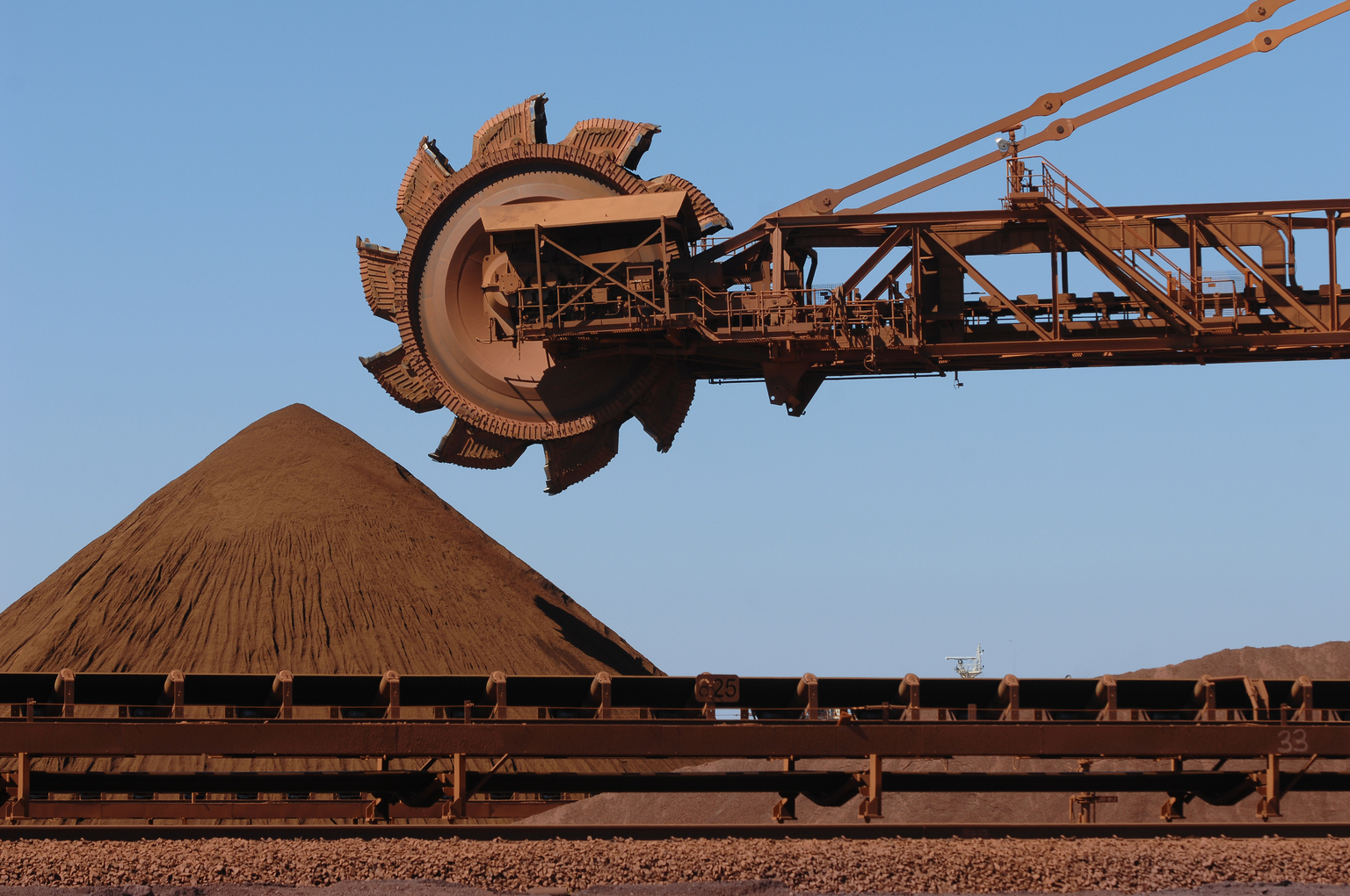
- Index Surge: The Baltic Dry Index has rallied for the ninth consecutive day, increasing by 5.5% to 2,484, driven by surging demand and tightening vessel supply, particularly in the Capesize segment most affected by iron ore.
- Capesize Index Soars: The Capesize index advanced approximately 8% for the ninth straight day, reaching 3,964, marking its highest level since mid-December, indicating robust demand for large cargo transport.
- Iron Ore Price Increase: Iron ore prices rose by over 2%, likely fueled by China's economy growing at a faster-than-expected 5% year-over-year in Q1, reflecting strong recovery momentum.
- Rising Costs Impact: Higher diesel prices due to the Middle East conflict are increasing production and transportation costs, with Galaxy Futures noting that unless the U.S.-Iran conflict escalates, the current pricing logic of supply and demand is unlikely to change.
Australian Court Rules Hancock Must Pay Royalties to Former Partners
- Court Ruling: The Supreme Court of Western Australia ruled that Hancock Prospecting and Rio Tinto must pay hundreds of millions in royalties to the descendants of Peter Wright, marking a significant development in a 15-year legal dispute.
- Historical Context: The dispute originates from agreements made decades ago between Hancock's father, Lang Hancock, and business partners Wright and Rhodes regarding iron ore development in the Pilbara region, highlighting the complexities of mining rights and historical legacies.
- Future Implications: The ruling mandates that Wright Prospecting and DFD Rhodes receive a share of past and future royalties from the Hope Downs mines, with the exact amount to be determined in a subsequent hearing, potentially impacting Hancock's financial position significantly.
- Industry Reaction: As a joint venture operator, Rio Tinto is also liable for these payments, and this ruling may affect its future financial performance and investor confidence, particularly against the backdrop of volatility in the iron ore market.

Rio Tinto Attracts Bidders for U.S. Boron Assets
- Diverse Bidders: Rio Tinto's U.S. boron assets have attracted interest from over a dozen potential bidders, including WE Soda, the world's largest soda ash producer, and Canadian mining investment firm Magris Resources, indicating strong market interest in these assets.
- Significant Valuation: The sale of these boron assets is expected to fetch around $2 billion, reflecting their importance in the global market and potential investment returns, particularly in high-tech and renewable energy applications.
- Global Demand Support: Rio's California operations meet about one-third of global demand for refined boron, which is crucial in fertilizers and high-tech applications, making it a key material for stabilizing permanent rare earth magnets and enhancing the strategic value of the assets.
- Diverse Operational Layout: Rio's boron assets include a mine and processing facilities in the Mojave Desert, a refinery and shipping facility at the Port of Los Angeles, and the Owens Lake mining operation near the Sierra Nevada mountains, creating a robust supply chain network to support future growth.

From Rust to Wealth: The Major Resource Reorganization

Market Dynamics: Rio Tinto and BHP Group are transitioning from traditional mining to focus on future-facing commodities, driven by global trends in sustainability, technology, and consumer demand.
Strategic Investments: Both companies are investing heavily in projects like BHP's Jansen potash project in Canada and Rio Tinto's green iron demonstration plant, aiming to position themselves as key suppliers in the evolving global economy.
Financial Health: Rio Tinto and BHP maintain strong financial foundations, with low debt-to-equity ratios and significant cash flows, allowing them to fund growth projects while providing attractive dividends to shareholders.
Investor Confidence: Recent market movements show significant gains for both companies, reflecting strong institutional interest and confidence in their strategic pivots towards sustainable and essential commodities for future growth.
RIO TINTO GROUP AND CENTURY ALUMINUM INCREASE US SURCHARGE BY APPROXIMATELY 12% DUE TO SUPPLY DISRUPTIONS FROM WAR - BLOOMBERG NEWS

Aluminum Price Surge: Aluminum prices have increased by approximately 12% due to supply disruptions.
Impact of War: The ongoing war has significantly affected the supply chain, contributing to the rise in aluminum costs.

Iran Airstrikes Disrupt Steel Production


- Production Disruption: Recent airstrikes on Iran's two largest steel plants, Mobarakeh and Khuzestan, have disrupted production, with these facilities representing less than 20% of Iran's total steel capacity; however, as national utilization rates were already below 50% before the strikes, recovery could be swift by reallocating output to unaffected sites.
- Regional Market Volatility: The impact on the Gulf Cooperation Council (GCC) countries is more pronounced, as approximately 65% of their steel capacity is constrained by reliance on the Strait of Hormuz for raw material imports, meaning that direct military strikes on GCC plants would have a limited incremental effect on production levels.
- Increased Import Reliance: With domestic capacity under threat, the Middle East is expected to deepen its reliance on international markets to fill the supply gap, as the GCC is already a major net importer of steel, with China supplying over 60% of its imports, which may drive higher global blast furnace utilization rates.
- Raw Material Price Surge: Middle Eastern buyers seeking to secure finished steel from Asian exporters could lead to a
Baltic Dry Index Rallies for Ninth Straight Session
- Index Surge: The Baltic Dry Index has rallied for the ninth consecutive day, increasing by 5.5% to 2,484, driven by surging demand and tightening vessel supply, particularly in the Capesize segment most affected by iron ore.
- Capesize Index Soars: The Capesize index advanced approximately 8% for the ninth straight day, reaching 3,964, marking its highest level since mid-December, indicating robust demand for large cargo transport.
- Iron Ore Price Increase: Iron ore prices rose by over 2%, likely fueled by China's economy growing at a faster-than-expected 5% year-over-year in Q1, reflecting strong recovery momentum.
- Rising Costs Impact: Higher diesel prices due to the Middle East conflict are increasing production and transportation costs, with Galaxy Futures noting that unless the U.S.-Iran conflict escalates, the current pricing logic of supply and demand is unlikely to change.
Australian Court Rules Hancock Must Pay Royalties to Former Partners
- Court Ruling: The Supreme Court of Western Australia ruled that Hancock Prospecting and Rio Tinto must pay hundreds of millions in royalties to the descendants of Peter Wright, marking a significant development in a 15-year legal dispute.
- Historical Context: The dispute originates from agreements made decades ago between Hancock's father, Lang Hancock, and business partners Wright and Rhodes regarding iron ore development in the Pilbara region, highlighting the complexities of mining rights and historical legacies.
- Future Implications: The ruling mandates that Wright Prospecting and DFD Rhodes receive a share of past and future royalties from the Hope Downs mines, with the exact amount to be determined in a subsequent hearing, potentially impacting Hancock's financial position significantly.
- Industry Reaction: As a joint venture operator, Rio Tinto is also liable for these payments, and this ruling may affect its future financial performance and investor confidence, particularly against the backdrop of volatility in the iron ore market.
Rio Tinto Attracts Bidders for U.S. Boron Assets
- Diverse Bidders: Rio Tinto's U.S. boron assets have attracted interest from over a dozen potential bidders, including WE Soda, the world's largest soda ash producer, and Canadian mining investment firm Magris Resources, indicating strong market interest in these assets.
- Significant Valuation: The sale of these boron assets is expected to fetch around $2 billion, reflecting their importance in the global market and potential investment returns, particularly in high-tech and renewable energy applications.
- Global Demand Support: Rio's California operations meet about one-third of global demand for refined boron, which is crucial in fertilizers and high-tech applications, making it a key material for stabilizing permanent rare earth magnets and enhancing the strategic value of the assets.
- Diverse Operational Layout: Rio's boron assets include a mine and processing facilities in the Mojave Desert, a refinery and shipping facility at the Port of Los Angeles, and the Owens Lake mining operation near the Sierra Nevada mountains, creating a robust supply chain network to support future growth.
From Rust to Wealth: The Major Resource Reorganization
Market Dynamics: Rio Tinto and BHP Group are transitioning from traditional mining to focus on future-facing commodities, driven by global trends in sustainability, technology, and consumer demand.
Strategic Investments: Both companies are investing heavily in projects like BHP's Jansen potash project in Canada and Rio Tinto's green iron demonstration plant, aiming to position themselves as key suppliers in the evolving global economy.
Financial Health: Rio Tinto and BHP maintain strong financial foundations, with low debt-to-equity ratios and significant cash flows, allowing them to fund growth projects while providing attractive dividends to shareholders.
Investor Confidence: Recent market movements show significant gains for both companies, reflecting strong institutional interest and confidence in their strategic pivots towards sustainable and essential commodities for future growth.
RIO TINTO GROUP AND CENTURY ALUMINUM INCREASE US SURCHARGE BY APPROXIMATELY 12% DUE TO SUPPLY DISRUPTIONS FROM WAR - BLOOMBERG NEWS
Aluminum Price Surge: Aluminum prices have increased by approximately 12% due to supply disruptions.
Impact of War: The ongoing war has significantly affected the supply chain, contributing to the rise in aluminum costs.
Iran Airstrikes Disrupt Steel Production
- Production Disruption: Recent airstrikes on Iran's two largest steel plants, Mobarakeh and Khuzestan, have disrupted production, with these facilities representing less than 20% of Iran's total steel capacity; however, as national utilization rates were already below 50% before the strikes, recovery could be swift by reallocating output to unaffected sites.
- Regional Market Volatility: The impact on the Gulf Cooperation Council (GCC) countries is more pronounced, as approximately 65% of their steel capacity is constrained by reliance on the Strait of Hormuz for raw material imports, meaning that direct military strikes on GCC plants would have a limited incremental effect on production levels.
- Increased Import Reliance: With domestic capacity under threat, the Middle East is expected to deepen its reliance on international markets to fill the supply gap, as the GCC is already a major net importer of steel, with China supplying over 60% of its imports, which may drive higher global blast furnace utilization rates.
- Raw Material Price Surge: Middle Eastern buyers seeking to secure finished steel from Asian exporters could lead to a