Li Auto announces Q2 EPS of 19 cents, down from 20 cents a year ago.
Q2 Financial Performance: Li Auto reported Q2 revenue of $4.22 billion, a decrease from $4.36 billion the previous year, with total vehicle deliveries reaching 111,074, marking a 2.3% increase year-over-year.
Market Position: The company has solidified its status as China's leading domestic automotive brand in the RMB200,000 and above NEV market, driven by user-centric innovations.
Product Launches: In July, Li Auto launched the Li i8, a six-seat battery electric SUV, along with new technology initiatives, enhancing their product offerings and user experience.
Future Plans: Li Auto announced a brand upgrade aimed at providing high-quality spaces for diverse consumers and plans to launch the Li i6 in September to further strengthen its position in the premium BEV market.
Trade with 70% Backtested Accuracy
Analyst Views on LI

About LI
About the author

Li Auto Approves $1 Billion Share Buyback Program


- Buyback Program Approval: Li Auto's board has approved a share repurchase program allowing for up to $1 billion in buybacks, authorized from the date of approval until March 31, 2027, aimed at enhancing shareholder value and stabilizing stock prices.
- Positive Market Reaction: Li Auto's American Depository Shares (ADS) rose nearly 5% in pre-market trading on Tuesday, indicating investor optimism regarding the company's future prospects and reflecting a favorable market response to the buyback announcement.
- Investor Sentiment High: On the Stocktwits platform, sentiment around Li Auto trended bullish, with message volumes at high levels, suggesting a significant increase in retail investor interest in the company, which could drive further stock price appreciation.
- Trending Stock: Li Auto emerged as one of the top trending tickers on Stocktwits, highlighting its growing attention among investors and market enthusiasm, potentially attracting more participants and enhancing the company's market performance.

Li Auto Approves $1 Billion Share Repurchase Program
- Repurchase Program Size: Li Auto has approved a share repurchase program of up to $1 billion, reflecting the company's confidence in its strategic roadmap and future value creation, which is expected to enhance investor trust.
- Repurchase Timeline: The program allows the company to repurchase its Class A ordinary shares and/or American depositary shares until March 31, 2027, ensuring flexibility to respond to market changes and enhance shareholder value over the coming years.
- Market Execution Methods: Li Auto stated that repurchases may be executed through open market transactions, block trades, or other legally permissible means depending on market conditions, providing the flexibility to optimize timing and costs of the repurchase.
- Stock Price Reaction: In pre-market trading, Li Auto's stock rose by 4.26% to $17.86, reflecting a positive market reaction to the repurchase program, which may further drive the company's stock price upward.
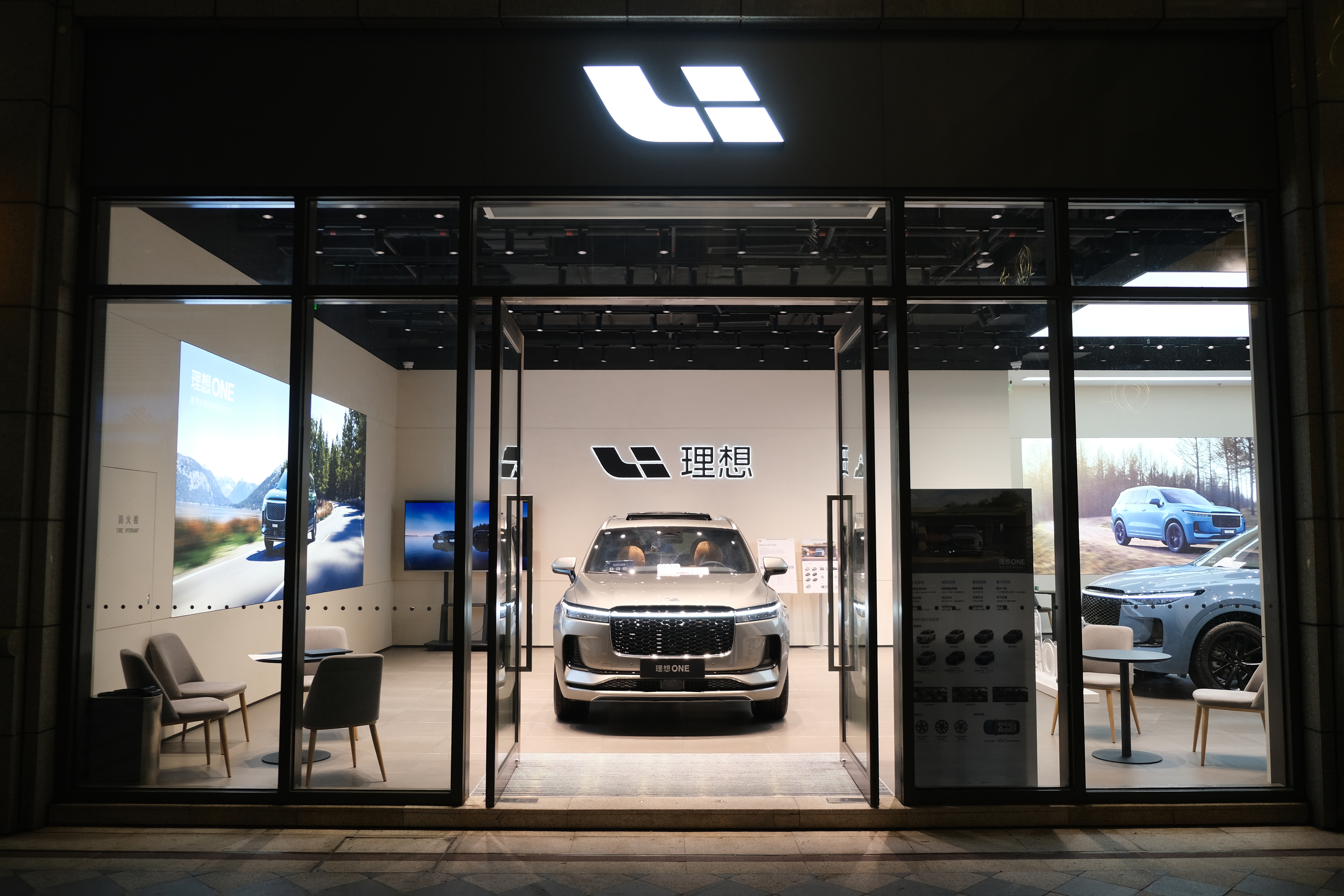
Li Auto Approves $1 Billion Share Repurchase Program
- Repurchase Program Approval: Li Auto's board has approved a share repurchase program of up to $1 billion, set to be funded through existing cash balances and completed by March 31, 2027, indicating the company's confidence in its valuation.
- Clear Funding Source: The repurchase will be entirely financed by the company's current cash reserves, showcasing Li Auto's strong financial health, which is likely to bolster investor confidence.
- Positive Stock Reaction: Following the announcement of the repurchase program, Li Auto's stock rose 3.9% in premarket trading to $17.8 per share, reflecting a favorable market perception of this initiative.
- Mixed Delivery Data: Despite the confidence shown in the repurchase plan, Li Auto reported a 31% year-over-year decline in deliveries for Q4 2025, with expectations of delivering between 85,000 and 90,000 vehicles in Q1, indicating competitive pressures in the market.

RWC Asset Advisors Fully Exits Li Auto Stake
- Complete Liquidation: RWC Asset Advisors fully exited its stake in Li Auto by selling 1,638,544 shares in Q4 2025, with an estimated transaction value of approximately $33 million, indicating a significant loss of confidence in the stock.
- Asset Allocation Shift: Prior to the liquidation, Li Auto represented 6.8% of RWC's assets under management, with a position value of $41.5 million in the previous 13F filing, highlighting a major strategic shift in investment focus.
- Declining Performance: Li Auto's recent earnings report revealed a 35% year-over-year revenue decline and a 31% drop in vehicle deliveries, indicating severe challenges in the highly competitive Chinese EV market that may shake investor confidence.
- Poor Market Performance: As of March 19, 2026, Li Auto shares were priced at $17.10, down 38% over the past year and underperforming the S&P 500 by 56 percentage points, reflecting its ongoing struggles in the market.

RWC Asset Advisors Fully Exits Li Auto Stake
- Complete Exit: RWC Asset Advisors sold 1,638,544 shares of Li Auto in Q4 2025, with an estimated transaction value of approximately $33 million, marking a full exit from a position that previously represented 6.8% of the fund's assets, indicating a significant loss of confidence in the stock.
- Significant Performance Decline: Li Auto's recent earnings report revealed a 35% year-over-year revenue decline and a 31% drop in vehicle deliveries, highlighting the company's struggles amid intense domestic price competition and sluggish consumer demand in the premium segment.
- Deteriorating Market Conditions: The Chinese EV sector is facing severe headwinds, including heightened price competition and persistent uncertainty surrounding U.S.-China trade relations, suggesting that RWC's decision may reflect a strategic shift towards commodity investments and a loss of conviction in Li Auto's future prospects.
- Signal to Investors: RWC's complete liquidation of its position may attract attention from other investors, particularly as Li Auto's stock continues to lag; thus, investors considering holding or buying the stock should carefully assess this institutional vote of no confidence.
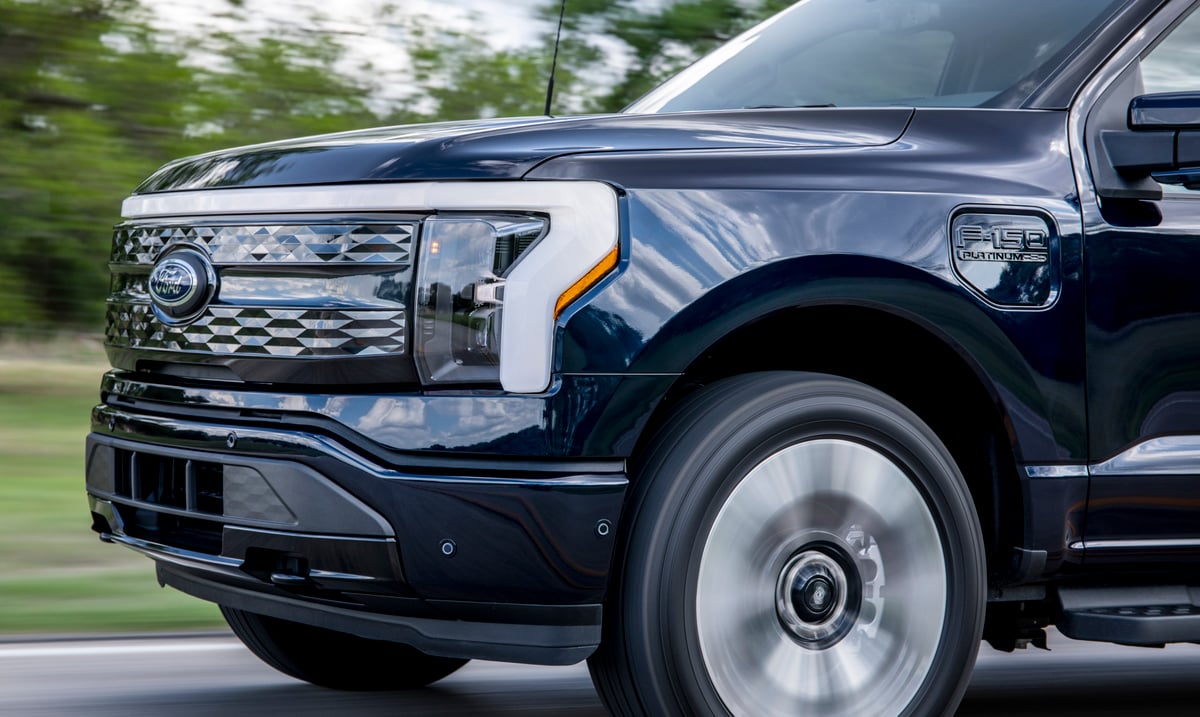
Ford's Electric Vehicle Strategy Faces Challenges Amid Costly Adjustments
- Strategic Adjustment: Ford incurred approximately $19.5 billion in special charges during Q4 due to adjustments in its electric vehicle strategy, resulting in a net loss of $11.1 billion, highlighting the challenges it faces in the EV market.
- EREV Replacement Plan: The company plans to replace the current all-electric F-150 Lightning with an extended-range electric vehicle (EREV), a move that may be seen as a costly detour on the path to mainstream EV adoption, potentially undermining investor confidence.
- Cost-Benefit Analysis: According to McKinsey, the EREV design can reduce powertrain production costs by about $6,000 compared to full EVs, offering a lighter and lower-cost alternative, although it also increases maintenance complexity risks.
- Future Outlook: Ford's next-generation Universal EV Platform is expected to debut in 2027, and while the current EREV option provides a short-term solution for the F-150 Lightning, the company urgently needs to achieve scale and cost reductions to compete effectively in the EV market.
Li Auto Approves $1 Billion Share Buyback Program
- Buyback Program Approval: Li Auto's board has approved a share repurchase program allowing for up to $1 billion in buybacks, authorized from the date of approval until March 31, 2027, aimed at enhancing shareholder value and stabilizing stock prices.
- Positive Market Reaction: Li Auto's American Depository Shares (ADS) rose nearly 5% in pre-market trading on Tuesday, indicating investor optimism regarding the company's future prospects and reflecting a favorable market response to the buyback announcement.
- Investor Sentiment High: On the Stocktwits platform, sentiment around Li Auto trended bullish, with message volumes at high levels, suggesting a significant increase in retail investor interest in the company, which could drive further stock price appreciation.
- Trending Stock: Li Auto emerged as one of the top trending tickers on Stocktwits, highlighting its growing attention among investors and market enthusiasm, potentially attracting more participants and enhancing the company's market performance.
Li Auto Approves $1 Billion Share Repurchase Program
- Repurchase Program Size: Li Auto has approved a share repurchase program of up to $1 billion, reflecting the company's confidence in its strategic roadmap and future value creation, which is expected to enhance investor trust.
- Repurchase Timeline: The program allows the company to repurchase its Class A ordinary shares and/or American depositary shares until March 31, 2027, ensuring flexibility to respond to market changes and enhance shareholder value over the coming years.
- Market Execution Methods: Li Auto stated that repurchases may be executed through open market transactions, block trades, or other legally permissible means depending on market conditions, providing the flexibility to optimize timing and costs of the repurchase.
- Stock Price Reaction: In pre-market trading, Li Auto's stock rose by 4.26% to $17.86, reflecting a positive market reaction to the repurchase program, which may further drive the company's stock price upward.
Li Auto Approves $1 Billion Share Repurchase Program
- Repurchase Program Approval: Li Auto's board has approved a share repurchase program of up to $1 billion, set to be funded through existing cash balances and completed by March 31, 2027, indicating the company's confidence in its valuation.
- Clear Funding Source: The repurchase will be entirely financed by the company's current cash reserves, showcasing Li Auto's strong financial health, which is likely to bolster investor confidence.
- Positive Stock Reaction: Following the announcement of the repurchase program, Li Auto's stock rose 3.9% in premarket trading to $17.8 per share, reflecting a favorable market perception of this initiative.
- Mixed Delivery Data: Despite the confidence shown in the repurchase plan, Li Auto reported a 31% year-over-year decline in deliveries for Q4 2025, with expectations of delivering between 85,000 and 90,000 vehicles in Q1, indicating competitive pressures in the market.
RWC Asset Advisors Fully Exits Li Auto Stake
- Complete Liquidation: RWC Asset Advisors fully exited its stake in Li Auto by selling 1,638,544 shares in Q4 2025, with an estimated transaction value of approximately $33 million, indicating a significant loss of confidence in the stock.
- Asset Allocation Shift: Prior to the liquidation, Li Auto represented 6.8% of RWC's assets under management, with a position value of $41.5 million in the previous 13F filing, highlighting a major strategic shift in investment focus.
- Declining Performance: Li Auto's recent earnings report revealed a 35% year-over-year revenue decline and a 31% drop in vehicle deliveries, indicating severe challenges in the highly competitive Chinese EV market that may shake investor confidence.
- Poor Market Performance: As of March 19, 2026, Li Auto shares were priced at $17.10, down 38% over the past year and underperforming the S&P 500 by 56 percentage points, reflecting its ongoing struggles in the market.
RWC Asset Advisors Fully Exits Li Auto Stake
- Complete Exit: RWC Asset Advisors sold 1,638,544 shares of Li Auto in Q4 2025, with an estimated transaction value of approximately $33 million, marking a full exit from a position that previously represented 6.8% of the fund's assets, indicating a significant loss of confidence in the stock.
- Significant Performance Decline: Li Auto's recent earnings report revealed a 35% year-over-year revenue decline and a 31% drop in vehicle deliveries, highlighting the company's struggles amid intense domestic price competition and sluggish consumer demand in the premium segment.
- Deteriorating Market Conditions: The Chinese EV sector is facing severe headwinds, including heightened price competition and persistent uncertainty surrounding U.S.-China trade relations, suggesting that RWC's decision may reflect a strategic shift towards commodity investments and a loss of conviction in Li Auto's future prospects.
- Signal to Investors: RWC's complete liquidation of its position may attract attention from other investors, particularly as Li Auto's stock continues to lag; thus, investors considering holding or buying the stock should carefully assess this institutional vote of no confidence.
Ford's Electric Vehicle Strategy Faces Challenges Amid Costly Adjustments
- Strategic Adjustment: Ford incurred approximately $19.5 billion in special charges during Q4 due to adjustments in its electric vehicle strategy, resulting in a net loss of $11.1 billion, highlighting the challenges it faces in the EV market.
- EREV Replacement Plan: The company plans to replace the current all-electric F-150 Lightning with an extended-range electric vehicle (EREV), a move that may be seen as a costly detour on the path to mainstream EV adoption, potentially undermining investor confidence.
- Cost-Benefit Analysis: According to McKinsey, the EREV design can reduce powertrain production costs by about $6,000 compared to full EVs, offering a lighter and lower-cost alternative, although it also increases maintenance complexity risks.
- Future Outlook: Ford's next-generation Universal EV Platform is expected to debut in 2027, and while the current EREV option provides a short-term solution for the F-150 Lightning, the company urgently needs to achieve scale and cost reductions to compete effectively in the EV market.