Resin Shortage Impacts Electronics Pricing
Written by Emily J. Thompson, Senior Investment Analyst
Updated: 50 minutes ago
0mins
Source: CNBC
- Resin Supply Disruption: The Jubail petrochemical complex in Saudi Arabia has halted production due to Iranian missile strikes, disrupting approximately 70% of the global supply of high-purity polyphenylene ether resin, which is expected to significantly impact electronics pricing.
- PCB Price Surge: According to a Goldman Sachs report, printed circuit board (PCB) prices have risen by up to 40% from March to April, directly affecting the costs of electronic products such as smartphones and computers, leading to increased price pressure on consumers.
- Supply Chain Vulnerability: TTM has indicated that despite its stock price rising over 400% in the past year, it plans to raise product prices by 5% to 25%, reflecting the erosion of profits due to rising raw material costs, particularly in lower-margin devices.
- Long-term Impact Warning: Experts warn that if the resin shortage extends into the autumn, electronics prices could reach their highest levels in a decade, prompting consumers to delay purchases of high-end devices due to rising prices and tight inventory.
Trade with 70% Backtested Accuracy
Stop guessing "Should I Buy AAPL?" and start using high-conviction signals backed by rigorous historical data.
Sign up today to access powerful investing tools and make smarter, data-driven decisions.
Analyst Views on AAPL
Wall Street analysts forecast AAPL stock price to fall
27 Analyst Rating
17 Buy
9 Hold
1 Sell
Moderate Buy
Current: 311.230

Low
239.00
Averages
306.89
High
350.00
Current: 311.230
Low
239.00
Averages
306.89
High
350.00
About AAPL
Apple Inc. designs, manufactures and markets smartphones, personal computers, tablets, wearables and accessories, and sells a variety of related services. Its product categories include iPhone, Mac, iPad, Wearables, Home and Accessories. Its services include advertising, AppleCare, cloud services, digital content, and payment services. The Company operates various platforms, including the App Store, that allow customers to discover and download applications and digital content, such as books, music, video, games and podcasts. It also offers digital content through subscription-based services, including Apple Arcade, Apple Fitness+, Apple Music, Apple News+, and Apple TV+. Its wearables include smartwatches, wireless headphones, and spatial computers. Its products include iPhone 16 Pro, iPhone 16, iPhone 15, iPhone 14, iPhone SE, MacBook Air, MacBook Pro, iMac, Mac mini, Mac Studio, Mac Pro, iPad Pro, iPad Air, AirPods, AirPods Pro, AirPods Max, Apple TV, Apple Vision Pro and others.
About the author

Emily J. Thompson
Emily J. Thompson, a Chartered Financial Analyst (CFA) with 12 years in investment research, graduated with honors from the Wharton School. Specializing in industrial and technology stocks, she provides in-depth analysis for Intellectia’s earnings and market brief reports.
Berkshire Hathaway's Decade of Investment Returns

- Significant Investment Returns: Over the past decade, Berkshire Hathaway's investment in Apple has yielded a staggering 1,300% return, transforming a $10,000 investment into $139,630, showcasing its successful strategy in tech stocks.
- Valuation Multiple Expansion: Apple's price-to-earnings ratio has surged from 10.9 a decade ago to 37.7 today, a 246% increase, reflecting strong financial performance and a significant improvement in market sentiment, although future growth expectations face challenges.
- Substantial Stake Value: Berkshire's current stake in Apple is valued at $71 billion, representing 1.6% of its investment portfolio, indicating a major strategic positioning in the tech sector despite facing market volatility risks.
- Outstanding Market Performance: Compared to the S&P 500's 206% return, the Motley Fool Stock Advisor's average return stands at 941%, highlighting the strong performance of its recommended stocks, even though Apple did not make the latest list of top ten stocks.
See More

Apple's WWDC to Reboot AI Strategy Amid CEO Transition
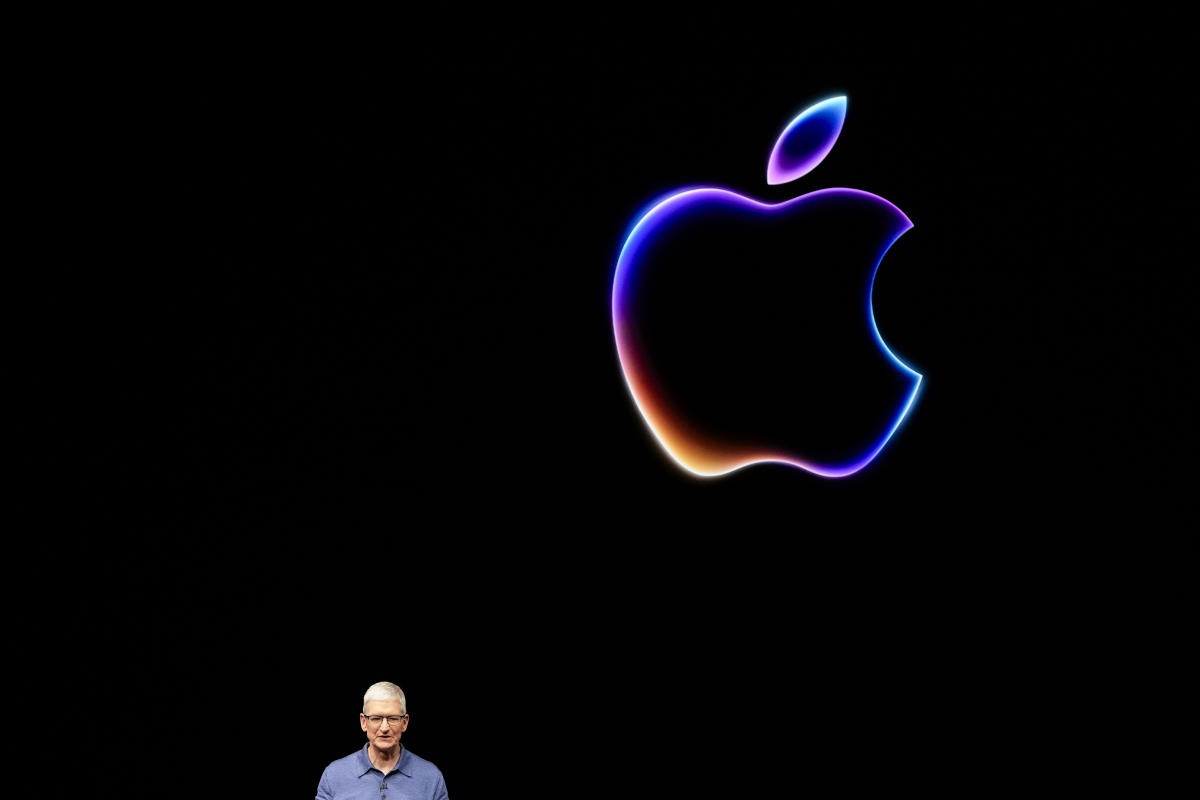
- Significance of WWDC: Apple will host its annual Worldwide Developers Conference (WWDC) at its Cupertino headquarters, marking Tim Cook's last appearance as CEO, with expectations to reboot its AI strategy, which has lagged behind competitors.
- Siri Version Launch: The new version of Siri will utilize Google's Gemini AI models instead of Apple's own, expected to introduce multi-step functionality allowing users to handle multiple tasks in a single request, thereby enhancing user experience and strengthening market competitiveness.
- Potential Earnings Analysis: Analysts predict that Apple's Apple Intelligence platform could yield significant rewards, estimating a 13% increase in earnings per share from an accelerating replacement cycle and an additional 16% from upselling a premium version of Apple Intelligence.
- Subscription Model Opportunities: Evercore ISI analysts suggest that Apple could benefit from an iCloud-style AI subscription service and App Store fees for third-party AI apps, emphasizing Apple's distribution advantage with a ~1.25 billion iPhone install base without needing to win the frontier AI model race.
See More

Resin Shortage Impacts Electronics Pricing

- Resin Supply Disruption: The Jubail petrochemical complex in Saudi Arabia has halted production due to Iranian missile strikes, disrupting approximately 70% of the global supply of high-purity polyphenylene ether resin, which is expected to significantly impact electronics pricing.
- PCB Price Surge: According to a Goldman Sachs report, printed circuit board (PCB) prices have risen by up to 40% from March to April, directly affecting the costs of electronic products such as smartphones and computers, leading to increased price pressure on consumers.
- Supply Chain Vulnerability: TTM has indicated that despite its stock price rising over 400% in the past year, it plans to raise product prices by 5% to 25%, reflecting the erosion of profits due to rising raw material costs, particularly in lower-margin devices.
- Long-term Impact Warning: Experts warn that if the resin shortage extends into the autumn, electronics prices could reach their highest levels in a decade, prompting consumers to delay purchases of high-end devices due to rising prices and tight inventory.
See More
Trump Bull Market Faces Challenges from Reduced Buybacks

- Market Performance Review: Despite volatility in March, the S&P 500, Dow Jones, and Nasdaq have surged 70%, 57%, and 142% respectively during Trump's presidency, indicating strong market performance; however, reduced buybacks in 2026 may impact future growth.
- Tax Reform Impact: The Tax Cuts and Jobs Act signed by Trump in 2017 facilitated over $1 trillion in investments, slashing the corporate tax rate from 35% to 21%, which provided funding for share buybacks and propelled stock market gains.
- Changing Buyback Trends: In 2025, S&P 500 companies repurchased a total of $1.02 trillion, but buybacks are expected to decline significantly in 2026, with Google and Meta not engaging in buybacks in the most recent quarter, indicating a shift in funding priorities.
- AI Investment vs. Buyback Conflict: As AI data center construction accelerates, many companies are reallocating funds from buybacks to AI infrastructure, leading to a decrease in buybacks that could suppress earnings per share growth and exacerbate the risk of market overvaluation.
See More
Berkshire's Apple Investment: A Decade of Returns
- Remarkable Investment Returns: Berkshire Hathaway's investment in Apple has yielded a staggering 1,300% return over the past decade, transforming a $10,000 investment into $139,630, showcasing its success in the tech sector.
- Significant Stake Value: Despite substantial share sales, Berkshire still holds a 1.6% stake in Apple, currently valued at $71 billion, reflecting its critical position in the global market.
- Market Sentiment Shift: A decade ago, Apple's price-to-earnings ratio was 10.9, which has surged by 246% to 37.7, indicating that the company's strong financial performance has significantly improved market sentiment.
- Investor Risk Advisory: The current high valuation implies that future growth expectations are already priced in, leaving prospective investors with a lack of margin of safety and the risk of not achieving the same growth as in the past.
See More

AI Revolution Drives Stock Market to New Highs
- Market New Highs: The Dow Jones, S&P 500, and Nasdaq Composite reached new highs, with gains of 57%, 70%, and 142% respectively, reflecting strong market performance under Trump’s policies, and are expected to benefit from the $15.7 trillion opportunity presented by the AI revolution.
- Declining Buybacks: Despite the Tax Cuts and Jobs Act enabling over $1 trillion in buybacks, the combined buybacks of Amazon, Alphabet, Microsoft, Meta, and Oracle fell to $12.6 billion in Q4 2025, a 70% drop from 2021 peak, which may negatively impact future earnings per share.
- AI Infrastructure Investment: Alphabet's plan to sell $84.75 billion in stock to fund its AI infrastructure will undermine the effects of its past buybacks and could lead to a significant drop in buybacks in 2026, affecting overall market liquidity.
- Increased Valuation Risks: The current Shiller P/E ratio for the S&P 500 is nearing 43, well above the historical average of 17.4, indicating a lack of margin for error in the market, with the risk of an early-stage bubble burst in AI technology potentially disappointing investor expectations.
See More
Berkshire Hathaway's Decade of Investment Returns
- Significant Investment Returns: Over the past decade, Berkshire Hathaway's investment in Apple has yielded a staggering 1,300% return, transforming a $10,000 investment into $139,630, showcasing its successful strategy in tech stocks.
- Valuation Multiple Expansion: Apple's price-to-earnings ratio has surged from 10.9 a decade ago to 37.7 today, a 246% increase, reflecting strong financial performance and a significant improvement in market sentiment, although future growth expectations face challenges.
- Substantial Stake Value: Berkshire's current stake in Apple is valued at $71 billion, representing 1.6% of its investment portfolio, indicating a major strategic positioning in the tech sector despite facing market volatility risks.
- Outstanding Market Performance: Compared to the S&P 500's 206% return, the Motley Fool Stock Advisor's average return stands at 941%, highlighting the strong performance of its recommended stocks, even though Apple did not make the latest list of top ten stocks.
See More
Apple's WWDC to Reboot AI Strategy Amid CEO Transition
- Significance of WWDC: Apple will host its annual Worldwide Developers Conference (WWDC) at its Cupertino headquarters, marking Tim Cook's last appearance as CEO, with expectations to reboot its AI strategy, which has lagged behind competitors.
- Siri Version Launch: The new version of Siri will utilize Google's Gemini AI models instead of Apple's own, expected to introduce multi-step functionality allowing users to handle multiple tasks in a single request, thereby enhancing user experience and strengthening market competitiveness.
- Potential Earnings Analysis: Analysts predict that Apple's Apple Intelligence platform could yield significant rewards, estimating a 13% increase in earnings per share from an accelerating replacement cycle and an additional 16% from upselling a premium version of Apple Intelligence.
- Subscription Model Opportunities: Evercore ISI analysts suggest that Apple could benefit from an iCloud-style AI subscription service and App Store fees for third-party AI apps, emphasizing Apple's distribution advantage with a ~1.25 billion iPhone install base without needing to win the frontier AI model race.
See More
Resin Shortage Impacts Electronics Pricing
- Resin Supply Disruption: The Jubail petrochemical complex in Saudi Arabia has halted production due to Iranian missile strikes, disrupting approximately 70% of the global supply of high-purity polyphenylene ether resin, which is expected to significantly impact electronics pricing.
- PCB Price Surge: According to a Goldman Sachs report, printed circuit board (PCB) prices have risen by up to 40% from March to April, directly affecting the costs of electronic products such as smartphones and computers, leading to increased price pressure on consumers.
- Supply Chain Vulnerability: TTM has indicated that despite its stock price rising over 400% in the past year, it plans to raise product prices by 5% to 25%, reflecting the erosion of profits due to rising raw material costs, particularly in lower-margin devices.
- Long-term Impact Warning: Experts warn that if the resin shortage extends into the autumn, electronics prices could reach their highest levels in a decade, prompting consumers to delay purchases of high-end devices due to rising prices and tight inventory.
See More
Trump Bull Market Faces Challenges from Reduced Buybacks
- Market Performance Review: Despite volatility in March, the S&P 500, Dow Jones, and Nasdaq have surged 70%, 57%, and 142% respectively during Trump's presidency, indicating strong market performance; however, reduced buybacks in 2026 may impact future growth.
- Tax Reform Impact: The Tax Cuts and Jobs Act signed by Trump in 2017 facilitated over $1 trillion in investments, slashing the corporate tax rate from 35% to 21%, which provided funding for share buybacks and propelled stock market gains.
- Changing Buyback Trends: In 2025, S&P 500 companies repurchased a total of $1.02 trillion, but buybacks are expected to decline significantly in 2026, with Google and Meta not engaging in buybacks in the most recent quarter, indicating a shift in funding priorities.
- AI Investment vs. Buyback Conflict: As AI data center construction accelerates, many companies are reallocating funds from buybacks to AI infrastructure, leading to a decrease in buybacks that could suppress earnings per share growth and exacerbate the risk of market overvaluation.
See More
Berkshire's Apple Investment: A Decade of Returns
- Remarkable Investment Returns: Berkshire Hathaway's investment in Apple has yielded a staggering 1,300% return over the past decade, transforming a $10,000 investment into $139,630, showcasing its success in the tech sector.
- Significant Stake Value: Despite substantial share sales, Berkshire still holds a 1.6% stake in Apple, currently valued at $71 billion, reflecting its critical position in the global market.
- Market Sentiment Shift: A decade ago, Apple's price-to-earnings ratio was 10.9, which has surged by 246% to 37.7, indicating that the company's strong financial performance has significantly improved market sentiment.
- Investor Risk Advisory: The current high valuation implies that future growth expectations are already priced in, leaving prospective investors with a lack of margin of safety and the risk of not achieving the same growth as in the past.
See More
AI Revolution Drives Stock Market to New Highs
- Market New Highs: The Dow Jones, S&P 500, and Nasdaq Composite reached new highs, with gains of 57%, 70%, and 142% respectively, reflecting strong market performance under Trump’s policies, and are expected to benefit from the $15.7 trillion opportunity presented by the AI revolution.
- Declining Buybacks: Despite the Tax Cuts and Jobs Act enabling over $1 trillion in buybacks, the combined buybacks of Amazon, Alphabet, Microsoft, Meta, and Oracle fell to $12.6 billion in Q4 2025, a 70% drop from 2021 peak, which may negatively impact future earnings per share.
- AI Infrastructure Investment: Alphabet's plan to sell $84.75 billion in stock to fund its AI infrastructure will undermine the effects of its past buybacks and could lead to a significant drop in buybacks in 2026, affecting overall market liquidity.
- Increased Valuation Risks: The current Shiller P/E ratio for the S&P 500 is nearing 43, well above the historical average of 17.4, indicating a lack of margin for error in the market, with the risk of an early-stage bubble burst in AI technology potentially disappointing investor expectations.
See More