Global Airline Profits Expected to Plummet
Written by Emily J. Thompson, Senior Investment Analyst
Updated: 1 hour ago
0mins
Source: seekingalpha
- Profit Forecast Decline: The International Air Transport Association (IATA) projects that global airline net profits will drop to $23 billion in 2026, down from $45 billion in 2025, highlighting increasing financial strain on the industry.
- Revenue vs. Cost Imbalance: While total industry revenue is expected to rise by 9.4% to $1.17 trillion in 2026, operating expenses are projected to grow by 13% to $1.12 trillion, leading to a profit margin decline from 4.2% last year to 2.0%, indicating the erosion of profitability due to rising costs.
- Surging Fuel Costs: Fuel costs are anticipated to increase by nearly 40% to $350 billion, with average jet fuel prices rising almost 70% from a year earlier, presenting significant challenges for airlines in maintaining profitability.
- Increased Market Risks: IATA emphasizes that geopolitical shocks and fuel price volatility threaten the airline industry's profitability, as rising operating costs keep returns below the cost of capital, raising investor concerns about sustainable shareholder returns.
Trade with 70% Backtested Accuracy
Stop guessing "Should I Buy UAL?" and start using high-conviction signals backed by rigorous historical data.
Sign up today to access powerful investing tools and make smarter, data-driven decisions.
Analyst Views on UAL
Wall Street analysts forecast UAL stock price to rise
16 Analyst Rating
15 Buy
1 Hold
0 Sell
Strong Buy
Current: 104.940

Low
115.00
Averages
139.07
High
156.00
Current: 104.940
Low
115.00
Averages
139.07
High
156.00
About UAL
United Airlines Holdings, Inc. is a holding company. The Company transports people and cargo throughout North America and to destinations in Asia, Europe, Africa, the Pacific, the Middle East and Latin America. The Company, through United Airlines, Inc., and its regional carriers, operates across over six continents, with hubs at Chicago O'Hare International Airport (ORD), Denver International Airport (DEN), George Bush Intercontinental Airport (IAH), Los Angeles International Airport (LAX), Newark Liberty International Airport (EWR), San Francisco International Airport (SFO), Washington Dulles International Airport (IAD) and A.B. Won Pat International Airport (GUM). Its hub and spoke system allow it to transport passengers between a large number of destinations with frequent services. The Company has contractual relationships with various regional carriers to provide regional aircraft service branded as United Express. It provides freight and mail transportation services (Air Cargo).
About the author

Emily J. Thompson
Emily J. Thompson, a Chartered Financial Analyst (CFA) with 12 years in investment research, graduated with honors from the Wharton School. Specializing in industrial and technology stocks, she provides in-depth analysis for Intellectia’s earnings and market brief reports.
Global Airline Profits Expected to Plummet


- Profit Forecast Decline: The International Air Transport Association (IATA) projects that global airline net profits will drop to $23 billion in 2026, down from $45 billion in 2025, highlighting increasing financial strain on the industry.
- Revenue vs. Cost Imbalance: While total industry revenue is expected to rise by 9.4% to $1.17 trillion in 2026, operating expenses are projected to grow by 13% to $1.12 trillion, leading to a profit margin decline from 4.2% last year to 2.0%, indicating the erosion of profitability due to rising costs.
- Surging Fuel Costs: Fuel costs are anticipated to increase by nearly 40% to $350 billion, with average jet fuel prices rising almost 70% from a year earlier, presenting significant challenges for airlines in maintaining profitability.
- Increased Market Risks: IATA emphasizes that geopolitical shocks and fuel price volatility threaten the airline industry's profitability, as rising operating costs keep returns below the cost of capital, raising investor concerns about sustainable shareholder returns.
See More

United Airlines CEO Criticizes Rolls-Royce for Lack of Support
- Contract Dispute: United Airlines CEO Scott Kirby publicly criticized Rolls-Royce at the International Air Transport Association meeting, accusing the engine maker of failing to meet contractual commitments, which led United to walk away from an order for 45 Airbus A350 aircraft, highlighting the limited bargaining power airlines have against engine suppliers.
- Market Competition: Kirby pointed out that Rolls-Royce's monopoly position on the Airbus A350-1000 allows it to continue winning orders despite disputes with United, reflecting the significant leverage engine manufacturers hold in the aerospace market.
- Operational Adjustments: In response to rising jet fuel prices, United has reduced flights by 5% and increased fares by about 20%, although Kirby does not expect these changes to result in lasting structural shifts, indicating increased operational stress that could impact profitability.
- Strategic Partnership Outlook: Rolls-Royce's CEO stated that they have met all contractual obligations and expressed a desire to find a way to work with United, suggesting potential for future collaboration despite the current tensions in their relationship.
See More
American Airlines Stock Rises Amid Growth Potential Commentary
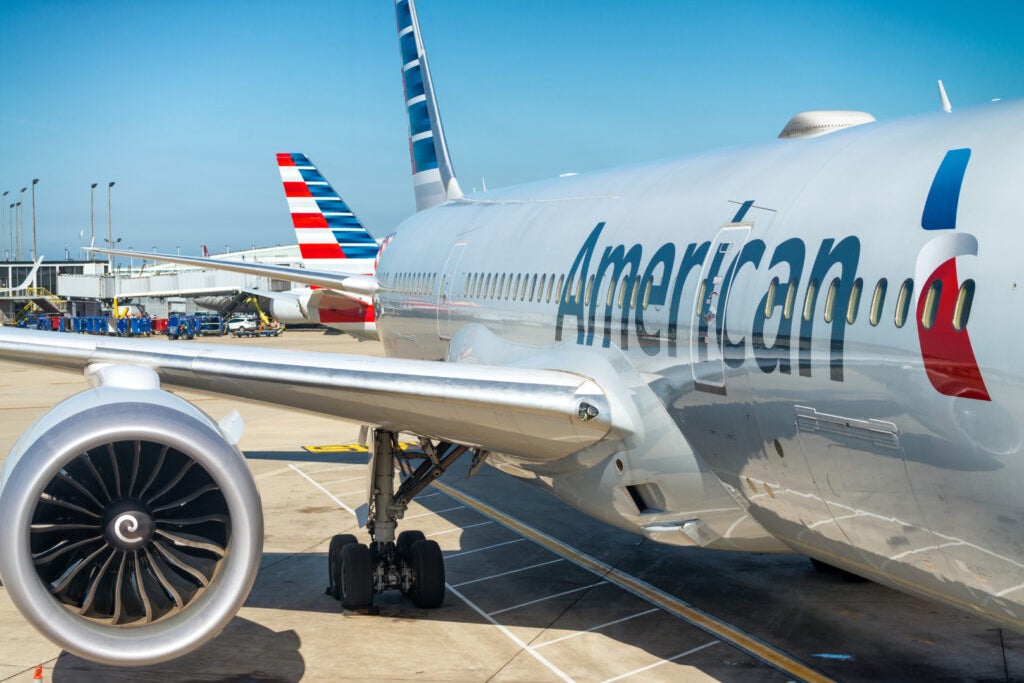
- Surge in Trading Volume: American Airlines Group closed at $13.50 on Friday, up 1.50%, with trading volume reaching 105.7 million shares, which is 75% above its three-month average, indicating heightened market interest in its growth potential.
- Debt Level Reduction: The company successfully reduced its debt to $34.7 billion, the lowest in over a decade, which, despite high fuel price pressures, lays a foundation for future profitability growth according to analysts.
- Earnings Beat Expectations: American Airlines exceeded earnings expectations in Q1 2026, demonstrating that its efforts to enhance customer loyalty and increase premium demand are yielding results, even as its stock fell nearly 8% this week.
- Complex Market Environment: While airline stocks showed mixed performance and face challenges from fluctuating oil prices, American Airlines' growth potential and strong market demand may support its long-term recovery.
See More
American Airlines Stock Rises Slightly Amid Growth Potential Commentary
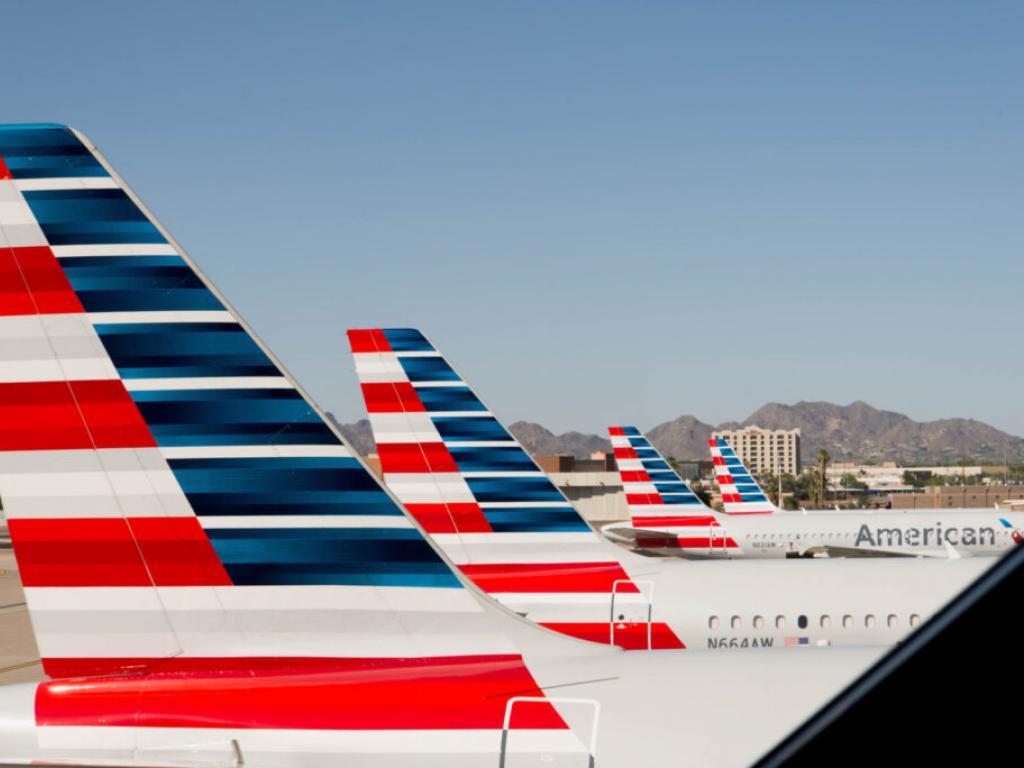
- Stock Price Increase: American Airlines Group (AAL) saw a 1.54% increase in stock price, closing at $13.50, reflecting investor confidence in its growth potential despite overall market declines.
- Surge in Trading Volume: The trading volume reached 105.7 million shares, about 75% above the three-month average, indicating a significant rise in market interest for the stock.
- Improved Financial Position: The company's debt has been reduced to $34.7 billion, its lowest level in over a decade, and Q1 2026 earnings exceeded expectations, showcasing resilience amid high fuel price pressures.
- Future Growth Potential: Despite challenges from rising fuel prices, analysts believe that the company's focus on loyalty programs, increasing premium demand, and debt reduction will lay the groundwork for long-term recovery.
See More

eVTOL Aircraft Set to Transform Urban Transportation

- Massive Market Potential: According to a Morgan Stanley report, the total addressable market for urban air mobility could reach a staggering $9 trillion by 2050, highlighting the significant growth potential of the eVTOL industry and attracting investor interest.
- FAA Certification Progress: Joby and Archer, as partners in the FAA's eVTOL Integration Pilot Program, are accelerating their progress through the rigorous multistage certification process, paving the way for future commercial operations and ensuring their competitive positioning in this emerging market.
- Divergent Business Models: Joby is pursuing a vertically integrated, direct-to-consumer model, planning to own and operate its own air taxi network, while Archer adopts an asset-light approach, leveraging partnerships with Stellantis to achieve efficient production and rapid market expansion.
- Enhanced Production Capacity: Joby's facilities in California and Ohio can produce up to 500 eVTOL aircraft annually, while Archer's high-volume manufacturing facility in Georgia aims for 650 aircraft per year, showcasing the competitive advantages in production capabilities for both companies.
See More

Dow Hits All-Time High as Oil Prices Cool


- Dow's Historic High: The Dow Jones Industrial Average reached an all-time high during a strong trading session, reflecting market optimism about the potential end of the Iran war, despite a weaker performance from the Nasdaq, indicating a divergence in tech stocks.
- Oil Price Decline: Brent crude futures fell by 2.8% to close at $95.03 per barrel, while West Texas Intermediate futures dropped 3.1% to settle at $93.04, suggesting a reduction in market concerns over future supply, which could impact profitability in the energy sector.
- Tech Stock Volatility: Broadcom's stock plummeted approximately 15% after missing revenue expectations, dragging the Nasdaq down nearly 0.1%, highlighting the pressures faced by the tech industry that may affect overall market sentiment.
- SpaceX IPO Festivities: Major Wall Street banks, including Bank of America, JPMorgan, and Morgan Stanley, are hosting lavish events for SpaceX's record $75 billion IPO, which is expected to value the company at $1.75 trillion, further driving market attention towards tech stock performance.
See More
Global Airline Profits Expected to Plummet
- Profit Forecast Decline: The International Air Transport Association (IATA) projects that global airline net profits will drop to $23 billion in 2026, down from $45 billion in 2025, highlighting increasing financial strain on the industry.
- Revenue vs. Cost Imbalance: While total industry revenue is expected to rise by 9.4% to $1.17 trillion in 2026, operating expenses are projected to grow by 13% to $1.12 trillion, leading to a profit margin decline from 4.2% last year to 2.0%, indicating the erosion of profitability due to rising costs.
- Surging Fuel Costs: Fuel costs are anticipated to increase by nearly 40% to $350 billion, with average jet fuel prices rising almost 70% from a year earlier, presenting significant challenges for airlines in maintaining profitability.
- Increased Market Risks: IATA emphasizes that geopolitical shocks and fuel price volatility threaten the airline industry's profitability, as rising operating costs keep returns below the cost of capital, raising investor concerns about sustainable shareholder returns.
See More
United Airlines CEO Criticizes Rolls-Royce for Lack of Support
- Contract Dispute: United Airlines CEO Scott Kirby publicly criticized Rolls-Royce at the International Air Transport Association meeting, accusing the engine maker of failing to meet contractual commitments, which led United to walk away from an order for 45 Airbus A350 aircraft, highlighting the limited bargaining power airlines have against engine suppliers.
- Market Competition: Kirby pointed out that Rolls-Royce's monopoly position on the Airbus A350-1000 allows it to continue winning orders despite disputes with United, reflecting the significant leverage engine manufacturers hold in the aerospace market.
- Operational Adjustments: In response to rising jet fuel prices, United has reduced flights by 5% and increased fares by about 20%, although Kirby does not expect these changes to result in lasting structural shifts, indicating increased operational stress that could impact profitability.
- Strategic Partnership Outlook: Rolls-Royce's CEO stated that they have met all contractual obligations and expressed a desire to find a way to work with United, suggesting potential for future collaboration despite the current tensions in their relationship.
See More
American Airlines Stock Rises Amid Growth Potential Commentary
- Surge in Trading Volume: American Airlines Group closed at $13.50 on Friday, up 1.50%, with trading volume reaching 105.7 million shares, which is 75% above its three-month average, indicating heightened market interest in its growth potential.
- Debt Level Reduction: The company successfully reduced its debt to $34.7 billion, the lowest in over a decade, which, despite high fuel price pressures, lays a foundation for future profitability growth according to analysts.
- Earnings Beat Expectations: American Airlines exceeded earnings expectations in Q1 2026, demonstrating that its efforts to enhance customer loyalty and increase premium demand are yielding results, even as its stock fell nearly 8% this week.
- Complex Market Environment: While airline stocks showed mixed performance and face challenges from fluctuating oil prices, American Airlines' growth potential and strong market demand may support its long-term recovery.
See More
American Airlines Stock Rises Slightly Amid Growth Potential Commentary
- Stock Price Increase: American Airlines Group (AAL) saw a 1.54% increase in stock price, closing at $13.50, reflecting investor confidence in its growth potential despite overall market declines.
- Surge in Trading Volume: The trading volume reached 105.7 million shares, about 75% above the three-month average, indicating a significant rise in market interest for the stock.
- Improved Financial Position: The company's debt has been reduced to $34.7 billion, its lowest level in over a decade, and Q1 2026 earnings exceeded expectations, showcasing resilience amid high fuel price pressures.
- Future Growth Potential: Despite challenges from rising fuel prices, analysts believe that the company's focus on loyalty programs, increasing premium demand, and debt reduction will lay the groundwork for long-term recovery.
See More
eVTOL Aircraft Set to Transform Urban Transportation
- Massive Market Potential: According to a Morgan Stanley report, the total addressable market for urban air mobility could reach a staggering $9 trillion by 2050, highlighting the significant growth potential of the eVTOL industry and attracting investor interest.
- FAA Certification Progress: Joby and Archer, as partners in the FAA's eVTOL Integration Pilot Program, are accelerating their progress through the rigorous multistage certification process, paving the way for future commercial operations and ensuring their competitive positioning in this emerging market.
- Divergent Business Models: Joby is pursuing a vertically integrated, direct-to-consumer model, planning to own and operate its own air taxi network, while Archer adopts an asset-light approach, leveraging partnerships with Stellantis to achieve efficient production and rapid market expansion.
- Enhanced Production Capacity: Joby's facilities in California and Ohio can produce up to 500 eVTOL aircraft annually, while Archer's high-volume manufacturing facility in Georgia aims for 650 aircraft per year, showcasing the competitive advantages in production capabilities for both companies.
See More
Dow Hits All-Time High as Oil Prices Cool
- Dow's Historic High: The Dow Jones Industrial Average reached an all-time high during a strong trading session, reflecting market optimism about the potential end of the Iran war, despite a weaker performance from the Nasdaq, indicating a divergence in tech stocks.
- Oil Price Decline: Brent crude futures fell by 2.8% to close at $95.03 per barrel, while West Texas Intermediate futures dropped 3.1% to settle at $93.04, suggesting a reduction in market concerns over future supply, which could impact profitability in the energy sector.
- Tech Stock Volatility: Broadcom's stock plummeted approximately 15% after missing revenue expectations, dragging the Nasdaq down nearly 0.1%, highlighting the pressures faced by the tech industry that may affect overall market sentiment.
- SpaceX IPO Festivities: Major Wall Street banks, including Bank of America, JPMorgan, and Morgan Stanley, are hosting lavish events for SpaceX's record $75 billion IPO, which is expected to value the company at $1.75 trillion, further driving market attention towards tech stock performance.
See More