Repsol Utilizes Dolphin Drilling's Rig for Plugging and Abandonment Operations

Repsol and Dolphin Drilling Agreement: Repsol S.A. has signed a contract with Dolphin Drilling for the Borgland Dolphin semi-submersible rig, covering well, plug, and abandonment services for seven wells over at least 220 days, with an option for three additional wells. The operations are set to begin towards the end of 2026.
Borgland Dolphin Rig Details: The Borgland Dolphin rig, currently warm-stacked in Las Palmas, will undergo a mandatory inspection before mobilization. Built in 1977, it can drill to depths of 27,800 feet and operate in water depths of up to 1,476 feet.
Other Energy Sector Highlights: Cheniere Energy has made progress with its LNG projects, while Galp Energia has discovered significant oil reserves in Namibia. Oceaneering International continues to provide integrated technology solutions for the offshore oilfield lifecycle.
Investment Opportunities: The convergence of artificial intelligence and quantum computing is highlighted as a potential wealth-building opportunity, with recommendations for stocks poised to benefit from this technological advancement.
Trade with 70% Backtested Accuracy
Analyst Views on LNG

About LNG
About the author

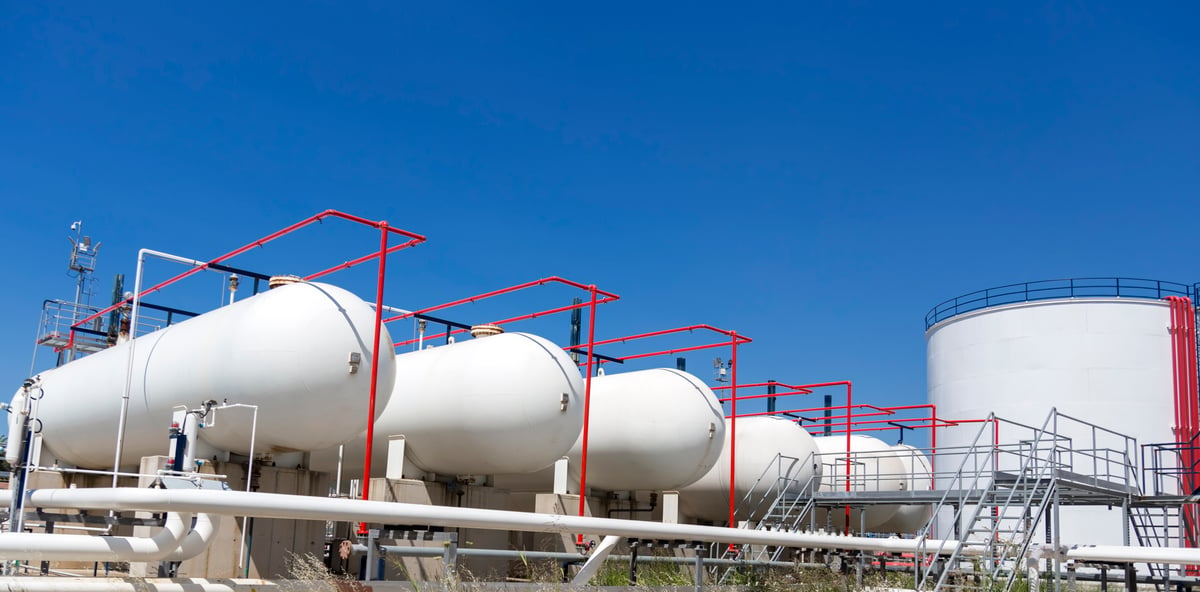
Surge in LNG Demand Boosts Energy Stocks Outlook


- Demand Growth Forecast: According to Shell's LNG Outlook 2026, global liquefied natural gas demand is expected to increase by 700 million tons by 2050, representing a 65% surge from 2025 levels, which will enhance the long-term investment value of related energy stocks.
- U.S. LNG Dominance: The U.S. has emerged as the world's largest LNG exporter, with significant growth in LNG exports over the past decade, bolstering investor confidence in LNG stocks, particularly in the context of energy independence.
- ExxonMobil's Expansion Plans: ExxonMobil is undertaking four large-scale LNG projects, expecting to double its LNG capacity by 2030, adding 40 million metric tons annually, demonstrating strong bullish sentiment towards the LNG market's future.
- Long-Term Investment Opportunities: Cheniere Energy is set to complete three expansion projects in the coming years, with projected distributable cash flow reaching $4.75 billion to $5.25 billion by 2026, further solidifying its leadership position in the LNG sector.

Surging LNG Demand Creates Investment Opportunities
- Demand Growth Forecast: According to Shell's LNG Outlook 2026, global LNG demand is expected to increase by 700 million tons by 2050, representing a 65% surge from 2025 levels, which presents significant market opportunities for related companies.
- ExxonMobil's Investments: ExxonMobil is undertaking four large-scale LNG projects, expecting to double its LNG portfolio by 2030 from 2020 levels, which could increase its annual output by 40 million metric tons, demonstrating strong confidence in the LNG market.
- Cheniere Energy's Expansion: Cheniere Energy is working on three expansion projects, with one expected to be fully operational this year and the other two coming online in 2028 and 2029, projecting distributable cash flow of $4.75 billion to $5.25 billion by 2026, showcasing its stable cash flow capabilities.
- Energy Transfer's Growth: Energy Transfer reported $185 million in EBITDA growth in its natural gas liquids and refining business in the first quarter, indicating strong growth momentum in the North American midstream market while actively investing to meet energy demands from data centers.

Cheniere Energy Updates on LNG Project Progress
- Significant Project Progress: Cheniere Energy announced the substantial completion of Train 6 at the Corpus Christi Liquefaction facility in Texas, marking a crucial advancement in the company's LNG export capacity, which is expected to significantly enhance its market competitiveness.
- Capacity Expansion Plans: The company plans to add seven additional mid-scale trains at CCL, increasing annual production capacity by over 10 million tonnes, raising CCL's total capacity above 25 million tonnes and overall company capacity to 55 million tonnes, further solidifying its market position.
- Long-Term Contract Security: Cheniere mitigates risks in its expansion projects by signing long-term offtake agreements before making investment decisions, ensuring the smooth progress of the CCL project, which is a positive signal for investors.
- Market Environment Impact: While the reopening of the Strait of Hormuz may alleviate LNG supply concerns, Qatar's capacity recovery will take years, potentially benefiting Cheniere in future market competition, especially against the backdrop of regional instability.

Cheniere Energy Expands LNG Capacity Amid Geopolitical Risks
- Capacity Expansion Plan: Cheniere Energy is advancing the substantial completion of Train 6 at the Corpus Christi Liquefaction facility in Texas, which is expected to raise CCL's capacity above 25 million tonnes per annum and overall company capacity to 55 million tonnes per annum, significantly enhancing its market competitiveness.
- Long-term Supply Advantage: While geopolitical risks in the Strait of Hormuz may impact LNG supply, Cheniere mitigates expansion project risks by signing long-term offtake agreements, ensuring stability and profitability in future markets.
- Future Growth Potential: Cheniere plans to add seven additional mid-scale trains at CCL, with an expected increase of 5 million tonnes of capacity by the end of 2028, showcasing its long-term growth potential in the LNG market and the possibility of surpassing 100 million tonnes of production capacity by the mid-2030s.
- Market Competitive Landscape: Even if the Strait of Hormuz reopens, the ongoing threat of future supply disruptions may still confer a competitive advantage to Cheniere, particularly as Qatar faces challenges in the financial viability of its own expansion plans.

Cheniere Energy Emphasizes Supply Diversification for Energy Security
- Energy Security Diversification: Cheniere Energy's CFO Zach Davis stated at a Houston conference that developing countries should not rely solely on the U.S. for energy security, highlighting the critical need for diversified liquefied natural gas supply to ensure affordability and mitigate supply risks for emerging economies.
- Qatar's Key Role: Davis noted Qatar's significant role in global LNG markets, particularly as its exports have been severely disrupted by the U.S.-Iran war, and Cheniere welcomes Qatar's full return to enhance supply diversity in the market.
- Pricing Mechanism Differences: He mentioned that Qatar's LNG is typically priced against Brent crude, while U.S. cargoes are linked to Henry Hub gas prices, providing buyers with a wider range of pricing options, which could foster greater market competition.
- Long-Term Demand Focus: Cheniere is prioritizing long-term demand growth over short-term profits amid elevated LNG prices, with Davis asserting that “creating demand is more important than capturing margins in the current price environment.”

U.S. Energy Policy Overhaul and Opportunities for Three Major Companies
- Policy Overhaul Context: The Trump administration is rewriting the U.S. oil and gas strategy by shortening permit timelines, lifting moratoriums, and fast-tracking LNG exports, which is expected to significantly enhance the market performance of related companies.
- ExxonMobil's Advantage: As the largest oil and gas producer in the U.S., ExxonMobil doubled its Permian Basin production after acquiring Pioneer Natural Resources for $60 billion in 2024, projecting $25 billion in incremental earnings by 2030, showcasing its strong leverage in the policy shift.
- Cheniere Energy's Growth Potential: As the largest LNG producer in the U.S., Cheniere Energy is expanding its Corpus Christi LNG terminal by nearly 15 million tons per annum, guiding for $4.75 billion to $5.25 billion in distributable cash flow by 2026, fully benefiting from supportive policies.
- GE Vernova's Market Outlook: GE Vernova's gas turbine orders surged to 100 gigawatts, expected to exceed 110 gigawatts by the end of 2026, with the EPA easing emission standards allowing for increased production capacity, demonstrating strong pricing power and revenue visibility in the coming years.
Surge in LNG Demand Boosts Energy Stocks Outlook
- Demand Growth Forecast: According to Shell's LNG Outlook 2026, global liquefied natural gas demand is expected to increase by 700 million tons by 2050, representing a 65% surge from 2025 levels, which will enhance the long-term investment value of related energy stocks.
- U.S. LNG Dominance: The U.S. has emerged as the world's largest LNG exporter, with significant growth in LNG exports over the past decade, bolstering investor confidence in LNG stocks, particularly in the context of energy independence.
- ExxonMobil's Expansion Plans: ExxonMobil is undertaking four large-scale LNG projects, expecting to double its LNG capacity by 2030, adding 40 million metric tons annually, demonstrating strong bullish sentiment towards the LNG market's future.
- Long-Term Investment Opportunities: Cheniere Energy is set to complete three expansion projects in the coming years, with projected distributable cash flow reaching $4.75 billion to $5.25 billion by 2026, further solidifying its leadership position in the LNG sector.
Surging LNG Demand Creates Investment Opportunities
- Demand Growth Forecast: According to Shell's LNG Outlook 2026, global LNG demand is expected to increase by 700 million tons by 2050, representing a 65% surge from 2025 levels, which presents significant market opportunities for related companies.
- ExxonMobil's Investments: ExxonMobil is undertaking four large-scale LNG projects, expecting to double its LNG portfolio by 2030 from 2020 levels, which could increase its annual output by 40 million metric tons, demonstrating strong confidence in the LNG market.
- Cheniere Energy's Expansion: Cheniere Energy is working on three expansion projects, with one expected to be fully operational this year and the other two coming online in 2028 and 2029, projecting distributable cash flow of $4.75 billion to $5.25 billion by 2026, showcasing its stable cash flow capabilities.
- Energy Transfer's Growth: Energy Transfer reported $185 million in EBITDA growth in its natural gas liquids and refining business in the first quarter, indicating strong growth momentum in the North American midstream market while actively investing to meet energy demands from data centers.
Cheniere Energy Updates on LNG Project Progress
- Significant Project Progress: Cheniere Energy announced the substantial completion of Train 6 at the Corpus Christi Liquefaction facility in Texas, marking a crucial advancement in the company's LNG export capacity, which is expected to significantly enhance its market competitiveness.
- Capacity Expansion Plans: The company plans to add seven additional mid-scale trains at CCL, increasing annual production capacity by over 10 million tonnes, raising CCL's total capacity above 25 million tonnes and overall company capacity to 55 million tonnes, further solidifying its market position.
- Long-Term Contract Security: Cheniere mitigates risks in its expansion projects by signing long-term offtake agreements before making investment decisions, ensuring the smooth progress of the CCL project, which is a positive signal for investors.
- Market Environment Impact: While the reopening of the Strait of Hormuz may alleviate LNG supply concerns, Qatar's capacity recovery will take years, potentially benefiting Cheniere in future market competition, especially against the backdrop of regional instability.
Cheniere Energy Expands LNG Capacity Amid Geopolitical Risks
- Capacity Expansion Plan: Cheniere Energy is advancing the substantial completion of Train 6 at the Corpus Christi Liquefaction facility in Texas, which is expected to raise CCL's capacity above 25 million tonnes per annum and overall company capacity to 55 million tonnes per annum, significantly enhancing its market competitiveness.
- Long-term Supply Advantage: While geopolitical risks in the Strait of Hormuz may impact LNG supply, Cheniere mitigates expansion project risks by signing long-term offtake agreements, ensuring stability and profitability in future markets.
- Future Growth Potential: Cheniere plans to add seven additional mid-scale trains at CCL, with an expected increase of 5 million tonnes of capacity by the end of 2028, showcasing its long-term growth potential in the LNG market and the possibility of surpassing 100 million tonnes of production capacity by the mid-2030s.
- Market Competitive Landscape: Even if the Strait of Hormuz reopens, the ongoing threat of future supply disruptions may still confer a competitive advantage to Cheniere, particularly as Qatar faces challenges in the financial viability of its own expansion plans.
Cheniere Energy Emphasizes Supply Diversification for Energy Security
- Energy Security Diversification: Cheniere Energy's CFO Zach Davis stated at a Houston conference that developing countries should not rely solely on the U.S. for energy security, highlighting the critical need for diversified liquefied natural gas supply to ensure affordability and mitigate supply risks for emerging economies.
- Qatar's Key Role: Davis noted Qatar's significant role in global LNG markets, particularly as its exports have been severely disrupted by the U.S.-Iran war, and Cheniere welcomes Qatar's full return to enhance supply diversity in the market.
- Pricing Mechanism Differences: He mentioned that Qatar's LNG is typically priced against Brent crude, while U.S. cargoes are linked to Henry Hub gas prices, providing buyers with a wider range of pricing options, which could foster greater market competition.
- Long-Term Demand Focus: Cheniere is prioritizing long-term demand growth over short-term profits amid elevated LNG prices, with Davis asserting that “creating demand is more important than capturing margins in the current price environment.”
U.S. Energy Policy Overhaul and Opportunities for Three Major Companies
- Policy Overhaul Context: The Trump administration is rewriting the U.S. oil and gas strategy by shortening permit timelines, lifting moratoriums, and fast-tracking LNG exports, which is expected to significantly enhance the market performance of related companies.
- ExxonMobil's Advantage: As the largest oil and gas producer in the U.S., ExxonMobil doubled its Permian Basin production after acquiring Pioneer Natural Resources for $60 billion in 2024, projecting $25 billion in incremental earnings by 2030, showcasing its strong leverage in the policy shift.
- Cheniere Energy's Growth Potential: As the largest LNG producer in the U.S., Cheniere Energy is expanding its Corpus Christi LNG terminal by nearly 15 million tons per annum, guiding for $4.75 billion to $5.25 billion in distributable cash flow by 2026, fully benefiting from supportive policies.
- GE Vernova's Market Outlook: GE Vernova's gas turbine orders surged to 100 gigawatts, expected to exceed 110 gigawatts by the end of 2026, with the EPA easing emission standards allowing for increased production capacity, demonstrating strong pricing power and revenue visibility in the coming years.