ReNew Energy Signs Long-Term Agreement with Google for 150 MW Solar Project

ReNew Energy Global (RNW) announced that it has signed a long-term agreement with Google (GOOGL) to enable the development of a new 150 megawatt solar project in Rajasthan. Under this partnership, Google will procure the project's energy attributes from ReNew. This long-term procurement is essential for the bankability of the project, and will also help Google make progress towards addressing its value chain emissions. The 150 MW solar project, scheduled for commissioning in 2026, is expected to generate approximately 425,000 MWh of clean electricity annually, which is equivalent to powering over 360,000 Indian households. With this agreement, ReNew's committed commercial and industrial portfolio expands to 2.7 gigawatts (GW), reinforcing its position as one of India's leading providers of corporate clean energy and carbon reduction solutions.
Trade with 70% Backtested Accuracy
Analyst Views on GOOGL

About GOOGL
About the author

OpenAI Acquires Cybersecurity Startup Promptfoo

- Acquisition Announcement: OpenAI has announced the acquisition of cybersecurity startup Promptfoo, with the team joining OpenAI to enhance security and governance capabilities within its Frontier platform, although deal terms remain undisclosed.
- Technology Integration: Promptfoo's security tools will be integrated into OpenAI's Frontier platform, addressing the security challenges posed by AI agents connecting to real data and systems, thereby improving the safety and reliability of AI systems.
- Funding Background: In July 2023, Promptfoo completed a Series A financing round of $18.4 million led by Insight Partners, with participation from Andreessen Horowitz, bringing its total funding to $22.68 million and a valuation of $85.50 million.
- Team Expansion: With 11 employees, Promptfoo's integration into OpenAI will accelerate the development of its open-source project, aiding developers in testing and comparing the performance of various AI-related prompts and agents, further promoting the secure application of AI technology.

Buffett's Investment Philosophy Lives On: The Appeal of Apple and Alphabet

- Apple's Brand Strength: Apple continues to attract consumers with its strong brand influence and customer loyalty, as evidenced by its latest earnings report showing a 16% year-over-year revenue increase to $143.8 billion in Q1 2026, indicating its solid market position and long-term growth potential.
- Expansion of Service Ecosystem: Apple's services segment reached a new high for paid accounts in Q1 2026, and with the growing base of active devices, there are ample opportunities to further tap into revenue streams, enhancing the company's overall profitability.
- Google's Advertising Business: Google's core advertising business generated $113.8 billion in revenue in Q4 2026, an 18% year-over-year increase, showcasing its competitive edge in the search engine market and strong network effects that further solidify its market position.
- Growth Potential in Cloud and AI: Google's cloud segment achieved $17.7 billion in revenue in Q4, up 48% year-over-year, with a cloud backlog of $240 billion, indicating that the company's investments in cloud computing and artificial intelligence will provide robust growth momentum for the future.

Growing Skepticism Towards AI in the U.S.

- Public Skepticism: OpenAI CEO Sam Altman highlighted at BlackRock's US Infrastructure Summit that skepticism towards AI is rising, with many Americans blaming the technology for increasing energy costs and corporate layoffs, even when AI may not be directly responsible.
- Challenges to AI Adoption: Altman warned of 'a bunch of potential headwinds' slowing AI adoption, stating that 'AI is not very popular in the U.S. right now,' indicating a decline in public acceptance that could impact future investments and development.
- Economic Impact Forecast: Investor Vinod Khosla predicted that by 2030, AI could handle 80% of jobs, potentially replacing a significant portion of the $15 trillion U.S. labor output, which could sharply reduce costs and increase purchasing power.
- Debate on Control and Responsibility: Altman emphasized ongoing tensions regarding the power dynamics between governments and companies, suggesting that this debate could influence policy-making and technology regulation, further affecting the development and application of AI.

China Rapidly Embraces OpenClaw AI Assistant

- Surge in Market Demand: The usage of OpenClaw in China has surpassed that in the U.S., indicating a strong domestic demand for this open-source AI assistant, which is driving local tech companies to develop related applications and is expected to enhance market competitiveness.
- Tencent Product Launch: Tencent has launched a full suite of AI products based on OpenClaw, dubbed 'Lobster Special Forces,' compatible with its super app WeChat, aiming to attract more users and strengthen its leadership position in the AI market.
- Government Support Policies: Local governments in Shenzhen and Hefei have proposed funding support of up to 10 million yuan to encourage companies to develop applications based on OpenClaw, demonstrating a strong commitment to promoting AI technology development.
- Installation Convenience Improvement: To reduce the installation complexity of OpenClaw, companies like ByteDance and Tencent have introduced simplified versions and on-site installation services, which are expected to attract more non-technical users and further expand the user base.

Nvidia Plans $26 Billion Investment in Open-Source AI Models

- Future Investment Plan: Nvidia plans to invest $26 billion over the next five years to develop open-source AI models, a strategy that will enhance its capabilities in the software domain, thereby better positioning it to develop and test next-generation AI systems aligned with its industry-leading AI chips.
- Market Competitive Advantage: By launching open-source models, Nvidia can provide researchers and startups with a free foundation for AI systems, further solidifying its market leadership in AI while offering users greater flexibility and customization capabilities.
- Significant Financial Performance: Since the onset of the AI revolution in 2023, Nvidia's revenue has surged over 1,000%, rising from $6 billion to $68 billion, with net income skyrocketing from $1.4 billion to $43 billion, driving its stock price up by 1,170%, reflecting strong market demand and investor confidence.
- Valuation Attractiveness: Despite Nvidia's impressive performance in recent years, its current price-to-earnings ratio is less than 38 times, significantly discounted compared to its five-year average of 74 times, providing investors with an opportunity to purchase its stock at a lower price, thereby enhancing future growth potential.
Nvidia Plans $26 Billion Investment in Open-Source AI Development
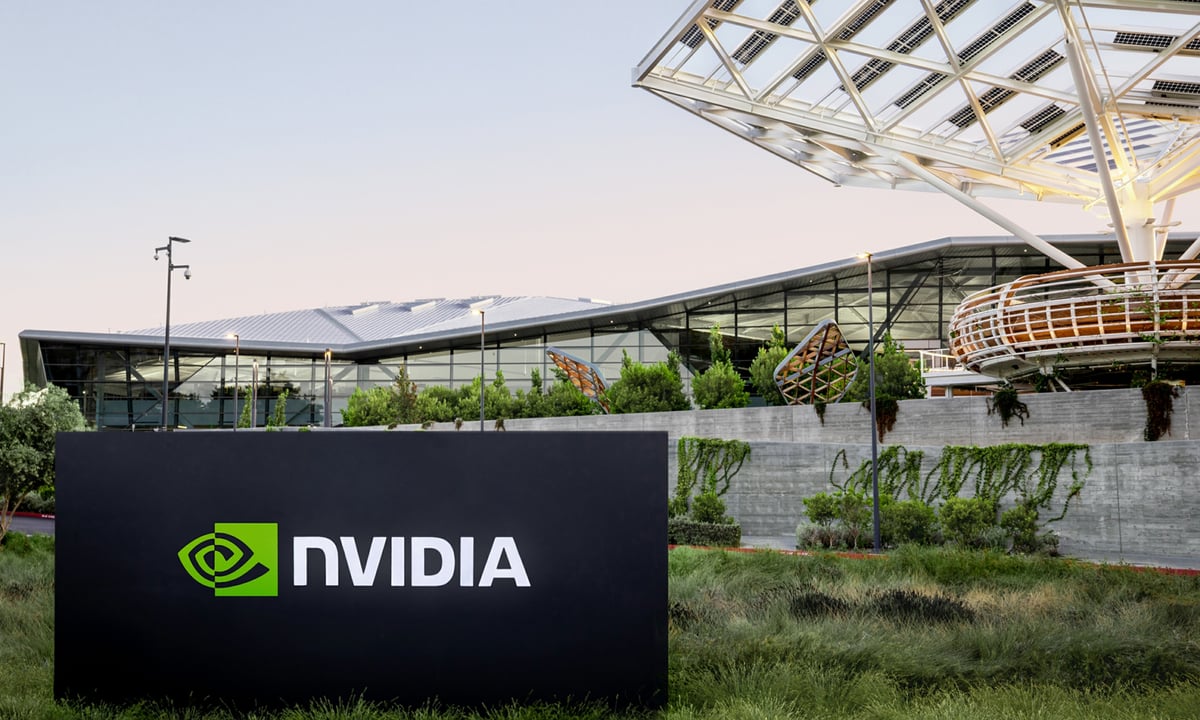
- Future Investment Plan: Nvidia plans to invest $26 billion over the next five years to develop open-source AI models, aiming to enhance its competitiveness in the AI sector and align with its industry-leading AI chips, thereby driving the development and testing of next-generation AI models.
- Market Leadership: With its performance during the AI revolution, Nvidia's market capitalization has reached $4.5 trillion, making it the world's most valuable publicly traded company, showcasing its strong influence and market share in the rapidly growing AI market.
- Strengthened Competitive Advantage: Nvidia's CUDA programming platform and over 400 libraries help developers optimize GPU performance, and if it launches open-source AI models compatible with its GPUs, it will further enhance its market barriers and user loyalty.
- Outstanding Financial Performance: Since the onset of the AI revolution in 2023, Nvidia's revenue has surged over 1,000%, from $6 billion to $68 billion, while net income skyrocketed 2,940%, from $1.4 billion to $43 billion, reflecting its robust financial health and future growth potential.
OpenAI Acquires Cybersecurity Startup Promptfoo
- Acquisition Announcement: OpenAI has announced the acquisition of cybersecurity startup Promptfoo, with the team joining OpenAI to enhance security and governance capabilities within its Frontier platform, although deal terms remain undisclosed.
- Technology Integration: Promptfoo's security tools will be integrated into OpenAI's Frontier platform, addressing the security challenges posed by AI agents connecting to real data and systems, thereby improving the safety and reliability of AI systems.
- Funding Background: In July 2023, Promptfoo completed a Series A financing round of $18.4 million led by Insight Partners, with participation from Andreessen Horowitz, bringing its total funding to $22.68 million and a valuation of $85.50 million.
- Team Expansion: With 11 employees, Promptfoo's integration into OpenAI will accelerate the development of its open-source project, aiding developers in testing and comparing the performance of various AI-related prompts and agents, further promoting the secure application of AI technology.
Buffett's Investment Philosophy Lives On: The Appeal of Apple and Alphabet
- Apple's Brand Strength: Apple continues to attract consumers with its strong brand influence and customer loyalty, as evidenced by its latest earnings report showing a 16% year-over-year revenue increase to $143.8 billion in Q1 2026, indicating its solid market position and long-term growth potential.
- Expansion of Service Ecosystem: Apple's services segment reached a new high for paid accounts in Q1 2026, and with the growing base of active devices, there are ample opportunities to further tap into revenue streams, enhancing the company's overall profitability.
- Google's Advertising Business: Google's core advertising business generated $113.8 billion in revenue in Q4 2026, an 18% year-over-year increase, showcasing its competitive edge in the search engine market and strong network effects that further solidify its market position.
- Growth Potential in Cloud and AI: Google's cloud segment achieved $17.7 billion in revenue in Q4, up 48% year-over-year, with a cloud backlog of $240 billion, indicating that the company's investments in cloud computing and artificial intelligence will provide robust growth momentum for the future.
Growing Skepticism Towards AI in the U.S.
- Public Skepticism: OpenAI CEO Sam Altman highlighted at BlackRock's US Infrastructure Summit that skepticism towards AI is rising, with many Americans blaming the technology for increasing energy costs and corporate layoffs, even when AI may not be directly responsible.
- Challenges to AI Adoption: Altman warned of 'a bunch of potential headwinds' slowing AI adoption, stating that 'AI is not very popular in the U.S. right now,' indicating a decline in public acceptance that could impact future investments and development.
- Economic Impact Forecast: Investor Vinod Khosla predicted that by 2030, AI could handle 80% of jobs, potentially replacing a significant portion of the $15 trillion U.S. labor output, which could sharply reduce costs and increase purchasing power.
- Debate on Control and Responsibility: Altman emphasized ongoing tensions regarding the power dynamics between governments and companies, suggesting that this debate could influence policy-making and technology regulation, further affecting the development and application of AI.
China Rapidly Embraces OpenClaw AI Assistant
- Surge in Market Demand: The usage of OpenClaw in China has surpassed that in the U.S., indicating a strong domestic demand for this open-source AI assistant, which is driving local tech companies to develop related applications and is expected to enhance market competitiveness.
- Tencent Product Launch: Tencent has launched a full suite of AI products based on OpenClaw, dubbed 'Lobster Special Forces,' compatible with its super app WeChat, aiming to attract more users and strengthen its leadership position in the AI market.
- Government Support Policies: Local governments in Shenzhen and Hefei have proposed funding support of up to 10 million yuan to encourage companies to develop applications based on OpenClaw, demonstrating a strong commitment to promoting AI technology development.
- Installation Convenience Improvement: To reduce the installation complexity of OpenClaw, companies like ByteDance and Tencent have introduced simplified versions and on-site installation services, which are expected to attract more non-technical users and further expand the user base.
Nvidia Plans $26 Billion Investment in Open-Source AI Models
- Future Investment Plan: Nvidia plans to invest $26 billion over the next five years to develop open-source AI models, a strategy that will enhance its capabilities in the software domain, thereby better positioning it to develop and test next-generation AI systems aligned with its industry-leading AI chips.
- Market Competitive Advantage: By launching open-source models, Nvidia can provide researchers and startups with a free foundation for AI systems, further solidifying its market leadership in AI while offering users greater flexibility and customization capabilities.
- Significant Financial Performance: Since the onset of the AI revolution in 2023, Nvidia's revenue has surged over 1,000%, rising from $6 billion to $68 billion, with net income skyrocketing from $1.4 billion to $43 billion, driving its stock price up by 1,170%, reflecting strong market demand and investor confidence.
- Valuation Attractiveness: Despite Nvidia's impressive performance in recent years, its current price-to-earnings ratio is less than 38 times, significantly discounted compared to its five-year average of 74 times, providing investors with an opportunity to purchase its stock at a lower price, thereby enhancing future growth potential.
Nvidia Plans $26 Billion Investment in Open-Source AI Development
- Future Investment Plan: Nvidia plans to invest $26 billion over the next five years to develop open-source AI models, aiming to enhance its competitiveness in the AI sector and align with its industry-leading AI chips, thereby driving the development and testing of next-generation AI models.
- Market Leadership: With its performance during the AI revolution, Nvidia's market capitalization has reached $4.5 trillion, making it the world's most valuable publicly traded company, showcasing its strong influence and market share in the rapidly growing AI market.
- Strengthened Competitive Advantage: Nvidia's CUDA programming platform and over 400 libraries help developers optimize GPU performance, and if it launches open-source AI models compatible with its GPUs, it will further enhance its market barriers and user loyalty.
- Outstanding Financial Performance: Since the onset of the AI revolution in 2023, Nvidia's revenue has surged over 1,000%, from $6 billion to $68 billion, while net income skyrocketed 2,940%, from $1.4 billion to $43 billion, reflecting its robust financial health and future growth potential.