Regulators Release New Cryptocurrency Classification Scheme
Written by Emily J. Thompson, Senior Investment Analyst
Updated: Mar 23 2026
0mins
Should l Buy LINK?
Source: NASDAQ.COM
- Digital Commodity Classification: The SEC and CFTC's new regulations classify 16 major cryptocurrencies, including Ethereum (ETH), XRP, and Dogecoin, as digital commodities, providing legal clarity that is expected to attract more institutional investors into the crypto space.
- Legalization of Staking Activities: The new framework categorizes staking as an 'administrative activity' rather than a securities offering, which alleviates legal risks for staking services on chains like Ethereum and Solana, thereby promoting growth in their decentralized finance (DeFi) ecosystems and attracting institutional capital.
- Easing of Airdrop Regulations: The guidance softens the regulatory stance on airdrops, stating that those not requiring payment or services in exchange for tokens are unlikely to violate securities laws, encouraging more projects to distribute tokens via airdrops and enhancing market activity.
- Optimistic Long-Term Outlook: This new regulatory framework sends an unprecedented positive signal to the cryptocurrency industry, particularly benefiting XRP, as its digital commodity status resolves ongoing legal disputes with the SEC, boosting financial institutions' confidence in its technology and fostering long-term growth across the sector.
Trade with 70% Backtested Accuracy
Stop guessing "Should I Buy LINK?" and start using high-conviction signals backed by rigorous historical data.
Sign up today to access powerful investing tools and make smarter, data-driven decisions.
Analyst Views on LINK
Wall Street analysts forecast LINK stock price to rise
2 Analyst Rating
2 Buy
0 Hold
0 Sell
Moderate Buy
Current: 2.950

Low
13.00
Averages
13.00
High
13.00
Current: 2.950
Low
13.00
Averages
13.00
High
13.00
About LINK
Interlink Electronics, Inc. is a provider of sensors and printed electronics used in Human-Machine Interface (HMI) devices and Internet-of-Things (IoT) solutions. The Company designs, develops, manufactures and sells a range of force-sensing technologies that incorporate its materials technology, firmware and software into a portfolio of standard products and custom solutions. The application of its HMI technology platforms includes vehicle entry, vehicle multi-media control interface, rugged touch controls, presence detection, collision detection, speed and torque controls, pressure mapping, biological monitoring, and others. The Company also offers electrochemical gas-sensing technology products and solutions for industry, community, health and home settings.
About the author

Emily J. Thompson
Emily J. Thompson, a Chartered Financial Analyst (CFA) with 12 years in investment research, graduated with honors from the Wharton School. Specializing in industrial and technology stocks, she provides in-depth analysis for Intellectia’s earnings and market brief reports.

Bittensor and Chainlink's AI Ecosystem Potential
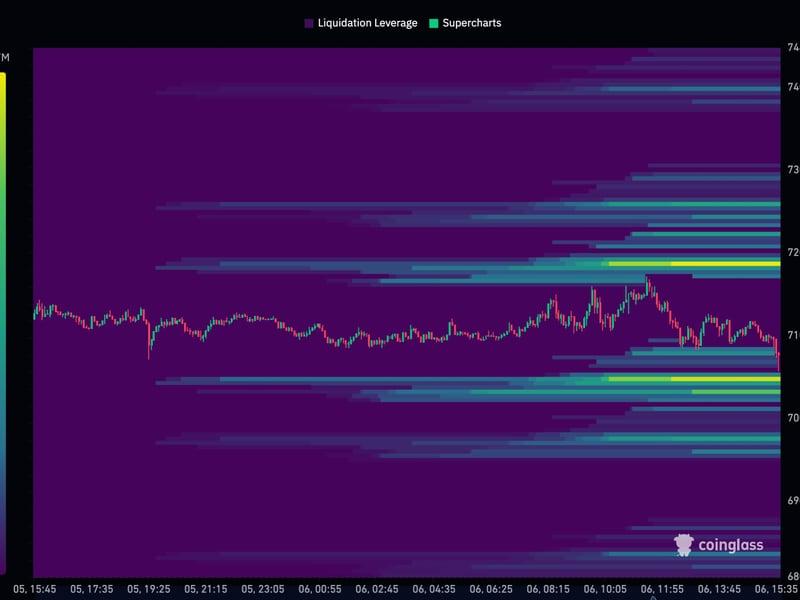
- Bittensor's Market Potential: Bittensor features 128 active subnets focused on machine learning and AI services, where miners and validators earn the native token TAO by providing valuable outputs and scoring, potentially driving future demand for TAO as the ecosystem expands.
- Technical Milestone: In March, Bittensor successfully executed a decentralized training run of a 72 billion-parameter large language model, which, while impressive, does not guarantee that all subnets can deliver similarly useful services, necessitating further observation of market performance.
- Chainlink's AI Applications: Chainlink's flagship AI pilot concluded in September, involving two dozen major financial institutions using large language models to extract structured data, and while its primary business is not AI-related, its data sources could support AI-driven agents in the future.
- Future Outlook: Although Chainlink's AI initiatives have yet to significantly enhance its token value, investors should monitor its future market performance as demand for AI services grows, assessing whether it becomes a worthwhile investment.
See More

Analyzing the AI Potential of Bittensor and Chainlink
- Bittensor's Market Potential: With 128 active subnets focused on machine learning and AI services, Bittensor's TAO token demand is expected to rise as the market recognizes the value of its offerings, driving further ecosystem development.
- Technical Milestone: In March, Bittensor successfully executed a decentralized training run of a 72 billion-parameter large language model, indicating its technical capabilities, although this does not imply that all subnets can deliver similar value.
- Chainlink's Trust Layer Role: Chainlink's AI pilot project completed its second phase in September, where 24 financial institutions utilized LLMs to extract structured data from documents, showcasing its potential in ensuring the reliability of AI outputs.
- Chainlink's Market Challenges: Despite Chainlink's initiatives in AI, its primary business remains providing real-time information oracles, and financial institutions may not need to rely on its tokens, creating uncertainty regarding its future value.
See More

Analysis of Growth Potential for Chainlink Token LINK

- Token Performance Review: Chainlink's native token LINK launched at $0.11 in 2017 and currently trades around $9.30, translating a $10,000 investment into nearly $1.7 million, although it remains below its record high of $52.99 from May 2021.
- Decentralized Network Functionality: As a decentralized 'oracle' network, Chainlink connects blockchains to real-world data, ensuring developers can access real-time information like weather and stock prices through smart contracts, thereby enhancing the utility of blockchain applications.
- Node Operator Incentive Mechanism: Independent node operators earn LINK tokens by providing data and can stake these as collateral to earn interest-like rewards; however, intentionally feeding false data can lead to confiscation of their tokens and damage to their reputation scores.
- Financial Partnership Expansion: Over the past year, Chainlink has partnered with 24 major financial institutions, including UBS and SWIFT, to modernize traditional financial systems, and this expansion could significantly increase the value of LINK tokens as it plays a crucial role in bridging traditional finance and blockchain networks.
See More
Interlink Electronics Reports Q4 Financial Results
- Financial Performance: Interlink Electronics reported a Q4 GAAP EPS of -$0.04, indicating challenges in profitability and reflecting pressures from the overall market environment.
- Revenue Decline: The company's Q4 revenue stood at $2.85 million, down 4.7% year-over-year, suggesting that sales have not achieved growth in a competitive market, which may impact future investor confidence.
- Market Reaction: Given that the earnings report fell short of expectations, investors may adopt a cautious outlook on the company's future performance, potentially putting pressure on the stock price and affecting the company's financing capabilities.
- Need for Strategic Adjustment: In light of declining revenue and profitability, Interlink may need to reassess its market strategy to address industry challenges and restore growth momentum.
See More

Blockchain Financial Revolution: Rise of Cryptocurrencies


- Cryptocurrency Market Potential: The blockchain market is projected to exceed $11 trillion by 2030, representing a staggering 58,000% increase from the current $19 billion, providing significant investment opportunities for long-term investors, particularly in the context of asset tokenization.
- Ethereum's Market Dominance: As the first cryptocurrency to introduce smart contracts, Ethereum currently holds nearly 60% of the tokenized asset market share, with traditional financial institutions like JPMorgan and BNP Paribas leveraging its platform for tokenized fund issuance, highlighting its extensive applicability in finance.
- Solana's Technical Edge: Solana processes transactions over 2,000 times faster than Ethereum at a fraction of the cost, attracting attention from traditional financial giants like Visa and Western Union, indicating its importance in stablecoin and tokenized stock trading.
- Chainlink's Foundational Role: As an information bridge, Chainlink ensures the accuracy and compliance of smart contracts, partnering with major financial institutions to support market price trading of tokenized stocks, underscoring its critical role in the blockchain ecosystem.
See More

Tokenized Asset Market Expected to Reach $11 Trillion
- Massive Market Potential: The tokenized asset market is projected to grow from $19 billion to $11 trillion, representing an astonishing increase of nearly 58,000%, indicating that cryptocurrencies are gradually integrating into mainstream financial systems and attracting long-term investor interest.
- Ethereum's Dominance: As the first cryptocurrency to introduce smart contracts, Ethereum currently holds nearly 60% of the tokenized asset market share, and its reputation for reliability and security makes it a compliance-friendly choice for traditional institutions, further solidifying its market position.
- Solana's Competitive Edge: Solana is renowned for processing over 2,000 times more transactions per second than Ethereum at a fraction of the cost, attracting traditional financial players like Visa and Western Union, highlighting its significance in the integration of tokenized stocks and stablecoins.
- Importance of Chainlink: Chainlink serves as a crucial information bridge, ensuring accurate price data for tokenized assets and supporting compliance across multiple blockchain platforms, making it an indispensable part of the tokenization infrastructure and promoting the healthy development of the entire industry.
See More
Bittensor and Chainlink's AI Ecosystem Potential
- Bittensor's Market Potential: Bittensor features 128 active subnets focused on machine learning and AI services, where miners and validators earn the native token TAO by providing valuable outputs and scoring, potentially driving future demand for TAO as the ecosystem expands.
- Technical Milestone: In March, Bittensor successfully executed a decentralized training run of a 72 billion-parameter large language model, which, while impressive, does not guarantee that all subnets can deliver similarly useful services, necessitating further observation of market performance.
- Chainlink's AI Applications: Chainlink's flagship AI pilot concluded in September, involving two dozen major financial institutions using large language models to extract structured data, and while its primary business is not AI-related, its data sources could support AI-driven agents in the future.
- Future Outlook: Although Chainlink's AI initiatives have yet to significantly enhance its token value, investors should monitor its future market performance as demand for AI services grows, assessing whether it becomes a worthwhile investment.
See More
Analyzing the AI Potential of Bittensor and Chainlink
- Bittensor's Market Potential: With 128 active subnets focused on machine learning and AI services, Bittensor's TAO token demand is expected to rise as the market recognizes the value of its offerings, driving further ecosystem development.
- Technical Milestone: In March, Bittensor successfully executed a decentralized training run of a 72 billion-parameter large language model, indicating its technical capabilities, although this does not imply that all subnets can deliver similar value.
- Chainlink's Trust Layer Role: Chainlink's AI pilot project completed its second phase in September, where 24 financial institutions utilized LLMs to extract structured data from documents, showcasing its potential in ensuring the reliability of AI outputs.
- Chainlink's Market Challenges: Despite Chainlink's initiatives in AI, its primary business remains providing real-time information oracles, and financial institutions may not need to rely on its tokens, creating uncertainty regarding its future value.
See More
Analysis of Growth Potential for Chainlink Token LINK
- Token Performance Review: Chainlink's native token LINK launched at $0.11 in 2017 and currently trades around $9.30, translating a $10,000 investment into nearly $1.7 million, although it remains below its record high of $52.99 from May 2021.
- Decentralized Network Functionality: As a decentralized 'oracle' network, Chainlink connects blockchains to real-world data, ensuring developers can access real-time information like weather and stock prices through smart contracts, thereby enhancing the utility of blockchain applications.
- Node Operator Incentive Mechanism: Independent node operators earn LINK tokens by providing data and can stake these as collateral to earn interest-like rewards; however, intentionally feeding false data can lead to confiscation of their tokens and damage to their reputation scores.
- Financial Partnership Expansion: Over the past year, Chainlink has partnered with 24 major financial institutions, including UBS and SWIFT, to modernize traditional financial systems, and this expansion could significantly increase the value of LINK tokens as it plays a crucial role in bridging traditional finance and blockchain networks.
See More
Interlink Electronics Reports Q4 Financial Results
- Financial Performance: Interlink Electronics reported a Q4 GAAP EPS of -$0.04, indicating challenges in profitability and reflecting pressures from the overall market environment.
- Revenue Decline: The company's Q4 revenue stood at $2.85 million, down 4.7% year-over-year, suggesting that sales have not achieved growth in a competitive market, which may impact future investor confidence.
- Market Reaction: Given that the earnings report fell short of expectations, investors may adopt a cautious outlook on the company's future performance, potentially putting pressure on the stock price and affecting the company's financing capabilities.
- Need for Strategic Adjustment: In light of declining revenue and profitability, Interlink may need to reassess its market strategy to address industry challenges and restore growth momentum.
See More
Blockchain Financial Revolution: Rise of Cryptocurrencies
- Cryptocurrency Market Potential: The blockchain market is projected to exceed $11 trillion by 2030, representing a staggering 58,000% increase from the current $19 billion, providing significant investment opportunities for long-term investors, particularly in the context of asset tokenization.
- Ethereum's Market Dominance: As the first cryptocurrency to introduce smart contracts, Ethereum currently holds nearly 60% of the tokenized asset market share, with traditional financial institutions like JPMorgan and BNP Paribas leveraging its platform for tokenized fund issuance, highlighting its extensive applicability in finance.
- Solana's Technical Edge: Solana processes transactions over 2,000 times faster than Ethereum at a fraction of the cost, attracting attention from traditional financial giants like Visa and Western Union, indicating its importance in stablecoin and tokenized stock trading.
- Chainlink's Foundational Role: As an information bridge, Chainlink ensures the accuracy and compliance of smart contracts, partnering with major financial institutions to support market price trading of tokenized stocks, underscoring its critical role in the blockchain ecosystem.
See More
Tokenized Asset Market Expected to Reach $11 Trillion
- Massive Market Potential: The tokenized asset market is projected to grow from $19 billion to $11 trillion, representing an astonishing increase of nearly 58,000%, indicating that cryptocurrencies are gradually integrating into mainstream financial systems and attracting long-term investor interest.
- Ethereum's Dominance: As the first cryptocurrency to introduce smart contracts, Ethereum currently holds nearly 60% of the tokenized asset market share, and its reputation for reliability and security makes it a compliance-friendly choice for traditional institutions, further solidifying its market position.
- Solana's Competitive Edge: Solana is renowned for processing over 2,000 times more transactions per second than Ethereum at a fraction of the cost, attracting traditional financial players like Visa and Western Union, highlighting its significance in the integration of tokenized stocks and stablecoins.
- Importance of Chainlink: Chainlink serves as a crucial information bridge, ensuring accurate price data for tokenized assets and supporting compliance across multiple blockchain platforms, making it an indispensable part of the tokenization infrastructure and promoting the healthy development of the entire industry.
See More