Examine the leaked email from Meta addressed to recently terminated employees.
Meta's Workforce Reductions: Meta plans to cut approximately 3,600 jobs, about 5% of its workforce, as part of a strategy to focus on artificial intelligence and other technological advancements, with performance-based layoffs being a key factor.
Recent Layoffs and Backlash: The company has conducted multiple rounds of layoffs, including significant cuts in its Reality Labs and Meta Superintelligence Labs divisions, leading to criticism from employees who were rated as high performers prior to their termination.
Corporate Layoff Trends: The layoffs at Meta reflect a broader trend in corporate America, with 39% of companies having already laid off employees this year, and expectations for further reductions as AI adoption reshapes the job market.
Continued Investment in AI Talent: Despite the layoffs, Meta emphasizes its commitment to hiring top AI talent and aims to streamline decision-making processes within its teams to enhance agility and impact in its AI initiatives.
Trade with 70% Backtested Accuracy
Analyst Views on META

About META
About the author


Meta Platforms Shows Strong Fundamentals Despite Recent Stock Underperformance

- Advertising Revenue Growth: Meta Platforms achieved a 33% year-over-year revenue growth in Q1, with net income rising by 61%, indicating strong fundamentals despite a 4% stock decline, which may prompt investors to refocus on the company.
- Valuation Appeal: With a forward P/E ratio of 19.6, lower than the S&P 500's 22.4, Meta Platforms shows a market underestimation of its growth potential, suggesting that a recognition of this valuation gap could lead to a stock rebound.
- Diversification Strategy: While online advertising remains the primary revenue source, Meta is actively working on diversifying through initiatives like its AI model, which could enhance user engagement and open new revenue streams for future growth.
- Cost Control and Revenue Outlook: Meta expects its full-year expenses to remain unchanged while targeting $58 billion to $61 billion in revenue for 2026, indicating resilience in an uncertain AI spending environment and projecting a 25% year-over-year growth rate.

Meta Stock Could Exceed $1,000 by 2026 Amid AI Growth
- Price Prediction: Currently priced at about $620, Meta's stock could exceed $1,000 by the end of 2026, a bold forecast that hinges on the company achieving a new all-time high, reflecting potential market confidence in its AI investments.
- Revenue Growth: Meta's social media platforms, including Facebook and Instagram, have achieved a 33% year-over-year revenue increase through improved ad placements, showcasing strong performance among big tech companies while trading at a discount to peers, indicating a significant investment opportunity.
- Cash Flow Valuation: Meta's stock appears relatively cheap based on its price-to-cash flow (CFO) ratio, and if it rises to 19 times operating cash flow, it could see a 48% increase to $920, further pushing it towards a new all-time high.
- Market Confidence: If Meta can launch an innovative personal AI tool or a game-changing product from its Reality Labs division, it could restore market confidence and drive stock prices higher, making it a compelling buy even if it doesn't achieve this by 2026.

Trump Delays Military Strike on Iran for Negotiations


- Iran Negotiations Update: Trump announced the delay of a military strike on Iran to allow for 'serious negotiations,' which may ease tensions in the Middle East and positively influence global market sentiment.
- Market Caution: U.S. stock futures were lower on Tuesday, with S&P 500 and Nasdaq futures down 0.3%, reflecting investor caution amid rising inflation concerns ahead of key earnings reports.
- Nvidia Earnings Anticipation: Ahead of its earnings report, Nvidia confirmed early deliveries of its next-generation AI processors to top-tier AI labs, which could drive performance in AI-related stocks.
- Home Depot Price Target Cut: Stifel reduced Home Depot's price target from $375 to $320, indicating potential impacts on investor confidence in the home improvement sector ahead of its earnings report.
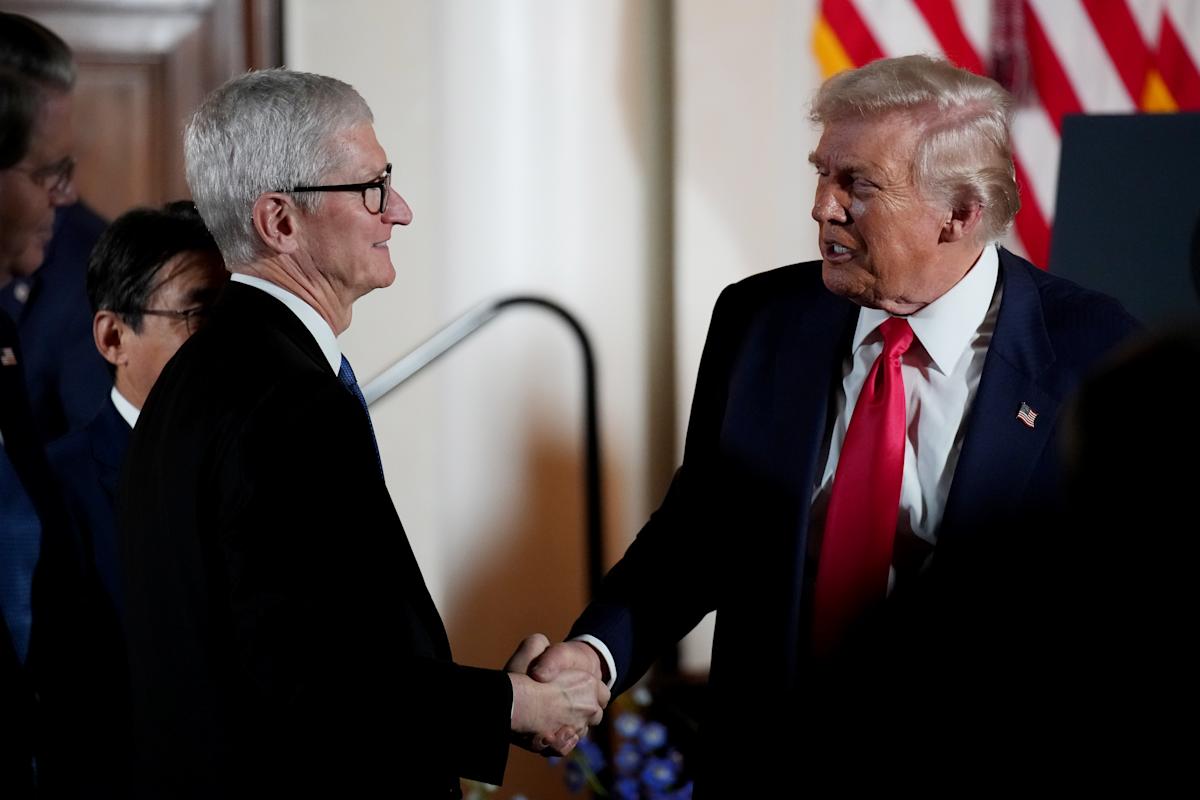
Trump Executes 94 Trades in 'Magnificent Seven' Stocks in Q1 2026


- High Trading Volume: Trump executed 94 trades in 'Magnificent Seven' stocks during Q1 2026, with transaction values ranging from $50 million to $70 million, indicating significant activity in the tech stock market despite concerns over conflicts of interest.
- Key Stock Movements: The trades revealed net purchases of Apple (AAPL) and Alphabet (GOOG), while Tesla (TSLA) was the only stock sold, reflecting a preference for tech stocks and a cautious stance towards Tesla.
- Transparency Issues: Managed by the Trump Organization, which claims no involvement in specific investment decisions, the disclosure noted 27 trades as 'unsolicited', raising questions about transparency and compliance with ethical standards.
- Significant Timing of Trades: On February 10, Trump purchased at least $1 million in Nvidia (NVDA) stock just before the company announced a strategic partnership with Meta, highlighting the close connection between his trading activities and market developments, potentially raising concerns about conflicts of interest.

Foreign Holdings of U.S. Treasuries Decline Amid Geopolitical Tensions

- Foreign Treasury Selloff: Foreign governments reduced their U.S. Treasury holdings to $9.25 trillion in March from $9.49 trillion in February, reflecting concerns over liquidity amid increased financial volatility due to geopolitical tensions.
- China's Holdings Decline: China's U.S. Treasury holdings fell to $652.3 billion in March, down approximately 6% from February, marking the lowest level since September 2008, indicating a strategic shift in response to energy shocks.
- Japan's Liquidation Trend: Japan, the largest foreign holder of U.S. debt, shed about $47 billion in March, bringing its holdings down to $1.191 trillion, highlighting its strategy to manage pressures from yen depreciation and rising energy costs.
- Stable Shadow Holdings: Despite a decrease in China's direct Treasury holdings,

AT&T Faces Crisis in Finding Skilled Blue-Collar Workers

- Shortage of Blue-Collar Workers: AT&T CEO John Stankey highlighted the urgent need for skilled blue-collar workers knowledgeable in electricity and photonics, as the job prospects for college graduates diminish in the AI era, creating a recruitment challenge for the company.
- Investment and Hiring Plans: AT&T plans to invest $250 billion over the next five years, with approximately 15% allocated for hiring and training blue-collar technicians to meet the surging demand from AI data centers and increased network usage, indicating a strategic pivot towards blue-collar labor.
- Shifts in Industry Trends: The rise of AI poses a threat to many traditional white-collar jobs, leading to a slowdown in employment growth for new graduates, particularly in marketing, legal, and IT sectors, reflecting significant changes in the economic landscape.
- Salary and Benefits Competition: To attract skilled technicians, AT&T offers sign-on and retention bonuses of up to $10,000, with entry-level wages ranging from $18.18 to $31.45 per hour, showcasing the intense competition in recruiting blue-collar workers.
Meta Platforms Shows Strong Fundamentals Despite Recent Stock Underperformance
- Advertising Revenue Growth: Meta Platforms achieved a 33% year-over-year revenue growth in Q1, with net income rising by 61%, indicating strong fundamentals despite a 4% stock decline, which may prompt investors to refocus on the company.
- Valuation Appeal: With a forward P/E ratio of 19.6, lower than the S&P 500's 22.4, Meta Platforms shows a market underestimation of its growth potential, suggesting that a recognition of this valuation gap could lead to a stock rebound.
- Diversification Strategy: While online advertising remains the primary revenue source, Meta is actively working on diversifying through initiatives like its AI model, which could enhance user engagement and open new revenue streams for future growth.
- Cost Control and Revenue Outlook: Meta expects its full-year expenses to remain unchanged while targeting $58 billion to $61 billion in revenue for 2026, indicating resilience in an uncertain AI spending environment and projecting a 25% year-over-year growth rate.
Meta Stock Could Exceed $1,000 by 2026 Amid AI Growth
- Price Prediction: Currently priced at about $620, Meta's stock could exceed $1,000 by the end of 2026, a bold forecast that hinges on the company achieving a new all-time high, reflecting potential market confidence in its AI investments.
- Revenue Growth: Meta's social media platforms, including Facebook and Instagram, have achieved a 33% year-over-year revenue increase through improved ad placements, showcasing strong performance among big tech companies while trading at a discount to peers, indicating a significant investment opportunity.
- Cash Flow Valuation: Meta's stock appears relatively cheap based on its price-to-cash flow (CFO) ratio, and if it rises to 19 times operating cash flow, it could see a 48% increase to $920, further pushing it towards a new all-time high.
- Market Confidence: If Meta can launch an innovative personal AI tool or a game-changing product from its Reality Labs division, it could restore market confidence and drive stock prices higher, making it a compelling buy even if it doesn't achieve this by 2026.
Trump Delays Military Strike on Iran for Negotiations
- Iran Negotiations Update: Trump announced the delay of a military strike on Iran to allow for 'serious negotiations,' which may ease tensions in the Middle East and positively influence global market sentiment.
- Market Caution: U.S. stock futures were lower on Tuesday, with S&P 500 and Nasdaq futures down 0.3%, reflecting investor caution amid rising inflation concerns ahead of key earnings reports.
- Nvidia Earnings Anticipation: Ahead of its earnings report, Nvidia confirmed early deliveries of its next-generation AI processors to top-tier AI labs, which could drive performance in AI-related stocks.
- Home Depot Price Target Cut: Stifel reduced Home Depot's price target from $375 to $320, indicating potential impacts on investor confidence in the home improvement sector ahead of its earnings report.
Trump Executes 94 Trades in 'Magnificent Seven' Stocks in Q1 2026
- High Trading Volume: Trump executed 94 trades in 'Magnificent Seven' stocks during Q1 2026, with transaction values ranging from $50 million to $70 million, indicating significant activity in the tech stock market despite concerns over conflicts of interest.
- Key Stock Movements: The trades revealed net purchases of Apple (AAPL) and Alphabet (GOOG), while Tesla (TSLA) was the only stock sold, reflecting a preference for tech stocks and a cautious stance towards Tesla.
- Transparency Issues: Managed by the Trump Organization, which claims no involvement in specific investment decisions, the disclosure noted 27 trades as 'unsolicited', raising questions about transparency and compliance with ethical standards.
- Significant Timing of Trades: On February 10, Trump purchased at least $1 million in Nvidia (NVDA) stock just before the company announced a strategic partnership with Meta, highlighting the close connection between his trading activities and market developments, potentially raising concerns about conflicts of interest.
Foreign Holdings of U.S. Treasuries Decline Amid Geopolitical Tensions
- Foreign Treasury Selloff: Foreign governments reduced their U.S. Treasury holdings to $9.25 trillion in March from $9.49 trillion in February, reflecting concerns over liquidity amid increased financial volatility due to geopolitical tensions.
- China's Holdings Decline: China's U.S. Treasury holdings fell to $652.3 billion in March, down approximately 6% from February, marking the lowest level since September 2008, indicating a strategic shift in response to energy shocks.
- Japan's Liquidation Trend: Japan, the largest foreign holder of U.S. debt, shed about $47 billion in March, bringing its holdings down to $1.191 trillion, highlighting its strategy to manage pressures from yen depreciation and rising energy costs.
- Stable Shadow Holdings: Despite a decrease in China's direct Treasury holdings,
AT&T Faces Crisis in Finding Skilled Blue-Collar Workers
- Shortage of Blue-Collar Workers: AT&T CEO John Stankey highlighted the urgent need for skilled blue-collar workers knowledgeable in electricity and photonics, as the job prospects for college graduates diminish in the AI era, creating a recruitment challenge for the company.
- Investment and Hiring Plans: AT&T plans to invest $250 billion over the next five years, with approximately 15% allocated for hiring and training blue-collar technicians to meet the surging demand from AI data centers and increased network usage, indicating a strategic pivot towards blue-collar labor.
- Shifts in Industry Trends: The rise of AI poses a threat to many traditional white-collar jobs, leading to a slowdown in employment growth for new graduates, particularly in marketing, legal, and IT sectors, reflecting significant changes in the economic landscape.
- Salary and Benefits Competition: To attract skilled technicians, AT&T offers sign-on and retention bonuses of up to $10,000, with entry-level wages ranging from $18.18 to $31.45 per hour, showcasing the intense competition in recruiting blue-collar workers.