RBC Capital Reaffirms Outperform Rating for Ollie's Bargain Outlet and Increases Price Target to $144
Real-time Intelligence: Benzinga Pro offers the fastest news alerts for traders to stay updated on market movements.
Exclusive Content: The platform provides exclusive stories and insights generated by Benzinga reporters.
Community Engagement: Over 10,000 serious traders are part of the Benzinga Pro community, sharing strategies and intelligence.
Market Winning Tool: Traders utilize Benzinga Pro's resources to enhance their trading success in the stock market.
Trade with 70% Backtested Accuracy
Analyst Views on OLLI

About OLLI
About the author


Ollie’s Shares Are Set to Rise Soon
Q4 2025 Results: Ollie's Bargain Outlet reported robust Q4 2025 results, reaffirming a strong outlook despite missing some consensus forecasts. The company experienced solid revenue growth of 16.8% year-over-year, driven by better-than-expected store count growth.
Future Growth Potential: Analysts highlight Ollie's potential for aggressive expansion and improved performance in the coming years, with expectations of revenue between $2.985 billion and $3.013 billion, slightly below the $3 billion consensus.
Stock Performance and Guidance: Following the Q4 release, Ollie's stock rebounded from a low point, confirming a significant support level. Analysts maintain a bullish outlook, with no sell ratings among the tracked analysts, indicating confidence in the company's growth trajectory.
Investment Recommendations: Market analysts recommend buying Ollie's stock, emphasizing its strong fundamentals and growth potential, particularly as consumer spending is expected to increase, providing liquidity to the company's customer base.
US Stocks Decline Amid Soaring Oil Prices

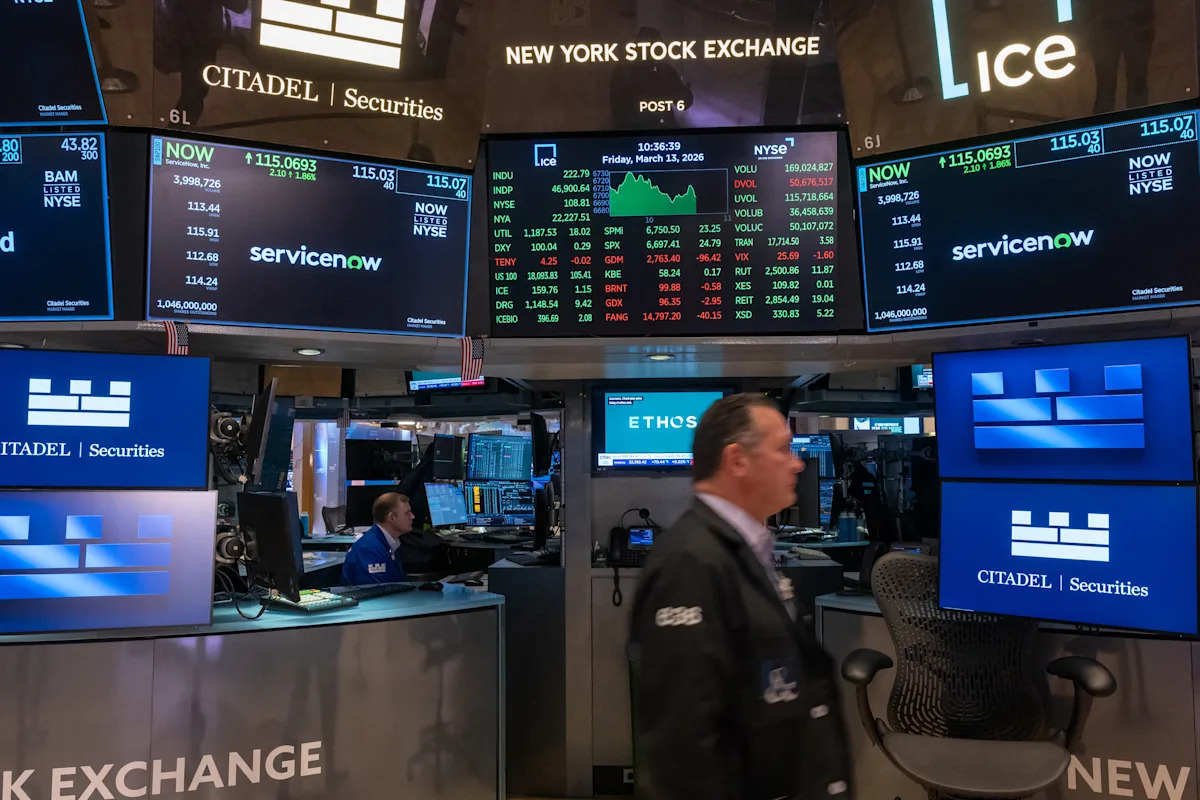
- Market Weakness: The S&P 500 fell by 0.61% to 6,632.19, indicating a bearish sentiment as surging oil prices exert pressure on equities, leading investors to adopt a cautious outlook on future market performance.
- Energy Sector Resilience: Despite the overall market decline, energy and defensive sectors outperformed, suggesting that investors are seeking safe havens amid uncertainty, which could lead to a shift in capital towards these relatively secure investments.
- Stock Movements: Ollie’s Bargain Outlet gained 4.14% following its Q4 earnings report, while Adobe dropped 7.58% due to CEO resignation news, reflecting the direct impact of corporate governance changes on stock prices.
- Declining Consumer Confidence: Consumer sentiment hit a three-month low, indicating rising concerns over increasing energy and gasoline prices, which may affect future consumer spending and economic growth expectations.

Surging Oil Prices Pressure Stock Market
- Market Weakness: The S&P 500 fell 0.61% to 6,632.19, marking its third consecutive week of losses, reflecting investor concerns over rising oil prices, particularly impacting banks and consumer cyclicals.
- Energy Stocks Outperform: Despite the overall market decline, energy and defensive sectors showed resilience, indicating a potential shift in investor focus towards safer assets amid uncertainty, which could lead to capital inflows into these areas.
- Earnings Report Impact: Ollie’s Bargain Outlet gained following its Q4 earnings report, while Adobe's stock dropped 7.58% after the announcement of CEO Shantanu Narayen's resignation, highlighting market sensitivity to corporate governance issues.
- Declining Consumer Sentiment: Data revealed consumer sentiment hit a three-month low, reflecting growing concerns over rising energy and gasoline prices, which may adversely affect future consumer spending and economic growth expectations.
Market Volatility and Investment Strategy Recap


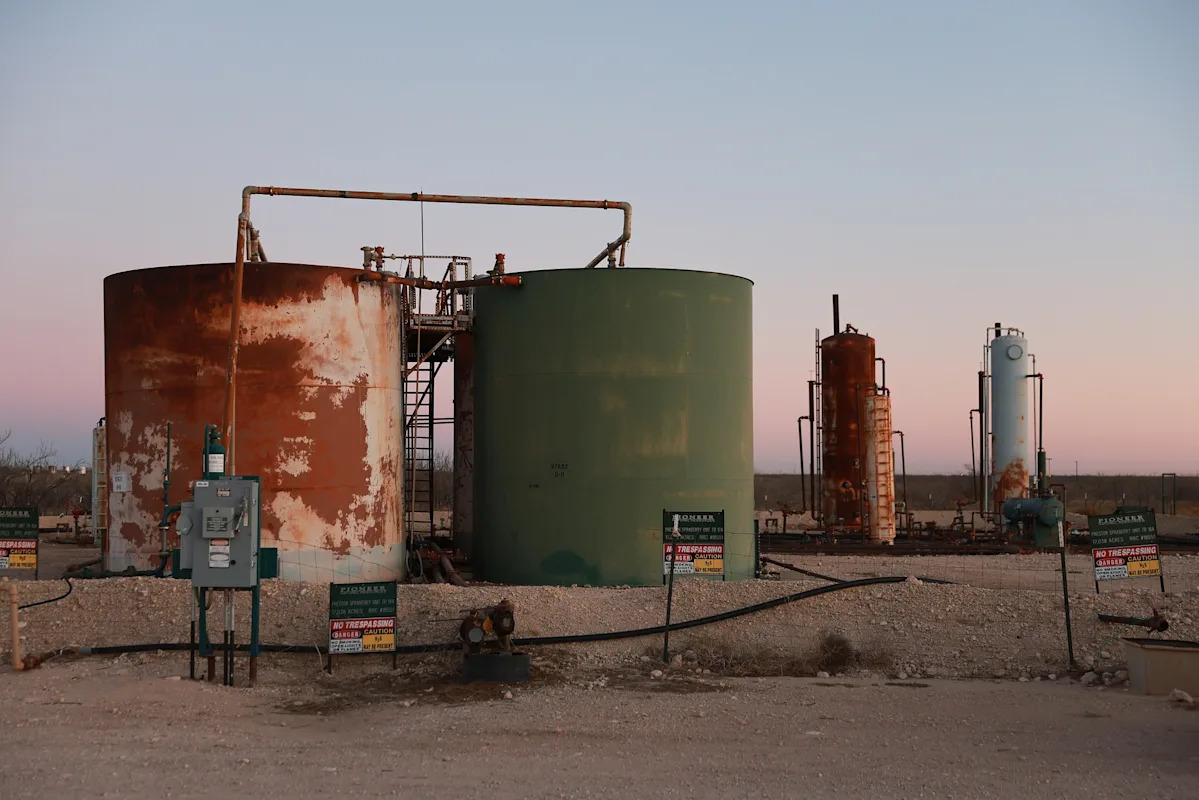
- Oil Price Rebound Impact: Amid the Iran war backdrop, Brent crude oil prices rebounded above the critical psychological level of $100 per barrel, causing the S&P 500 to decline on Friday, reflecting the market's heightened volatility.
- Meta AI Model Delay: Meta's stock dropped nearly 3% on Friday following a New York Times report that its new AI model's release is delayed until at least May, with performance not matching that of rivals OpenAI, Anthropic, and Google's Gemini, although Jim Cramer remains optimistic about Meta's prospects.
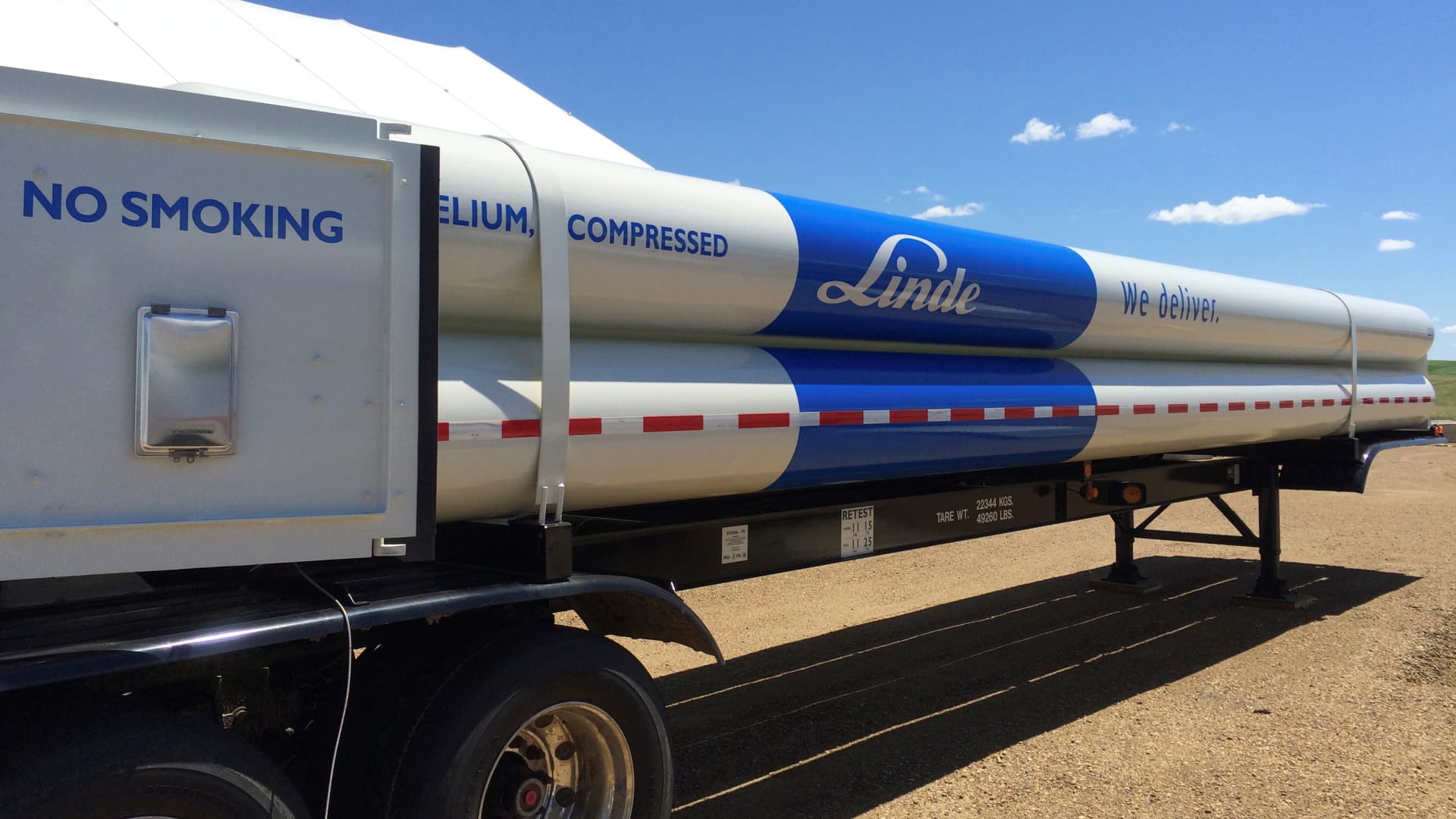
- Linde Stock Upgrade: JPMorgan upgraded Linde's stock rating and raised its price target from $455 to $525, believing Linde will benefit from helium supply disruptions linked to the Iran war, with Jim Cramer noting its helium reserves could drive the stock to an all-time high.
- Rapid Trade Review: Stocks mentioned in Friday's rapid-fire segment included Adobe, Ulta Beauty, Lennar, and Ollie's Bargain Outlet, with Jim Cramer's charitable trust holding positions in META, GOOGL, and LIN, indicating ongoing interest in these companies.

Iran War Disrupts Global Supply Chain and Retail Prices

- Supply Chain Disruption: Iran's effective closure of the Strait of Hormuz has significantly disrupted the global supply chain, affecting a range of goods from fertilizers to fuels, which may lead to rising retail prices, particularly for food items.
- Declining Consumer Confidence: The war has negatively impacted consumer confidence; although the latest consumer price index met expectations, rising gas prices are likely to suppress discretionary spending, further affecting retailers' sales.
- Retailer Strategies: Retailers facing input cost and demand pressures may raise prices to offset declining unit sales, especially for discretionary retailers like Target and Five Below, which are more vulnerable to shifts in consumer spending.
- Value Retailers Benefit: In the current economic climate, value retailers such as Walmart and Kroger may find it easier to navigate challenges as consumers increasingly seek value-priced items amidst rising costs.

Impact of Iran War on Retail Sector


- Supply Chain Disruption: Iran's effective closure of the Strait of Hormuz has significantly disrupted the global supply chain, affecting a range of goods from fertilizers to metals, which may lead to higher prices for consumers at grocery stores, particularly for food items that have less flexible supply chains.
- Declining Consumer Confidence: The rise in gas prices due to the war is impacting consumer confidence, likely affecting discretionary spending, with retailers heavily reliant on non-essential goods, such as Five Below and Target, facing greater pressure.
- Retailer Response Strategies: Retailers may maintain resilience by raising prices to offset potential declines in unit sales, a strategy that has proven effective in 2022 and 2023 despite the risk of reduced sales volumes.
- Uncertain Economic Growth Outlook: As challenges mount for the retail sector, overall growth has been mediocre, and the uncertainty within the industry may begin to affect GDP growth, particularly as budget constraints for lower-income consumers intensify this trend.
Ollie’s Shares Are Set to Rise Soon
Q4 2025 Results: Ollie's Bargain Outlet reported robust Q4 2025 results, reaffirming a strong outlook despite missing some consensus forecasts. The company experienced solid revenue growth of 16.8% year-over-year, driven by better-than-expected store count growth.
Future Growth Potential: Analysts highlight Ollie's potential for aggressive expansion and improved performance in the coming years, with expectations of revenue between $2.985 billion and $3.013 billion, slightly below the $3 billion consensus.
Stock Performance and Guidance: Following the Q4 release, Ollie's stock rebounded from a low point, confirming a significant support level. Analysts maintain a bullish outlook, with no sell ratings among the tracked analysts, indicating confidence in the company's growth trajectory.
Investment Recommendations: Market analysts recommend buying Ollie's stock, emphasizing its strong fundamentals and growth potential, particularly as consumer spending is expected to increase, providing liquidity to the company's customer base.
US Stocks Decline Amid Soaring Oil Prices
- Market Weakness: The S&P 500 fell by 0.61% to 6,632.19, indicating a bearish sentiment as surging oil prices exert pressure on equities, leading investors to adopt a cautious outlook on future market performance.
- Energy Sector Resilience: Despite the overall market decline, energy and defensive sectors outperformed, suggesting that investors are seeking safe havens amid uncertainty, which could lead to a shift in capital towards these relatively secure investments.
- Stock Movements: Ollie’s Bargain Outlet gained 4.14% following its Q4 earnings report, while Adobe dropped 7.58% due to CEO resignation news, reflecting the direct impact of corporate governance changes on stock prices.
- Declining Consumer Confidence: Consumer sentiment hit a three-month low, indicating rising concerns over increasing energy and gasoline prices, which may affect future consumer spending and economic growth expectations.
Surging Oil Prices Pressure Stock Market
- Market Weakness: The S&P 500 fell 0.61% to 6,632.19, marking its third consecutive week of losses, reflecting investor concerns over rising oil prices, particularly impacting banks and consumer cyclicals.
- Energy Stocks Outperform: Despite the overall market decline, energy and defensive sectors showed resilience, indicating a potential shift in investor focus towards safer assets amid uncertainty, which could lead to capital inflows into these areas.
- Earnings Report Impact: Ollie’s Bargain Outlet gained following its Q4 earnings report, while Adobe's stock dropped 7.58% after the announcement of CEO Shantanu Narayen's resignation, highlighting market sensitivity to corporate governance issues.
- Declining Consumer Sentiment: Data revealed consumer sentiment hit a three-month low, reflecting growing concerns over rising energy and gasoline prices, which may adversely affect future consumer spending and economic growth expectations.
Market Volatility and Investment Strategy Recap
- Oil Price Rebound Impact: Amid the Iran war backdrop, Brent crude oil prices rebounded above the critical psychological level of $100 per barrel, causing the S&P 500 to decline on Friday, reflecting the market's heightened volatility.
- Meta AI Model Delay: Meta's stock dropped nearly 3% on Friday following a New York Times report that its new AI model's release is delayed until at least May, with performance not matching that of rivals OpenAI, Anthropic, and Google's Gemini, although Jim Cramer remains optimistic about Meta's prospects.
- Linde Stock Upgrade: JPMorgan upgraded Linde's stock rating and raised its price target from $455 to $525, believing Linde will benefit from helium supply disruptions linked to the Iran war, with Jim Cramer noting its helium reserves could drive the stock to an all-time high.
- Rapid Trade Review: Stocks mentioned in Friday's rapid-fire segment included Adobe, Ulta Beauty, Lennar, and Ollie's Bargain Outlet, with Jim Cramer's charitable trust holding positions in META, GOOGL, and LIN, indicating ongoing interest in these companies.
Iran War Disrupts Global Supply Chain and Retail Prices
- Supply Chain Disruption: Iran's effective closure of the Strait of Hormuz has significantly disrupted the global supply chain, affecting a range of goods from fertilizers to fuels, which may lead to rising retail prices, particularly for food items.
- Declining Consumer Confidence: The war has negatively impacted consumer confidence; although the latest consumer price index met expectations, rising gas prices are likely to suppress discretionary spending, further affecting retailers' sales.
- Retailer Strategies: Retailers facing input cost and demand pressures may raise prices to offset declining unit sales, especially for discretionary retailers like Target and Five Below, which are more vulnerable to shifts in consumer spending.
- Value Retailers Benefit: In the current economic climate, value retailers such as Walmart and Kroger may find it easier to navigate challenges as consumers increasingly seek value-priced items amidst rising costs.
Impact of Iran War on Retail Sector
- Supply Chain Disruption: Iran's effective closure of the Strait of Hormuz has significantly disrupted the global supply chain, affecting a range of goods from fertilizers to metals, which may lead to higher prices for consumers at grocery stores, particularly for food items that have less flexible supply chains.
- Declining Consumer Confidence: The rise in gas prices due to the war is impacting consumer confidence, likely affecting discretionary spending, with retailers heavily reliant on non-essential goods, such as Five Below and Target, facing greater pressure.
- Retailer Response Strategies: Retailers may maintain resilience by raising prices to offset potential declines in unit sales, a strategy that has proven effective in 2022 and 2023 despite the risk of reduced sales volumes.
- Uncertain Economic Growth Outlook: As challenges mount for the retail sector, overall growth has been mediocre, and the uncertainty within the industry may begin to affect GDP growth, particularly as budget constraints for lower-income consumers intensify this trend.