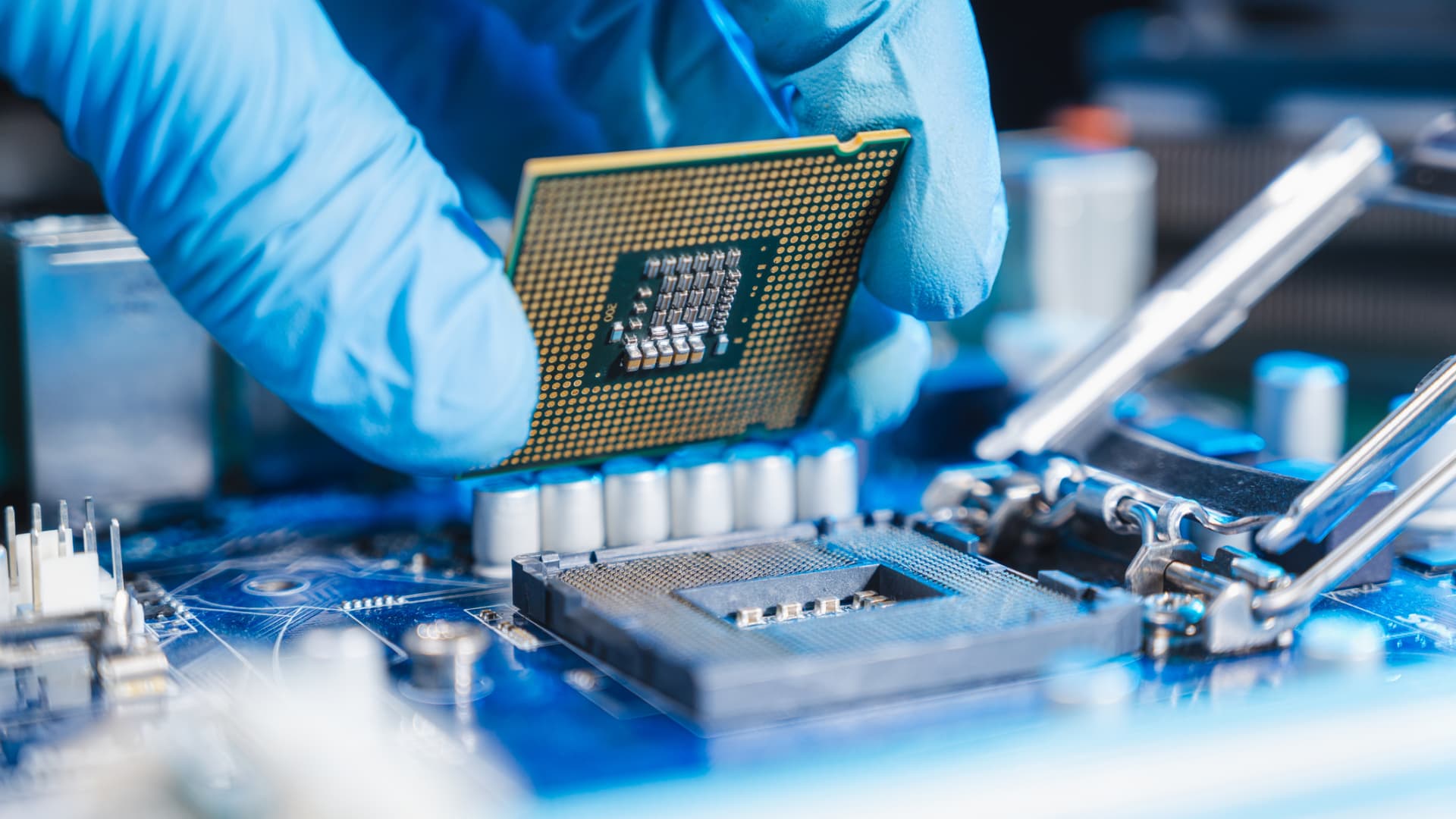
Qualcomm Collaborates with Meta and OpenAI on New Hardware
Written by Emily J. Thompson, Senior Investment Analyst
Updated: 5 days ago
0mins
Should l Buy QCOM?
Source: stocktwits
- Stock Surge: Qualcomm (QCOM) shares jumped 6% on Thursday, reaching a 22-month high and just 7% shy of record levels, reflecting strong market confidence in the company's future prospects.
- Collaboration with Major Firms: CEO Cristiano Amon revealed that Qualcomm is working with major AI players like Meta and OpenAI on new hardware, indicating a strategic pivot towards AI and 6G networks.
- Strategic Importance of Trump's Visit: Qualcomm will join President Trump's visit to China next week, aimed at strengthening U.S.-China relations, which may pave the way for further development in Qualcomm's Chinese market despite reduced commercial activities.
- Optimistic Market Sentiment: According to Koyfin data, 11 out of 37 analysts rate Qualcomm as a 'buy', 21 as 'hold', and 5 as 'sell', showcasing investor optimism regarding Qualcomm's growth potential.
Trade with 70% Backtested Accuracy
Stop guessing "Should I Buy QCOM?" and start using high-conviction signals backed by rigorous historical data.
Sign up today to access powerful investing tools and make smarter, data-driven decisions.
Analyst Views on QCOM
Wall Street analysts forecast QCOM stock price to fall
16 Analyst Rating
10 Buy
5 Hold
1 Sell
Moderate Buy
Current: 210.310

Low
165.00
Averages
197.14
High
225.00
Current: 210.310
Low
165.00
Averages
197.14
High
225.00
About QCOM
Qualcomm Incorporated is engaged in the development and commercialization of foundational technologies for the wireless industry, including third generation (3G), fourth generation (4G) and fifth generation (5G) wireless connectivity, and high-performance and low-power computing, including on-device artificial intelligence. Its segments include Qualcomm CDMA Technologies (QCT), Qualcomm Technology Licensing (QTL) and Qualcomm Strategic Initiatives. QCT develops and supplies integrated circuits and system software based on 3G/4G/5G and other technologies, including radio frequency front-end, digital cockpit and advanced driver assistance and automated driving, Internet of things including consumer electronic devices, industrial devices and edge networking products. QTL grants licenses or otherwise provides rights to use portions of its intellectual property portfolio that includes certain patent rights essential to and/or useful in the manufacture and sale of certain wireless products.
About the author

Emily J. Thompson
Emily J. Thompson, a Chartered Financial Analyst (CFA) with 12 years in investment research, graduated with honors from the Wharton School. Specializing in industrial and technology stocks, she provides in-depth analysis for Intellectia’s earnings and market brief reports.

Nasdaq 100 Index Rebounds, Market Sentiment Improves

- Market Resilience: The Nasdaq 100 index staged a 1.5% rally into the close on Tuesday, demonstrating resilience amid what could have been the worst sell-off since March, reflecting investor confidence in the face of volatility.
- Volatility Insights: The Cboe VIX index, which measures volatility for the S&P 500, briefly spiked to 19.01, the highest since April 28, yet ended lower, indicating a cautious outlook among investors regarding future market movements.
- Active Options Trading: VIX options became the 10th most actively traded, with four times more calls bought than puts, suggesting a bullish sentiment on volatility, particularly as oil prices surged above $100, prompting traders to hedge their positions.
- Bond Market Trends: The iShares long-term bond ETF (TLT) faced significant selling pressure, with traders purchasing over 151,000 puts, indicating bearish sentiment in the bond market and an expectation of at least a 5% decline over the next two months.
See More

Surge in Semiconductor Stocks Raises Market Concerns


- Increased Market Reliance: As of Monday, the 19 semiconductor and semi-equipment stocks in the S&P 500 accounted for 18% of the index's weighting, indicating a growing reliance on this high-growth sector, where any correction could pose risks to the broader market.
- Rising Revenue and Profit Expectations: According to Gartner, global semiconductor revenue is expected to rise 64% to $1.3 trillion, while S&P 500 semiconductor companies are projected to see earnings growth of about 95% this year, reflecting a robust recovery in the industry and its role as an economic health indicator.
- Overbought Technical Indicators: The Philadelphia Semiconductor Index's relative strength index hit 85.5 last Friday, marking its highest overbought level since the tech bubble peak in 2000, prompting investors to be cautious of potential market pullbacks.
- Cautious Investor Sentiment: Despite the strong performance of the semiconductor sector, some investors, including Michael Burry, are holding puts, indicating a cautious outlook on future trends, especially if the AI theme shows signs of weakness.
See More

SCHD ETF Outperforms with Strong Returns, Attracts Investor Interest


- Strong Start to the Year: As of Tuesday, the S&P 500 is up 7%, with a remarkable 15% increase since March 30, reflecting growing investor confidence in economic recovery and heightened market interest.
- Impressive SCHD Returns: The Schwab U.S. Dividend Equity ETF (SCHD) has risen over 15% year-to-date, with its appeal strengthening as investors seek high-quality dividend stocks, making it a top choice for portfolio diversification.
- Portfolio Stability: SCHD's holdings must meet strict criteria, including 10 consecutive years of dividend increases and solid debt ratios, ensuring stable returns during economic uncertainty, which attracts risk-averse investors.
- Long-Term Investment Value: Since its inception in October 2011, SCHD has averaged 13.1% annual total returns; while past performance does not guarantee future results, its consistent income and low expense ratio (0.06%) position it as an ideal option for long-term investors.
See More
Qualcomm Shares Plunge 11.5% Amid Inflation Concerns
- Significant Stock Drop: Qualcomm (QCOM) experienced an 11.5% drop on Tuesday, marking its worst single-day performance in six years and making it the biggest loser in the S&P 500, reflecting market concerns over inflation data.
- Inflation Data Impact: The latest figures revealed a 3.8% year-over-year increase in the consumer price index for April, the highest since 2023, primarily driven by soaring fuel prices, which prompted investors to adopt a risk-off approach, exacerbating declines in tech stocks.
- Data Center Market Progress: Qualcomm recently announced plans to enter the data center market, securing a contract with an undisclosed hyperscale customer, with more details expected at the investor day on June 24, potentially positioning the company for over $10 billion in annual revenue.
- Market Sentiment Shift: Despite the stock decline, retail investor sentiment on Stocktwits edged into the 'bullish' zone, with some traders buying the dip, believing the stock could rebound to over $300 in the coming months, indicating confidence in Qualcomm's future growth potential.
See More

Qualcomm Expands into New Categories
- Business Expansion Plan: Qualcomm is actively expanding into new categories, aiming to enhance market competitiveness through a diversified product portfolio, although specific categories have yet to be disclosed.
- Market Reaction: As of the afternoon of May 10, 2026, Qualcomm's stock price stood at $11.46, reflecting a cautiously optimistic market sentiment regarding its expansion plans, which may influence future investment decisions.
- Strategic Significance: By entering new categories, Qualcomm aims to leverage its technological advantages to further solidify its leadership position in the semiconductor industry and address increasing market competition.
- Future Outlook: Qualcomm's expansion strategy could provide new revenue streams for the company; despite the current market environment being fraught with uncertainty, this initiative is expected to enhance the company's overall performance in the long run.
See More

Tech Megacap Stocks Weigh Down Markets Amid Inflation Concerns

- Market Performance: The S&P 500 and Nasdaq indices fell by 0.2% and 0.7% respectively due to declines in megacap tech stocks, while the Dow Jones managed a slight gain of 0.1%, indicating market reliance on tech and inflation concerns.
- Inflation Pressure: Data from the Bureau of Labor Statistics revealed that the consumer price index rose 3.8% year-over-year in April, the highest since 2023, with a 50% increase in gas prices due to the Iran conflict further straining consumer living costs.
- Wage Decline: Real wages saw a year-over-year decline in April after adjusting for inflation, marking the first contraction since 2023, reflecting the erosion of consumer purchasing power due to high energy prices, which could impact future spending.
- Tech Stock Volatility: Advanced Micro Devices (AMD) and Qualcomm dropped 2% and 11% respectively, while the PHLX Semiconductor Index fell 3%, indicating weakened investor confidence in tech stocks after recent significant gains, prompting profit-taking among investors.
See More
Nasdaq 100 Index Rebounds, Market Sentiment Improves
- Market Resilience: The Nasdaq 100 index staged a 1.5% rally into the close on Tuesday, demonstrating resilience amid what could have been the worst sell-off since March, reflecting investor confidence in the face of volatility.
- Volatility Insights: The Cboe VIX index, which measures volatility for the S&P 500, briefly spiked to 19.01, the highest since April 28, yet ended lower, indicating a cautious outlook among investors regarding future market movements.
- Active Options Trading: VIX options became the 10th most actively traded, with four times more calls bought than puts, suggesting a bullish sentiment on volatility, particularly as oil prices surged above $100, prompting traders to hedge their positions.
- Bond Market Trends: The iShares long-term bond ETF (TLT) faced significant selling pressure, with traders purchasing over 151,000 puts, indicating bearish sentiment in the bond market and an expectation of at least a 5% decline over the next two months.
See More
Surge in Semiconductor Stocks Raises Market Concerns
- Increased Market Reliance: As of Monday, the 19 semiconductor and semi-equipment stocks in the S&P 500 accounted for 18% of the index's weighting, indicating a growing reliance on this high-growth sector, where any correction could pose risks to the broader market.
- Rising Revenue and Profit Expectations: According to Gartner, global semiconductor revenue is expected to rise 64% to $1.3 trillion, while S&P 500 semiconductor companies are projected to see earnings growth of about 95% this year, reflecting a robust recovery in the industry and its role as an economic health indicator.
- Overbought Technical Indicators: The Philadelphia Semiconductor Index's relative strength index hit 85.5 last Friday, marking its highest overbought level since the tech bubble peak in 2000, prompting investors to be cautious of potential market pullbacks.
- Cautious Investor Sentiment: Despite the strong performance of the semiconductor sector, some investors, including Michael Burry, are holding puts, indicating a cautious outlook on future trends, especially if the AI theme shows signs of weakness.
See More
SCHD ETF Outperforms with Strong Returns, Attracts Investor Interest
- Strong Start to the Year: As of Tuesday, the S&P 500 is up 7%, with a remarkable 15% increase since March 30, reflecting growing investor confidence in economic recovery and heightened market interest.
- Impressive SCHD Returns: The Schwab U.S. Dividend Equity ETF (SCHD) has risen over 15% year-to-date, with its appeal strengthening as investors seek high-quality dividend stocks, making it a top choice for portfolio diversification.
- Portfolio Stability: SCHD's holdings must meet strict criteria, including 10 consecutive years of dividend increases and solid debt ratios, ensuring stable returns during economic uncertainty, which attracts risk-averse investors.
- Long-Term Investment Value: Since its inception in October 2011, SCHD has averaged 13.1% annual total returns; while past performance does not guarantee future results, its consistent income and low expense ratio (0.06%) position it as an ideal option for long-term investors.
See More
Qualcomm Shares Plunge 11.5% Amid Inflation Concerns
- Significant Stock Drop: Qualcomm (QCOM) experienced an 11.5% drop on Tuesday, marking its worst single-day performance in six years and making it the biggest loser in the S&P 500, reflecting market concerns over inflation data.
- Inflation Data Impact: The latest figures revealed a 3.8% year-over-year increase in the consumer price index for April, the highest since 2023, primarily driven by soaring fuel prices, which prompted investors to adopt a risk-off approach, exacerbating declines in tech stocks.
- Data Center Market Progress: Qualcomm recently announced plans to enter the data center market, securing a contract with an undisclosed hyperscale customer, with more details expected at the investor day on June 24, potentially positioning the company for over $10 billion in annual revenue.
- Market Sentiment Shift: Despite the stock decline, retail investor sentiment on Stocktwits edged into the 'bullish' zone, with some traders buying the dip, believing the stock could rebound to over $300 in the coming months, indicating confidence in Qualcomm's future growth potential.
See More
Qualcomm Expands into New Categories
- Business Expansion Plan: Qualcomm is actively expanding into new categories, aiming to enhance market competitiveness through a diversified product portfolio, although specific categories have yet to be disclosed.
- Market Reaction: As of the afternoon of May 10, 2026, Qualcomm's stock price stood at $11.46, reflecting a cautiously optimistic market sentiment regarding its expansion plans, which may influence future investment decisions.
- Strategic Significance: By entering new categories, Qualcomm aims to leverage its technological advantages to further solidify its leadership position in the semiconductor industry and address increasing market competition.
- Future Outlook: Qualcomm's expansion strategy could provide new revenue streams for the company; despite the current market environment being fraught with uncertainty, this initiative is expected to enhance the company's overall performance in the long run.
See More
Tech Megacap Stocks Weigh Down Markets Amid Inflation Concerns
- Market Performance: The S&P 500 and Nasdaq indices fell by 0.2% and 0.7% respectively due to declines in megacap tech stocks, while the Dow Jones managed a slight gain of 0.1%, indicating market reliance on tech and inflation concerns.
- Inflation Pressure: Data from the Bureau of Labor Statistics revealed that the consumer price index rose 3.8% year-over-year in April, the highest since 2023, with a 50% increase in gas prices due to the Iran conflict further straining consumer living costs.
- Wage Decline: Real wages saw a year-over-year decline in April after adjusting for inflation, marking the first contraction since 2023, reflecting the erosion of consumer purchasing power due to high energy prices, which could impact future spending.
- Tech Stock Volatility: Advanced Micro Devices (AMD) and Qualcomm dropped 2% and 11% respectively, while the PHLX Semiconductor Index fell 3%, indicating weakened investor confidence in tech stocks after recent significant gains, prompting profit-taking among investors.
See More