Public Service Enterprise Group Downgraded by Jefferies
Written by Emily J. Thompson, Senior Investment Analyst
Updated: 1 hour ago
0mins
Should l Buy PEG?
Source: seekingalpha
- Downgrade Impact: Jefferies downgraded Public Service Enterprise Group (PSEG) from Buy to Hold with an $89 price target, primarily due to reduced confidence in a nuclear data center deal, which has diminished investor interest in existing assets, negatively impacting stock performance.
- Nuclear Project Outlook: Although analyst Paul Zimbardo remains hopeful for PSEG to sign a virtual power purchase agreement and credit customers some value, he expresses caution regarding this possibility, suggesting that while pursuing new nuclear projects, the odds of securing an on-campus data center may not improve.
- Transmission Risk Focus: Investors are increasingly concerned about PSEG's transmission exposure, with approximately 38% of the FY 2025 rate base coming from this segment; the analyst notes that the company's 9.9% base return on equity appears safe but is vulnerable to legislation mandating participation in regional transmission organizations, which poses a risk to share prices.
- Changing Investment Environment: PSEG's strong narrative has been undermined by high electric rates in 2025 and the focus of New Jersey Governor Sherrill on utility rate freezes, leading the analyst to conclude that the company will face a slower investment pace and increased reliance on unregulated earnings growth in a less accommodating policy environment.
Trade with 70% Backtested Accuracy
Stop guessing "Should I Buy PEG?" and start using high-conviction signals backed by rigorous historical data.
Sign up today to access powerful investing tools and make smarter, data-driven decisions.
Analyst Views on PEG
Wall Street analysts forecast PEG stock price to rise
12 Analyst Rating
8 Buy
4 Hold
0 Sell
Moderate Buy
Current: 82.050

Low
83.00
Averages
89.77
High
98.00
Current: 82.050
Low
83.00
Averages
89.77
High
98.00
About PEG
Public Service Enterprise Group Incorporated is a regulated infrastructure company operating New Jersey’s transmission and distribution utility, serving approximately 2.4 million electric and 1.9 million natural gas customers. The Company also owns an independent fleet of 3,758 MW of carbon-free, baseload nuclear power-generating units. The Company principally conducts its business through two wholly owned subsidiaries, Public Service Electric and Gas Company (PSE&G) and PSEG Power LLC (PSEG Power). The Company’s segments include PSE&G and PSEG Power. PSE&G is a public utility engaged principally in the transmission of electricity and distribution of electricity and natural gas in certain areas of New Jersey. PSEG Power is an energy supply company that consists of the operations of merchant nuclear generating assets and fuel supply functions engaged in competitive energy sales via its principal direct wholly owned subsidiaries. The Company also has other wholly owned subsidiaries.
About the author

Emily J. Thompson
Emily J. Thompson, a Chartered Financial Analyst (CFA) with 12 years in investment research, graduated with honors from the Wharton School. Specializing in industrial and technology stocks, she provides in-depth analysis for Intellectia’s earnings and market brief reports.
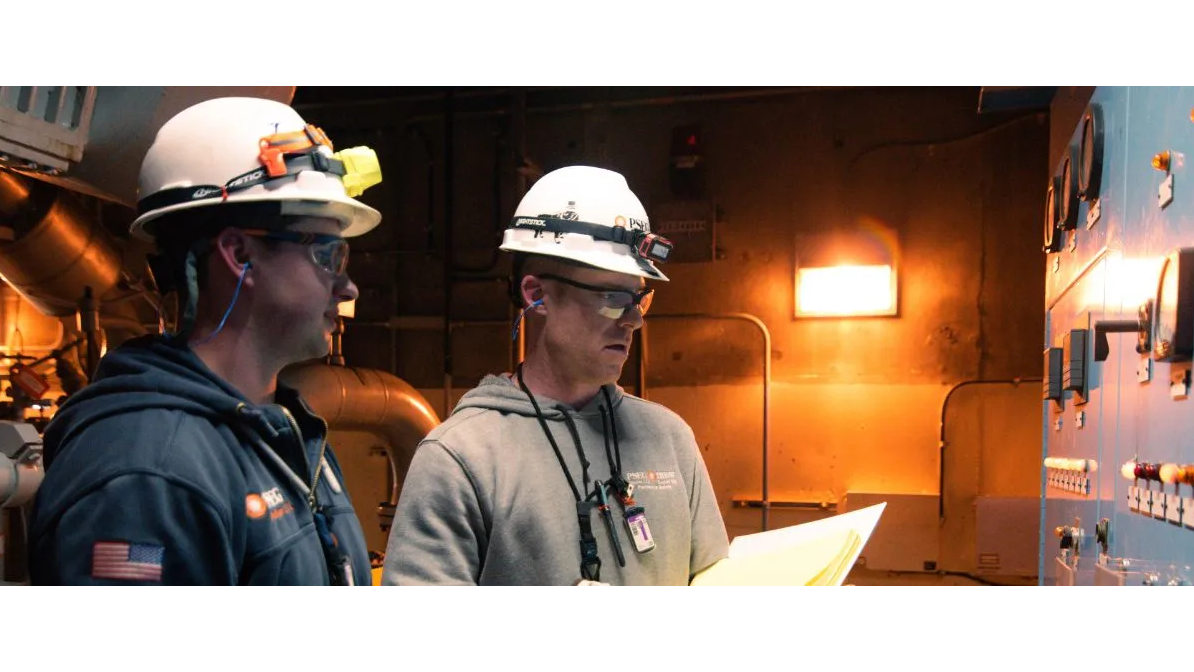
Comprehensive Overview of Power Plant Construction in New Jersey

- Complex Construction Process: Building a power plant in New Jersey involves multiple stages including planning, permitting, construction, and commissioning, requiring adherence to strict safety and environmental standards to ensure economic viability and reliability.
- Varied Construction Timelines: The construction duration varies significantly by plant type, with utility-scale solar and wind typically taking 1-2 years, natural gas combined-cycle plants 2-3 years, and nuclear plants potentially 10-15 years, reflecting the complexities of planning and licensing.
- Land Requirement Differences: Natural gas and nuclear plants require significantly less land, at 200 acres and 832 acres respectively, while wind and solar farms demand extensive land, with wind needing 50,000-70,000 acres per 1,000 MW and solar 5,000-10,000 acres, impacting site selection and environmental assessments.
- Operational Readiness Phase: After construction, plants undergo commissioning to ensure equipment operates correctly and meets technical standards, transitioning to operational readiness to begin supplying electricity to New Jersey's grid, thereby supporting the growing demand for reliable power.
See More
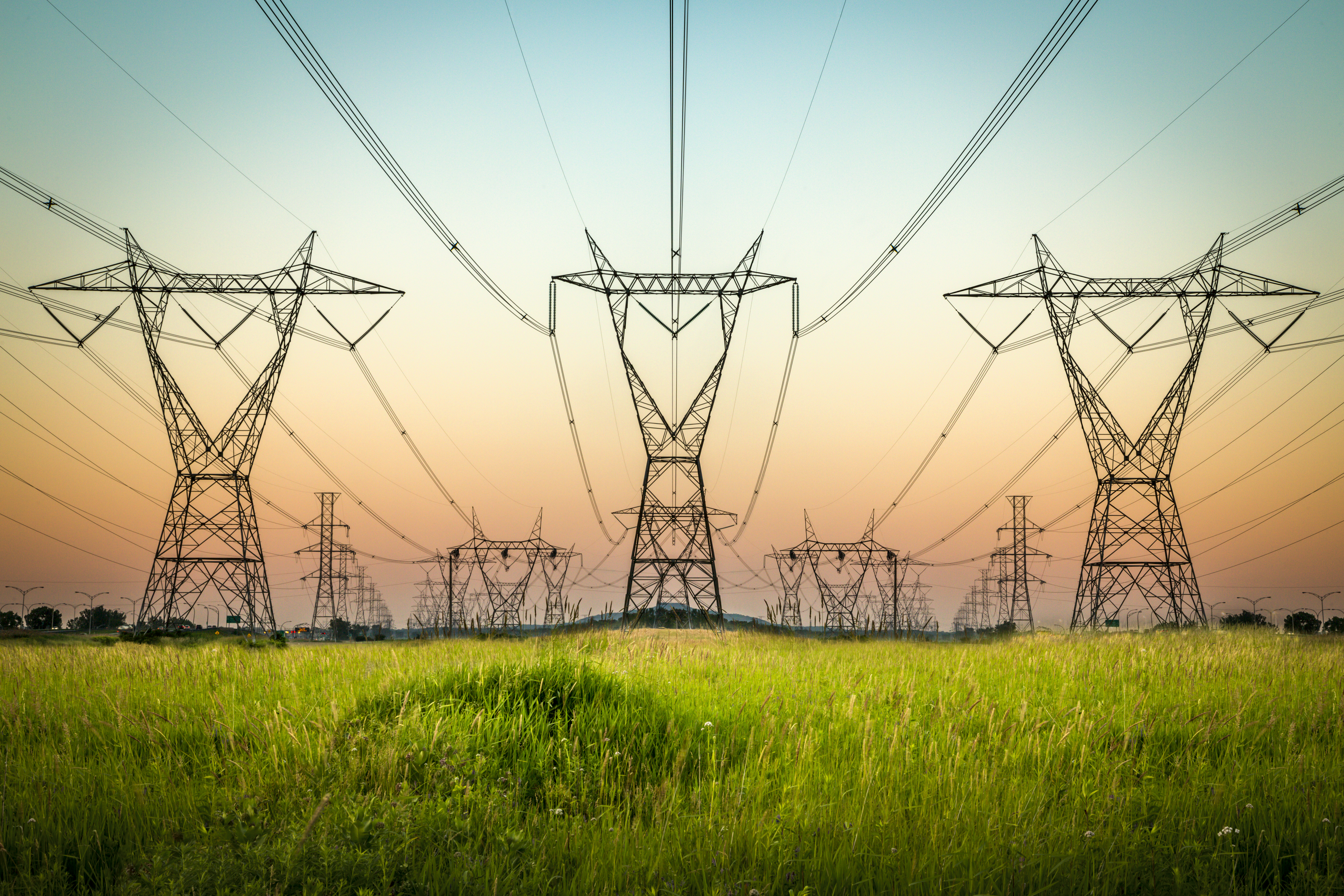
Public Service Enterprise Group Downgraded by Jefferies
- Downgrade Impact: Jefferies downgraded Public Service Enterprise Group (PSEG) from Buy to Hold with an $89 price target, primarily due to reduced confidence in a nuclear data center deal, which has diminished investor interest in existing assets, negatively impacting stock performance.
- Nuclear Project Outlook: Although analyst Paul Zimbardo remains hopeful for PSEG to sign a virtual power purchase agreement and credit customers some value, he expresses caution regarding this possibility, suggesting that while pursuing new nuclear projects, the odds of securing an on-campus data center may not improve.
- Transmission Risk Focus: Investors are increasingly concerned about PSEG's transmission exposure, with approximately 38% of the FY 2025 rate base coming from this segment; the analyst notes that the company's 9.9% base return on equity appears safe but is vulnerable to legislation mandating participation in regional transmission organizations, which poses a risk to share prices.
- Changing Investment Environment: PSEG's strong narrative has been undermined by high electric rates in 2025 and the focus of New Jersey Governor Sherrill on utility rate freezes, leading the analyst to conclude that the company will face a slower investment pace and increased reliance on unregulated earnings growth in a less accommodating policy environment.
See More
PSEG to Host Q1 2026 Earnings Call on May 5
- Earnings Call Schedule: PSEG will host its Q1 2026 earnings call on May 5 at 11:00 a.m. ET, where management will discuss financial results, guidance, and capital investments, aiming to enhance investor understanding of the company's financial health.
- Webcast Access: Investors can access the audio webcast and accompanying presentation materials through the Investor News and Events section of PSEG's Investor Relations website, ensuring transparency and timely information dissemination.
- Replay Availability: A replay of the audio webcast and presentation materials will be available by May 6 on the same website, further enhancing investors' ability to track company developments.
- Company Background: PSEG is one of the largest utility companies in the U.S., serving approximately 2.4 million electric and 1.9 million natural gas customers, and owns a fleet of 3,758 MW of carbon-free nuclear power, demonstrating its long-term commitment to sustainable energy solutions.
See More

PSEG to Host Q1 2026 Earnings Call on May 5
- Earnings Call Schedule: PSEG will hold its Q1 2026 earnings call on May 5 at 11:00 a.m. ET, where management will discuss financial results, guidance, and capital investments, aiming to enhance investor understanding of the company's financial health.
- Webcast Access: Investors can access the audio webcast of the earnings call through the 'Investor News and Events' section of PSEG's Investor Relations website, ensuring transparency and enhancing engagement with stakeholders.
- Company Overview: PSEG operates New Jersey's largest electric and gas utility, serving approximately 2.4 million electric and 1.9 million gas customers, while owning a fleet of 3,758 MW of carbon-free nuclear power, showcasing its commitment to renewable energy.
- Sustainability Achievements: PSEG has been included in the Dow Jones Sustainability North America Index for 17 consecutive years, reflecting its strong performance in environmental, social, and governance (ESG) criteria, further solidifying its leadership position in the market.
See More
PSE&G Advances New Jersey Energy Efficiency Initiatives
- Customer Participation: Over 480,000 customers have engaged in PSE&G's energy efficiency programs, improving energy management in homes and businesses, which enhances customer satisfaction and loyalty while reducing utility costs.
- Significant Economic Benefits: The programs have supported more than 20,000 businesses, implementing over 32,000 energy efficiency upgrades that help save costs and reinvest savings into operations, thereby promoting sustainable local economic development.
- Positive Environmental Impact: Through these initiatives, PSE&G has achieved nearly $900 million in annual energy savings, equivalent to removing 500,000 gasoline-powered cars from the road for one year, demonstrating the company's commitment to environmental stewardship.
- Commitment to Ongoing Investment: PSE&G plans to collaborate with the Board of Public Utilities to extend current programs through 2028, ensuring a stable energy efficiency framework that supports sustained progress and investment aimed at further reducing customer energy bills.
See More
PSE&G Advances Energy Efficiency Initiatives in New Jersey
- Significant Energy Savings: PSE&G's energy efficiency programs have collectively saved nearly $900 million annually for New Jersey customers to date, demonstrating their effectiveness in reducing energy use and costs, thereby reinforcing the company's leadership in the utility sector.
- Positive Environmental Impact: The programs have avoided carbon emissions equivalent to removing over 500,000 gasoline-powered cars from the road each year, highlighting PSE&G's commitment to sustainability and enhancing its reputation in corporate social responsibility.
- Economic Activity Boost: By collaborating with local trade allies and contractors to implement over 32,000 energy efficiency upgrades, PSE&G has supported local jobs and economic activity, underscoring the strategic importance of the company in fostering community economic development.
- Wide Customer Participation: More than 480,000 customers have engaged in PSE&G's energy efficiency programs, helping them improve energy management and lower utility costs, which further enhances customer loyalty and market competitiveness.
See More
Comprehensive Overview of Power Plant Construction in New Jersey
- Complex Construction Process: Building a power plant in New Jersey involves multiple stages including planning, permitting, construction, and commissioning, requiring adherence to strict safety and environmental standards to ensure economic viability and reliability.
- Varied Construction Timelines: The construction duration varies significantly by plant type, with utility-scale solar and wind typically taking 1-2 years, natural gas combined-cycle plants 2-3 years, and nuclear plants potentially 10-15 years, reflecting the complexities of planning and licensing.
- Land Requirement Differences: Natural gas and nuclear plants require significantly less land, at 200 acres and 832 acres respectively, while wind and solar farms demand extensive land, with wind needing 50,000-70,000 acres per 1,000 MW and solar 5,000-10,000 acres, impacting site selection and environmental assessments.
- Operational Readiness Phase: After construction, plants undergo commissioning to ensure equipment operates correctly and meets technical standards, transitioning to operational readiness to begin supplying electricity to New Jersey's grid, thereby supporting the growing demand for reliable power.
See More
Public Service Enterprise Group Downgraded by Jefferies
- Downgrade Impact: Jefferies downgraded Public Service Enterprise Group (PSEG) from Buy to Hold with an $89 price target, primarily due to reduced confidence in a nuclear data center deal, which has diminished investor interest in existing assets, negatively impacting stock performance.
- Nuclear Project Outlook: Although analyst Paul Zimbardo remains hopeful for PSEG to sign a virtual power purchase agreement and credit customers some value, he expresses caution regarding this possibility, suggesting that while pursuing new nuclear projects, the odds of securing an on-campus data center may not improve.
- Transmission Risk Focus: Investors are increasingly concerned about PSEG's transmission exposure, with approximately 38% of the FY 2025 rate base coming from this segment; the analyst notes that the company's 9.9% base return on equity appears safe but is vulnerable to legislation mandating participation in regional transmission organizations, which poses a risk to share prices.
- Changing Investment Environment: PSEG's strong narrative has been undermined by high electric rates in 2025 and the focus of New Jersey Governor Sherrill on utility rate freezes, leading the analyst to conclude that the company will face a slower investment pace and increased reliance on unregulated earnings growth in a less accommodating policy environment.
See More
PSEG to Host Q1 2026 Earnings Call on May 5
- Earnings Call Schedule: PSEG will host its Q1 2026 earnings call on May 5 at 11:00 a.m. ET, where management will discuss financial results, guidance, and capital investments, aiming to enhance investor understanding of the company's financial health.
- Webcast Access: Investors can access the audio webcast and accompanying presentation materials through the Investor News and Events section of PSEG's Investor Relations website, ensuring transparency and timely information dissemination.
- Replay Availability: A replay of the audio webcast and presentation materials will be available by May 6 on the same website, further enhancing investors' ability to track company developments.
- Company Background: PSEG is one of the largest utility companies in the U.S., serving approximately 2.4 million electric and 1.9 million natural gas customers, and owns a fleet of 3,758 MW of carbon-free nuclear power, demonstrating its long-term commitment to sustainable energy solutions.
See More
PSEG to Host Q1 2026 Earnings Call on May 5
- Earnings Call Schedule: PSEG will hold its Q1 2026 earnings call on May 5 at 11:00 a.m. ET, where management will discuss financial results, guidance, and capital investments, aiming to enhance investor understanding of the company's financial health.
- Webcast Access: Investors can access the audio webcast of the earnings call through the 'Investor News and Events' section of PSEG's Investor Relations website, ensuring transparency and enhancing engagement with stakeholders.
- Company Overview: PSEG operates New Jersey's largest electric and gas utility, serving approximately 2.4 million electric and 1.9 million gas customers, while owning a fleet of 3,758 MW of carbon-free nuclear power, showcasing its commitment to renewable energy.
- Sustainability Achievements: PSEG has been included in the Dow Jones Sustainability North America Index for 17 consecutive years, reflecting its strong performance in environmental, social, and governance (ESG) criteria, further solidifying its leadership position in the market.
See More
PSE&G Advances New Jersey Energy Efficiency Initiatives
- Customer Participation: Over 480,000 customers have engaged in PSE&G's energy efficiency programs, improving energy management in homes and businesses, which enhances customer satisfaction and loyalty while reducing utility costs.
- Significant Economic Benefits: The programs have supported more than 20,000 businesses, implementing over 32,000 energy efficiency upgrades that help save costs and reinvest savings into operations, thereby promoting sustainable local economic development.
- Positive Environmental Impact: Through these initiatives, PSE&G has achieved nearly $900 million in annual energy savings, equivalent to removing 500,000 gasoline-powered cars from the road for one year, demonstrating the company's commitment to environmental stewardship.
- Commitment to Ongoing Investment: PSE&G plans to collaborate with the Board of Public Utilities to extend current programs through 2028, ensuring a stable energy efficiency framework that supports sustained progress and investment aimed at further reducing customer energy bills.
See More
PSE&G Advances Energy Efficiency Initiatives in New Jersey
- Significant Energy Savings: PSE&G's energy efficiency programs have collectively saved nearly $900 million annually for New Jersey customers to date, demonstrating their effectiveness in reducing energy use and costs, thereby reinforcing the company's leadership in the utility sector.
- Positive Environmental Impact: The programs have avoided carbon emissions equivalent to removing over 500,000 gasoline-powered cars from the road each year, highlighting PSE&G's commitment to sustainability and enhancing its reputation in corporate social responsibility.
- Economic Activity Boost: By collaborating with local trade allies and contractors to implement over 32,000 energy efficiency upgrades, PSE&G has supported local jobs and economic activity, underscoring the strategic importance of the company in fostering community economic development.
- Wide Customer Participation: More than 480,000 customers have engaged in PSE&G's energy efficiency programs, helping them improve energy management and lower utility costs, which further enhances customer loyalty and market competitiveness.
See More