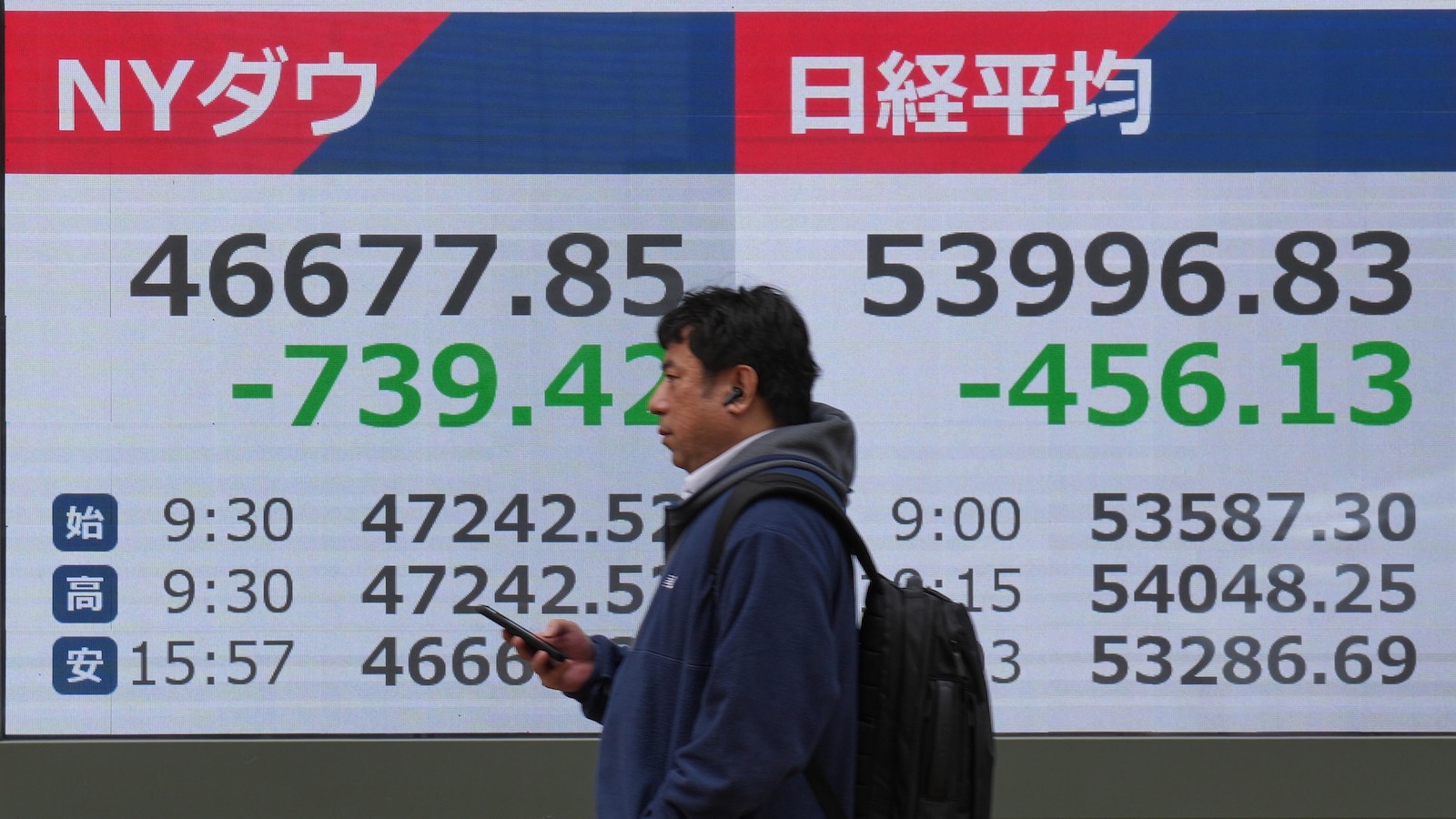
Premarket Moves: Nvidia, Delta, Oil Stocks, Eli Lilly
Written by Emily J. Thompson, Senior Investment Analyst
Updated: 1 hour ago
0mins

Should l Buy LLY?
Source: CNBC
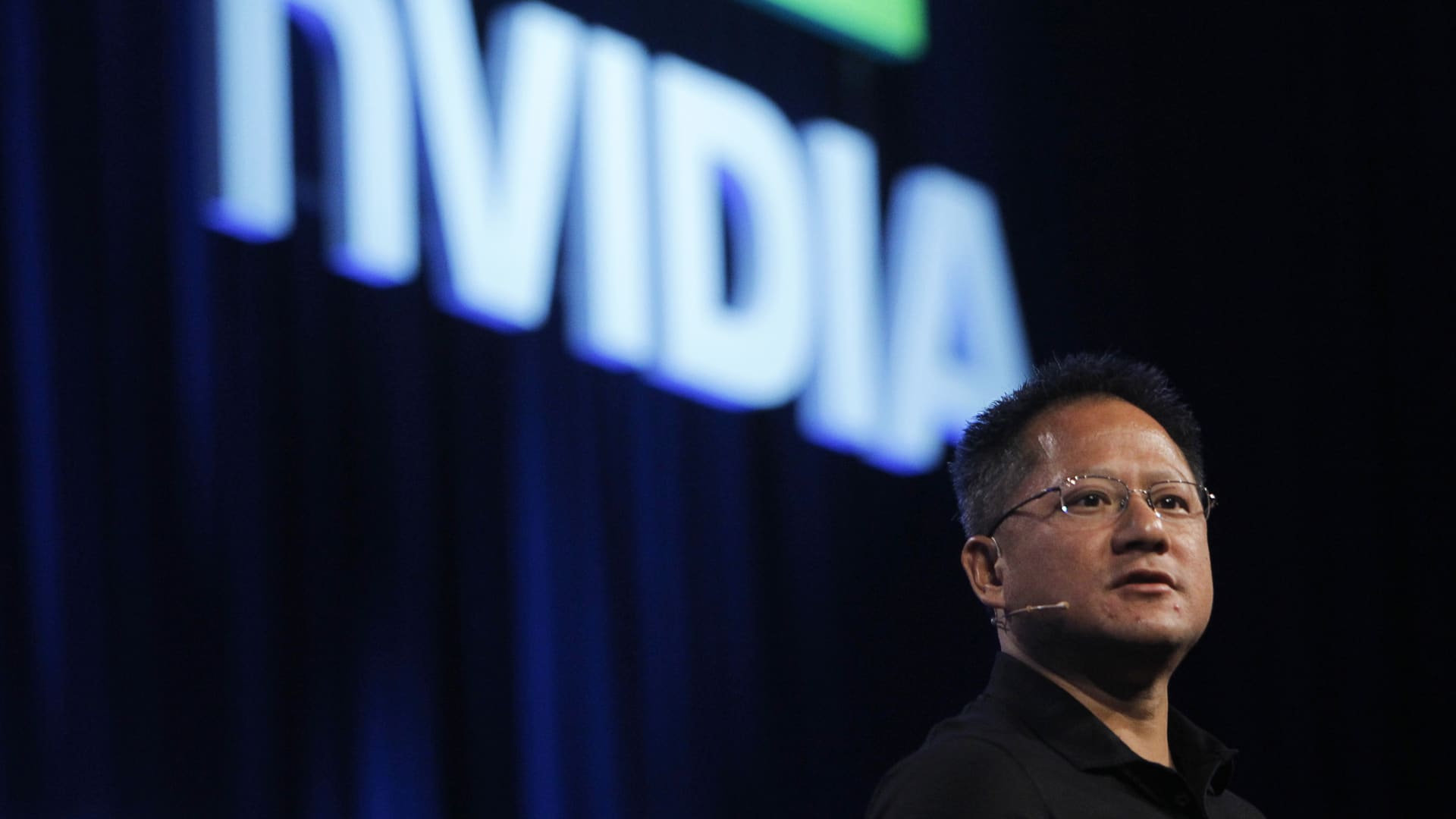
- Nvidia Order Expectations: Nvidia's CEO Jensen Huang stated that orders for its Blackwell and Vera Rubin chips are expected to reach $1 trillion by 2027, leading to a slight increase in stock price, reflecting strong market confidence in future demand.
- Delta Air Lines Revenue Guidance Raised: Delta's shares rose over 4% after the company raised its first-quarter revenue growth guidance to high single digits from a previous forecast of 5% to 7%, indicating robust recovery momentum in the airline industry.
- Oil Stocks Rally: Oil stocks collectively rose as crude prices resumed their upward trend, with Exxon Mobil up about 1% and Occidental Petroleum gaining 1.4%, showcasing market optimism regarding energy demand despite doubts surrounding a U.S. escort plan for tankers.
- Eli Lilly Downgrade: Eli Lilly's stock fell 1.1% following an HSBC downgrade from hold, with analysts expressing concerns that the obesity drug market appears inflated, indicating apprehension about the company's future profitability trends.
Trade with 70% Backtested Accuracy
Stop guessing "Should I Buy LLY?" and start using high-conviction signals backed by rigorous historical data.
Sign up today to access powerful investing tools and make smarter, data-driven decisions.
Analyst Views on LLY
Wall Street analysts forecast LLY stock price to rise
20 Analyst Rating
18 Buy
2 Hold
0 Sell
Strong Buy
Current: 985.080

Low
950.00
Averages
1192
High
1500
Current: 985.080
Low
950.00
Averages
1192
High
1500
About LLY
Eli Lilly and Company is a medicine company, which discovers, develops, manufactures, markets, and sells pharmaceutical products worldwide. Its cardiometabolic health products include Basaglar; Humalog, Humalog Mix 75/25, Humalog U-100, Humalog U-200, Humalog Mix 50/50, insulin lispro, and others; Humulin, Humulin 70/30, and others; Jardiance; Mounjaro; Trulicity; Zepbound; VERVE-102; VERVE-201, and VERVE-301. Its oncology products include Cyramza, Erbitux, Tyvyt, and Verzenio. Its immunology products include Ebglyss, Olumiant, Omvoh, and Taltz. Its neuroscience products include Emgality and Kisunla. The Company is also engaged in radiopharmaceutical discovery, development, and manufacturing efforts, and clinical and pre-clinical radioligand therapies in development for the treatment of cancer. It is also developing an oral small molecule inhibitor of a4b7 integrin for inflammatory bowel disease (IBD). It is evaluating its novel gene therapy candidate, ixoberogene soroparvovec.
About the author

Emily J. Thompson
Emily J. Thompson, a Chartered Financial Analyst (CFA) with 12 years in investment research, graduated with honors from the Wharton School. Specializing in industrial and technology stocks, she provides in-depth analysis for Intellectia’s earnings and market brief reports.

Eli Lilly's Growth Accelerates Amid High Valuation Concerns
- GLP-1 Drug Growth: Eli Lilly's GLP-1 treatments, Zepbound and Mounjaro, are in high demand, significantly boosting revenue and expected to maintain strong growth, solidifying its leadership in the global healthcare market.
- Valuation Pressure: With a market cap around $900 billion and trading at over 40 times trailing earnings, Eli Lilly's high valuation may hinder investors' ability to achieve strong returns in the future, necessitating careful risk assessment.
- New Product Launch: The company plans to launch a GLP-1 weight loss pill this year, which could add a fast-growing product to its portfolio, enhancing market competitiveness and attracting more investor interest.
- Increasing Competition: While Eli Lilly currently dominates the GLP-1 space, it may face increased competition in the future, with other healthcare companies potentially eroding its market share, making investments at such high valuations risky.
See More
Wall Street's Latest Ratings Overview

- Nvidia Strategy Reaffirmed: Morgan Stanley reiterates Nvidia as overweight, highlighting its cost leadership strategy presented at the GTC Conference, indicating that the company's competitive edge in AI will strengthen, likely driving future earnings growth.
- Uber Partnership Expansion: Deutsche Bank reiterates Uber as a buy, emphasizing that its expanded partnership with Nvidia will significantly scale operations, marking a deeper relationship that could open new revenue streams for Uber.
- Amazon's AI Advantage: Needham reiterates Amazon as a buy, believing that its vast product catalog and fulfillment network will position it favorably in the AI market, expected to drive revenue growth and solidify its market leadership.
- Lemonade Insurance Upgrade: Morgan Stanley upgrades Lemonade from equal weight to overweight, stressing that its partnership with Tesla provides a first-mover advantage in data analysis, likely enhancing its competitive position and driving future growth.
See More
HSBC Downgrades Eli Lilly, Signals Cooling Obesity Drug Market
- Rating Downgrade: HSBC analysts downgraded Eli Lilly from Hold to Reduce, slashing the target price from $1,070 to $850, citing that the stock is currently 'priced to perfection' and faces significant competitive headwinds.
- Market Expectation Correction: Analysts argue that the total addressable market (TAM) for obesity drugs is overestimated, likely to be between $80 billion and $120 billion by 2032, rather than the consensus expectation of $150 billion, indicating that market demand may not be as robust as anticipated.
- Intensifying Competition: While Lilly's stock has risen 20% over the past year, significantly outperforming Novo Nordisk's 55% decline, analysts warn that as competitors like Novo push back in pricing, the battle for market share will intensify.
- Healthcare Sector Outlook: Despite caution on Lilly and the obesity drug market, HSBC remains bullish on the broader healthcare sector, viewing it as a safer investment amid AI disruption and geopolitical instability, and recommends focusing on AstraZeneca, AbbVie, and Johnson & Johnson for better risk-reward profiles.
See More

Premarket Moves: Nvidia, Delta, Oil Stocks, Eli Lilly

- Nvidia Order Expectations: Nvidia's CEO Jensen Huang stated that orders for its Blackwell and Vera Rubin chips are expected to reach $1 trillion by 2027, leading to a slight increase in stock price, reflecting strong market confidence in future demand.
- Delta Air Lines Revenue Guidance Raised: Delta's shares rose over 4% after the company raised its first-quarter revenue growth guidance to high single digits from a previous forecast of 5% to 7%, indicating robust recovery momentum in the airline industry.
- Oil Stocks Rally: Oil stocks collectively rose as crude prices resumed their upward trend, with Exxon Mobil up about 1% and Occidental Petroleum gaining 1.4%, showcasing market optimism regarding energy demand despite doubts surrounding a U.S. escort plan for tankers.
- Eli Lilly Downgrade: Eli Lilly's stock fell 1.1% following an HSBC downgrade from hold, with analysts expressing concerns that the obesity drug market appears inflated, indicating apprehension about the company's future profitability trends.
See More

Pfizer Faces Critical Transition Period

- Blockbuster Decline: Pfizer's major blockbusters are declining, forcing the company to undergo a significant transformation in its product portfolio to achieve future growth, with the success of this transition directly impacting market performance.
- Key Trials Launch: In its latest earnings report, Pfizer indicated that it will initiate 20 significant pivotal trials this year, with the outcomes being crucial for the company's future product line and revenue growth, particularly in new drug development.
- Obesity Drug Market Potential: Through the acquisition of Metsera, Pfizer aims to enter the obesity drug market, projected to reach nearly $100 billion by 2030, with its candidate potentially allowing for monthly administration, which could provide a competitive edge.
- Significant R&D Risks: Despite having multiple programs in its pipeline, the risk of drug development failure remains high, especially for key candidates like the obesity drug; any setbacks could significantly weigh on Pfizer's stock performance.
See More

Pfizer Faces Transition Challenges and Opportunities
- Revenue Decline Risk: Pfizer's revenue peaked at $100 billion in 2022, but the decline in demand for COVID-related products and the expiration of patents for key blockbusters have led to a significant risk of revenue and stock price decline, necessitating a portfolio renewal to drive future growth.
- Key Trials Launch: In its latest earnings report, Pfizer indicated that this year will see the initiation of 20 significant pivotal trials, particularly in the promising obesity drug market, which is expected to reach nearly $100 billion by the end of the decade, with Pfizer entering this high-demand sector through the acquisition of Metsera.
- Pipeline Dependency: Pfizer's future growth heavily relies on the success of its development pipeline, especially for its obesity drug candidate; failure of key candidates in clinical trials could significantly impact the company's stock performance and overall market position.
- Market Competition Pressure: While Pfizer has potential advantages in the obesity drug sector, it faces intense competition from established players like Eli Lilly and Novo Nordisk, and must demonstrate the efficacy and market appeal of its new products in a crowded marketplace.
See More
Eli Lilly's Growth Accelerates Amid High Valuation Concerns
- GLP-1 Drug Growth: Eli Lilly's GLP-1 treatments, Zepbound and Mounjaro, are in high demand, significantly boosting revenue and expected to maintain strong growth, solidifying its leadership in the global healthcare market.
- Valuation Pressure: With a market cap around $900 billion and trading at over 40 times trailing earnings, Eli Lilly's high valuation may hinder investors' ability to achieve strong returns in the future, necessitating careful risk assessment.
- New Product Launch: The company plans to launch a GLP-1 weight loss pill this year, which could add a fast-growing product to its portfolio, enhancing market competitiveness and attracting more investor interest.
- Increasing Competition: While Eli Lilly currently dominates the GLP-1 space, it may face increased competition in the future, with other healthcare companies potentially eroding its market share, making investments at such high valuations risky.
See More
Wall Street's Latest Ratings Overview
- Nvidia Strategy Reaffirmed: Morgan Stanley reiterates Nvidia as overweight, highlighting its cost leadership strategy presented at the GTC Conference, indicating that the company's competitive edge in AI will strengthen, likely driving future earnings growth.
- Uber Partnership Expansion: Deutsche Bank reiterates Uber as a buy, emphasizing that its expanded partnership with Nvidia will significantly scale operations, marking a deeper relationship that could open new revenue streams for Uber.
- Amazon's AI Advantage: Needham reiterates Amazon as a buy, believing that its vast product catalog and fulfillment network will position it favorably in the AI market, expected to drive revenue growth and solidify its market leadership.
- Lemonade Insurance Upgrade: Morgan Stanley upgrades Lemonade from equal weight to overweight, stressing that its partnership with Tesla provides a first-mover advantage in data analysis, likely enhancing its competitive position and driving future growth.
See More
HSBC Downgrades Eli Lilly, Signals Cooling Obesity Drug Market
- Rating Downgrade: HSBC analysts downgraded Eli Lilly from Hold to Reduce, slashing the target price from $1,070 to $850, citing that the stock is currently 'priced to perfection' and faces significant competitive headwinds.
- Market Expectation Correction: Analysts argue that the total addressable market (TAM) for obesity drugs is overestimated, likely to be between $80 billion and $120 billion by 2032, rather than the consensus expectation of $150 billion, indicating that market demand may not be as robust as anticipated.
- Intensifying Competition: While Lilly's stock has risen 20% over the past year, significantly outperforming Novo Nordisk's 55% decline, analysts warn that as competitors like Novo push back in pricing, the battle for market share will intensify.
- Healthcare Sector Outlook: Despite caution on Lilly and the obesity drug market, HSBC remains bullish on the broader healthcare sector, viewing it as a safer investment amid AI disruption and geopolitical instability, and recommends focusing on AstraZeneca, AbbVie, and Johnson & Johnson for better risk-reward profiles.
See More
Premarket Moves: Nvidia, Delta, Oil Stocks, Eli Lilly
- Nvidia Order Expectations: Nvidia's CEO Jensen Huang stated that orders for its Blackwell and Vera Rubin chips are expected to reach $1 trillion by 2027, leading to a slight increase in stock price, reflecting strong market confidence in future demand.
- Delta Air Lines Revenue Guidance Raised: Delta's shares rose over 4% after the company raised its first-quarter revenue growth guidance to high single digits from a previous forecast of 5% to 7%, indicating robust recovery momentum in the airline industry.
- Oil Stocks Rally: Oil stocks collectively rose as crude prices resumed their upward trend, with Exxon Mobil up about 1% and Occidental Petroleum gaining 1.4%, showcasing market optimism regarding energy demand despite doubts surrounding a U.S. escort plan for tankers.
- Eli Lilly Downgrade: Eli Lilly's stock fell 1.1% following an HSBC downgrade from hold, with analysts expressing concerns that the obesity drug market appears inflated, indicating apprehension about the company's future profitability trends.
See More
Pfizer Faces Critical Transition Period
- Blockbuster Decline: Pfizer's major blockbusters are declining, forcing the company to undergo a significant transformation in its product portfolio to achieve future growth, with the success of this transition directly impacting market performance.
- Key Trials Launch: In its latest earnings report, Pfizer indicated that it will initiate 20 significant pivotal trials this year, with the outcomes being crucial for the company's future product line and revenue growth, particularly in new drug development.
- Obesity Drug Market Potential: Through the acquisition of Metsera, Pfizer aims to enter the obesity drug market, projected to reach nearly $100 billion by 2030, with its candidate potentially allowing for monthly administration, which could provide a competitive edge.
- Significant R&D Risks: Despite having multiple programs in its pipeline, the risk of drug development failure remains high, especially for key candidates like the obesity drug; any setbacks could significantly weigh on Pfizer's stock performance.
See More
Pfizer Faces Transition Challenges and Opportunities
- Revenue Decline Risk: Pfizer's revenue peaked at $100 billion in 2022, but the decline in demand for COVID-related products and the expiration of patents for key blockbusters have led to a significant risk of revenue and stock price decline, necessitating a portfolio renewal to drive future growth.
- Key Trials Launch: In its latest earnings report, Pfizer indicated that this year will see the initiation of 20 significant pivotal trials, particularly in the promising obesity drug market, which is expected to reach nearly $100 billion by the end of the decade, with Pfizer entering this high-demand sector through the acquisition of Metsera.
- Pipeline Dependency: Pfizer's future growth heavily relies on the success of its development pipeline, especially for its obesity drug candidate; failure of key candidates in clinical trials could significantly impact the company's stock performance and overall market position.
- Market Competition Pressure: While Pfizer has potential advantages in the obesity drug sector, it faces intense competition from established players like Eli Lilly and Novo Nordisk, and must demonstrate the efficacy and market appeal of its new products in a crowded marketplace.
See More