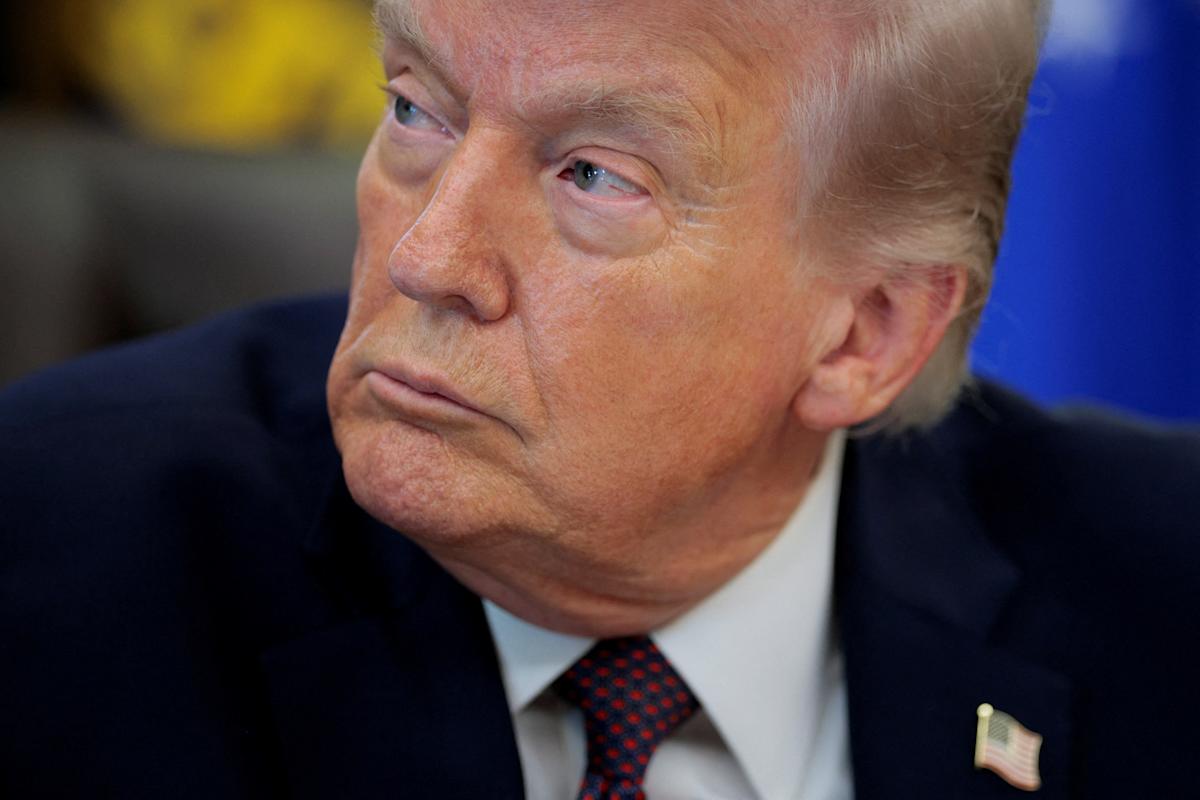
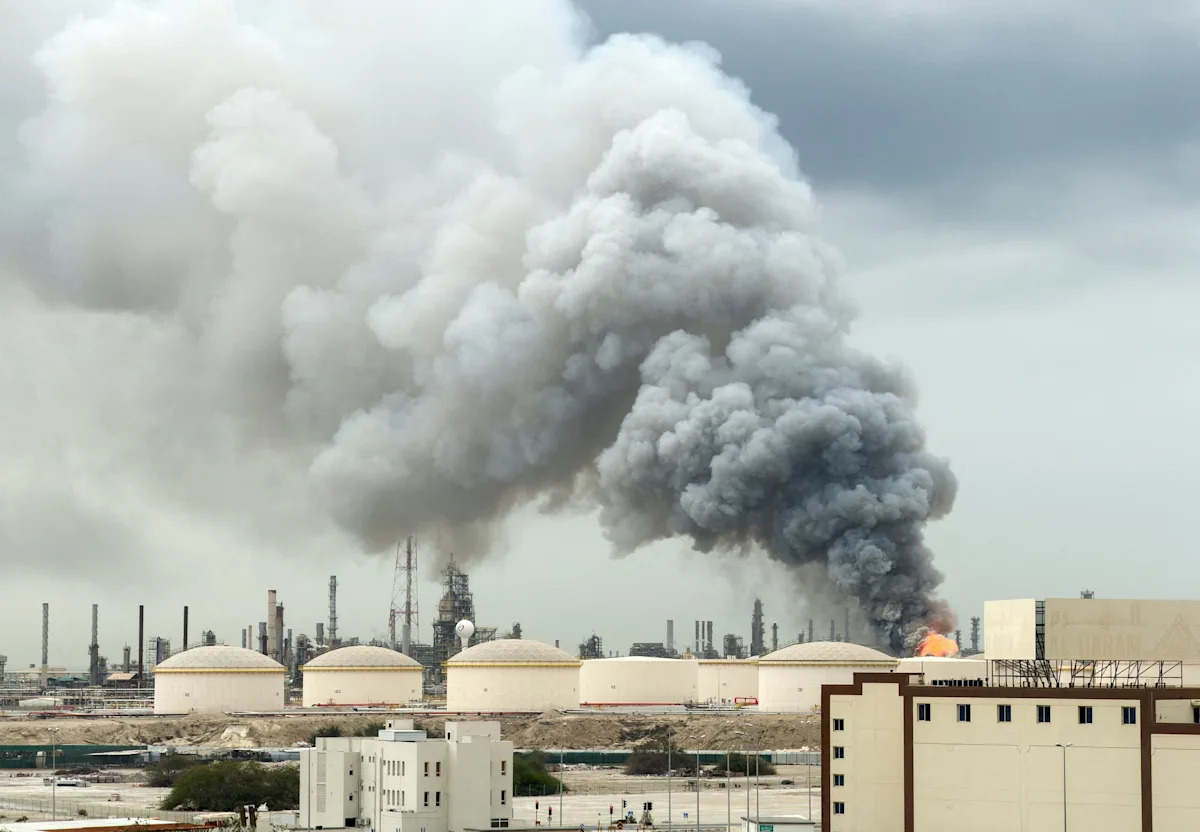
Pivotal Week for Oil Market: Trump Pressures Iran
Written by Emily J. Thompson, Senior Investment Analyst
Updated: 1 hour ago
0mins
Source: Fool
- Oil Price Volatility Risk: Trump has issued an ultimatum to Iran, demanding the reopening of the Strait of Hormuz by Monday or face military strikes, which could lead to extreme oil price fluctuations, with Brent crude potentially soaring to $150-$200 per barrel if the strait remains closed.
- Market Reaction: The closure of the Strait has already caused significant oil price increases, with Brent crude rising nearly 80% in 2026 to almost $110 per barrel, while WTI surged nearly 95% to over $112 per barrel, indicating the market's sensitivity to supply disruptions.
- Supply Chain Impact: Despite a coordinated release of 400 million barrels from emergency stockpiles by IEA member countries, the closure of the strait has displaced around 20 million barrels of oil per day, disrupting about a quarter of global seaborne oil trade.
- Investment Strategy Adjustment: In this uncertain market environment, investors should focus on energy stocks that can thrive amid oil price volatility, such as ExxonMobil and Chevron, which expect to achieve over 10% annual growth even at lower oil prices, demonstrating resilience in the current market.
Trade with 70% Backtested Accuracy
Stop guessing "Should I Buy XOM?" and start using high-conviction signals backed by rigorous historical data.
Sign up today to access powerful investing tools and make smarter, data-driven decisions.
Analyst Views on XOM
Wall Street analysts forecast XOM stock price to fall
19 Analyst Rating
12 Buy
7 Hold
0 Sell
Moderate Buy
Current: 160.780

Low
114.00
Averages
132.17
High
158.00
Current: 160.780
Low
114.00
Averages
132.17
High
158.00
About XOM
Exxon Mobil Corporation is an energy provider and chemical manufacturer. The Company’s principal business involves exploration for, and production of, crude oil and natural gas; the manufacture, trade, transport and sale of crude oil, natural gas, petroleum products, petrochemicals and a wide variety of specialty products; and pursuit of lower-emission and other new business opportunities, including carbon capture and storage, hydrogen, lower-emission fuels, Proxxima systems, carbon materials, and lithium. Its Upstream segment explores for and produces crude oil and natural gas. The Energy Products, Chemical Products, and Specialty Products segments manufacture and sell petroleum products and petrochemicals. Energy Products segment includes fuels, aromatics, and catalysts and licensing. Chemical Products segment consists of olefins, polyolefins, and intermediates. Specialty Products segment includes finished lubricants, basestocks and waxes, synthetics, and elastomers and resins.
About the author

Emily J. Thompson
Emily J. Thompson, a Chartered Financial Analyst (CFA) with 12 years in investment research, graduated with honors from the Wharton School. Specializing in industrial and technology stocks, she provides in-depth analysis for Intellectia’s earnings and market brief reports.

ExxonMobil Shares Surge 11.3% Amid Rising Oil Prices

- Surge in Oil Prices: Crude oil prices soared in March, with Brent rising 43% to nearly $104 per barrel due to U.S. and Israeli military actions against Iran, directly contributing to ExxonMobil's 11.3% stock price increase.
- Supply Constraints: Iran's attacks on energy infrastructure have effectively closed the Strait of Hormuz, choking off 20% of global oil and LNG supplies, which is expected to further elevate oil prices and enhance Exxon's profitability.
- Return to Venezuela: ExxonMobil expressed interest in returning to Venezuela under favorable investment terms, leveraging its improved technical expertise in heavy oil, which could significantly boost the company's long-term growth profile.
- LNG Project Milestone: Exxon and QatarEnergy completed the first LNG train at their Golden Pass project in Texas, with an initial capacity of 6 million tonnes per annum, set to ramp up to 18 million tonnes, coinciding with disruptions in Qatar's LNG operations due to the Iran conflict, making the project's timing critical.
See More
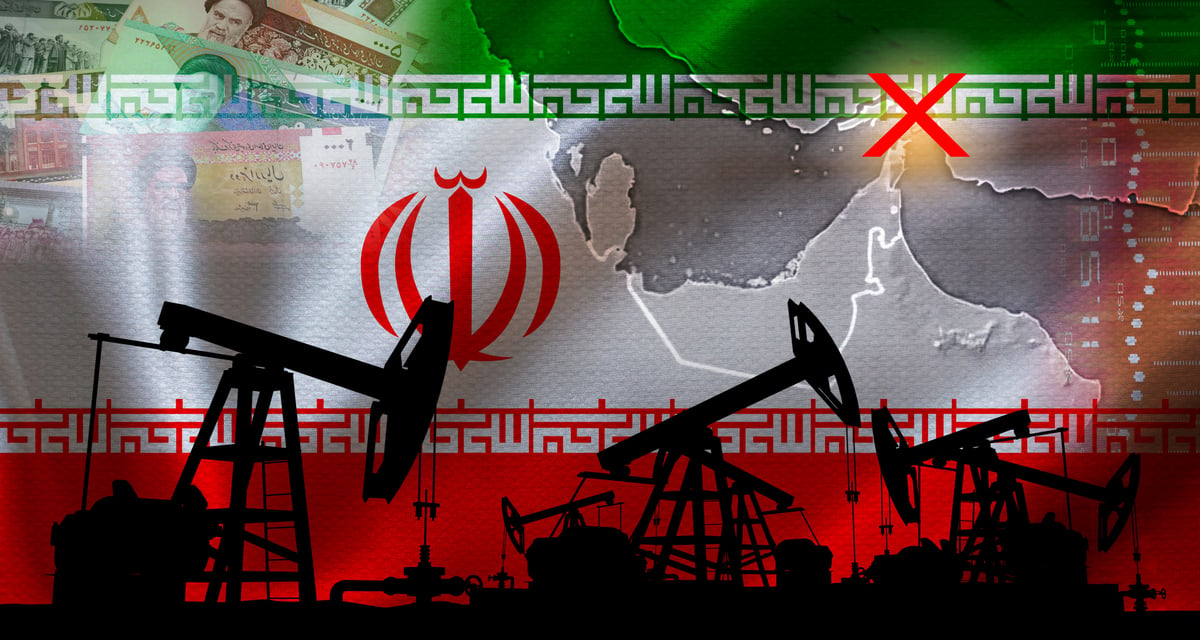
Pivotal Week for Oil Market: Trump Pressures Iran

- Oil Price Volatility Risk: Trump has issued an ultimatum to Iran, demanding the reopening of the Strait of Hormuz by Monday or face military strikes, which could lead to extreme oil price fluctuations, with Brent crude potentially soaring to $150-$200 per barrel if the strait remains closed.
- Market Reaction: The closure of the Strait has already caused significant oil price increases, with Brent crude rising nearly 80% in 2026 to almost $110 per barrel, while WTI surged nearly 95% to over $112 per barrel, indicating the market's sensitivity to supply disruptions.
- Supply Chain Impact: Despite a coordinated release of 400 million barrels from emergency stockpiles by IEA member countries, the closure of the strait has displaced around 20 million barrels of oil per day, disrupting about a quarter of global seaborne oil trade.
- Investment Strategy Adjustment: In this uncertain market environment, investors should focus on energy stocks that can thrive amid oil price volatility, such as ExxonMobil and Chevron, which expect to achieve over 10% annual growth even at lower oil prices, demonstrating resilience in the current market.
See More

Trump's Ultimatum to Iran: Oil Market on Edge
- Oil Price Volatility Risk: Trump's ultimatum to Iran demands the reopening of the Strait of Hormuz by Monday, with failure likely causing oil prices to spike to $150-$200 per barrel, significantly impacting the global economy.
- Market Reaction Expectations: A ceasefire deal could lead to a gradual decline in oil prices, although they are not expected to return to pre-war levels immediately; the market anticipates WTI prices to drop to around $70 by year-end, alleviating economic pressure.
- Energy Companies' Strategies: Major oil firms like ExxonMobil and Chevron have built their businesses to thrive in low oil price environments, expecting double-digit annual growth rates through 2030, demonstrating resilience in uncertain markets.
- Geopolitical Impact: An escalation of conflict could lead Iran to attack additional energy infrastructure in the Middle East, causing severe oil price fluctuations, prompting investors to focus on high-quality energy stocks that can profit in varying market conditions.
See More
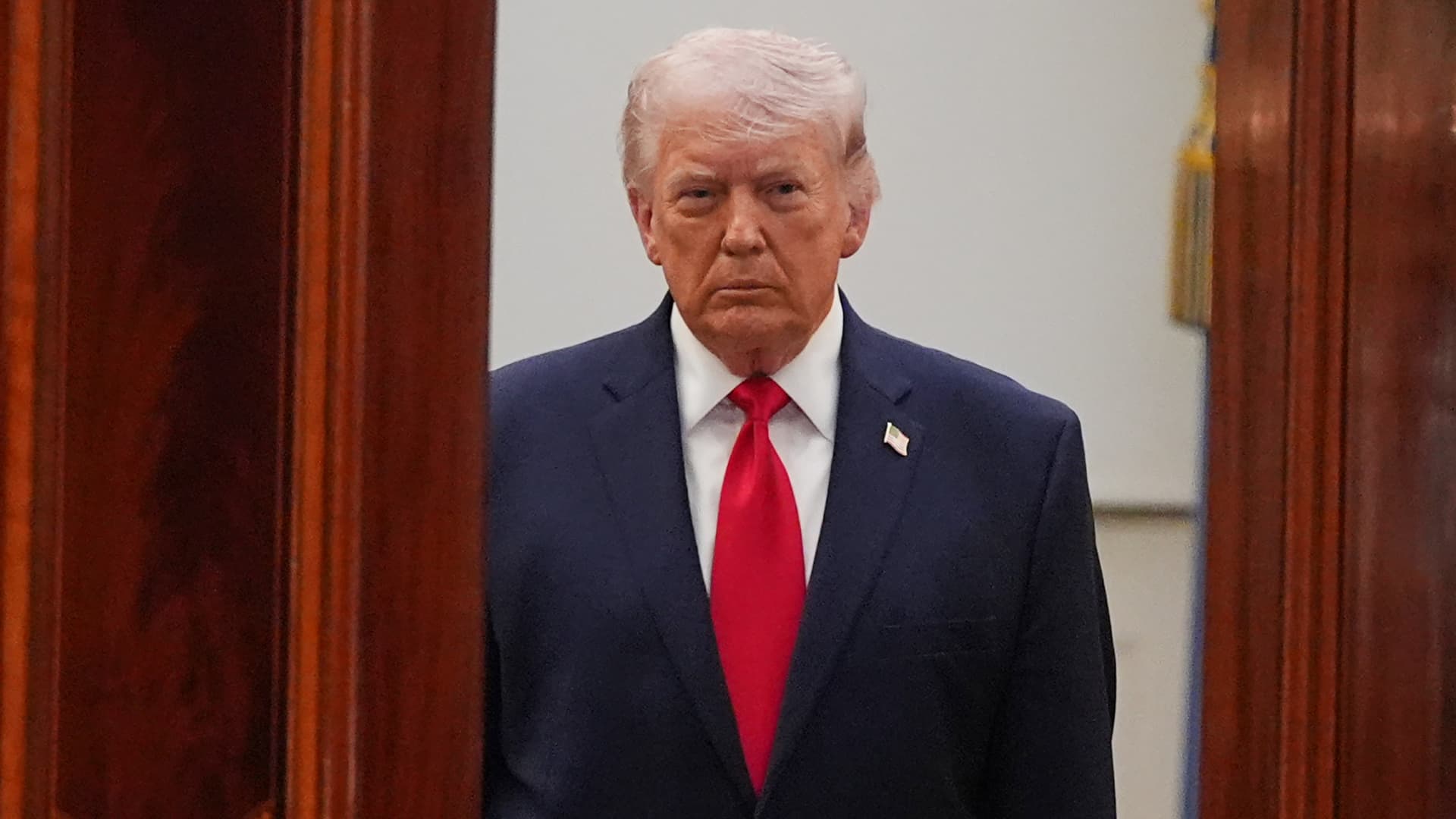
Trump's Hardline Stance on Iran War Intensifies


- Escalating Conflict: Trump's social media post threatens military action against Iran's power plants and bridges if the Strait of Hormuz is not reopened by Tuesday, provoking strong backlash from opposition leaders and civil society groups.
- Surging Oil Prices: The ongoing blockade of the Strait of Hormuz has pushed U.S. crude prices above $114 per barrel on Sunday, highlighting the significant impact of the regional conflict on global energy markets.
- Military Engagement: Iran continues to strike economic and infrastructure targets in neighboring Gulf Arab countries and shot down an American F-15E fighter jet over the weekend, with Trump confirming that the missing service member has been rescued, further escalating tensions.
- Federal Reserve Nomination: Trump's nominee Kevin Warsh is set for a Senate Banking Committee hearing on April 16, despite a separate criminal probe into the Fed, indicating a complex economic policy landscape under the Trump administration.
See More
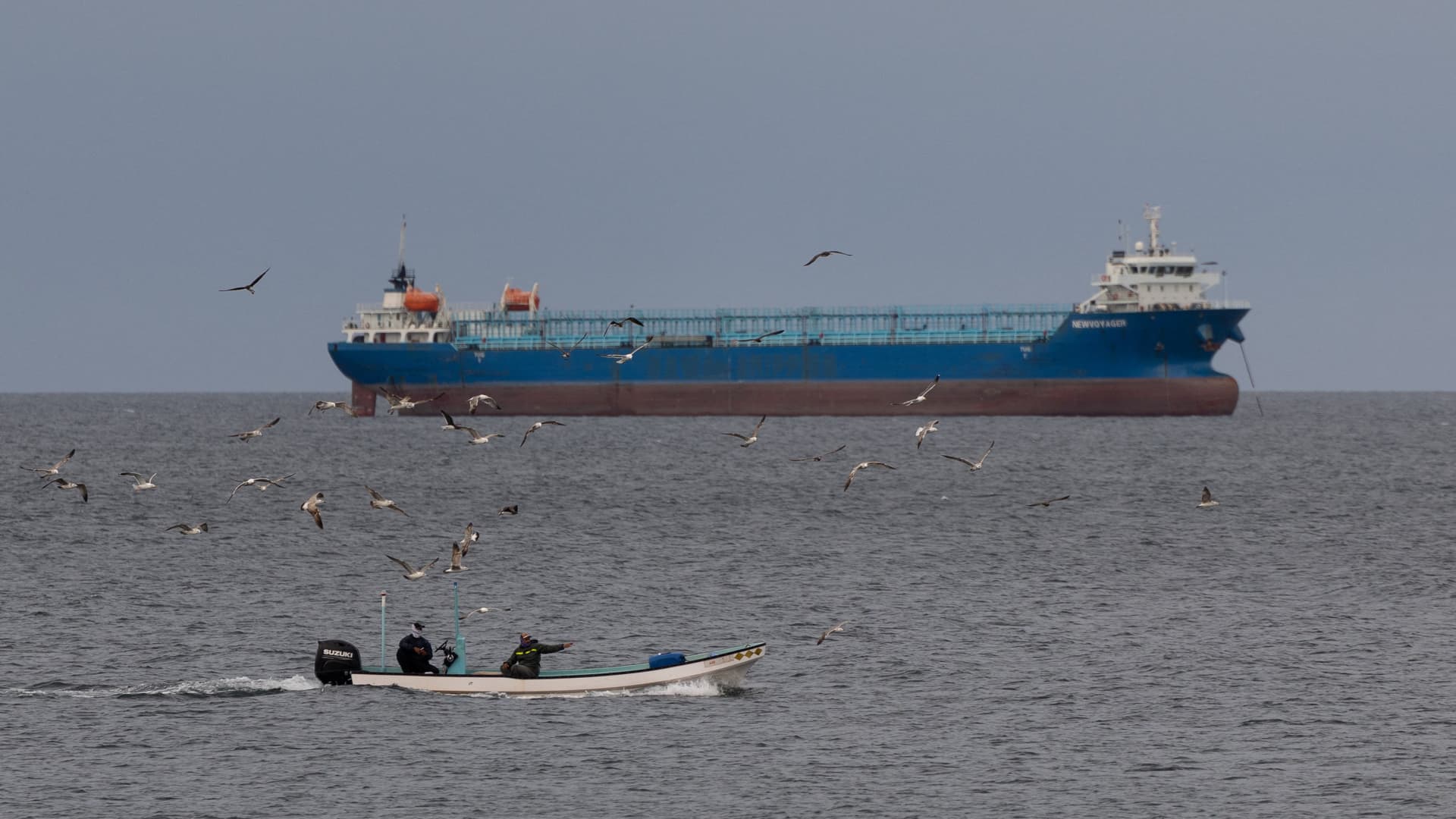
Middle East Conflict Impacts Asian Markets


- Market Reaction: Japan's Nikkei 225 rose by 0.62% and South Korea's Kospi increased by 1.8%, indicating investor sensitivity to the Middle East situation, even as most Asian markets were closed for holidays.
- Oil Price Fluctuations: U.S. West Texas Intermediate prices increased by 2.57% to $114.11 per barrel, while the international benchmark Brent crude rose by 2.62%, reflecting market concerns about the Middle East conflict and its potential impact on global supply.
- Trump's Threats: President Trump issued threats to attack Iran's power plants and civilian infrastructure starting Tuesday if Tehran fails to fully reopen the Strait of Hormuz, a move that could escalate regional tensions.
- OPEC Production Increase: The Organization of the Petroleum Exporting Countries and allies raised their production quotas by 206,000 barrels per day for May, although this move appeared largely symbolic due to shipping constraints caused by the ongoing war.
See More
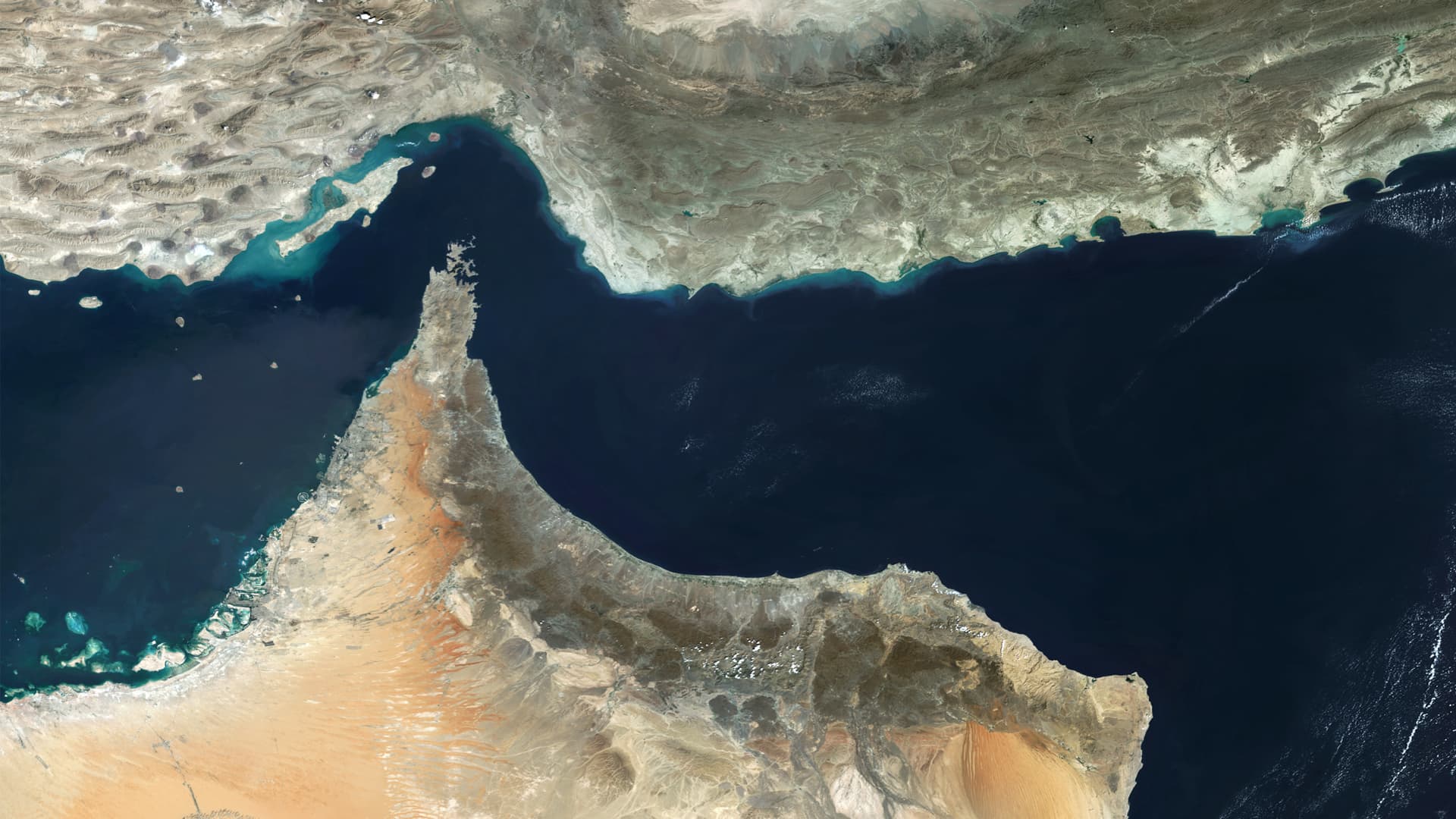
Escalating Strait of Hormuz Situation Drives Oil Prices Higher

- Oil Price Surge: U.S. crude oil prices rose 2.35% to $114.16 per barrel on Sunday, while international benchmark Brent prices increased 1.72% to $110.91 per barrel, reflecting strong market reactions to supply disruptions.
- Trump's Threat: President Trump threatened Iran via social media, demanding the opening of the Strait of Hormuz by Tuesday or face attacks on its power plants, which has heightened market uncertainty.
- Supply Disruption Impact: The closure of the Strait is expected to result in nearly 1 billion barrels of oil lost by the end of the month, including 600 million barrels of crude and 350 million barrels of refined products, marking the largest oil supply disruption in history.
- OPEC+ Production Increase: The eight members of OPEC+ agreed to increase production by 206,000 barrels per day in May, but uncertainties remain regarding how this oil will reach global markets while the Strait remains closed.
See More
ExxonMobil Shares Surge 11.3% Amid Rising Oil Prices
- Surge in Oil Prices: Crude oil prices soared in March, with Brent rising 43% to nearly $104 per barrel due to U.S. and Israeli military actions against Iran, directly contributing to ExxonMobil's 11.3% stock price increase.
- Supply Constraints: Iran's attacks on energy infrastructure have effectively closed the Strait of Hormuz, choking off 20% of global oil and LNG supplies, which is expected to further elevate oil prices and enhance Exxon's profitability.
- Return to Venezuela: ExxonMobil expressed interest in returning to Venezuela under favorable investment terms, leveraging its improved technical expertise in heavy oil, which could significantly boost the company's long-term growth profile.
- LNG Project Milestone: Exxon and QatarEnergy completed the first LNG train at their Golden Pass project in Texas, with an initial capacity of 6 million tonnes per annum, set to ramp up to 18 million tonnes, coinciding with disruptions in Qatar's LNG operations due to the Iran conflict, making the project's timing critical.
See More
Pivotal Week for Oil Market: Trump Pressures Iran
- Oil Price Volatility Risk: Trump has issued an ultimatum to Iran, demanding the reopening of the Strait of Hormuz by Monday or face military strikes, which could lead to extreme oil price fluctuations, with Brent crude potentially soaring to $150-$200 per barrel if the strait remains closed.
- Market Reaction: The closure of the Strait has already caused significant oil price increases, with Brent crude rising nearly 80% in 2026 to almost $110 per barrel, while WTI surged nearly 95% to over $112 per barrel, indicating the market's sensitivity to supply disruptions.
- Supply Chain Impact: Despite a coordinated release of 400 million barrels from emergency stockpiles by IEA member countries, the closure of the strait has displaced around 20 million barrels of oil per day, disrupting about a quarter of global seaborne oil trade.
- Investment Strategy Adjustment: In this uncertain market environment, investors should focus on energy stocks that can thrive amid oil price volatility, such as ExxonMobil and Chevron, which expect to achieve over 10% annual growth even at lower oil prices, demonstrating resilience in the current market.
See More
Trump's Ultimatum to Iran: Oil Market on Edge
- Oil Price Volatility Risk: Trump's ultimatum to Iran demands the reopening of the Strait of Hormuz by Monday, with failure likely causing oil prices to spike to $150-$200 per barrel, significantly impacting the global economy.
- Market Reaction Expectations: A ceasefire deal could lead to a gradual decline in oil prices, although they are not expected to return to pre-war levels immediately; the market anticipates WTI prices to drop to around $70 by year-end, alleviating economic pressure.
- Energy Companies' Strategies: Major oil firms like ExxonMobil and Chevron have built their businesses to thrive in low oil price environments, expecting double-digit annual growth rates through 2030, demonstrating resilience in uncertain markets.
- Geopolitical Impact: An escalation of conflict could lead Iran to attack additional energy infrastructure in the Middle East, causing severe oil price fluctuations, prompting investors to focus on high-quality energy stocks that can profit in varying market conditions.
See More
Trump's Hardline Stance on Iran War Intensifies
- Escalating Conflict: Trump's social media post threatens military action against Iran's power plants and bridges if the Strait of Hormuz is not reopened by Tuesday, provoking strong backlash from opposition leaders and civil society groups.
- Surging Oil Prices: The ongoing blockade of the Strait of Hormuz has pushed U.S. crude prices above $114 per barrel on Sunday, highlighting the significant impact of the regional conflict on global energy markets.
- Military Engagement: Iran continues to strike economic and infrastructure targets in neighboring Gulf Arab countries and shot down an American F-15E fighter jet over the weekend, with Trump confirming that the missing service member has been rescued, further escalating tensions.
- Federal Reserve Nomination: Trump's nominee Kevin Warsh is set for a Senate Banking Committee hearing on April 16, despite a separate criminal probe into the Fed, indicating a complex economic policy landscape under the Trump administration.
See More
Middle East Conflict Impacts Asian Markets
- Market Reaction: Japan's Nikkei 225 rose by 0.62% and South Korea's Kospi increased by 1.8%, indicating investor sensitivity to the Middle East situation, even as most Asian markets were closed for holidays.
- Oil Price Fluctuations: U.S. West Texas Intermediate prices increased by 2.57% to $114.11 per barrel, while the international benchmark Brent crude rose by 2.62%, reflecting market concerns about the Middle East conflict and its potential impact on global supply.
- Trump's Threats: President Trump issued threats to attack Iran's power plants and civilian infrastructure starting Tuesday if Tehran fails to fully reopen the Strait of Hormuz, a move that could escalate regional tensions.
- OPEC Production Increase: The Organization of the Petroleum Exporting Countries and allies raised their production quotas by 206,000 barrels per day for May, although this move appeared largely symbolic due to shipping constraints caused by the ongoing war.
See More
Escalating Strait of Hormuz Situation Drives Oil Prices Higher
- Oil Price Surge: U.S. crude oil prices rose 2.35% to $114.16 per barrel on Sunday, while international benchmark Brent prices increased 1.72% to $110.91 per barrel, reflecting strong market reactions to supply disruptions.
- Trump's Threat: President Trump threatened Iran via social media, demanding the opening of the Strait of Hormuz by Tuesday or face attacks on its power plants, which has heightened market uncertainty.
- Supply Disruption Impact: The closure of the Strait is expected to result in nearly 1 billion barrels of oil lost by the end of the month, including 600 million barrels of crude and 350 million barrels of refined products, marking the largest oil supply disruption in history.
- OPEC+ Production Increase: The eight members of OPEC+ agreed to increase production by 206,000 barrels per day in May, but uncertainties remain regarding how this oil will reach global markets while the Strait remains closed.
See More