Philips Unveils Rembra CT System, Enhancing Imaging Diagnosis Efficiency
Written by Emily J. Thompson, Senior Investment Analyst
Updated: Mar 04 2026
0mins
Should l Buy PHG?
Source: Newsfilter
- Imaging Reconstruction Speed: The Rembra system boasts a reconstruction speed of up to 106 images per second, enabling support for up to 270 patient exams per day, significantly enhancing diagnostic efficiency in emergency and trauma settings, thus aiding healthcare professionals in making timely clinical decisions.
- Patient Comfort Improvement: With an 85 cm bore design, Rembra accommodates complex patient types, improving the examination experience for trauma and bariatric patients, potentially reducing the need for rescans and enhancing overall healthcare service quality.
- Efficient Imaging Technology: The next-generation NanoPanel Precise XD detector, integrated with AI technology, achieves high-resolution imaging and dose efficiency, supporting clear visualization of anatomical structures and ensuring image quality and diagnostic confidence across various clinical scenarios.
- Long-Term Value Assurance: Engineered for high-altitude environments, the Rembra system offers high reliability and durability, supporting a lifespan of up to 20 years, while the Tube for Life service program enhances cost predictability by covering tube replacement costs for up to 10 years.
Trade with 70% Backtested Accuracy
Stop guessing "Should I Buy PHG?" and start using high-conviction signals backed by rigorous historical data.
Sign up today to access powerful investing tools and make smarter, data-driven decisions.
Analyst Views on PHG
About PHG
Koninklijke Philips NV is a Netherlands-based health technology company. The Company's segments include Personal Health businesses, Diagnosis & Treatment businesses, Connected Care businesses and Other. The Personal Health businesses segment is engaged in the health continuum, delivering integrated, connected solutions that support healthier lifestyles and those living with chronic disease as well as oral healthcare and mother and child care support. The Diagnosis & Treatment businesses segment delivers precision medicine and treatment, and therapy. The Connected Care businesses segment provides consumers, care givers and clinicians with digital solutions that facilitate care by enabling precision medicine and population health management. The Other segment comprises such items, as innovation, emerging businesses, royalties, among others.
About the author

Emily J. Thompson
Emily J. Thompson, a Chartered Financial Analyst (CFA) with 12 years in investment research, graduated with honors from the Wharton School. Specializing in industrial and technology stocks, she provides in-depth analysis for Intellectia’s earnings and market brief reports.

Philips Launches AI-Driven Mitral Valve Repair Device Guidance

- FDA Clearance Achieved: Philips' EchoNavigator R5.0 with DeviceGuide has received FDA 510(k) clearance, marking a significant technological advancement in minimally invasive heart valve repair, expected to enhance the safety and efficiency of cardiac treatments.
- Real-Time AI Assistance: DeviceGuide provides real-time tracking and visualization of the Edwards PASCAL Ace mitral valve repair device, integrating ultrasound and X-ray images to help clinicians navigate and position devices more clearly, thereby increasing the success rate of complex procedures.
- Collaborative Innovation: Developed in close partnership with Edwards Lifesciences, DeviceGuide aims to streamline minimally invasive valve repair procedures, enhancing physician confidence and team coordination, thus advancing cardiac treatment methodologies.
- Broad Market Potential: With the rising demand for structural heart procedures, the launch of DeviceGuide not only aligns with market trends but also strengthens Philips' leadership position in the global cardiac health technology sector.
See More
Philips Launches IntraSight Plus Interventional Guidance Platform
- FDA and CE Clearance: Philips' IntraSight Plus platform has received FDA 510(k) and CE marking, indicating compliance for clinical use in the USA and Europe, which is expected to significantly enhance the company's market share in interventional cardiology.
- Efficiency Gains: By integrating diagnostic and treatment planning tools, the platform can save up to 47% in system operation time, thereby improving workflow efficiency in interventional procedures and aiding clinicians in making effective decisions in busy cath labs.
- Clinical Application Case: The first patient case using IntraSight Plus was successfully performed at Cellitinnen-Krankenhaus in Cologne, Germany, demonstrating the platform's potential in treating complex cases of acute ST-elevation myocardial infarction.
- Integration Advantages: IntraSight Plus merges Class IA IVUS and iFR/FFR physiology into one system, providing real-time device visualization that enhances precision and control during procedures, ultimately improving patient care quality.
See More

EXOR NV Reaches EUR 10 Billion in Assets Under Management

- Asset Management Milestone: EXOR NV's Lingotto has reached EUR 10 billion in assets under management, driven primarily by performance rather than mere asset accumulation, showcasing the company's strong market presence and growth potential.
- Buyback Program Implementation: The company executed a EUR 1 billion stock buyback in 2025, expected to repurchase nearly 15% of its shares, which not only enhances the company's financial robustness but also provides flexibility for future capital operations.
- Philips Stake Increase: EXOR NV increased its economic rights in Philips to 19%, setting a mid-teens profit margin target in its new three-year plan, indicating confidence in this investment and strategic positioning in healthcare and technology sectors.
- Strong Financial Position: As of 2025, EXOR NV's cash position reached EUR 1.4 billion, with a loan-to-value ratio reduced to 6.9%, ensuring liquidity and investment capability in uncertain market conditions.
See More
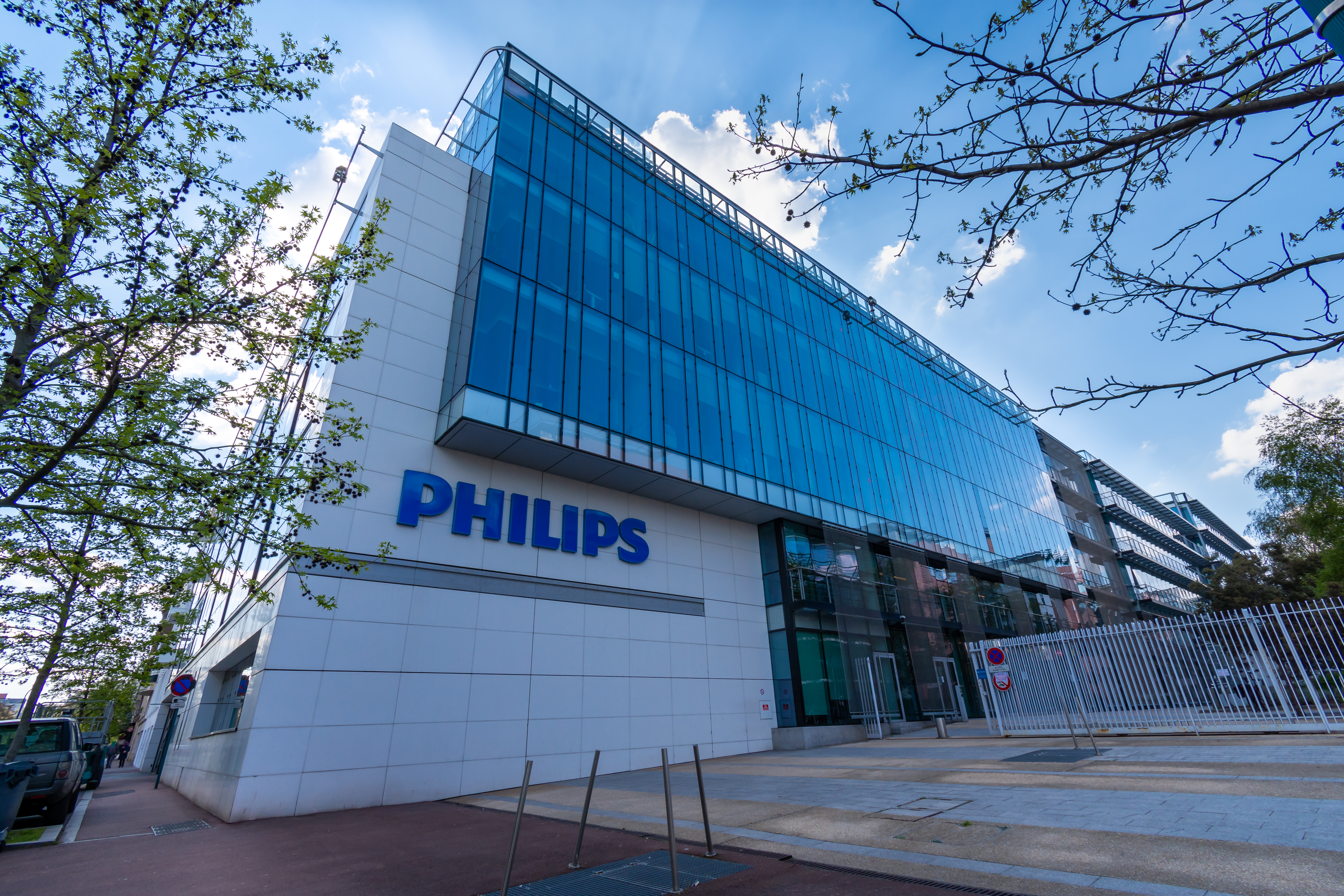
Philips Proposes New Board Member and CEO Reappointment
- Board Member Nomination: Philips will propose John DeFord as a new Supervisory Board member at the Annual General Meeting on May 8, 2026, aiming to enhance the company's capabilities in innovation and patient safety through fresh leadership.
- CEO Reappointment Plan: The company intends to reappoint current CEO Roy Jakobs, indicating confidence in his leadership and a desire to continue driving strategic execution and innovation in the future.
- Current Board Members Reappointment: Philips also plans to reappoint Paul Stoffels, Herna Verhagen, and Sanjay Poonen, emphasizing that their extensive experience in innovation and execution will support the company's long-term development goals.
- Board Member Transition: Marc Harrison will step down from the Supervisory Board after completing two terms at the end of the 2026 AGM, which may impact the company's governance structure and future decision-making processes.
See More
Philips Sonicare Promotes New Oral Health Awareness
- Oral Health Night Event: Philips Sonicare transforms World Oral Health Day into World Oral Health Night with an event in New York City aimed at raising public awareness about the inadequacies of manual brushing in removing plaque, highlighting the importance of using Sonicare electric toothbrushes.
- Research Backing: Studies indicate that manual brushing can leave up to 50% of plaque behind, allowing bacteria to thrive overnight, while Philips Sonicare technology is designed to effectively clean areas often missed by manual brushing, thereby enhancing oral health.
- Technological Advantages: Sonicare electric toothbrushes generate up to 62,000 bristle movements per minute, capable of removing up to 2000% more plaque, with the latest 6500 series removing 1000% more plaque than manual brushes, helping users maintain a cleaner mouth before sleep.
- Health Education Mission: Philips Sonicare is committed to improving the oral health of millions through innovation and education, emphasizing the accessibility of superior oral care to promote overall health, showcasing its leadership in the personal health sector.
See More
Philips Showcases AI-Driven Healthcare Platforms
- Data Integration Capability: Philips creates a unified data foundation by connecting medical devices, monitoring systems, and health information systems, which enhances clinical decision-making efficiency and reduces care delays across environments.
- Enterprise Monitoring Innovation: Philips' enterprise monitoring system enables longitudinal care intelligence, ensuring physiological signals remain visible as patients move across different care settings, helping clinical teams achieve safe early discharge in high-pressure environments.
- Integrated Diagnostics System: Philips' integrated diagnostics solutions connect multiple diagnostic systems, streamlining clinical workflows and allowing physicians to quickly access patient imaging and diagnostic data, thereby accelerating diagnosis time and improving healthcare efficiency.
- Trust and Security: Philips' platform design emphasizes cybersecurity, privacy, and responsible AI practices, ensuring data liquidity and longitudinal context support, which enhances clinical decision-making while minimizing unnecessary complexity.
See More
Philips Launches AI-Driven Mitral Valve Repair Device Guidance
- FDA Clearance Achieved: Philips' EchoNavigator R5.0 with DeviceGuide has received FDA 510(k) clearance, marking a significant technological advancement in minimally invasive heart valve repair, expected to enhance the safety and efficiency of cardiac treatments.
- Real-Time AI Assistance: DeviceGuide provides real-time tracking and visualization of the Edwards PASCAL Ace mitral valve repair device, integrating ultrasound and X-ray images to help clinicians navigate and position devices more clearly, thereby increasing the success rate of complex procedures.
- Collaborative Innovation: Developed in close partnership with Edwards Lifesciences, DeviceGuide aims to streamline minimally invasive valve repair procedures, enhancing physician confidence and team coordination, thus advancing cardiac treatment methodologies.
- Broad Market Potential: With the rising demand for structural heart procedures, the launch of DeviceGuide not only aligns with market trends but also strengthens Philips' leadership position in the global cardiac health technology sector.
See More
Philips Launches IntraSight Plus Interventional Guidance Platform
- FDA and CE Clearance: Philips' IntraSight Plus platform has received FDA 510(k) and CE marking, indicating compliance for clinical use in the USA and Europe, which is expected to significantly enhance the company's market share in interventional cardiology.
- Efficiency Gains: By integrating diagnostic and treatment planning tools, the platform can save up to 47% in system operation time, thereby improving workflow efficiency in interventional procedures and aiding clinicians in making effective decisions in busy cath labs.
- Clinical Application Case: The first patient case using IntraSight Plus was successfully performed at Cellitinnen-Krankenhaus in Cologne, Germany, demonstrating the platform's potential in treating complex cases of acute ST-elevation myocardial infarction.
- Integration Advantages: IntraSight Plus merges Class IA IVUS and iFR/FFR physiology into one system, providing real-time device visualization that enhances precision and control during procedures, ultimately improving patient care quality.
See More
EXOR NV Reaches EUR 10 Billion in Assets Under Management
- Asset Management Milestone: EXOR NV's Lingotto has reached EUR 10 billion in assets under management, driven primarily by performance rather than mere asset accumulation, showcasing the company's strong market presence and growth potential.
- Buyback Program Implementation: The company executed a EUR 1 billion stock buyback in 2025, expected to repurchase nearly 15% of its shares, which not only enhances the company's financial robustness but also provides flexibility for future capital operations.
- Philips Stake Increase: EXOR NV increased its economic rights in Philips to 19%, setting a mid-teens profit margin target in its new three-year plan, indicating confidence in this investment and strategic positioning in healthcare and technology sectors.
- Strong Financial Position: As of 2025, EXOR NV's cash position reached EUR 1.4 billion, with a loan-to-value ratio reduced to 6.9%, ensuring liquidity and investment capability in uncertain market conditions.
See More
Philips Proposes New Board Member and CEO Reappointment
- Board Member Nomination: Philips will propose John DeFord as a new Supervisory Board member at the Annual General Meeting on May 8, 2026, aiming to enhance the company's capabilities in innovation and patient safety through fresh leadership.
- CEO Reappointment Plan: The company intends to reappoint current CEO Roy Jakobs, indicating confidence in his leadership and a desire to continue driving strategic execution and innovation in the future.
- Current Board Members Reappointment: Philips also plans to reappoint Paul Stoffels, Herna Verhagen, and Sanjay Poonen, emphasizing that their extensive experience in innovation and execution will support the company's long-term development goals.
- Board Member Transition: Marc Harrison will step down from the Supervisory Board after completing two terms at the end of the 2026 AGM, which may impact the company's governance structure and future decision-making processes.
See More
Philips Sonicare Promotes New Oral Health Awareness
- Oral Health Night Event: Philips Sonicare transforms World Oral Health Day into World Oral Health Night with an event in New York City aimed at raising public awareness about the inadequacies of manual brushing in removing plaque, highlighting the importance of using Sonicare electric toothbrushes.
- Research Backing: Studies indicate that manual brushing can leave up to 50% of plaque behind, allowing bacteria to thrive overnight, while Philips Sonicare technology is designed to effectively clean areas often missed by manual brushing, thereby enhancing oral health.
- Technological Advantages: Sonicare electric toothbrushes generate up to 62,000 bristle movements per minute, capable of removing up to 2000% more plaque, with the latest 6500 series removing 1000% more plaque than manual brushes, helping users maintain a cleaner mouth before sleep.
- Health Education Mission: Philips Sonicare is committed to improving the oral health of millions through innovation and education, emphasizing the accessibility of superior oral care to promote overall health, showcasing its leadership in the personal health sector.
See More
Philips Showcases AI-Driven Healthcare Platforms
- Data Integration Capability: Philips creates a unified data foundation by connecting medical devices, monitoring systems, and health information systems, which enhances clinical decision-making efficiency and reduces care delays across environments.
- Enterprise Monitoring Innovation: Philips' enterprise monitoring system enables longitudinal care intelligence, ensuring physiological signals remain visible as patients move across different care settings, helping clinical teams achieve safe early discharge in high-pressure environments.
- Integrated Diagnostics System: Philips' integrated diagnostics solutions connect multiple diagnostic systems, streamlining clinical workflows and allowing physicians to quickly access patient imaging and diagnostic data, thereby accelerating diagnosis time and improving healthcare efficiency.
- Trust and Security: Philips' platform design emphasizes cybersecurity, privacy, and responsible AI practices, ensuring data liquidity and longitudinal context support, which enhances clinical decision-making while minimizing unnecessary complexity.
See More