Pfizer Shares Plummet, Dividend Sustainability in Question
Written by Emily J. Thompson, Senior Investment Analyst
Updated: 1 hour ago
0mins
Should l Buy PFE?
Source: Fool
- Significant Stock Decline: Pfizer (PFE) has seen its stock price drop 55% since its late 2021 peak, pushing the dividend yield up to 6.3%, which reflects Wall Street's pessimism despite the company's solid pharmaceutical business.
- R&D Challenges: The abandonment of Pfizer's internally developed GLP-1 weight-loss drug candidate highlights the intense competition and unpredictability in the pharmaceutical industry, exacerbating investor concerns about Pfizer's future prospects.
- High Dividend Payout Ratio: Pfizer's trailing 12-month dividend payout ratio stands at 126%, indicating pressure on maintaining dividends, although the cash payout ratio is slightly below 100%, suggesting caution for investors.
- Future Investment Confidence: Despite challenges, Pfizer is actively investing in new drug development and has clearly stated its commitment to maintaining dividends, which may bolster investor confidence in its long-term growth potential.
Trade with 70% Backtested Accuracy
Stop guessing "Should I Buy PFE?" and start using high-conviction signals backed by rigorous historical data.
Sign up today to access powerful investing tools and make smarter, data-driven decisions.
Analyst Views on PFE
Wall Street analysts forecast PFE stock price to rise
16 Analyst Rating
5 Buy
11 Hold
0 Sell
Moderate Buy
Current: 26.670

Low
24.00
Averages
28.56
High
35.00
Current: 26.670
Low
24.00
Averages
28.56
High
35.00
About PFE
Pfizer Inc. is a research-based, global biopharmaceutical company. The Company is engaged in the discovery, development, manufacture, marketing, sale and distribution of biopharmaceutical products worldwide. Its Biopharma segment includes the Pfizer U.S. Commercial Division, and the Pfizer International Commercial Division. Its product categories include oncology, primary care and specialty care. Its oncology products include Ibrance, Xtandi, Padcev, Adcetris, Inlyta, Lorbrena, Bosulif, Tukysa, Braftovi, Mektovi, Orgovyx, Elrexfio, Tivdak and Talzenna. Its primary care products include Eliquis, Nurtec ODT/Vydura, Zavzpret, the Prevnar family, Comirnaty, Abrysvo, FSME/IMMUN-TicoVac, Nimenrix, Trumenba, and Paxlovid. Its specialty care products include Xeljanz, Enbrel (outside the United States and Canada), Inflectra, Abrilada, Cibinqo, Litfulo, Eucrisa, Velsipity, the Vyndaqel family, Genotropin, and others. Its PF-08653944 is an ultra-long-acting fully biased GLP-1 receptor agonist.
About the author

Emily J. Thompson
Emily J. Thompson, a Chartered Financial Analyst (CFA) with 12 years in investment research, graduated with honors from the Wharton School. Specializing in industrial and technology stocks, she provides in-depth analysis for Intellectia’s earnings and market brief reports.

Pfizer Stock Plummets, Dividend Yield Rises to 6.3%

- Significant Stock Decline: Pfizer's stock has fallen 55% since late 2021, indicating a substantial shift in Wall Street's perception of the pharmaceutical giant, which has pushed the dividend yield up to 6.3%, creating pressure on investor confidence.
- R&D Challenges: The company faced setbacks with its internally developed GLP-1 weight-loss drug candidate, failing to enter a highly competitive market, which has exacerbated investor concerns regarding its future growth potential and negatively impacted its vaccine business performance.
- Dividend Payment Risks: Pfizer's trailing 12-month dividend payout ratio stands at 126%, while the cash payout ratio is slightly lower at 107%, indicating risks in maintaining the dividend, especially given the current underperformance in business results.
- Future Outlook: Despite these challenges, Pfizer remains a $155 billion innovative company, with management clearly stating their commitment to supporting the dividend, suggesting that investors may retain confidence in the dividend's sustainability until the company's R&D efforts begin to yield results.
See More

Pfizer Shares Plummet, Dividend Sustainability in Question
- Significant Stock Decline: Pfizer (PFE) has seen its stock price drop 55% since its late 2021 peak, pushing the dividend yield up to 6.3%, which reflects Wall Street's pessimism despite the company's solid pharmaceutical business.
- R&D Challenges: The abandonment of Pfizer's internally developed GLP-1 weight-loss drug candidate highlights the intense competition and unpredictability in the pharmaceutical industry, exacerbating investor concerns about Pfizer's future prospects.
- High Dividend Payout Ratio: Pfizer's trailing 12-month dividend payout ratio stands at 126%, indicating pressure on maintaining dividends, although the cash payout ratio is slightly below 100%, suggesting caution for investors.
- Future Investment Confidence: Despite challenges, Pfizer is actively investing in new drug development and has clearly stated its commitment to maintaining dividends, which may bolster investor confidence in its long-term growth potential.
See More

CureVac Sues Moderna Over Patent Infringement

- Patent Infringement Lawsuit: German biotech firm CureVac filed a lawsuit against Moderna in Delaware federal court, alleging that Moderna's COVID-19 vaccine Spikevax infringes CureVac's patents related to messenger RNA technology, seeking royalties from Spikevax sales, highlighting the intensifying patent disputes in the COVID-19 vaccine market.
- Technology Copying Allegations: CureVac claims that Moderna copied its technology for stabilizing fragile mRNA, and if proven, this could significantly impact Moderna's vaccine sales and market position, potentially leading to substantial damages.
- Intensifying Industry Competition: BioNTech, which acquired CureVac last year, filed a separate patent lawsuit against Moderna in February regarding its next-generation mNEXSPIKE COVID-19 shot, indicating escalating competition among biotech firms, particularly in the COVID-19 vaccine sector.
- Ongoing Legal Battles: Moderna previously sued Pfizer and BioNTech in 2022 for patent infringement over its Comirnaty vaccine, and the current lawsuit is part of a broader trend of biotech companies seeking a share of the tens of billions in revenue generated from COVID-19 vaccine sales, reflecting the ongoing legal struggles within the industry.
See More
BridgeBio Shares Rise on Patent Settlement Indications

- Patent Settlement Progress: BridgeBio (BBIO) shares rose 2.9% following court filings indicating a settlement between Pfizer (PFE) and Dexcel in a patent lawsuit concerning Pfizer's Vyndamax drug, which could positively impact BBIO.
- Market Expectation Shift: Barclays analyst Eliana Merle noted that investors might view the settlement between Pfizer and Dexcel as a positive signal, although specific details regarding the settlement date and potential agreements with other defendants remain undisclosed, improving market sentiment towards BBIO.
- Future Outlook: Barclays anticipates that if the settlement proceeds smoothly, a generic version of Vyndamax could enter the market by 2031, potentially benefiting BBIO's Attruby drug, which is similar to Vyndamax.
- Stock Price Volatility Prediction: Analysts believe that if Pfizer settles or wins, BBIO shares could rise by 30-40%; conversely, if Pfizer loses, shares might drop by 20-30%, indicating the market's high sensitivity to this event.
See More
Eliquis to Launch on Mark Cuban Cost Plus Drug Website

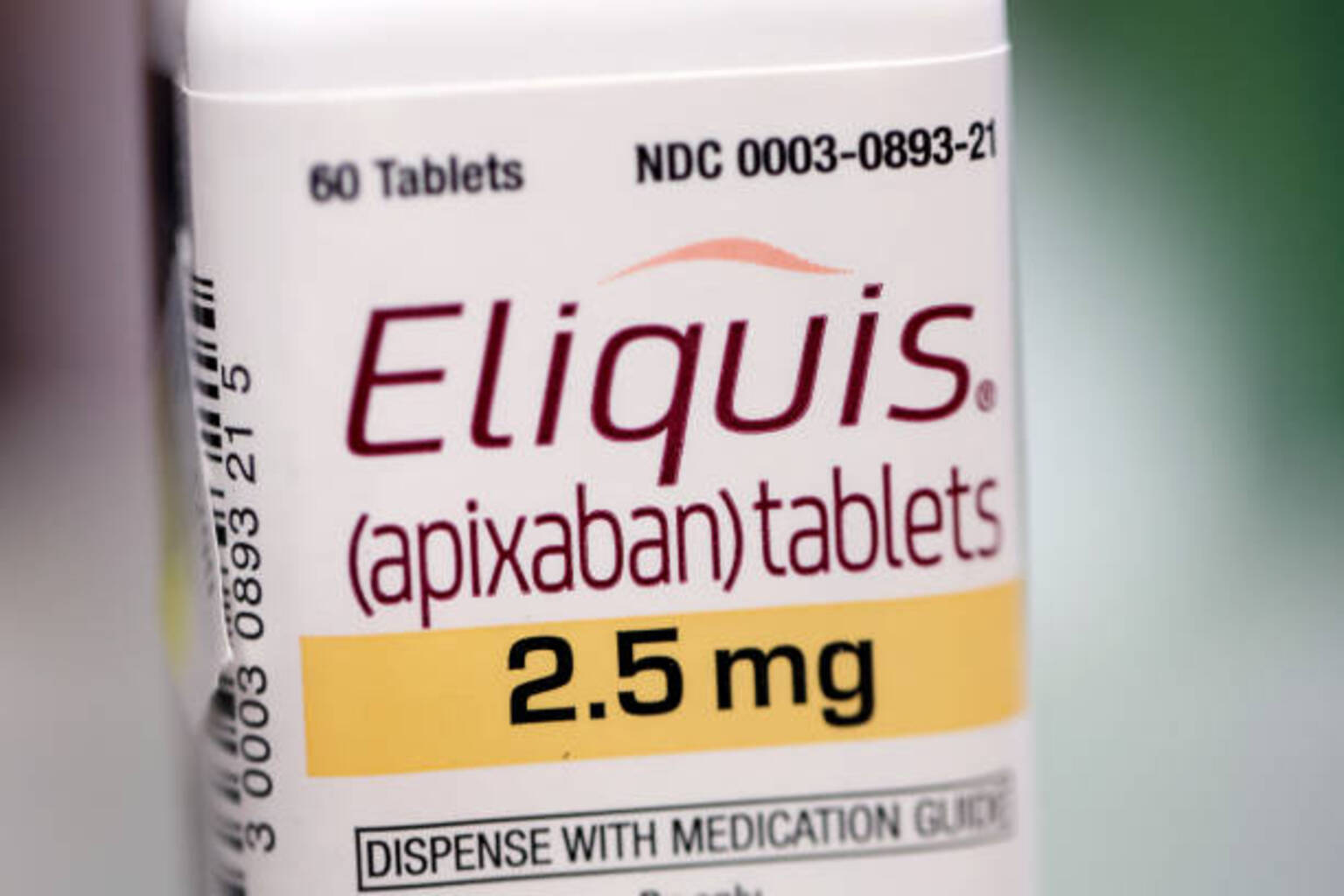
- Platform Launch: Bristol Myers Squibb and Pfizer's blockbuster blood thinner Eliquis will launch on the Mark Cuban Cost Plus Drug website on April 27, marking a significant step towards drug pricing transparency by both companies.
- Pricing Strategy: A 30-day supply of Eliquis will cost $345, matching the existing price of Bristol and Pfizer's Eliquis Direct-to-Patient program, aimed at enhancing market competitiveness by reducing patient burden.
- Broad Indications: Eliquis is approved to reduce the risk of stroke and blood clots in individuals with atrial fibrillation, as well as for deep vein thrombosis and pulmonary embolism, highlighting its importance in cardiovascular disease management.
- Market Outlook: Despite a rating downgrade for Bristol Myers Squibb's outlook, the strong demand for Eliquis may lead to unexpectedly positive results for Pfizer in upcoming earnings reports.
See More
Eli Lilly and Novo Nordisk Competition Intensifies


- Prescription Competition: Eli Lilly's GLP-1 weight-loss drug garnered only 3,770 prescriptions in its first week, while Novo Nordisk's Wegovy oral version achieved 18,410, indicating a slower market acceptance for Lilly's new launch that could hinder future sales growth.
- Analyst Rating Upgrade: JPMorgan initiated coverage on Hims & Hers Health with an overweight rating and a price target of $35, which, although not significantly above the current price, led to a 5.8% stock increase, reflecting optimistic market sentiment regarding the company's potential.
- Free Therapy Initiative: Regeneron introduced a new gene therapy aimed at restoring hearing in children with specific causes of deafness, partnering with the White House to provide this treatment for free; despite a 3% drop in stock price, this initiative may enhance the company's reputation and attract social attention.
- Market Trend Shift: Hims & Hers is seen as ahead of the peptide drug trend due to its California facility, with JPMorgan expecting the FDA to approve 12 peptides for mass compounding, potentially opening new growth avenues for the company and highlighting strong market demand for peptide therapies.
See More
Pfizer Stock Plummets, Dividend Yield Rises to 6.3%
- Significant Stock Decline: Pfizer's stock has fallen 55% since late 2021, indicating a substantial shift in Wall Street's perception of the pharmaceutical giant, which has pushed the dividend yield up to 6.3%, creating pressure on investor confidence.
- R&D Challenges: The company faced setbacks with its internally developed GLP-1 weight-loss drug candidate, failing to enter a highly competitive market, which has exacerbated investor concerns regarding its future growth potential and negatively impacted its vaccine business performance.
- Dividend Payment Risks: Pfizer's trailing 12-month dividend payout ratio stands at 126%, while the cash payout ratio is slightly lower at 107%, indicating risks in maintaining the dividend, especially given the current underperformance in business results.
- Future Outlook: Despite these challenges, Pfizer remains a $155 billion innovative company, with management clearly stating their commitment to supporting the dividend, suggesting that investors may retain confidence in the dividend's sustainability until the company's R&D efforts begin to yield results.
See More
Pfizer Shares Plummet, Dividend Sustainability in Question
- Significant Stock Decline: Pfizer (PFE) has seen its stock price drop 55% since its late 2021 peak, pushing the dividend yield up to 6.3%, which reflects Wall Street's pessimism despite the company's solid pharmaceutical business.
- R&D Challenges: The abandonment of Pfizer's internally developed GLP-1 weight-loss drug candidate highlights the intense competition and unpredictability in the pharmaceutical industry, exacerbating investor concerns about Pfizer's future prospects.
- High Dividend Payout Ratio: Pfizer's trailing 12-month dividend payout ratio stands at 126%, indicating pressure on maintaining dividends, although the cash payout ratio is slightly below 100%, suggesting caution for investors.
- Future Investment Confidence: Despite challenges, Pfizer is actively investing in new drug development and has clearly stated its commitment to maintaining dividends, which may bolster investor confidence in its long-term growth potential.
See More
CureVac Sues Moderna Over Patent Infringement
- Patent Infringement Lawsuit: German biotech firm CureVac filed a lawsuit against Moderna in Delaware federal court, alleging that Moderna's COVID-19 vaccine Spikevax infringes CureVac's patents related to messenger RNA technology, seeking royalties from Spikevax sales, highlighting the intensifying patent disputes in the COVID-19 vaccine market.
- Technology Copying Allegations: CureVac claims that Moderna copied its technology for stabilizing fragile mRNA, and if proven, this could significantly impact Moderna's vaccine sales and market position, potentially leading to substantial damages.
- Intensifying Industry Competition: BioNTech, which acquired CureVac last year, filed a separate patent lawsuit against Moderna in February regarding its next-generation mNEXSPIKE COVID-19 shot, indicating escalating competition among biotech firms, particularly in the COVID-19 vaccine sector.
- Ongoing Legal Battles: Moderna previously sued Pfizer and BioNTech in 2022 for patent infringement over its Comirnaty vaccine, and the current lawsuit is part of a broader trend of biotech companies seeking a share of the tens of billions in revenue generated from COVID-19 vaccine sales, reflecting the ongoing legal struggles within the industry.
See More
BridgeBio Shares Rise on Patent Settlement Indications
- Patent Settlement Progress: BridgeBio (BBIO) shares rose 2.9% following court filings indicating a settlement between Pfizer (PFE) and Dexcel in a patent lawsuit concerning Pfizer's Vyndamax drug, which could positively impact BBIO.
- Market Expectation Shift: Barclays analyst Eliana Merle noted that investors might view the settlement between Pfizer and Dexcel as a positive signal, although specific details regarding the settlement date and potential agreements with other defendants remain undisclosed, improving market sentiment towards BBIO.
- Future Outlook: Barclays anticipates that if the settlement proceeds smoothly, a generic version of Vyndamax could enter the market by 2031, potentially benefiting BBIO's Attruby drug, which is similar to Vyndamax.
- Stock Price Volatility Prediction: Analysts believe that if Pfizer settles or wins, BBIO shares could rise by 30-40%; conversely, if Pfizer loses, shares might drop by 20-30%, indicating the market's high sensitivity to this event.
See More
Eliquis to Launch on Mark Cuban Cost Plus Drug Website
- Platform Launch: Bristol Myers Squibb and Pfizer's blockbuster blood thinner Eliquis will launch on the Mark Cuban Cost Plus Drug website on April 27, marking a significant step towards drug pricing transparency by both companies.
- Pricing Strategy: A 30-day supply of Eliquis will cost $345, matching the existing price of Bristol and Pfizer's Eliquis Direct-to-Patient program, aimed at enhancing market competitiveness by reducing patient burden.
- Broad Indications: Eliquis is approved to reduce the risk of stroke and blood clots in individuals with atrial fibrillation, as well as for deep vein thrombosis and pulmonary embolism, highlighting its importance in cardiovascular disease management.
- Market Outlook: Despite a rating downgrade for Bristol Myers Squibb's outlook, the strong demand for Eliquis may lead to unexpectedly positive results for Pfizer in upcoming earnings reports.
See More
Eli Lilly and Novo Nordisk Competition Intensifies
- Prescription Competition: Eli Lilly's GLP-1 weight-loss drug garnered only 3,770 prescriptions in its first week, while Novo Nordisk's Wegovy oral version achieved 18,410, indicating a slower market acceptance for Lilly's new launch that could hinder future sales growth.
- Analyst Rating Upgrade: JPMorgan initiated coverage on Hims & Hers Health with an overweight rating and a price target of $35, which, although not significantly above the current price, led to a 5.8% stock increase, reflecting optimistic market sentiment regarding the company's potential.
- Free Therapy Initiative: Regeneron introduced a new gene therapy aimed at restoring hearing in children with specific causes of deafness, partnering with the White House to provide this treatment for free; despite a 3% drop in stock price, this initiative may enhance the company's reputation and attract social attention.
- Market Trend Shift: Hims & Hers is seen as ahead of the peptide drug trend due to its California facility, with JPMorgan expecting the FDA to approve 12 peptides for mass compounding, potentially opening new growth avenues for the company and highlighting strong market demand for peptide therapies.
See More