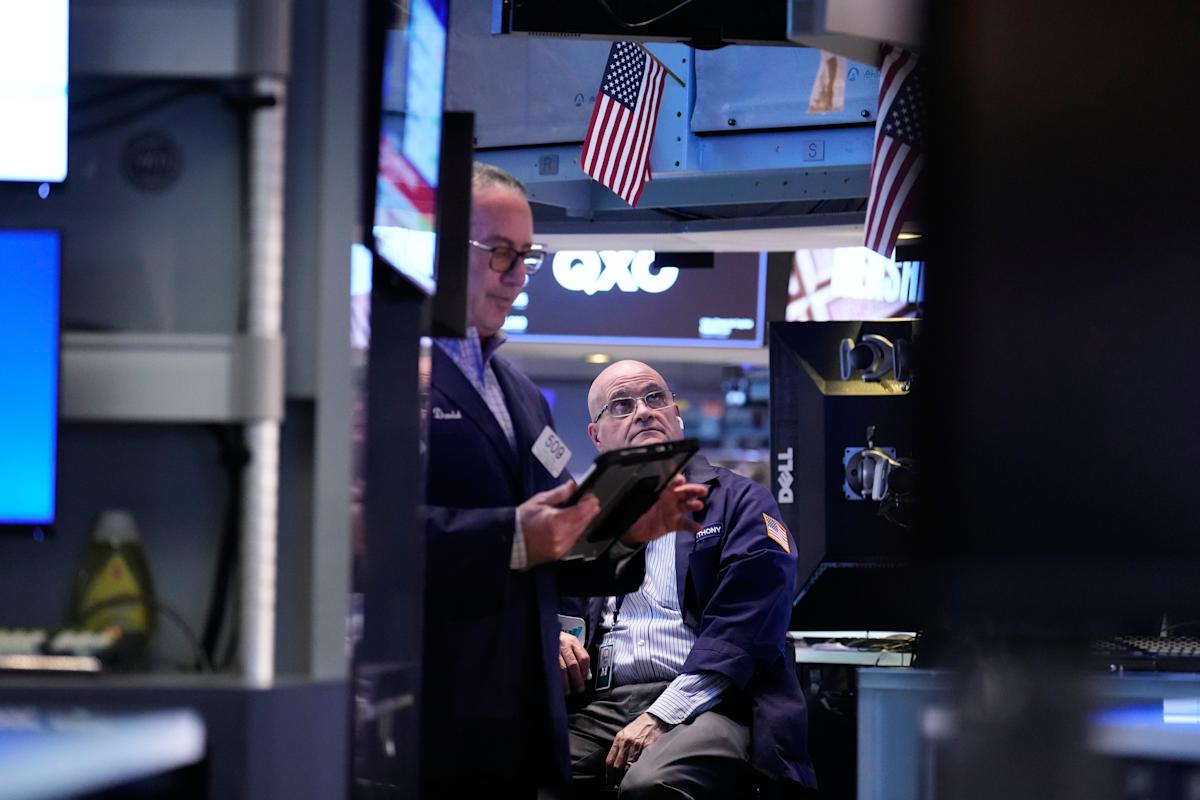
Pfizer Shares Decline as Analyst Maintains Bearish Outlook
Written by Emily J. Thompson, Senior Investment Analyst
Updated: 1 day ago
0mins
Should l Buy PFE?
Source: Fool
- Stock Decline: Pfizer (PFE) shares fell over 2% on the second trading day of the week, primarily due to analyst Trung Huynh from RBC Capital reiterating a bearish outlook with a price target of $25 per share, indicating market concerns about its future performance.
- Revenue Expectations Drop: Huynh anticipates a 4% year-over-year decline in Pfizer's first-quarter revenue, largely attributed to increased competitive pressures on key products like the Covid drug Paxlovid, heart treatment Vyndamax, and pneumonia vaccine Prevnar, which could hinder sales performance.
- Pricing Pressure on Products: Vyndamax has seen its net realized prices decline for six consecutive quarters, reflecting weakened competitiveness in Pfizer's major products, potentially leading to further revenue pressures and impacting the company's overall financial health.
- Lackluster Market Response: Despite Pfizer's previous acclaim for developing the Covid vaccine Comirnaty, current market expectations for new products have diminished, and with looming patent expirations, investors are adopting a cautious stance regarding its future growth prospects.
Trade with 70% Backtested Accuracy
Stop guessing "Should I Buy PFE?" and start using high-conviction signals backed by rigorous historical data.
Sign up today to access powerful investing tools and make smarter, data-driven decisions.
Analyst Views on PFE
Wall Street analysts forecast PFE stock price to rise
16 Analyst Rating
5 Buy
11 Hold
0 Sell
Moderate Buy
Current: 27.100

Low
24.00
Averages
28.56
High
35.00
Current: 27.100
Low
24.00
Averages
28.56
High
35.00
About PFE
Pfizer Inc. is a research-based, global biopharmaceutical company. The Company is engaged in the discovery, development, manufacture, marketing, sale and distribution of biopharmaceutical products worldwide. Its Biopharma segment includes the Pfizer U.S. Commercial Division, and the Pfizer International Commercial Division. Its product categories include oncology, primary care and specialty care. Its oncology products include Ibrance, Xtandi, Padcev, Adcetris, Inlyta, Lorbrena, Bosulif, Tukysa, Braftovi, Mektovi, Orgovyx, Elrexfio, Tivdak and Talzenna. Its primary care products include Eliquis, Nurtec ODT/Vydura, Zavzpret, the Prevnar family, Comirnaty, Abrysvo, FSME/IMMUN-TicoVac, Nimenrix, Trumenba, and Paxlovid. Its specialty care products include Xeljanz, Enbrel (outside the United States and Canada), Inflectra, Abrilada, Cibinqo, Litfulo, Eucrisa, Velsipity, the Vyndaqel family, Genotropin, and others. Its PF-08653944 is an ultra-long-acting fully biased GLP-1 receptor agonist.
About the author

Emily J. Thompson
Emily J. Thompson, a Chartered Financial Analyst (CFA) with 12 years in investment research, graduated with honors from the Wharton School. Specializing in industrial and technology stocks, she provides in-depth analysis for Intellectia’s earnings and market brief reports.

Pfizer Faces Revenue Decline Challenges

- Significant Revenue Decline: Pfizer's revenue plummeted from over $101 billion in 2022 to less than $63 billion last year, reflecting a drastic shrinkage due to the temporary boost from COVID vaccines and pills, which has raised concerns about its growth prospects in the market.
- Acquisition Strategy Enhances Pipeline: In 2023, Pfizer acquired oncology company Seagen for $43 billion, aiming to transform cancer treatment options through its antibody-drug conjugates, while also acquiring GLP-1 drugmaker Metsera for up to $10 billion last year to capitalize on opportunities in the anti-obesity drug market.
- Drug Development Potential: With over 100 drug candidates in its pipeline, Pfizer faces near-term risks from patent cliffs on key drugs, but these assets could help restore growth and boost investor confidence in the long run.
- Attractive Valuation: Trading at less than 10 times its estimated future earnings, Pfizer's stock, despite recent rallies, remains at 2013 levels, indicating substantial upside potential, and investors who overlook it today may regret their decision in the future.
See More

Pfizer's Future Growth Potential Analysis
- Revenue Decline Context: Pfizer's revenue plummeted from over $101 billion in 2022 to less than $63 billion in 2023, reflecting the waning benefits from its COVID vaccine and pill, yet the company is actively expanding its product pipeline.
- Acquisition Strategy: Pfizer acquired oncology company Seagen for $43 billion, aiming to transform cancer treatment with its antibody-drug conjugates, and last year it also acquired GLP-1 drugmaker Metsera for up to $10 billion, indicating its strategic positioning in the anti-obesity drug market.
- Rich R&D Pipeline: With over 100 drug candidates in development, Pfizer faces risks from patent expirations but has a robust pipeline that could significantly enhance its growth prospects, potentially shifting investor perceptions.
- Valuation Appeal: Trading at less than 10 times its estimated future earnings, Pfizer's stock remains undervalued despite recent rallies, still hovering around 2013 levels, suggesting substantial upside potential, and investors who overlook this opportunity may regret it in the future.
See More

Telix Pharmaceuticals Appoints New Non-Executive Directors

- Board Expansion: Telix Pharmaceuticals announces the appointment of Maria Rivas and William Jellison as Non-Executive Directors effective May 11, 2026, aimed at enhancing governance and financial oversight to support the company's strategic development in the global biopharmaceutical sector.
- Rivas's Background: Maria Rivas brings over 25 years of clinical development and commercialization experience, having served as Chief Medical Officer at Pfizer, where she oversaw the launch of multiple blockbuster medical products, and her expertise is expected to bolster Telix's capabilities in oncology and rare diseases.
- Jellison's Experience: William Jellison has over 30 years of corporate finance leadership experience, including serving as CFO of Stryker Corporation, where he managed international finance and M&A, and his financial acumen will provide critical strategic support for Telix.
- Strategic Implications: This board expansion aligns with Telix's evolution into a global commercial-stage biopharmaceutical company, reflecting the company's commitment to enhancing governance structures and increasing market competitiveness, which is expected to drive long-term growth in the biopharmaceutical industry.
See More

Telix Pharmaceuticals Appoints New Non-Executive Directors


- Board Expansion: Telix Pharmaceuticals announces the appointment of Maria Rivas and William Jellison as Non-Executive Directors effective May 11, 2026, aimed at enhancing governance and financial oversight to support the company's strategic development in the global biopharmaceutical sector.
- Maria Rivas Background: Rivas brings over 25 years of clinical development and commercialization experience, having served as Chief Medical Officer at Pfizer, overseeing the launch of multiple blockbuster drugs, which will provide critical support for Telix's product development and market strategies.
- William Jellison Credentials: Jellison has over 30 years of corporate finance experience in large regulated environments, previously serving as CFO of Stryker, managing international finance and M&A, and his financial management expertise will enhance Telix's capital allocation efficiency.
- Strategic Implications: This board expansion aligns with Telix's evolution as a dual-listed global commercial-stage biopharmaceutical company, reflecting the company's commitment to improving governance structures and market competitiveness, which is expected to drive future business growth.
See More

TELIX ENHANCES BOARD WITH NEW DIRECTOR APPOINTMENTS

New Director Appointments: Telix has strengthened its board by appointing additional directors to enhance governance and strategic oversight.
Focus on Growth: The new appointments are part of Telix's strategy to support its growth initiatives and expand its operational capabilities.
See More

Major Leadership Change Expected at PhRMA

- Leadership Change: Stephen Ubl, the long-time president and CEO of PhRMA, is expected to resign months before his contract ends, which may impact the organization's strategic direction and industry influence.
- Tenure Context: Ubl has led PhRMA since September 2025 after over a decade at AdvaMed, and his resignation may be linked to recent drug pricing deals made by the Trump administration, reflecting shifts in both internal and external pressures within the industry.
- Political Implications: His departure comes just ahead of the U.S. midterm elections, which could significantly affect PhRMA's influence on drug policy and industry positions, especially as drug pricing issues gain prominence during the election cycle.
- Industry Reaction: PhRMA has not yet responded to Ubl's resignation, and the industry's reaction remains unclear, but it may spark widespread discussion on how new leadership will address current drug policy challenges.
See More
Pfizer Faces Revenue Decline Challenges
- Significant Revenue Decline: Pfizer's revenue plummeted from over $101 billion in 2022 to less than $63 billion last year, reflecting a drastic shrinkage due to the temporary boost from COVID vaccines and pills, which has raised concerns about its growth prospects in the market.
- Acquisition Strategy Enhances Pipeline: In 2023, Pfizer acquired oncology company Seagen for $43 billion, aiming to transform cancer treatment options through its antibody-drug conjugates, while also acquiring GLP-1 drugmaker Metsera for up to $10 billion last year to capitalize on opportunities in the anti-obesity drug market.
- Drug Development Potential: With over 100 drug candidates in its pipeline, Pfizer faces near-term risks from patent cliffs on key drugs, but these assets could help restore growth and boost investor confidence in the long run.
- Attractive Valuation: Trading at less than 10 times its estimated future earnings, Pfizer's stock, despite recent rallies, remains at 2013 levels, indicating substantial upside potential, and investors who overlook it today may regret their decision in the future.
See More
Pfizer's Future Growth Potential Analysis
- Revenue Decline Context: Pfizer's revenue plummeted from over $101 billion in 2022 to less than $63 billion in 2023, reflecting the waning benefits from its COVID vaccine and pill, yet the company is actively expanding its product pipeline.
- Acquisition Strategy: Pfizer acquired oncology company Seagen for $43 billion, aiming to transform cancer treatment with its antibody-drug conjugates, and last year it also acquired GLP-1 drugmaker Metsera for up to $10 billion, indicating its strategic positioning in the anti-obesity drug market.
- Rich R&D Pipeline: With over 100 drug candidates in development, Pfizer faces risks from patent expirations but has a robust pipeline that could significantly enhance its growth prospects, potentially shifting investor perceptions.
- Valuation Appeal: Trading at less than 10 times its estimated future earnings, Pfizer's stock remains undervalued despite recent rallies, still hovering around 2013 levels, suggesting substantial upside potential, and investors who overlook this opportunity may regret it in the future.
See More
Telix Pharmaceuticals Appoints New Non-Executive Directors
- Board Expansion: Telix Pharmaceuticals announces the appointment of Maria Rivas and William Jellison as Non-Executive Directors effective May 11, 2026, aimed at enhancing governance and financial oversight to support the company's strategic development in the global biopharmaceutical sector.
- Rivas's Background: Maria Rivas brings over 25 years of clinical development and commercialization experience, having served as Chief Medical Officer at Pfizer, where she oversaw the launch of multiple blockbuster medical products, and her expertise is expected to bolster Telix's capabilities in oncology and rare diseases.
- Jellison's Experience: William Jellison has over 30 years of corporate finance leadership experience, including serving as CFO of Stryker Corporation, where he managed international finance and M&A, and his financial acumen will provide critical strategic support for Telix.
- Strategic Implications: This board expansion aligns with Telix's evolution into a global commercial-stage biopharmaceutical company, reflecting the company's commitment to enhancing governance structures and increasing market competitiveness, which is expected to drive long-term growth in the biopharmaceutical industry.
See More
Telix Pharmaceuticals Appoints New Non-Executive Directors
- Board Expansion: Telix Pharmaceuticals announces the appointment of Maria Rivas and William Jellison as Non-Executive Directors effective May 11, 2026, aimed at enhancing governance and financial oversight to support the company's strategic development in the global biopharmaceutical sector.
- Maria Rivas Background: Rivas brings over 25 years of clinical development and commercialization experience, having served as Chief Medical Officer at Pfizer, overseeing the launch of multiple blockbuster drugs, which will provide critical support for Telix's product development and market strategies.
- William Jellison Credentials: Jellison has over 30 years of corporate finance experience in large regulated environments, previously serving as CFO of Stryker, managing international finance and M&A, and his financial management expertise will enhance Telix's capital allocation efficiency.
- Strategic Implications: This board expansion aligns with Telix's evolution as a dual-listed global commercial-stage biopharmaceutical company, reflecting the company's commitment to improving governance structures and market competitiveness, which is expected to drive future business growth.
See More
TELIX ENHANCES BOARD WITH NEW DIRECTOR APPOINTMENTS
New Director Appointments: Telix has strengthened its board by appointing additional directors to enhance governance and strategic oversight.
Focus on Growth: The new appointments are part of Telix's strategy to support its growth initiatives and expand its operational capabilities.
See More
Major Leadership Change Expected at PhRMA
- Leadership Change: Stephen Ubl, the long-time president and CEO of PhRMA, is expected to resign months before his contract ends, which may impact the organization's strategic direction and industry influence.
- Tenure Context: Ubl has led PhRMA since September 2025 after over a decade at AdvaMed, and his resignation may be linked to recent drug pricing deals made by the Trump administration, reflecting shifts in both internal and external pressures within the industry.
- Political Implications: His departure comes just ahead of the U.S. midterm elections, which could significantly affect PhRMA's influence on drug policy and industry positions, especially as drug pricing issues gain prominence during the election cycle.
- Industry Reaction: PhRMA has not yet responded to Ubl's resignation, and the industry's reaction remains unclear, but it may spark widespread discussion on how new leadership will address current drug policy challenges.
See More