Pfizer and Valneva Report Phase 3 Results for Lyme Disease Vaccine

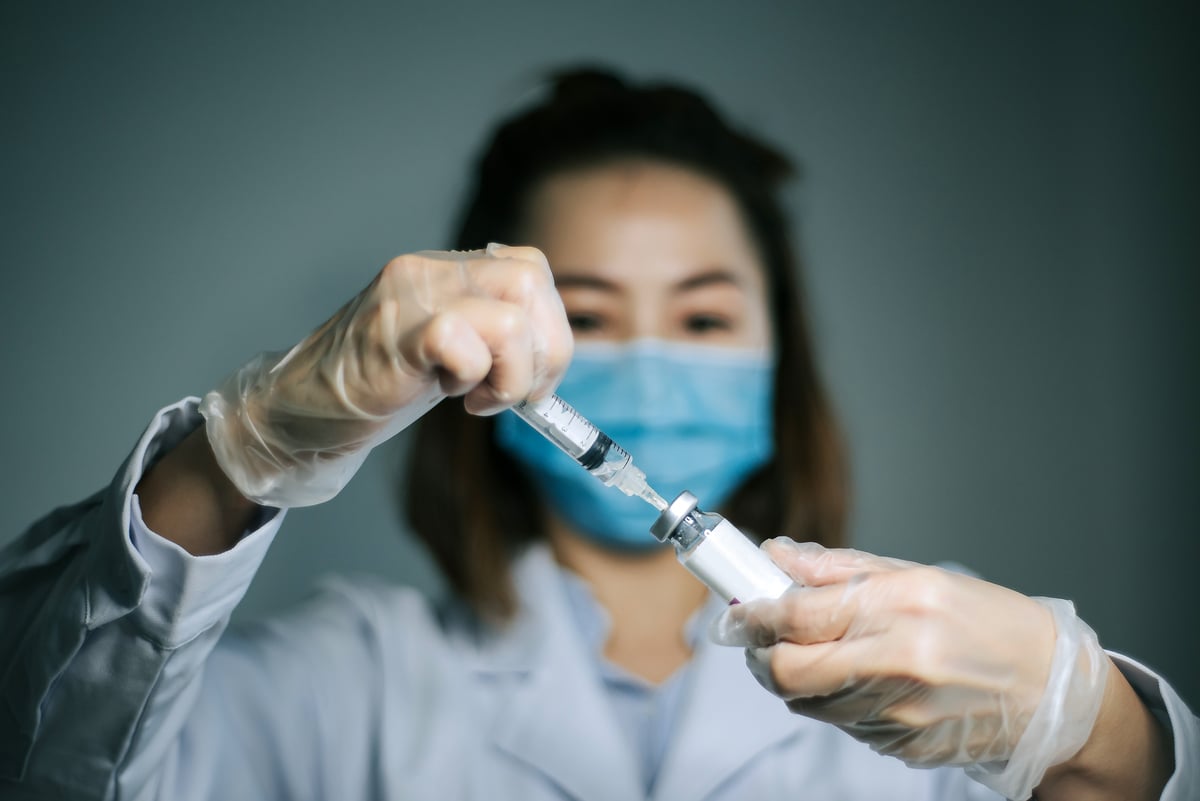
- Vaccine Efficacy: Pfizer and Valneva's Lyme disease vaccine candidate PF-07307405 demonstrated over 70% efficacy in individuals aged five and older, significantly boosting confidence in its potential to change Lyme disease prevention strategies.
- Safety Assessment: The investigational vaccine was well tolerated with no safety concerns identified during the analysis, laying a solid foundation for future regulatory submissions and indicating its feasibility for clinical use.
- Market Demand: Lyme disease can lead to serious consequences that disrupt daily life, work, and long-term health, and with no available vaccine currently, the development of this vaccine holds significant market importance.
- Regulatory Plans: Pfizer is planning submissions to regulatory authorities to advance the vaccine's market entry, reflecting the company's confidence in the candidate and its potential impact on public health.
Trade with 70% Backtested Accuracy
Analyst Views on PFE

About PFE
About the author

Eli Lilly's GLP-1 Drug Sales Surge Impressively

- Significant Sales Growth: Eli Lilly's Mounjaro and Zepbound drugs saw sales increase by 99% and 175% respectively in 2025, contributing to an overall sales growth of 45%, highlighting its dominant position in the GLP-1 drug market.
- High Market Valuation: Despite the impressive performance of its GLP-1 drugs, Eli Lilly's price-to-earnings ratio stands at approximately 40x, significantly higher than the S&P 500's 28x and the average pharma stock's 9x, indicating that investors have fully priced in its success.
- Future Competitive Pressure: With patent protections expiring, Eli Lilly faces competition from companies like Novo Nordisk and Pfizer, which are also developing their own GLP-1 drugs, potentially leading to a dramatic decline in revenue from Eli Lilly's products.
- Investment in New Drug Development: Eli Lilly is leveraging the sales revenue from its GLP-1 drugs to invest in new drug development, although the ability to develop new drugs in a complex and highly regulated industry remains a significant challenge.

Eli Lilly's GLP-1 Drug Sales Surge Significantly
- Sales Growth Highlights: Eli Lilly's GLP-1 drugs Mounjaro and Zepbound saw sales increase by 99% and 175% respectively in 2025, contributing nearly 45% of the company's overall sales growth, showcasing their strong market performance.
- Market Leadership Position: Together, Mounjaro and Zepbound accounted for 56% of Eli Lilly's total revenue last year, solidifying its industry-leading position in the GLP-1 drug sector, despite facing competition from Novo Nordisk and Pfizer.
- Valuation Risk: With a price-to-earnings ratio of approximately 40x, significantly higher than the S&P 500's 28x and the average pharma stock's 9x, it suggests that investors may have fully priced in the success of its GLP-1 drugs, posing a risk of rapid stock price decline if market leadership is lost.
- Future Investment Strategy: Despite its current strong performance, Eli Lilly is leveraging the sales revenue from GLP-1 drugs to invest in new drug development and acquisitions; however, the ability to timely launch new drugs in a complex and highly regulated pharmaceutical industry remains a significant challenge.
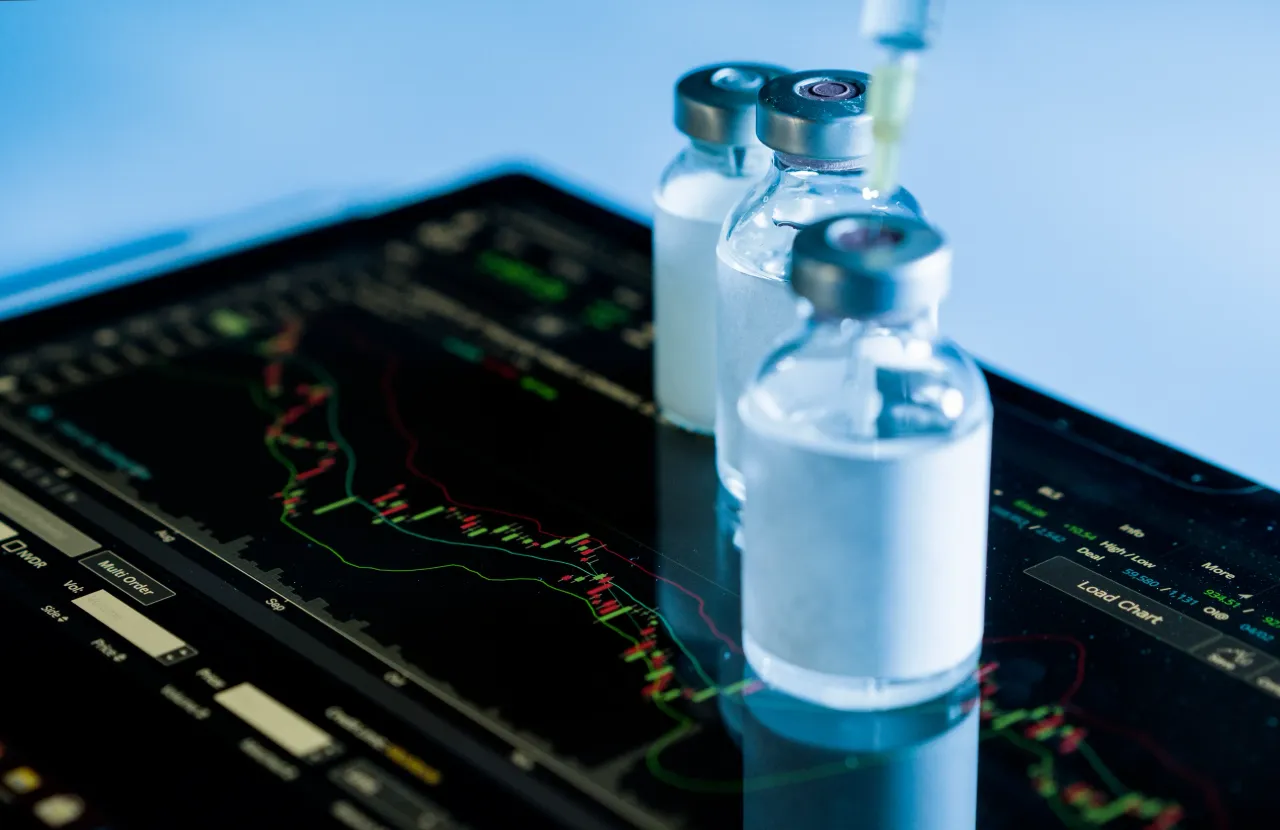
Merck's Acquisition Sparks Interest in Blood Cancer Drug Market


- Acquisition Premium Analysis: Merck's acquisition of Terns at $53 per share represents a 42% premium, which not only strengthens its blood cancer pipeline but also raises market interest in Sellas, potentially driving up its valuation.
- Investor Sentiment Shift: Following the Merck deal, retail investors are increasingly viewing Pfizer as a potential acquirer of Sellas, reflecting a growing interest in blood cancer drugs and potential M&A opportunities in the sector.
- Clinical Trial Progress: Sellas' Phase 3 Regal trial has recorded 72 death events in AML patients, nearing the 80 required for final analysis, showcasing the clinical potential of its product and likely attracting more investor attention.
- Market Valuation Expectations: Retail investors estimate that Sellas' lead AML candidate, Galinpepimut-S, could be valued between $33.5 billion and $53.6 billion based on projected revenues, indicating optimistic market expectations for its future earnings and further driving demand for its stock.

SLS Shares Surge Following Merck's Tern Acquisition, Fueling Buyout Speculation in Blood Cancer Sector: Retail Investors Eye Major Pharma Contender
Merck's Acquisition of Terns Pharmaceuticals: Merck is set to acquire Terns Pharmaceuticals for $6.7 billion, which includes a 42% premium for the mid-stage leukemia drug TERN-701, enhancing Merck's blood cancer pipeline.
Investor Sentiment Towards Pfizer: Retail investors are increasingly viewing Pfizer as a potential buyer following Merck's acquisition, with attention on Pfizer's ongoing clinical work in hematologic cancers and its need for growth drivers post-COVID.
Sellas Life Sciences Stock Surge: Shares of Sellas Life Sciences jumped over 6% after the announcement of Merck's acquisition, reflecting renewed interest in potential takeovers in the blood cancer drug market.
Focus on Clinical Trials: Investor focus remains on the Phase 3 trial of GPS in AML patients, with significant patient death events recorded, as the study aims to reach final analysis after 80 events, indicating the high stakes involved in these clinical evaluations.
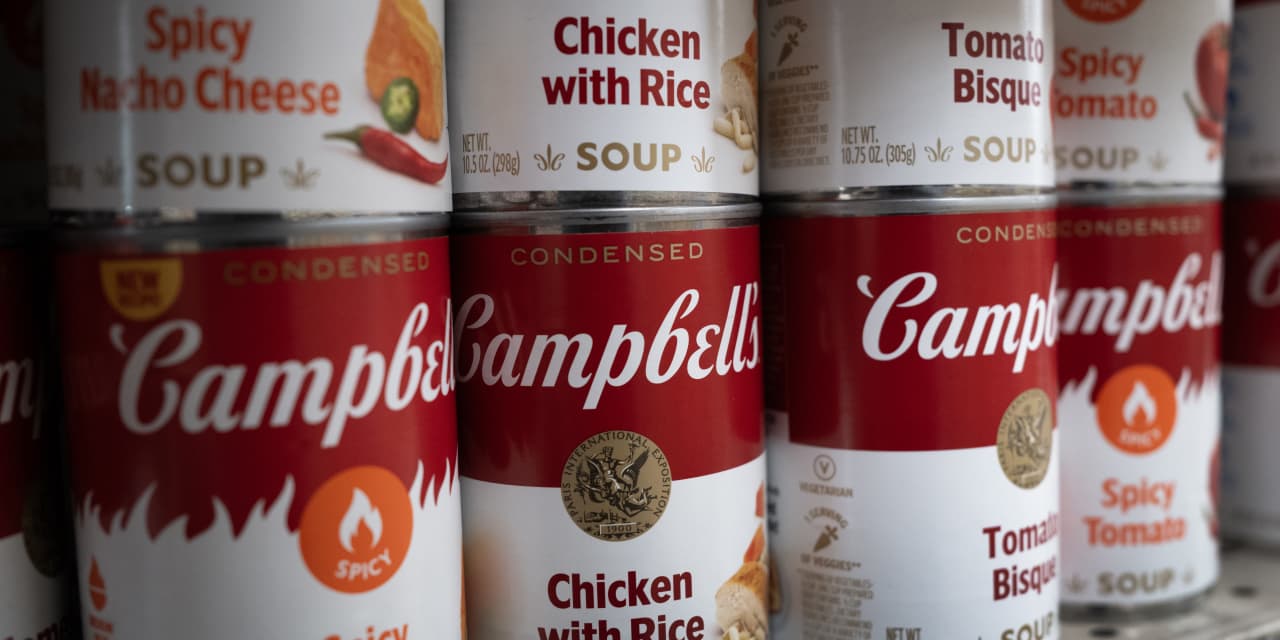
22 S&P 500 Stocks Offering Over 5% Yield: 6 Recommended for Purchase.

Limited High-Yield Stocks: Only 22 non-real-estate stocks in the S&P 500 have dividend yields above 5%, indicating a scarcity of high-yield investment options.
Investment Potential: Despite the limited number, these stocks may still offer attractive income opportunities along with potential for stock appreciation, making them appealing for certain investors.

Pfizer's Clinical Trial Results Spark Market Interest
- Clinical Trial Progress: On March 17, Pfizer announced that its investigational drug atirmociclib performed well in a phase 2 study for second-line metastatic breast cancer, significantly improving progression-free survival when combined with Faslodex, indicating potential in the oncology market.
- Positive Market Reaction: Following the announcement, Pfizer's shares rose approximately 3%, reflecting increased market confidence in its development pipeline, although the company must still succeed in phase 3 trials to advance the drug to market.
- Pipeline Development Strategy: Pfizer plans to initiate around 20 pivotal clinical trials in 2025, particularly in oncology and weight management, suggesting that more significant clinical wins could occur in the coming years, potentially boosting stock prices and financial performance.
- Valuation Appeal: With a current stock price of $27.29 and a price-to-earnings ratio of 9.2, below the healthcare sector average of 16.9, Pfizer presents an attractive investment opportunity given its robust pipeline and reasonable valuation.
Eli Lilly's GLP-1 Drug Sales Surge Impressively
- Significant Sales Growth: Eli Lilly's Mounjaro and Zepbound drugs saw sales increase by 99% and 175% respectively in 2025, contributing to an overall sales growth of 45%, highlighting its dominant position in the GLP-1 drug market.
- High Market Valuation: Despite the impressive performance of its GLP-1 drugs, Eli Lilly's price-to-earnings ratio stands at approximately 40x, significantly higher than the S&P 500's 28x and the average pharma stock's 9x, indicating that investors have fully priced in its success.
- Future Competitive Pressure: With patent protections expiring, Eli Lilly faces competition from companies like Novo Nordisk and Pfizer, which are also developing their own GLP-1 drugs, potentially leading to a dramatic decline in revenue from Eli Lilly's products.
- Investment in New Drug Development: Eli Lilly is leveraging the sales revenue from its GLP-1 drugs to invest in new drug development, although the ability to develop new drugs in a complex and highly regulated industry remains a significant challenge.
Eli Lilly's GLP-1 Drug Sales Surge Significantly
- Sales Growth Highlights: Eli Lilly's GLP-1 drugs Mounjaro and Zepbound saw sales increase by 99% and 175% respectively in 2025, contributing nearly 45% of the company's overall sales growth, showcasing their strong market performance.
- Market Leadership Position: Together, Mounjaro and Zepbound accounted for 56% of Eli Lilly's total revenue last year, solidifying its industry-leading position in the GLP-1 drug sector, despite facing competition from Novo Nordisk and Pfizer.
- Valuation Risk: With a price-to-earnings ratio of approximately 40x, significantly higher than the S&P 500's 28x and the average pharma stock's 9x, it suggests that investors may have fully priced in the success of its GLP-1 drugs, posing a risk of rapid stock price decline if market leadership is lost.
- Future Investment Strategy: Despite its current strong performance, Eli Lilly is leveraging the sales revenue from GLP-1 drugs to invest in new drug development and acquisitions; however, the ability to timely launch new drugs in a complex and highly regulated pharmaceutical industry remains a significant challenge.
Merck's Acquisition Sparks Interest in Blood Cancer Drug Market
- Acquisition Premium Analysis: Merck's acquisition of Terns at $53 per share represents a 42% premium, which not only strengthens its blood cancer pipeline but also raises market interest in Sellas, potentially driving up its valuation.
- Investor Sentiment Shift: Following the Merck deal, retail investors are increasingly viewing Pfizer as a potential acquirer of Sellas, reflecting a growing interest in blood cancer drugs and potential M&A opportunities in the sector.
- Clinical Trial Progress: Sellas' Phase 3 Regal trial has recorded 72 death events in AML patients, nearing the 80 required for final analysis, showcasing the clinical potential of its product and likely attracting more investor attention.
- Market Valuation Expectations: Retail investors estimate that Sellas' lead AML candidate, Galinpepimut-S, could be valued between $33.5 billion and $53.6 billion based on projected revenues, indicating optimistic market expectations for its future earnings and further driving demand for its stock.
SLS Shares Surge Following Merck's Tern Acquisition, Fueling Buyout Speculation in Blood Cancer Sector: Retail Investors Eye Major Pharma Contender
Merck's Acquisition of Terns Pharmaceuticals: Merck is set to acquire Terns Pharmaceuticals for $6.7 billion, which includes a 42% premium for the mid-stage leukemia drug TERN-701, enhancing Merck's blood cancer pipeline.
Investor Sentiment Towards Pfizer: Retail investors are increasingly viewing Pfizer as a potential buyer following Merck's acquisition, with attention on Pfizer's ongoing clinical work in hematologic cancers and its need for growth drivers post-COVID.
Sellas Life Sciences Stock Surge: Shares of Sellas Life Sciences jumped over 6% after the announcement of Merck's acquisition, reflecting renewed interest in potential takeovers in the blood cancer drug market.
Focus on Clinical Trials: Investor focus remains on the Phase 3 trial of GPS in AML patients, with significant patient death events recorded, as the study aims to reach final analysis after 80 events, indicating the high stakes involved in these clinical evaluations.
22 S&P 500 Stocks Offering Over 5% Yield: 6 Recommended for Purchase.
Limited High-Yield Stocks: Only 22 non-real-estate stocks in the S&P 500 have dividend yields above 5%, indicating a scarcity of high-yield investment options.
Investment Potential: Despite the limited number, these stocks may still offer attractive income opportunities along with potential for stock appreciation, making them appealing for certain investors.
Pfizer's Clinical Trial Results Spark Market Interest
- Clinical Trial Progress: On March 17, Pfizer announced that its investigational drug atirmociclib performed well in a phase 2 study for second-line metastatic breast cancer, significantly improving progression-free survival when combined with Faslodex, indicating potential in the oncology market.
- Positive Market Reaction: Following the announcement, Pfizer's shares rose approximately 3%, reflecting increased market confidence in its development pipeline, although the company must still succeed in phase 3 trials to advance the drug to market.
- Pipeline Development Strategy: Pfizer plans to initiate around 20 pivotal clinical trials in 2025, particularly in oncology and weight management, suggesting that more significant clinical wins could occur in the coming years, potentially boosting stock prices and financial performance.
- Valuation Appeal: With a current stock price of $27.29 and a price-to-earnings ratio of 9.2, below the healthcare sector average of 16.9, Pfizer presents an attractive investment opportunity given its robust pipeline and reasonable valuation.