Pentagon Orders Halt to Commercial Ties with Anthropic, Disrupting Palantir's AI Platform
Written by Emily J. Thompson, Senior Investment Analyst
Updated: 1 hour ago
0mins
Should l Buy LMT?
Source: Benzinga
- Pentagon Directive: The Pentagon has ordered contractors to immediately cease commercial activities with Anthropic, directly impacting Palantir's Maven Smart Systems, which relies on Anthropic's Claude AI model for military intelligence analysis and weapons targeting, potentially forcing Palantir to rebuild parts of its platform.
- Maven System Reconstruction: As a result of the Pentagon's directive, Palantir must find an alternative AI model and rebuild sections of the Maven platform, although it remains unclear how long this transition will take, this could affect its contracts with the Defense Department and other national security agencies, which have a potential value exceeding $1 billion.
- Market Reaction: Following the announcement, Palantir's stock rose 4% during regular trading to close at $153.11, with an after-hours increase to $153.46, indicating market confidence in the company's ability to navigate challenges, yet the long-term price trend remains negative.
- Impact on Defense AI Ecosystem: The removal of Anthropic highlights the challenges faced by the Pentagon and its contractors as AI tools become increasingly embedded across government and private sector platforms, while Palantir's growing role in defense modernization has propelled its market value to approximately $366 billion, underscoring its strategic position in the defense sector.
Trade with 70% Backtested Accuracy
Stop guessing "Should I Buy LMT?" and start using high-conviction signals backed by rigorous historical data.
Sign up today to access powerful investing tools and make smarter, data-driven decisions.
Analyst Views on LMT
Wall Street analysts forecast LMT stock price to fall
12 Analyst Rating
4 Buy
7 Hold
1 Sell
Hold
Current: 667.820

Low
430.00
Averages
535.50
High
605.00
Current: 667.820
Low
430.00
Averages
535.50
High
605.00
About LMT
Lockheed Martin Corporation is a global aerospace and defense company. The Company is engaged in the research, design, development, manufacture, integration and sustainment of advanced technology systems, products and services. Its segments include Aeronautics, Missiles and Fire Control (MFC), Rotary and Mission Systems (RMS) and Space. Aeronautics segment is engaged in the research, design, development, manufacture, integration, sustainment, support and upgrade of advanced military aircraft. MFC segment provides air and missile defense systems, manned and unmanned ground vehicles, energy management solutions, and others. RMS segment designs, manufactures, services and supports various military and commercial helicopters, surface ships, sea and land-based missile defense systems, and others. Its Space segment is engaged in the research and design, development, engineering and production of satellites, space transportation systems, and strategic, advanced strike, and defensive systems.
About the author

Emily J. Thompson
Emily J. Thompson, a Chartered Financial Analyst (CFA) with 12 years in investment research, graduated with honors from the Wharton School. Specializing in industrial and technology stocks, she provides in-depth analysis for Intellectia’s earnings and market brief reports.
Analysis of Schwab U.S. Dividend Equity ETF Investment

- Dividend Growth Advantage: The Schwab U.S. Dividend Equity ETF focuses on high-quality dividend stocks, with the S&P 500 members historically delivering a 7.7% annualized total return, while dividend-paying companies achieved an average of 9.2%, highlighting the superiority of dividend stocks.
- Quality Holdings Performance: The ETF's top holding, Lockheed Martin (LMT), boasts a 2.1% dividend yield, nearly double that of the S&P 500, and has increased its dividend for 23 consecutive years, demonstrating strong cash flows and ongoing growth potential.
- Income and Value Growth: With an average yield of 3.5% and over 8% annual dividend growth over the past five years, the Schwab U.S. Dividend Equity ETF not only provides investors with a stable cash flow but also enhances asset value through the earnings growth of its holdings.
- Long-Term Return Expectations: Since its inception in 2011, the ETF has achieved an annualized return of 12.88%, and its strategy of combining high-yield dividends with capital appreciation positions it to continue delivering strong total returns in the future, making it a preferred choice for investors.
See More

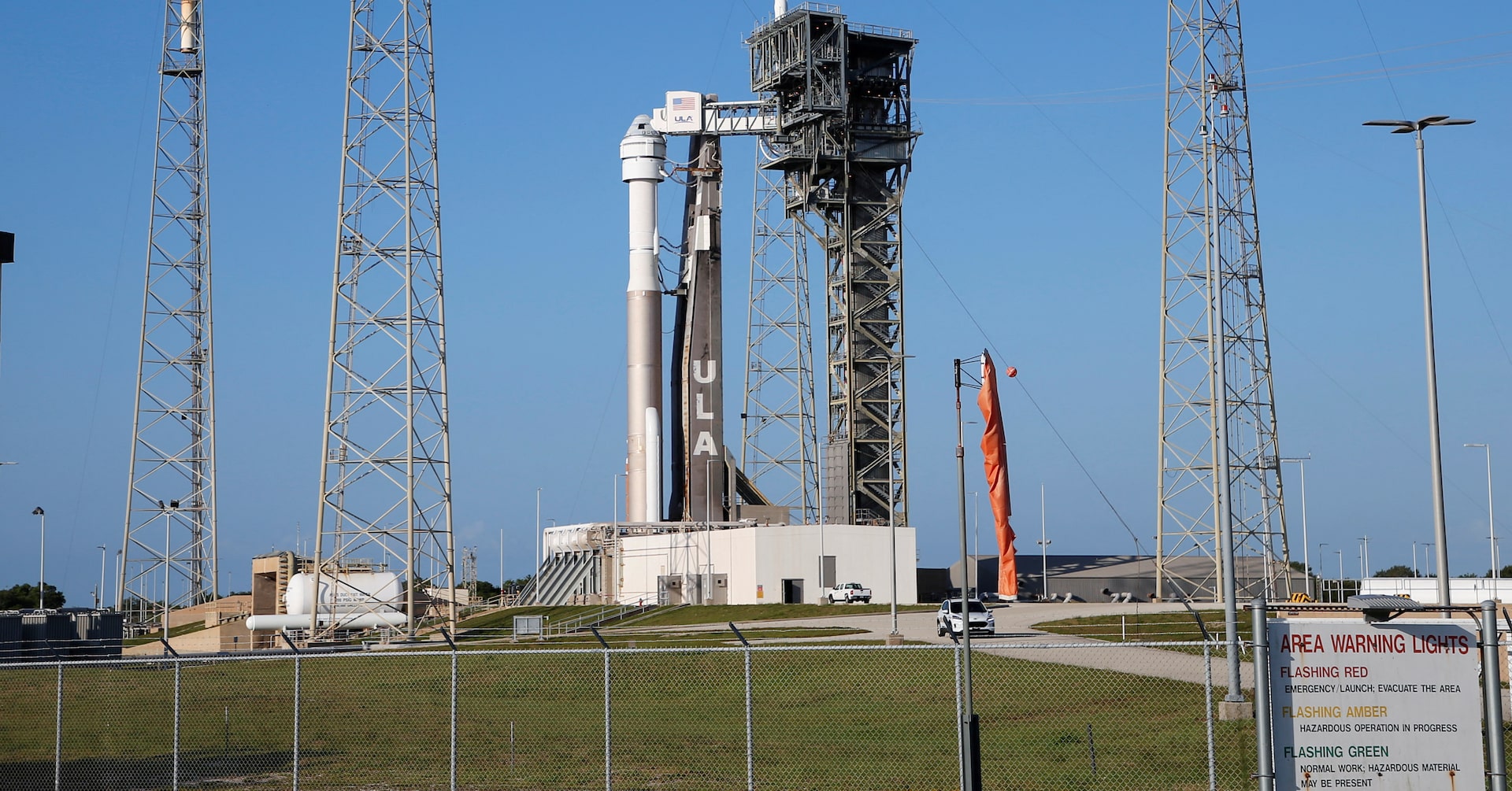
NASA Seeks ULA Rocket Components Amid Cost Overruns


- Cost Overruns: NASA's Exploration Upper Stage, built by Boeing, has exceeded $2.8 billion and is facing delays, prompting the agency to seek alternative solutions to manage its budget effectively.
- Alternative Solution Exploration: NASA plans to use the ULA-built Centaur V rocket for lunar missions, which utilizes the same propellant as the SLS, although this plan is not yet finalized.
- Artemis II Delay: The launch of NASA's Artemis II vehicle has been postponed due to rocket issues, with the SLS vehicle rolled back from the launch pad at Kennedy Space Center in Florida after engineers noted an
See More

Pentagon Orders Halt to Commercial Ties with Anthropic, Disrupting Palantir's AI Platform

- Pentagon Directive: The Pentagon has ordered contractors to immediately cease commercial activities with Anthropic, directly impacting Palantir's Maven Smart Systems, which relies on Anthropic's Claude AI model for military intelligence analysis and weapons targeting, potentially forcing Palantir to rebuild parts of its platform.
- Maven System Reconstruction: As a result of the Pentagon's directive, Palantir must find an alternative AI model and rebuild sections of the Maven platform, although it remains unclear how long this transition will take, this could affect its contracts with the Defense Department and other national security agencies, which have a potential value exceeding $1 billion.
- Market Reaction: Following the announcement, Palantir's stock rose 4% during regular trading to close at $153.11, with an after-hours increase to $153.46, indicating market confidence in the company's ability to navigate challenges, yet the long-term price trend remains negative.
- Impact on Defense AI Ecosystem: The removal of Anthropic highlights the challenges faced by the Pentagon and its contractors as AI tools become increasingly embedded across government and private sector platforms, while Palantir's growing role in defense modernization has propelled its market value to approximately $366 billion, underscoring its strategic position in the defense sector.
See More

China Sets Record Low GDP Growth Target for 2026

- GDP Growth Target: China has set its GDP growth target for 2026 at 4.5% to 5%, marking the lowest target on record since the early 1990s, indicating significant challenges for economic recovery amid persistent deflationary pressures and trade tensions with the U.S.
- Defense Spending Increase: Defense spending is projected to rise by 7%, the slowest increase since 2021, although analysts believe the official figures may be understated, which could impact national security and military modernization efforts.
- Data Center Attack: Amazon's data center in Bahrain was targeted by Iran for supporting the U.S. military, with damage reported from a drone strike, potentially affecting Amazon's cloud computing operations in the Middle East in the short term.
- Global Tariff Increase: U.S. Treasury Secretary announced that global tariffs will rise from 10% to 15%, with expectations that tariff rates will return to pre-Supreme Court ruling levels by August, which will have profound implications for international trade and the cost structures of U.S. businesses.
See More
China's Defense Budget Growth Slows in 2025
- Defense Budget Growth: China plans to increase its defense spending by 7% in 2025, marking the slowest growth rate since 2021, reflecting a cautious approach amid escalating conflicts in the Middle East and rising geopolitical tensions.
- Historical Growth Comparison: Over the past three years, China's defense spending has averaged a 7.2% annual increase, with 7.1% in 2022 and 6.8% in 2021, indicating a trend of stable growth, but the slowdown in 2025 may impact future military modernization efforts.
- Support for Modernization: China aims to accelerate the development of advanced combat capabilities and promote the
See More
Analysis of US and Israel's Military Action Against Iran
- Military Action Background: The U.S. and Israel's strikes on Iran resulted in the killing of Supreme Leader Khamenei, and while the initial phase was successful, experts warn that the conflict may become complicated, affecting public support in the U.S.
- Public Support Survey: A Reuters/IPSOS poll indicates that only one in four Americans supports the attacks on Iran, reflecting public aversion to prolonged military actions, which could influence Trump's policy decisions.
- Unclear Strategic Goals: Initially aimed at destroying Iran's nuclear program, the U.S. objectives have shifted to protecting the American public from unspecified Iranian threats, indicating a lack of clarity in strategic direction.
- Potential for Extended Conflict: Analysts suggest that despite Trump's claim of a four to five-week military operation, the complexity of Iran's security apparatus may prolong the conflict, leading to economic and market instability.
See More
Analysis of Schwab U.S. Dividend Equity ETF Investment
- Dividend Growth Advantage: The Schwab U.S. Dividend Equity ETF focuses on high-quality dividend stocks, with the S&P 500 members historically delivering a 7.7% annualized total return, while dividend-paying companies achieved an average of 9.2%, highlighting the superiority of dividend stocks.
- Quality Holdings Performance: The ETF's top holding, Lockheed Martin (LMT), boasts a 2.1% dividend yield, nearly double that of the S&P 500, and has increased its dividend for 23 consecutive years, demonstrating strong cash flows and ongoing growth potential.
- Income and Value Growth: With an average yield of 3.5% and over 8% annual dividend growth over the past five years, the Schwab U.S. Dividend Equity ETF not only provides investors with a stable cash flow but also enhances asset value through the earnings growth of its holdings.
- Long-Term Return Expectations: Since its inception in 2011, the ETF has achieved an annualized return of 12.88%, and its strategy of combining high-yield dividends with capital appreciation positions it to continue delivering strong total returns in the future, making it a preferred choice for investors.
See More
NASA Seeks ULA Rocket Components Amid Cost Overruns
- Cost Overruns: NASA's Exploration Upper Stage, built by Boeing, has exceeded $2.8 billion and is facing delays, prompting the agency to seek alternative solutions to manage its budget effectively.
- Alternative Solution Exploration: NASA plans to use the ULA-built Centaur V rocket for lunar missions, which utilizes the same propellant as the SLS, although this plan is not yet finalized.
- Artemis II Delay: The launch of NASA's Artemis II vehicle has been postponed due to rocket issues, with the SLS vehicle rolled back from the launch pad at Kennedy Space Center in Florida after engineers noted an
See More
Pentagon Orders Halt to Commercial Ties with Anthropic, Disrupting Palantir's AI Platform
- Pentagon Directive: The Pentagon has ordered contractors to immediately cease commercial activities with Anthropic, directly impacting Palantir's Maven Smart Systems, which relies on Anthropic's Claude AI model for military intelligence analysis and weapons targeting, potentially forcing Palantir to rebuild parts of its platform.
- Maven System Reconstruction: As a result of the Pentagon's directive, Palantir must find an alternative AI model and rebuild sections of the Maven platform, although it remains unclear how long this transition will take, this could affect its contracts with the Defense Department and other national security agencies, which have a potential value exceeding $1 billion.
- Market Reaction: Following the announcement, Palantir's stock rose 4% during regular trading to close at $153.11, with an after-hours increase to $153.46, indicating market confidence in the company's ability to navigate challenges, yet the long-term price trend remains negative.
- Impact on Defense AI Ecosystem: The removal of Anthropic highlights the challenges faced by the Pentagon and its contractors as AI tools become increasingly embedded across government and private sector platforms, while Palantir's growing role in defense modernization has propelled its market value to approximately $366 billion, underscoring its strategic position in the defense sector.
See More
China Sets Record Low GDP Growth Target for 2026
- GDP Growth Target: China has set its GDP growth target for 2026 at 4.5% to 5%, marking the lowest target on record since the early 1990s, indicating significant challenges for economic recovery amid persistent deflationary pressures and trade tensions with the U.S.
- Defense Spending Increase: Defense spending is projected to rise by 7%, the slowest increase since 2021, although analysts believe the official figures may be understated, which could impact national security and military modernization efforts.
- Data Center Attack: Amazon's data center in Bahrain was targeted by Iran for supporting the U.S. military, with damage reported from a drone strike, potentially affecting Amazon's cloud computing operations in the Middle East in the short term.
- Global Tariff Increase: U.S. Treasury Secretary announced that global tariffs will rise from 10% to 15%, with expectations that tariff rates will return to pre-Supreme Court ruling levels by August, which will have profound implications for international trade and the cost structures of U.S. businesses.
See More
China's Defense Budget Growth Slows in 2025
- Defense Budget Growth: China plans to increase its defense spending by 7% in 2025, marking the slowest growth rate since 2021, reflecting a cautious approach amid escalating conflicts in the Middle East and rising geopolitical tensions.
- Historical Growth Comparison: Over the past three years, China's defense spending has averaged a 7.2% annual increase, with 7.1% in 2022 and 6.8% in 2021, indicating a trend of stable growth, but the slowdown in 2025 may impact future military modernization efforts.
- Support for Modernization: China aims to accelerate the development of advanced combat capabilities and promote the
See More
Analysis of US and Israel's Military Action Against Iran
- Military Action Background: The U.S. and Israel's strikes on Iran resulted in the killing of Supreme Leader Khamenei, and while the initial phase was successful, experts warn that the conflict may become complicated, affecting public support in the U.S.
- Public Support Survey: A Reuters/IPSOS poll indicates that only one in four Americans supports the attacks on Iran, reflecting public aversion to prolonged military actions, which could influence Trump's policy decisions.
- Unclear Strategic Goals: Initially aimed at destroying Iran's nuclear program, the U.S. objectives have shifted to protecting the American public from unspecified Iranian threats, indicating a lack of clarity in strategic direction.
- Potential for Extended Conflict: Analysts suggest that despite Trump's claim of a four to five-week military operation, the complexity of Iran's security apparatus may prolong the conflict, leading to economic and market instability.
See More