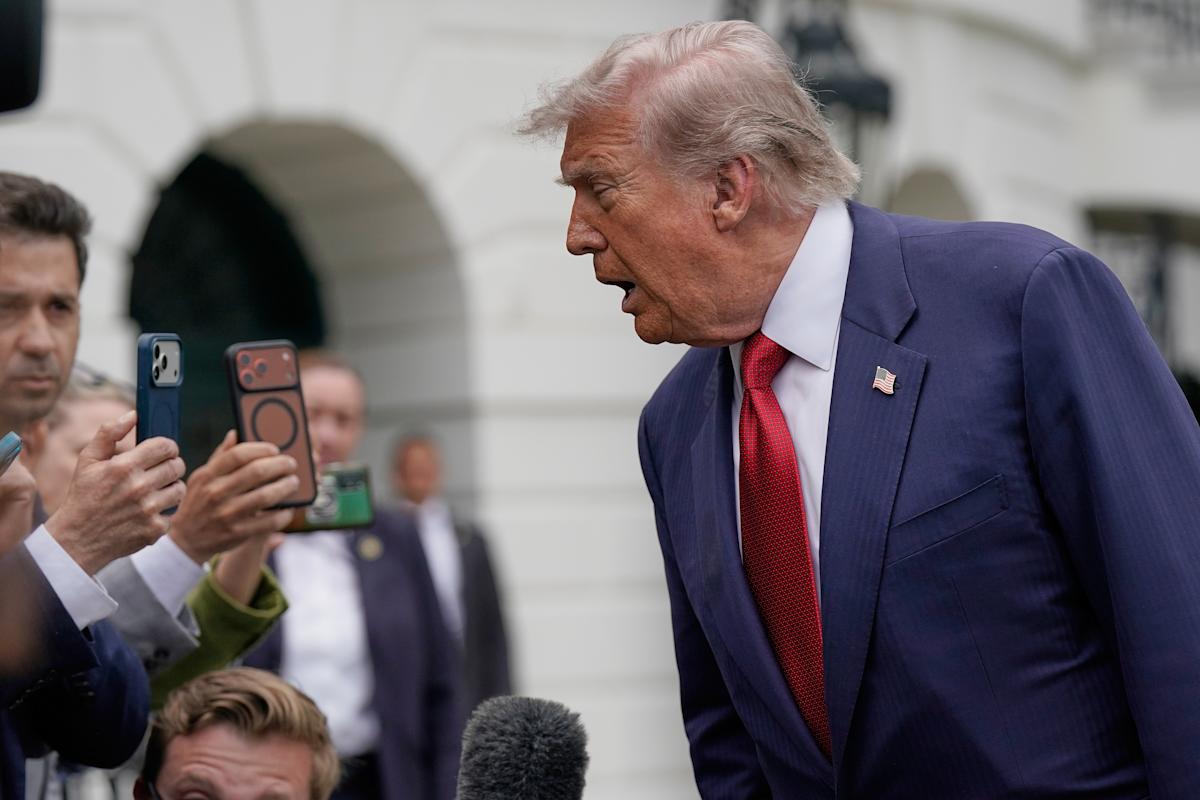
Panasonic Energy Unit Profit Expected to Double
Written by Emily J. Thompson, Senior Investment Analyst
Updated: 2 days ago
0mins
Should l Buy TSLA?
Source: Newsfilter
- Profit Doubling Expectation: Panasonic anticipates its energy unit's operating income will reach 171 billion yen (approximately $1.09 billion) for the fiscal year ending March 2027, more than doubling from 69.8 billion yen in the previous year, indicating a strong recovery trajectory.
- Quarterly Loss Review: Despite facing a quarterly loss of 3.8 billion yen from January to March, primarily due to U.S. tariffs, start-up costs at its Kansas plant, and declining sales at a Japanese factory, the overall outlook remains optimistic.
- Market Environment Challenges: The losses stem partly from external market challenges, including U.S. tariff policies on imports, which have pressured its cost structure and impacted short-term profitability.
- Strategic Adjustment Necessity: To navigate current market challenges, Panasonic may need to implement strategic adjustments to optimize production efficiency and reduce costs, thereby achieving sustainable profit growth in the future.
Trade with 70% Backtested Accuracy
Stop guessing "Should I Buy TSLA?" and start using high-conviction signals backed by rigorous historical data.
Sign up today to access powerful investing tools and make smarter, data-driven decisions.
Analyst Views on TSLA
Wall Street analysts forecast TSLA stock price to fall
30 Analyst Rating
12 Buy
11 Hold
7 Sell
Hold
Current: 445.270

Low
25.28
Averages
401.93
High
600.00
Current: 445.270
Low
25.28
Averages
401.93
High
600.00
About TSLA
Tesla, Inc. designs, develops, manufactures, sells and leases high-performance fully electric vehicles and energy generation and storage systems, and offers services related to its products. Its segments include automotive, and energy generation and storage. The automotive segment includes the design, development, manufacturing, sales and leasing of high-performance fully electric vehicles, and sales of automotive regulatory credits. It also includes sales of used vehicles, non-warranty maintenance services and collisions, part sales, paid supercharging, insurance services revenue and retail merchandise sales. The energy generation and storage segment include the design, manufacture, installation, sales and leasing of solar energy generation and energy storage products and related services and sales of solar energy systems incentives. Its consumer vehicles include the Model 3, Y, S, X and Cybertruck. Its lithium-ion battery energy storage products include Powerwall and Megapack.
About the author

Emily J. Thompson
Emily J. Thompson, a Chartered Financial Analyst (CFA) with 12 years in investment research, graduated with honors from the Wharton School. Specializing in industrial and technology stocks, she provides in-depth analysis for Intellectia’s earnings and market brief reports.
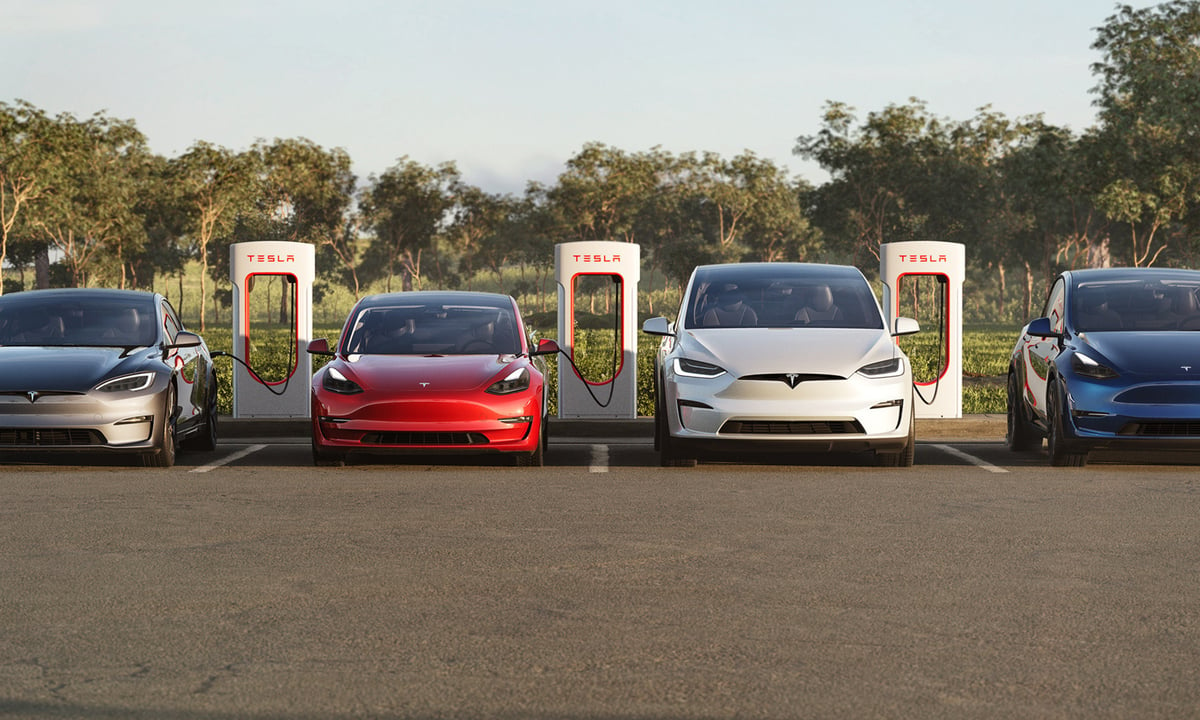
Tesla Accelerates Robotaxi Operations Amid Software Developments

- Fleet Expansion: Tesla currently operates 39 unsupervised robotaxis in Austin, Dallas, and Houston, a significant increase from just 9 in early April and 26 in early May, showcasing the company's aggressive strategy in the robotaxi sector and boosting investor confidence.
- Software Update Importance: The next version of Tesla's Full Self-Driving software (FSD v15) is expected to be available by early 2027, with CEO Elon Musk emphasizing the need to address major architectural improvements before large-scale deployment, which will directly impact the future rollout of robotaxis.
- Market Expectations: While Tesla has made progress in robotaxi deployment, investors should remain cautious as the company will not pursue large-scale unsupervised robotaxi launches until the FSD software is updated, indicating that short-term market reactions may be limited.
- Urban Expansion Plans: Tesla is preparing for robotaxi deployments in new cities such as Phoenix, Miami, Orlando, Tampa, and Las Vegas, and although it currently operates only in unsupervised mode in Dallas and Houston, future city expansions will further enhance its competitive position in the market.
See More
Musk's Absence in Trial Sparks Apology
- Apology for Absence: Musk's lead counsel, Steven Molo, apologized to the jury for Musk's absence during closing arguments, as he was accompanying President Trump in China, indicating Musk's commitment to the trial's significance.
- Lawsuit Context: Musk has sued his OpenAI co-founders, Sam Altman and Greg Brockman, alleging they violated a promise to maintain the company as a nonprofit and unjustly enriched themselves through business restructuring, which undermines the company's philanthropic mission.
- Court Status: Judge Yvonne Gonzalez Rogers had placed Musk on 'recall status,' meaning he was expected to be available for testimony on short notice, highlighting the urgency and importance of the case.
- Travel Permission Unclear: While Musk's attorneys did not respond regarding whether he obtained permission to travel, a court spokesperson indicated uncertainty about whether Musk secured the necessary approval before his trip, which could impact the trial's proceedings.
See More
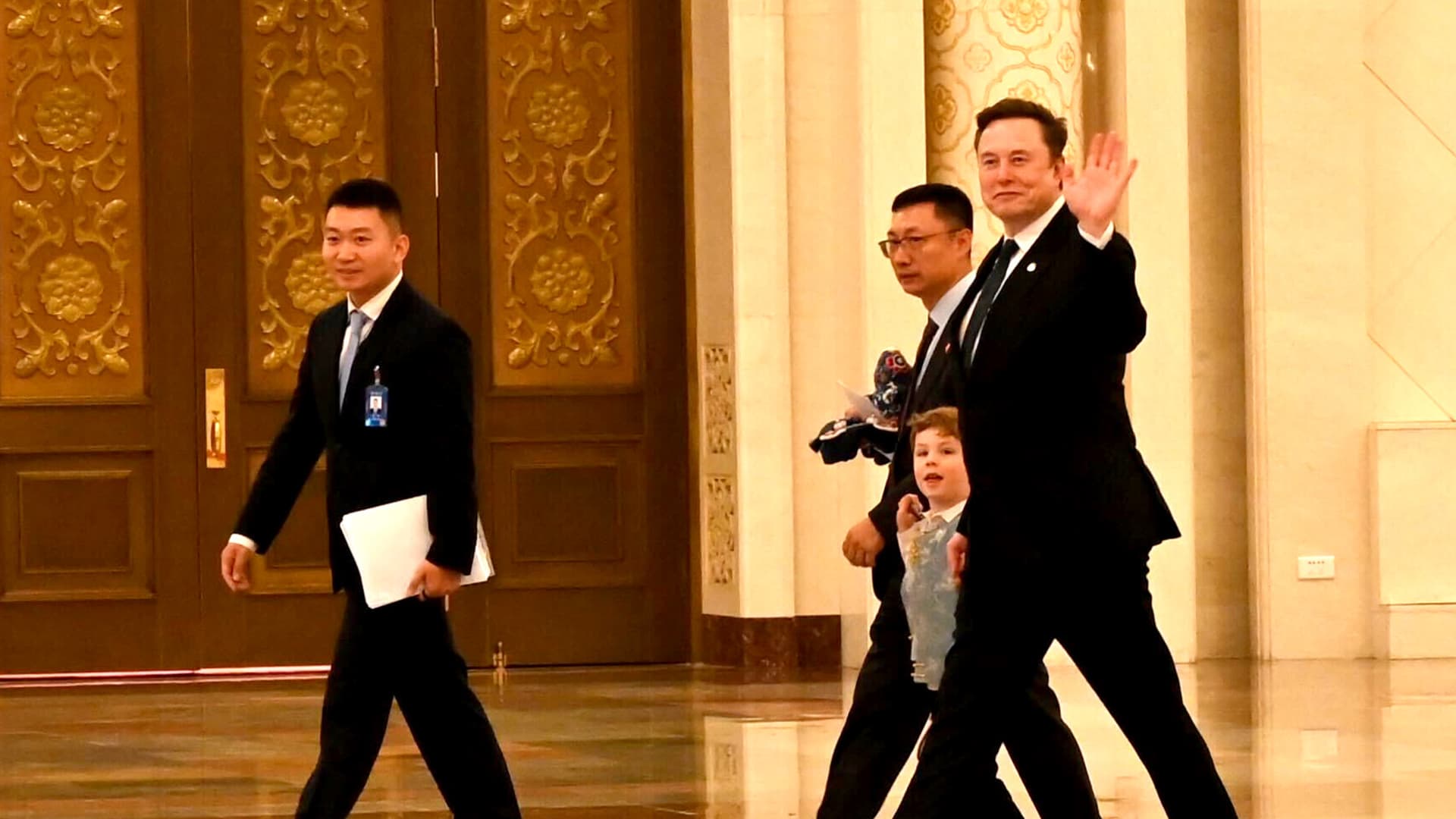
Musk Misses Trial to Accompany Trump in China

- Trial Absence: Tesla founder Elon Musk missed the trial against OpenAI co-founder Altman to accompany Trump on a trip to China, prompting his attorney to apologize to the jury, indicating Musk's significant commitment to the trial.
- Lawsuit Context: Musk's lawsuit against Altman and Brockman alleges they violated their promise to keep the company nonprofit and unjustly enriched themselves through restructuring, reflecting his strong concerns about corporate governance.
- Court Status: The judge had placed Musk on 'recall status,' meaning he was required to be available for potential testimony, highlighting the case's complexity and its personal implications for Musk.
- Trump's Visit: During Musk's trip with Trump, the president met with Xi Jinping, underscoring Musk's pivotal role at the intersection of business and politics, which may also impact his reputation in the tech industry.
See More
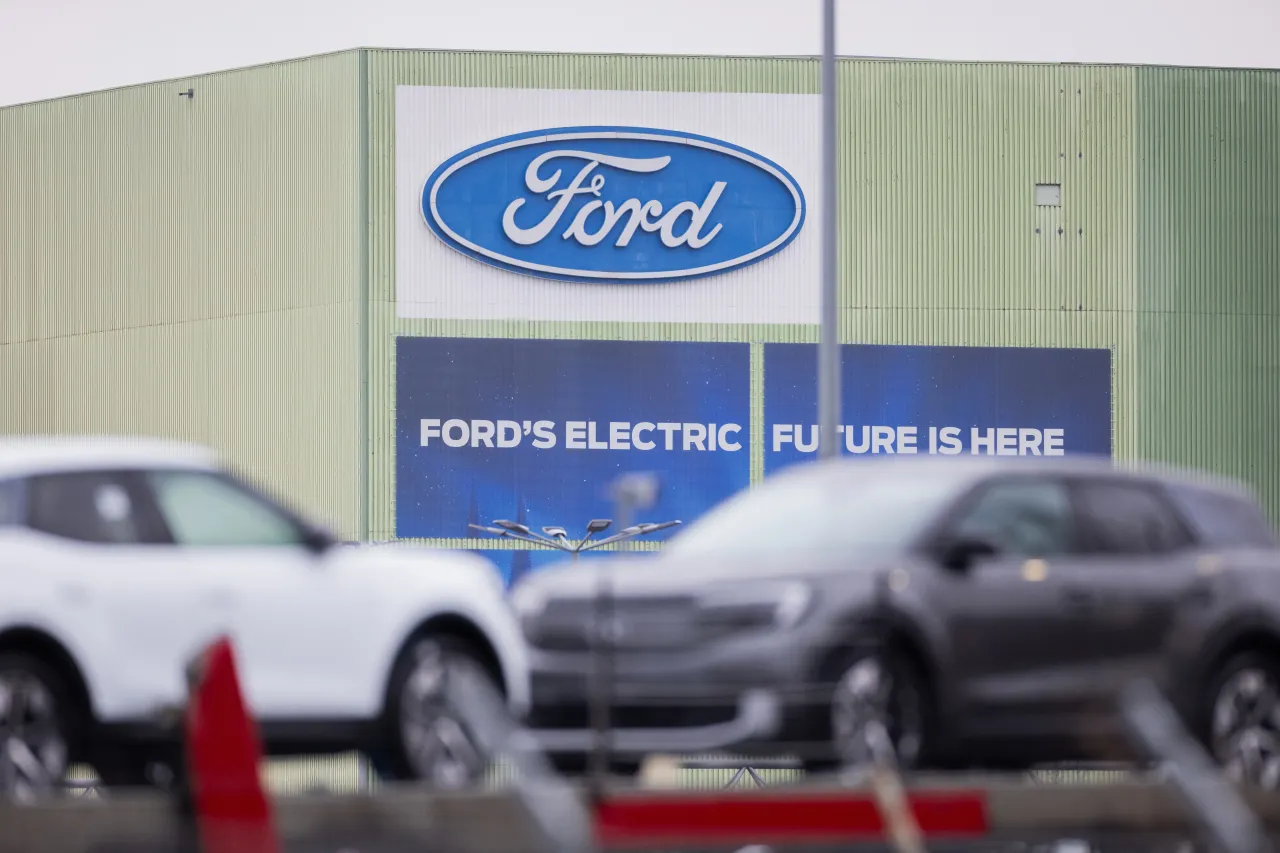
Ford Energy's Optimistic Revenue Outlook

- Revenue Growth Potential: Barclays analysts project that Ford Energy could generate an additional $3 billion in revenue and between $300 million and $500 million in EBIT, highlighting its strong potential in the energy storage market.
- Market Dominance: While Ford Energy's outlook is positive, Barclays notes that Tesla remains the dominant player in the energy storage market and continues to expand its capacity, indicating that Ford must carefully manage execution risks.
- Stock Price Surge: Ford's shares jumped over 8% on Thursday, reaching their highest levels in nearly three years, reflecting market optimism regarding its energy storage business, with expectations for the strongest weekly performance in nearly six years.
- Investor Sentiment Shift: Retail sentiment on Stocktwits shifted from neutral to 'extremely bullish', with message volumes soaring over 1,100% in 24 hours, indicating strong market expectations for Ford's future performance.
See More

European Stock Markets Rise on Thursday


- Market Uptrend: On Thursday, European stock markets broadly rose, driven by media reports, reflecting investor optimism about economic recovery, which may attract more capital inflows into the market.
- Increased Investor Confidence: As the market rises, investor confidence has improved, potentially leading to increased trading activity that could further propel the upward trend in stock prices.
- Economic Data Impact: The market rebound may be linked to recently released economic data indicating signs of recovery, enhancing market expectations for future growth.
- Sector Performance Divergence: While the overall market is up, performance varies across sectors, with industries such as technology and consumer goods showing strong results, indicating investor preference for specific sectors.
See More
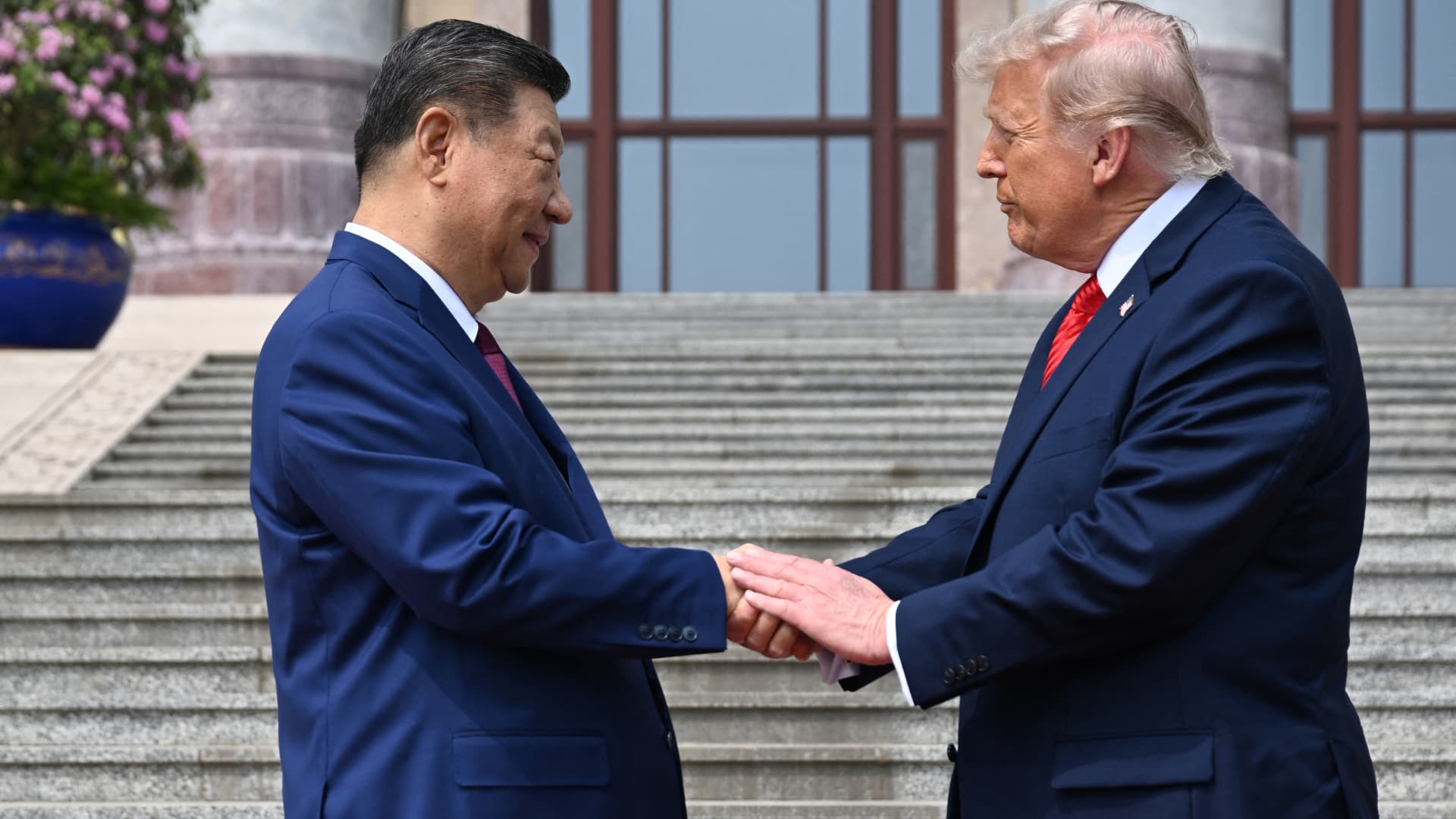
Trump-Xi Summit Focuses on Tech and Market Access
- Tech Controversies: The Trump-Xi summit will focus on critical tech issues, particularly U.S. companies' access to the Chinese market and control over critical minerals, which will directly impact America's position in the global tech supply chain.
- Market Access Priority: Trump emphasized his desire for China to open its market to U.S. businesses, while Xi welcomed deeper commercial engagement, indicating that improved bilateral relations could create new opportunities for American tech firms.
- Rare Earth Control: China's dominance in the rare earth market (59% of global mining and 91% refining in 2024) gives it significant leverage in negotiations with the U.S., with Trump likely to request general licenses for American commercial users to secure rare earth supplies.
- Export Control Negotiations: Although there may be a potential agreement to relax certain export chip controls, the political atmosphere in the U.S. could complicate this process, with experts suggesting that the best-case outcome would be an extension of the 2025 trade truce, despite ongoing Chinese export controls on specific rare earths.
See More
Tesla Accelerates Robotaxi Operations Amid Software Developments
- Fleet Expansion: Tesla currently operates 39 unsupervised robotaxis in Austin, Dallas, and Houston, a significant increase from just 9 in early April and 26 in early May, showcasing the company's aggressive strategy in the robotaxi sector and boosting investor confidence.
- Software Update Importance: The next version of Tesla's Full Self-Driving software (FSD v15) is expected to be available by early 2027, with CEO Elon Musk emphasizing the need to address major architectural improvements before large-scale deployment, which will directly impact the future rollout of robotaxis.
- Market Expectations: While Tesla has made progress in robotaxi deployment, investors should remain cautious as the company will not pursue large-scale unsupervised robotaxi launches until the FSD software is updated, indicating that short-term market reactions may be limited.
- Urban Expansion Plans: Tesla is preparing for robotaxi deployments in new cities such as Phoenix, Miami, Orlando, Tampa, and Las Vegas, and although it currently operates only in unsupervised mode in Dallas and Houston, future city expansions will further enhance its competitive position in the market.
See More
Musk's Absence in Trial Sparks Apology
- Apology for Absence: Musk's lead counsel, Steven Molo, apologized to the jury for Musk's absence during closing arguments, as he was accompanying President Trump in China, indicating Musk's commitment to the trial's significance.
- Lawsuit Context: Musk has sued his OpenAI co-founders, Sam Altman and Greg Brockman, alleging they violated a promise to maintain the company as a nonprofit and unjustly enriched themselves through business restructuring, which undermines the company's philanthropic mission.
- Court Status: Judge Yvonne Gonzalez Rogers had placed Musk on 'recall status,' meaning he was expected to be available for testimony on short notice, highlighting the urgency and importance of the case.
- Travel Permission Unclear: While Musk's attorneys did not respond regarding whether he obtained permission to travel, a court spokesperson indicated uncertainty about whether Musk secured the necessary approval before his trip, which could impact the trial's proceedings.
See More
Musk Misses Trial to Accompany Trump in China
- Trial Absence: Tesla founder Elon Musk missed the trial against OpenAI co-founder Altman to accompany Trump on a trip to China, prompting his attorney to apologize to the jury, indicating Musk's significant commitment to the trial.
- Lawsuit Context: Musk's lawsuit against Altman and Brockman alleges they violated their promise to keep the company nonprofit and unjustly enriched themselves through restructuring, reflecting his strong concerns about corporate governance.
- Court Status: The judge had placed Musk on 'recall status,' meaning he was required to be available for potential testimony, highlighting the case's complexity and its personal implications for Musk.
- Trump's Visit: During Musk's trip with Trump, the president met with Xi Jinping, underscoring Musk's pivotal role at the intersection of business and politics, which may also impact his reputation in the tech industry.
See More
Ford Energy's Optimistic Revenue Outlook
- Revenue Growth Potential: Barclays analysts project that Ford Energy could generate an additional $3 billion in revenue and between $300 million and $500 million in EBIT, highlighting its strong potential in the energy storage market.
- Market Dominance: While Ford Energy's outlook is positive, Barclays notes that Tesla remains the dominant player in the energy storage market and continues to expand its capacity, indicating that Ford must carefully manage execution risks.
- Stock Price Surge: Ford's shares jumped over 8% on Thursday, reaching their highest levels in nearly three years, reflecting market optimism regarding its energy storage business, with expectations for the strongest weekly performance in nearly six years.
- Investor Sentiment Shift: Retail sentiment on Stocktwits shifted from neutral to 'extremely bullish', with message volumes soaring over 1,100% in 24 hours, indicating strong market expectations for Ford's future performance.
See More
European Stock Markets Rise on Thursday
- Market Uptrend: On Thursday, European stock markets broadly rose, driven by media reports, reflecting investor optimism about economic recovery, which may attract more capital inflows into the market.
- Increased Investor Confidence: As the market rises, investor confidence has improved, potentially leading to increased trading activity that could further propel the upward trend in stock prices.
- Economic Data Impact: The market rebound may be linked to recently released economic data indicating signs of recovery, enhancing market expectations for future growth.
- Sector Performance Divergence: While the overall market is up, performance varies across sectors, with industries such as technology and consumer goods showing strong results, indicating investor preference for specific sectors.
See More
Trump-Xi Summit Focuses on Tech and Market Access
- Tech Controversies: The Trump-Xi summit will focus on critical tech issues, particularly U.S. companies' access to the Chinese market and control over critical minerals, which will directly impact America's position in the global tech supply chain.
- Market Access Priority: Trump emphasized his desire for China to open its market to U.S. businesses, while Xi welcomed deeper commercial engagement, indicating that improved bilateral relations could create new opportunities for American tech firms.
- Rare Earth Control: China's dominance in the rare earth market (59% of global mining and 91% refining in 2024) gives it significant leverage in negotiations with the U.S., with Trump likely to request general licenses for American commercial users to secure rare earth supplies.
- Export Control Negotiations: Although there may be a potential agreement to relax certain export chip controls, the political atmosphere in the U.S. could complicate this process, with experts suggesting that the best-case outcome would be an extension of the 2025 trade truce, despite ongoing Chinese export controls on specific rare earths.
See More