Palantir Experiences Its Lowest Performance in Two Years Amid AI Stock Decline


Palantir's Stock Decline: Palantir's shares fell 16% in November, marking their worst month since August 2023, as investors expressed concerns over high valuations in the AI sector, despite the company reporting strong earnings and revenue.
Investor Sentiment and Criticism: Notable investor Michael Burry has bet against Palantir, leading to accusations of market manipulation from CEO Alex Karp, who defended the company's value and criticized the broader market's reaction to AI stocks.
Valuation Concerns: Analysts have labeled Palantir's valuation as "extreme," with the stock trading at 233 times forward earnings, significantly higher than competitors like Nvidia and Alphabet, which trade at 38 and 30 times, respectively.
Recent Contracts Amidst Worries: Despite the stock selloff, Palantir secured contracts with PwC and FTAI to enhance AI adoption, but these wins have not alleviated ongoing concerns about the company's valuation and the overall AI market bubble.
Trade with 70% Backtested Accuracy
Analyst Views on AAPL

About AAPL
About the author


Apple Plans New iPad Pro and MacBook Pro Launches

- New iPad Pro Testing: Apple is testing four new iPad Pro models slated for a spring 2027 launch, focusing primarily on internal performance upgrades while retaining the current 11-inch and 13-inch display sizes to enhance user experience and market competitiveness.
- MacBook Pro Design Overhaul: The company is developing a redesigned entry-level 14-inch MacBook Pro expected to launch in the first half of next year, which will adopt a new design aligned with higher-end MacBook models, thereby increasing product appeal.
- Accelerated M7 Processor Development: Apple aims to launch its first M7 processor in the first half of next year, accelerating the transition from the M6 generation and optimizing chips to handle growing artificial intelligence workloads, despite facing severe memory and silicon shortages.
- Positive Stock Performance: Apple shares rose 1.74% during Wednesday's regular session, although they dipped slightly in after-hours trading; however, the stock has gained nearly 8% year-to-date, reflecting market optimism regarding its upcoming product launches.
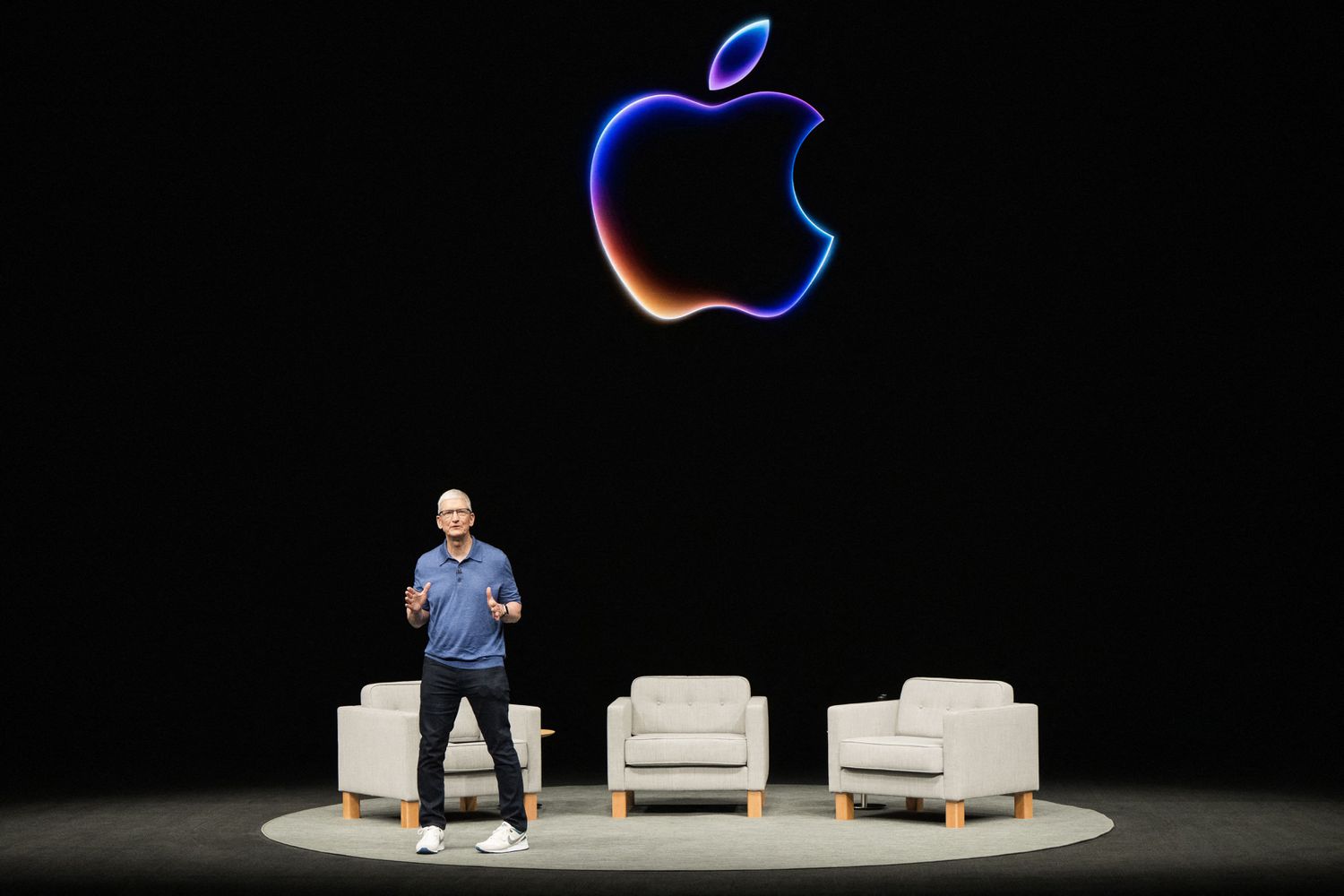
Tim Cook Discusses Siri AI with EU Officials
- Constructive Dialogue: Apple CEO Tim Cook held a 'constructive' virtual meeting with EU tech chief Henna Virkkunen to discuss the potential introduction of the new Siri AI in Europe, indicating Apple's strategic intent to expand in global markets.
- Fine Avoidance Strategy: The discussions also covered how Apple could avoid millions in fines for violating EU competition rules, highlighting the company's proactive efforts in compliance to maintain operational stability in the European market.
- Siri AI Launch Plans: Apple unveiled the revamped Siri AI last month and plans to launch it in beta in the U.S. later this year, although the timeline for Europe and China remains uncertain, reflecting the complexities of navigating regulatory environments globally.
- Executive Transition Impact: Cook is set to step down as CEO in September, transitioning to Executive Chairman, while John Ternus will take over, ensuring that Apple's innovation strategy continues to drive the company’s competitive edge in technology.

Cboe Seeks SEC Approval for Binary Options Listing

- Listing Application: Cboe Global Markets Inc. is seeking approval from the U.S. Securities and Exchange Commission to list binary options, marking a significant expansion in the financial derivatives market.
- Market Potential: As an emerging financial instrument, binary options could attract more investors, enhancing Cboe's market share and trading volume, thereby strengthening its position in the competitive exchange landscape.
- Regulatory Challenges: Securing SEC approval will involve rigorous regulatory scrutiny, requiring Cboe to ensure that its products comply with all relevant regulations to avoid potential legal risks.
- Strategic Implications: This move not only helps Cboe diversify its product offerings but also has the potential to drive revenue growth, further solidifying its leadership position in the global financial markets.

US Stocks Close Lower with Mixed Tech Performance


- Market Decline: On Wednesday, the S&P 500 fell by 0.22%, the Dow Jones Industrial Average dipped by 0.03%, and the Nasdaq 100 dropped by 1.54%, indicating a market pullback after reaching a one-week high, particularly driven by sell-offs in chipmakers and AI infrastructure stocks.
- Economic Data Impact: The June ADP employment change rose by only 98,000, falling short of the expected 120,000, while the ISM manufacturing index decreased from 53.9 to 53.3, highlighting signs of economic slowdown that further pressured the market.
- Mixed Tech Performance: Despite strong performances from the Magnificent Seven tech stocks, with Meta Platforms rising over 8%, semiconductor stocks faced significant declines, as the iShares Semiconductor ETF fell more than 6%, reflecting a divergence in market confidence towards technology stocks.
- Oil Prices and Inflation Expectations: WTI crude oil prices fell by more than 1%, reaching a 4.25-month low, as positive developments in US-Iran negotiations eased market tensions, potentially influencing future inflation expectations and the Federal Reserve's monetary policy.
Apple Seeks Chinese Chip Supply Amid Shortage
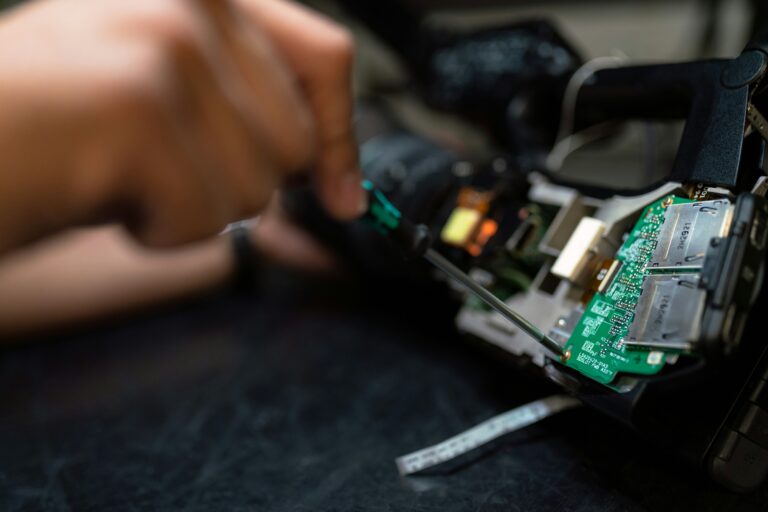
- Political Risks Increase: Apple is reportedly negotiating chip procurement from Chinese firms ChangXin Memory Technologies and Yangtze Memory Technologies, which could provoke political backlash in Washington, particularly as some officials from the Trump administration oppose Apple's efforts to integrate these companies into its supply chain.
- Global Chip Shortage: The ongoing global memory chip shortage is pressuring Apple and other electronics manufacturers, forcing price increases across their product lines; Apple aims to alleviate this impact by expanding its supplier base to five companies.
- Stock Market Volatility: AAPL shares rose 1.74% during regular trading on Wednesday but slipped 0.15% in after-hours trading, indicating market caution regarding its supply chain strategy, even as the stock has gained nearly 8% year-to-date.
- Retail Sentiment Optimistic: On Stocktwits, retail sentiment for AAPL remains 'bullish' with high message volume, reflecting investor confidence in Apple's future performance despite the supply chain challenges it faces.

Russia Orders Apple to Pre-Install Local Software by July 15
- Compliance Deadline Set: Russia's Federal Antimonopoly Service has mandated that Apple pre-install local search engines and communication platforms by July 15, with potential fines of up to 4 billion roubles (approximately $51.6 million) for non-compliance, indicating increased regulatory scrutiny on foreign tech firms operating in Russia.
- Market Violation Warning: The antitrust authority accused Apple of discriminatory practices, particularly following the removal of applications linked to state-controlled Russian tech organizations, which has escalated tensions and could adversely affect Apple's operations in the Russian market.
- Software Pre-Installation Requirement: The FAS directive requires Apple to ensure that Russian search engines and the local communication tool Max are pre-installed on devices sold in the country, a demand that could impact Apple's product strategy and competitive positioning in the region.
- Retail Sentiment Analysis: Despite the regulatory pressures, AAPL stock rose by 2% on Wednesday, reflecting investor confidence, particularly as retail chatter on Stocktwits increased by 36% over the past week, indicating a bullish outlook on Apple's future performance.
Apple Plans New iPad Pro and MacBook Pro Launches
- New iPad Pro Testing: Apple is testing four new iPad Pro models slated for a spring 2027 launch, focusing primarily on internal performance upgrades while retaining the current 11-inch and 13-inch display sizes to enhance user experience and market competitiveness.
- MacBook Pro Design Overhaul: The company is developing a redesigned entry-level 14-inch MacBook Pro expected to launch in the first half of next year, which will adopt a new design aligned with higher-end MacBook models, thereby increasing product appeal.
- Accelerated M7 Processor Development: Apple aims to launch its first M7 processor in the first half of next year, accelerating the transition from the M6 generation and optimizing chips to handle growing artificial intelligence workloads, despite facing severe memory and silicon shortages.
- Positive Stock Performance: Apple shares rose 1.74% during Wednesday's regular session, although they dipped slightly in after-hours trading; however, the stock has gained nearly 8% year-to-date, reflecting market optimism regarding its upcoming product launches.
Tim Cook Discusses Siri AI with EU Officials
- Constructive Dialogue: Apple CEO Tim Cook held a 'constructive' virtual meeting with EU tech chief Henna Virkkunen to discuss the potential introduction of the new Siri AI in Europe, indicating Apple's strategic intent to expand in global markets.
- Fine Avoidance Strategy: The discussions also covered how Apple could avoid millions in fines for violating EU competition rules, highlighting the company's proactive efforts in compliance to maintain operational stability in the European market.
- Siri AI Launch Plans: Apple unveiled the revamped Siri AI last month and plans to launch it in beta in the U.S. later this year, although the timeline for Europe and China remains uncertain, reflecting the complexities of navigating regulatory environments globally.
- Executive Transition Impact: Cook is set to step down as CEO in September, transitioning to Executive Chairman, while John Ternus will take over, ensuring that Apple's innovation strategy continues to drive the company’s competitive edge in technology.
Cboe Seeks SEC Approval for Binary Options Listing
- Listing Application: Cboe Global Markets Inc. is seeking approval from the U.S. Securities and Exchange Commission to list binary options, marking a significant expansion in the financial derivatives market.
- Market Potential: As an emerging financial instrument, binary options could attract more investors, enhancing Cboe's market share and trading volume, thereby strengthening its position in the competitive exchange landscape.
- Regulatory Challenges: Securing SEC approval will involve rigorous regulatory scrutiny, requiring Cboe to ensure that its products comply with all relevant regulations to avoid potential legal risks.
- Strategic Implications: This move not only helps Cboe diversify its product offerings but also has the potential to drive revenue growth, further solidifying its leadership position in the global financial markets.
US Stocks Close Lower with Mixed Tech Performance
- Market Decline: On Wednesday, the S&P 500 fell by 0.22%, the Dow Jones Industrial Average dipped by 0.03%, and the Nasdaq 100 dropped by 1.54%, indicating a market pullback after reaching a one-week high, particularly driven by sell-offs in chipmakers and AI infrastructure stocks.
- Economic Data Impact: The June ADP employment change rose by only 98,000, falling short of the expected 120,000, while the ISM manufacturing index decreased from 53.9 to 53.3, highlighting signs of economic slowdown that further pressured the market.
- Mixed Tech Performance: Despite strong performances from the Magnificent Seven tech stocks, with Meta Platforms rising over 8%, semiconductor stocks faced significant declines, as the iShares Semiconductor ETF fell more than 6%, reflecting a divergence in market confidence towards technology stocks.
- Oil Prices and Inflation Expectations: WTI crude oil prices fell by more than 1%, reaching a 4.25-month low, as positive developments in US-Iran negotiations eased market tensions, potentially influencing future inflation expectations and the Federal Reserve's monetary policy.
Apple Seeks Chinese Chip Supply Amid Shortage
- Political Risks Increase: Apple is reportedly negotiating chip procurement from Chinese firms ChangXin Memory Technologies and Yangtze Memory Technologies, which could provoke political backlash in Washington, particularly as some officials from the Trump administration oppose Apple's efforts to integrate these companies into its supply chain.
- Global Chip Shortage: The ongoing global memory chip shortage is pressuring Apple and other electronics manufacturers, forcing price increases across their product lines; Apple aims to alleviate this impact by expanding its supplier base to five companies.
- Stock Market Volatility: AAPL shares rose 1.74% during regular trading on Wednesday but slipped 0.15% in after-hours trading, indicating market caution regarding its supply chain strategy, even as the stock has gained nearly 8% year-to-date.
- Retail Sentiment Optimistic: On Stocktwits, retail sentiment for AAPL remains 'bullish' with high message volume, reflecting investor confidence in Apple's future performance despite the supply chain challenges it faces.
Russia Orders Apple to Pre-Install Local Software by July 15
- Compliance Deadline Set: Russia's Federal Antimonopoly Service has mandated that Apple pre-install local search engines and communication platforms by July 15, with potential fines of up to 4 billion roubles (approximately $51.6 million) for non-compliance, indicating increased regulatory scrutiny on foreign tech firms operating in Russia.
- Market Violation Warning: The antitrust authority accused Apple of discriminatory practices, particularly following the removal of applications linked to state-controlled Russian tech organizations, which has escalated tensions and could adversely affect Apple's operations in the Russian market.
- Software Pre-Installation Requirement: The FAS directive requires Apple to ensure that Russian search engines and the local communication tool Max are pre-installed on devices sold in the country, a demand that could impact Apple's product strategy and competitive positioning in the region.
- Retail Sentiment Analysis: Despite the regulatory pressures, AAPL stock rose by 2% on Wednesday, reflecting investor confidence, particularly as retail chatter on Stocktwits increased by 36% over the past week, indicating a bullish outlook on Apple's future performance.