Oracle Corporation Class Action Reminder
Written by Emily J. Thompson, Senior Investment Analyst
Updated: Feb 23 2026
0mins
Should l Buy ORCL?
Source: Globenewswire
- Lawsuit Background: Investors are reminded to file a lead plaintiff motion by April 6, 2026, in a class action concerning Oracle Corporation securities purchased between June 12 and December 16, 2025, highlighting investor concerns over the company's future growth.
- Stock Price Volatility: On September 25, 2025, Oracle's stock fell 5.6% to $291.33 after analysts warned that the company's AI business growth was overestimated, indicating a loss of market confidence in its prospects.
- Financial Shortcomings: On December 10, 2025, Oracle's second-quarter fiscal 2026 results missed consensus estimates, causing a 10.8% drop in stock price to $198.85, revealing serious issues in capital expenditures and free cash flow.
- Funding Risks: On December 17, 2025, Oracle's primary financial backer, Blue Owl Capital, withdrew from a $10 billion data center funding, leading to a 5.4% decline in stock price to $178.46, underscoring risks related to spending commitments and rising debt levels.
Trade with 70% Backtested Accuracy
Stop guessing "Should I Buy ORCL?" and start using high-conviction signals backed by rigorous historical data.
Sign up today to access powerful investing tools and make smarter, data-driven decisions.
Analyst Views on ORCL
Wall Street analysts forecast ORCL stock price to rise
34 Analyst Rating
25 Buy
9 Hold
0 Sell
Moderate Buy
Current: 155.110

Low
180.00
Averages
309.59
High
400.00
Current: 155.110
Low
180.00
Averages
309.59
High
400.00
About ORCL
Oracle Corporation offers integrated suites of applications plus secure, autonomous infrastructure in the Oracle Cloud. The Company operates through three businesses: cloud and license, hardware and service. Its cloud and license business is engaged in the sale, marketing and delivery of its enterprise applications and infrastructure technologies through cloud and on-premise deployment models including its cloud services and license support offerings, and its cloud license and on-premise license offerings. Its hardware business provides infrastructure technologies including Oracle Engineered Systems, servers, storage, industry-specific hardware, operating systems, virtualization, management and other hardware-related software to support diverse IT environments. Its services business provides services to customers and partners to help maximize the performance of their investments in Oracle applications and infrastructure technologies.
About the author

Emily J. Thompson
Emily J. Thompson, a Chartered Financial Analyst (CFA) with 12 years in investment research, graduated with honors from the Wharton School. Specializing in industrial and technology stocks, she provides in-depth analysis for Intellectia’s earnings and market brief reports.

Oracle's Cloud Infrastructure Demand Drives Record Growth

- Significant Revenue Growth: In Q3 of fiscal 2026, Oracle reported adjusted revenue and earnings per share growth of over 20% year-over-year, primarily driven by accelerating demand for cloud infrastructure and AI services, showcasing the company's strong market performance.
- Cloud Infrastructure Expansion: Oracle's cloud infrastructure revenue surged 84% year-over-year, with remaining performance obligations increasing by $30 billion to $553 billion, indicating the company's active participation in AI infrastructure build-out and robust market demand.
- Cash Flow Pressure: Although increased capital spending has led to a negative free cash flow of $24.7 billion, management asserts that its financing arrangements are favorable for future profitability, especially as revenue will continue to grow once data centers are completed.
- Optimistic Future Outlook: Analysts project Oracle's operating profit to rise from $25 billion in fiscal 2025 to $46 billion by fiscal 2028, highlighting the potential and optimized profitability of the company's investments in AI infrastructure.
See More

Trump Administration to Receive $10 Billion from TikTok Deal
- Transaction Amount: The Trump administration is expected to receive approximately $10 billion from investors involved in the TikTok deal, which is part of the agreement allowing the social media app to continue operating in the U.S., indicating a direct government role in corporate transactions.
- Investor Background: Investors in the deal include Oracle (ORCL), private equity firm Silver Lake, and Abu Dhabi investment group MGX, who paid about $2.5 billion to the U.S. Treasury at the transaction's closure and are expected to make additional payments.
- Company Valuation: The newly created U.S. TikTok entity is valued at around $14 billion, although some technology analysts argue this valuation understates the platform's true worth, reflecting differing market perceptions of its growth potential.
- Compliance Requirements: The deal was structured to comply with U.S. laws requiring TikTok's American operations to reduce Chinese ownership to address national security concerns, demonstrating the government's increasing regulatory influence over technology sector transactions.
See More
Comparison of Vanguard and Fidelity Bond ETFs

- Expense Ratio Advantage: The Vanguard Intermediate-Term Corporate Bond ETF (VCIT) boasts an expense ratio of just 0.03%, significantly lower than Fidelity Investment Grade Bond ETF (FIGB) at 0.36%, which allows VCIT to save investors considerable costs over time, thereby enhancing net returns.
- Yield Comparison: VCIT offers a 4.7% annual yield compared to FIGB's 4.1%, meaning investors can expect higher cash flows from VCIT, particularly appealing in a low-interest-rate environment, thus increasing its attractiveness.
- Asset Size and Liquidity: With $68.5 billion in assets under management, VCIT far surpasses FIGB's $441 million, which not only enhances its market liquidity but also makes VCIT more appealing to investors, enabling it to better withstand market fluctuations.
- Risk and Return Analysis: Although FIGB's maximum drawdown over the past five years is 18.1%, lower than VCIT's 20.6%, VCIT's more diversified portfolio, holding 2,289 securities, demonstrates its advantages in risk management and potential for returns.
See More

Comparison Analysis of VCIT and FIGB Bond ETFs
- Cost Comparison: VCIT's expense ratio is less than one-tenth of FIGB's, significantly reducing long-term costs for investors and making it more attractive in the high-yield bond market.
- Yield Differences: VCIT offers a 4.7% dividend yield compared to FIGB's 4.1%, making it more competitive for investors seeking steady income.
- Portfolio Diversity: VCIT holds 2,289 securities, far exceeding FIGB's 685, with major investments in corporate bonds from Meta, Oracle, and Pfizer, showcasing a stronger diversification advantage.
- Market Liquidity: With over $68 billion in net assets, VCIT provides higher liquidity, making it suitable for supporting stock portfolios during economic slowdowns.
See More
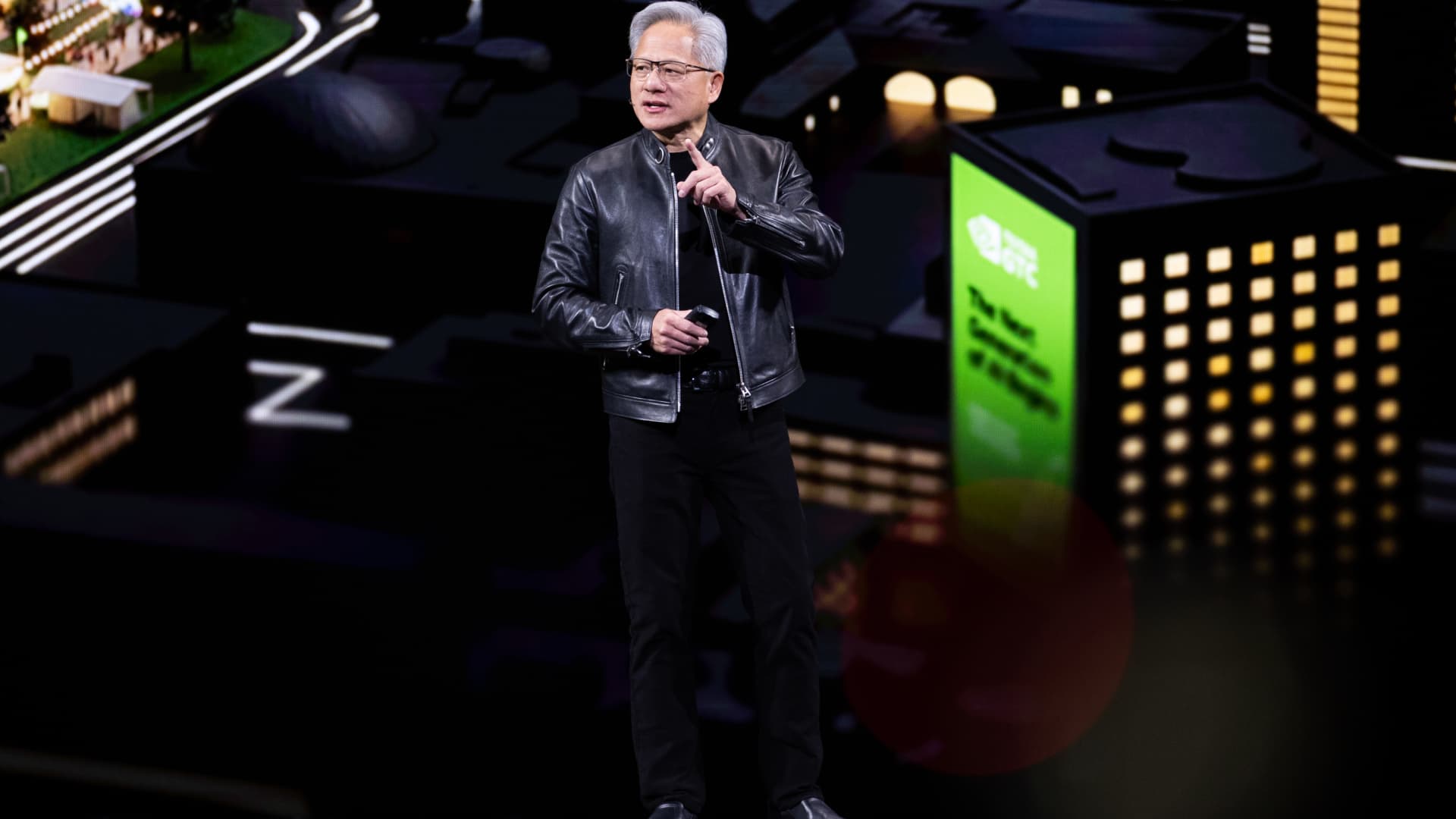
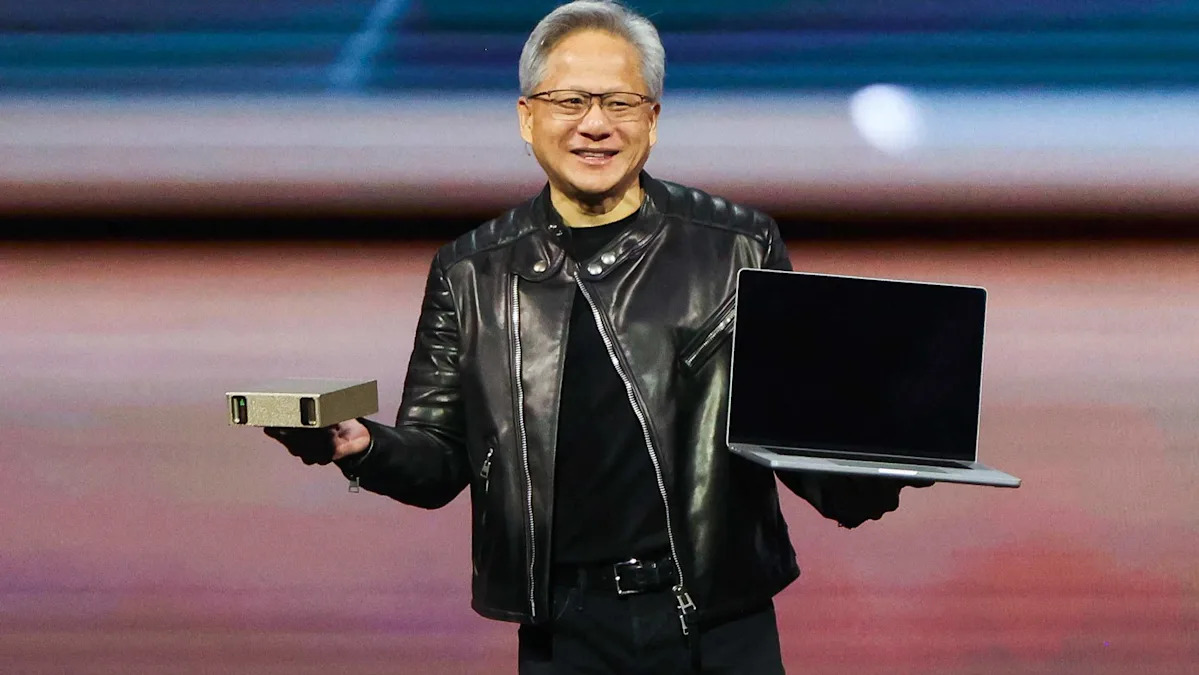
Nvidia Projects $1 Trillion in AI Chip Orders by 2027

- Surging Order Expectations: CEO Jensen Huang announced at the developer conference that Nvidia anticipates orders between Blackwell and Vera Rubin to reach $1 trillion by 2027, significantly up from last year's $500 billion forecast, indicating robust market demand for AI chips.
- Sustained Revenue Growth: Nvidia expects a year-over-year revenue surge of 77% this quarter, reaching approximately $78 billion, and has reported 11 consecutive quarters of revenue growth exceeding 55%, underscoring its leadership position and the ongoing rise in market demand for AI technologies.
- New Product Launch: Huang unveiled the Groq 3 Language Processing Unit (LPU), the first chip from the startup Nvidia acquired for $20 billion, expected to ship in Q3, aimed at enhancing GPU performance and strengthening competitive positioning in the market.
- Future Architecture Plans: Nvidia showcased the Kyber prototype, the next major rack architecture following Vera Rubin, set to launch in 2027, integrating 144 GPUs to boost density and reduce latency, further solidifying its technological edge in AI computing.
See More

Oracle Corporation Class Action Reminder
- Class Action Notice: Rosen Law Firm reminds investors who purchased Oracle stock between June 12, 2025, and December 16, 2025, to apply as lead plaintiffs by April 6, 2026, to participate in the class action without any out-of-pocket fees.
- Lawsuit Background: The lawsuit alleges that Oracle made false or misleading statements during the class period, resulting in investor losses due to significant increases in capital expenditures without corresponding revenue growth, which adversely affected the company's debt and credit rating.
- Law Firm Credentials: Rosen Law Firm specializes in securities class actions and has recovered over $438 million for investors in 2019 alone, being ranked first in 2017 for the number of securities class action settlements, showcasing its strong industry reputation.
- Investor Selection Advice: Investors are advised to carefully choose law firms with proven success in leadership roles, avoiding those that merely act as intermediaries, to ensure they receive the best representation and support in the class action.
See More
Oracle's Cloud Infrastructure Demand Drives Record Growth
- Significant Revenue Growth: In Q3 of fiscal 2026, Oracle reported adjusted revenue and earnings per share growth of over 20% year-over-year, primarily driven by accelerating demand for cloud infrastructure and AI services, showcasing the company's strong market performance.
- Cloud Infrastructure Expansion: Oracle's cloud infrastructure revenue surged 84% year-over-year, with remaining performance obligations increasing by $30 billion to $553 billion, indicating the company's active participation in AI infrastructure build-out and robust market demand.
- Cash Flow Pressure: Although increased capital spending has led to a negative free cash flow of $24.7 billion, management asserts that its financing arrangements are favorable for future profitability, especially as revenue will continue to grow once data centers are completed.
- Optimistic Future Outlook: Analysts project Oracle's operating profit to rise from $25 billion in fiscal 2025 to $46 billion by fiscal 2028, highlighting the potential and optimized profitability of the company's investments in AI infrastructure.
See More
Trump Administration to Receive $10 Billion from TikTok Deal
- Transaction Amount: The Trump administration is expected to receive approximately $10 billion from investors involved in the TikTok deal, which is part of the agreement allowing the social media app to continue operating in the U.S., indicating a direct government role in corporate transactions.
- Investor Background: Investors in the deal include Oracle (ORCL), private equity firm Silver Lake, and Abu Dhabi investment group MGX, who paid about $2.5 billion to the U.S. Treasury at the transaction's closure and are expected to make additional payments.
- Company Valuation: The newly created U.S. TikTok entity is valued at around $14 billion, although some technology analysts argue this valuation understates the platform's true worth, reflecting differing market perceptions of its growth potential.
- Compliance Requirements: The deal was structured to comply with U.S. laws requiring TikTok's American operations to reduce Chinese ownership to address national security concerns, demonstrating the government's increasing regulatory influence over technology sector transactions.
See More
Comparison of Vanguard and Fidelity Bond ETFs
- Expense Ratio Advantage: The Vanguard Intermediate-Term Corporate Bond ETF (VCIT) boasts an expense ratio of just 0.03%, significantly lower than Fidelity Investment Grade Bond ETF (FIGB) at 0.36%, which allows VCIT to save investors considerable costs over time, thereby enhancing net returns.
- Yield Comparison: VCIT offers a 4.7% annual yield compared to FIGB's 4.1%, meaning investors can expect higher cash flows from VCIT, particularly appealing in a low-interest-rate environment, thus increasing its attractiveness.
- Asset Size and Liquidity: With $68.5 billion in assets under management, VCIT far surpasses FIGB's $441 million, which not only enhances its market liquidity but also makes VCIT more appealing to investors, enabling it to better withstand market fluctuations.
- Risk and Return Analysis: Although FIGB's maximum drawdown over the past five years is 18.1%, lower than VCIT's 20.6%, VCIT's more diversified portfolio, holding 2,289 securities, demonstrates its advantages in risk management and potential for returns.
See More
Comparison Analysis of VCIT and FIGB Bond ETFs
- Cost Comparison: VCIT's expense ratio is less than one-tenth of FIGB's, significantly reducing long-term costs for investors and making it more attractive in the high-yield bond market.
- Yield Differences: VCIT offers a 4.7% dividend yield compared to FIGB's 4.1%, making it more competitive for investors seeking steady income.
- Portfolio Diversity: VCIT holds 2,289 securities, far exceeding FIGB's 685, with major investments in corporate bonds from Meta, Oracle, and Pfizer, showcasing a stronger diversification advantage.
- Market Liquidity: With over $68 billion in net assets, VCIT provides higher liquidity, making it suitable for supporting stock portfolios during economic slowdowns.
See More
Nvidia Projects $1 Trillion in AI Chip Orders by 2027
- Surging Order Expectations: CEO Jensen Huang announced at the developer conference that Nvidia anticipates orders between Blackwell and Vera Rubin to reach $1 trillion by 2027, significantly up from last year's $500 billion forecast, indicating robust market demand for AI chips.
- Sustained Revenue Growth: Nvidia expects a year-over-year revenue surge of 77% this quarter, reaching approximately $78 billion, and has reported 11 consecutive quarters of revenue growth exceeding 55%, underscoring its leadership position and the ongoing rise in market demand for AI technologies.
- New Product Launch: Huang unveiled the Groq 3 Language Processing Unit (LPU), the first chip from the startup Nvidia acquired for $20 billion, expected to ship in Q3, aimed at enhancing GPU performance and strengthening competitive positioning in the market.
- Future Architecture Plans: Nvidia showcased the Kyber prototype, the next major rack architecture following Vera Rubin, set to launch in 2027, integrating 144 GPUs to boost density and reduce latency, further solidifying its technological edge in AI computing.
See More
Oracle Corporation Class Action Reminder
- Class Action Notice: Rosen Law Firm reminds investors who purchased Oracle stock between June 12, 2025, and December 16, 2025, to apply as lead plaintiffs by April 6, 2026, to participate in the class action without any out-of-pocket fees.
- Lawsuit Background: The lawsuit alleges that Oracle made false or misleading statements during the class period, resulting in investor losses due to significant increases in capital expenditures without corresponding revenue growth, which adversely affected the company's debt and credit rating.
- Law Firm Credentials: Rosen Law Firm specializes in securities class actions and has recovered over $438 million for investors in 2019 alone, being ranked first in 2017 for the number of securities class action settlements, showcasing its strong industry reputation.
- Investor Selection Advice: Investors are advised to carefully choose law firms with proven success in leadership roles, avoiding those that merely act as intermediaries, to ensure they receive the best representation and support in the class action.
See More