OpenAI Launches ChatGPT Atlas Browser, Causing Decline in Alphabet Stock Prices

Alphabet's Stock Reaction: Shares of Google parent Alphabet fell 3% following OpenAI's announcement of ChatGPT Atlas, an AI-powered web browser.
OpenAI's Product Launch: OpenAI teased the launch of ChatGPT Atlas through a video and a livestream, describing it as a new browser available globally on macOS, with plans for Windows, iOS, and Android versions.
Competitive Landscape: The launch of ChatGPT Atlas positions OpenAI in direct competition with existing AI browsers like Google's Gemini and Perplexity's Comet, which are also vying for user attention and market share.
Features of Competing Browsers: Perplexity's Comet browser offers functionalities such as web searching, tab organization, and email drafting, while Google's Gemini model enhances Chrome with AI capabilities for user assistance.
Trade with 70% Backtested Accuracy
Analyst Views on GOOGL

About GOOGL
About the author


Macron and Modi Lead AI Investment Charm Offensive


- Investment Attraction Strategy: French President Macron and Indian Prime Minister Modi are actively courting global tech giants for investments, particularly SoftBank's multi-billion dollar commitment in France, highlighting the urgency and strategic collaboration in AI infrastructure development.
- Infrastructure Commitment: SoftBank's plan to build 3.1 GW of AI data centers in France as part of a €75 billion program underscores France's significant role in the global AI ecosystem and reflects Macron's commitment to energy supply.
- Global Collaboration Opportunities: Modi's meetings with tech leaders at the Global AI Summit resulted in commitments of hundreds of billions of dollars, emphasizing India's potential and future in AI, aiming to attract more foreign investment to enhance domestic AI infrastructure.
- Technological Self-Reliance Development: The Indian government is offering long-term tax breaks to attract hyperscalers to build AI data centers, demonstrating its urgency in the global AI race while promoting local semiconductor industry development to reduce reliance on external technologies.

France and India Accelerate AI Investment Race

- Personal Outreach: French President Macron and Indian Prime Minister Modi are actively courting major tech CEOs to secure investments in AI data centers and cloud infrastructure, reflecting both countries' urgency and determination in the global AI competition.
- Major Investment Commitments: India has secured a record $48 billion investment from Amazon, with $21 billion allocated for AI and cloud infrastructure, indicating India's success in attracting foreign capital and further solidifying its position in the global AI ecosystem.
- Expansion of French AI Infrastructure: SoftBank plans to build 3.1 GW of AI data centers in France by 2031 as part of a €75 billion program, with Macron leveraging personal relationships to drive this project, showcasing France's strategic positioning in the AI sector.
- Global Collaboration and Technology Acquisition: India has reached agreements worth hundreds of billions with companies like Microsoft and Google to bolster domestic AI infrastructure, while also encouraging local firms to develop semiconductor capabilities, aiming to enhance the country's standing in the global AI race.
Comparative Investment Outlook for Alphabet and Micron

- AI Strategic Advantage: Alphabet's extensive strategy in artificial intelligence has led to strong performance across multiple areas, particularly with its Gemini generative AI platform being widely integrated into Google Search, enhancing AI summary features for search results and likely boosting user experience and market share.
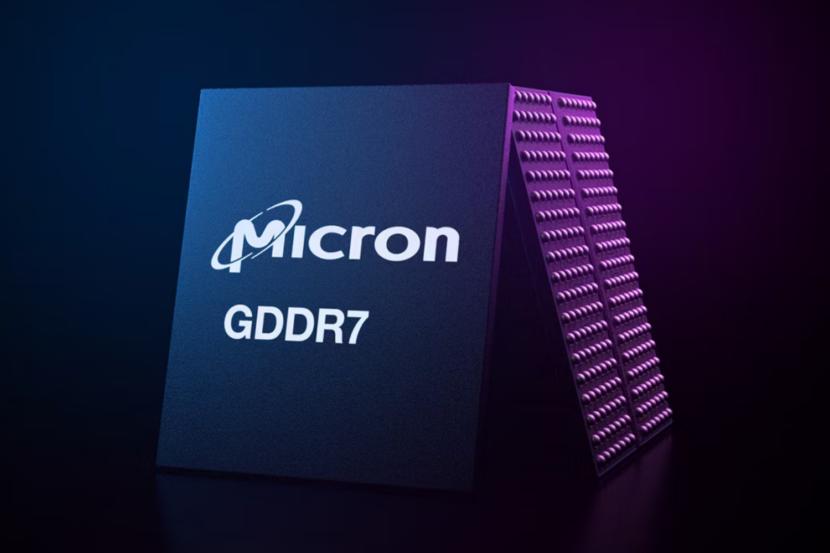
- Revenue Growth Comparison: Micron reported a staggering 346% year-over-year revenue increase to $41.5 billion in its latest quarter, exceeding its guidance of $33.5 billion, while Alphabet's revenue grew 22% year-over-year to over $109 billion in the same quarter, highlighting Micron's robust short-term performance.
- Valuation Discrepancy: Despite Micron's stock appearing cheaper after its rapid growth, with a forward P/E ratio more attractive than Alphabet's 24, the core business faces risks from potential declines in data center demand, necessitating careful evaluation of its long-term sustainability by investors.
- Investment Choice Recommendation: While Micron shows exceptional short-term results, it faces execution risks in the future, whereas Alphabet offers a more stable investment option suitable for those seeking lower volatility, suggesting that investors should choose based on their risk tolerance.

AI Investment Trends: Comparing Alphabet and Micron
- Long-Term Advantage of Alphabet: Alphabet's broad AI strategy excels across nearly all areas, particularly with its Gemini generative AI platform integrated into Google Search, providing AI search summaries for nearly every result, which is expected to further drive its cloud computing business's 63% revenue growth.
- Micron's Short-Term Surge: Micron reported a staggering 346% year-over-year revenue increase to $41.5 billion in its latest quarter, exceeding its guidance of $33.5 billion, with expectations of reaching $50 billion next quarter, showcasing its strong performance amid surging demand for memory chips.
- Valuation Comparison Challenges: While Alphabet's forward P/E ratio stands at 24, typical for large tech stocks, Micron's valuation is difficult to compare directly due to its fiscal year ending in August and potential risks of core business strength erosion in the coming years.
- Cautious Investment Choices: Although Micron won this analysis, it requires close monitoring and faces execution risks beyond 2027, making Alphabet a solid AI stock pick for investors seeking less volatility and more stable returns.

Wall Street Kicks Off Q3 with Mixed Results

- Market Overview: Wall Street kicked off Q3 with mixed results after a strong first half in 2026, as the S&P 500 remained flat while the Dow reached a record close during a holiday-shortened week, indicating market sensitivity to economic data.
- Tech Stock Volatility: The Nasdaq faced back-to-back losses with semiconductor stocks dropping 6.3% on Wednesday and 5.4% on Thursday, reflecting investor caution despite an overall weekly market uptick.
- AI Boosts Cybersecurity Stocks: Cybersecurity stocks surged due to the AI boom, with Palo Alto Networks and CrowdStrike gaining 14.5% and 10.7% respectively, showcasing increased investor confidence in cybersecurity investments.
- Meta's Cloud Business Outlook: Meta Platforms announced plans to launch a cloud infrastructure business, leading to an over 8% jump in shares on Wednesday, indicating the company is addressing investor concerns about its capital expenditures by seeking new revenue streams through AI computing power sales.

Meta Plans Cloud Business to Boost Revenue Amid High Spending


- Increased Capital Expenditure: Meta raised its 2026 capital expenditure guidance to between $125 billion and $145 billion in April, leading to a nearly 15% drop in stock price, indicating market concerns over high spending.
- Cloud Business Concept: According to Bloomberg, Meta is developing a cloud business called Meta Compute, which plans to offer AI computing power to developers, potentially altering the return calculations on its capital expenditures.
- Core Business Growth: Meta's first-quarter revenue rose 33% year-over-year to $56.3 billion, indicating that its AI investments are beginning to yield returns, although the cloud business remains unconfirmed.
- Reasonable Market Valuation: Following the stock's rise, Meta trades at about 21 times earnings, reflecting market skepticism about its spending; however, with accelerating core growth, the stock is still considered a worthwhile investment.
Macron and Modi Lead AI Investment Charm Offensive
- Investment Attraction Strategy: French President Macron and Indian Prime Minister Modi are actively courting global tech giants for investments, particularly SoftBank's multi-billion dollar commitment in France, highlighting the urgency and strategic collaboration in AI infrastructure development.
- Infrastructure Commitment: SoftBank's plan to build 3.1 GW of AI data centers in France as part of a €75 billion program underscores France's significant role in the global AI ecosystem and reflects Macron's commitment to energy supply.
- Global Collaboration Opportunities: Modi's meetings with tech leaders at the Global AI Summit resulted in commitments of hundreds of billions of dollars, emphasizing India's potential and future in AI, aiming to attract more foreign investment to enhance domestic AI infrastructure.
- Technological Self-Reliance Development: The Indian government is offering long-term tax breaks to attract hyperscalers to build AI data centers, demonstrating its urgency in the global AI race while promoting local semiconductor industry development to reduce reliance on external technologies.
France and India Accelerate AI Investment Race
- Personal Outreach: French President Macron and Indian Prime Minister Modi are actively courting major tech CEOs to secure investments in AI data centers and cloud infrastructure, reflecting both countries' urgency and determination in the global AI competition.
- Major Investment Commitments: India has secured a record $48 billion investment from Amazon, with $21 billion allocated for AI and cloud infrastructure, indicating India's success in attracting foreign capital and further solidifying its position in the global AI ecosystem.
- Expansion of French AI Infrastructure: SoftBank plans to build 3.1 GW of AI data centers in France by 2031 as part of a €75 billion program, with Macron leveraging personal relationships to drive this project, showcasing France's strategic positioning in the AI sector.
- Global Collaboration and Technology Acquisition: India has reached agreements worth hundreds of billions with companies like Microsoft and Google to bolster domestic AI infrastructure, while also encouraging local firms to develop semiconductor capabilities, aiming to enhance the country's standing in the global AI race.
Comparative Investment Outlook for Alphabet and Micron
- AI Strategic Advantage: Alphabet's extensive strategy in artificial intelligence has led to strong performance across multiple areas, particularly with its Gemini generative AI platform being widely integrated into Google Search, enhancing AI summary features for search results and likely boosting user experience and market share.
- Revenue Growth Comparison: Micron reported a staggering 346% year-over-year revenue increase to $41.5 billion in its latest quarter, exceeding its guidance of $33.5 billion, while Alphabet's revenue grew 22% year-over-year to over $109 billion in the same quarter, highlighting Micron's robust short-term performance.
- Valuation Discrepancy: Despite Micron's stock appearing cheaper after its rapid growth, with a forward P/E ratio more attractive than Alphabet's 24, the core business faces risks from potential declines in data center demand, necessitating careful evaluation of its long-term sustainability by investors.
- Investment Choice Recommendation: While Micron shows exceptional short-term results, it faces execution risks in the future, whereas Alphabet offers a more stable investment option suitable for those seeking lower volatility, suggesting that investors should choose based on their risk tolerance.
AI Investment Trends: Comparing Alphabet and Micron
- Long-Term Advantage of Alphabet: Alphabet's broad AI strategy excels across nearly all areas, particularly with its Gemini generative AI platform integrated into Google Search, providing AI search summaries for nearly every result, which is expected to further drive its cloud computing business's 63% revenue growth.
- Micron's Short-Term Surge: Micron reported a staggering 346% year-over-year revenue increase to $41.5 billion in its latest quarter, exceeding its guidance of $33.5 billion, with expectations of reaching $50 billion next quarter, showcasing its strong performance amid surging demand for memory chips.
- Valuation Comparison Challenges: While Alphabet's forward P/E ratio stands at 24, typical for large tech stocks, Micron's valuation is difficult to compare directly due to its fiscal year ending in August and potential risks of core business strength erosion in the coming years.
- Cautious Investment Choices: Although Micron won this analysis, it requires close monitoring and faces execution risks beyond 2027, making Alphabet a solid AI stock pick for investors seeking less volatility and more stable returns.
Wall Street Kicks Off Q3 with Mixed Results
- Market Overview: Wall Street kicked off Q3 with mixed results after a strong first half in 2026, as the S&P 500 remained flat while the Dow reached a record close during a holiday-shortened week, indicating market sensitivity to economic data.
- Tech Stock Volatility: The Nasdaq faced back-to-back losses with semiconductor stocks dropping 6.3% on Wednesday and 5.4% on Thursday, reflecting investor caution despite an overall weekly market uptick.
- AI Boosts Cybersecurity Stocks: Cybersecurity stocks surged due to the AI boom, with Palo Alto Networks and CrowdStrike gaining 14.5% and 10.7% respectively, showcasing increased investor confidence in cybersecurity investments.
- Meta's Cloud Business Outlook: Meta Platforms announced plans to launch a cloud infrastructure business, leading to an over 8% jump in shares on Wednesday, indicating the company is addressing investor concerns about its capital expenditures by seeking new revenue streams through AI computing power sales.
Meta Plans Cloud Business to Boost Revenue Amid High Spending
- Increased Capital Expenditure: Meta raised its 2026 capital expenditure guidance to between $125 billion and $145 billion in April, leading to a nearly 15% drop in stock price, indicating market concerns over high spending.
- Cloud Business Concept: According to Bloomberg, Meta is developing a cloud business called Meta Compute, which plans to offer AI computing power to developers, potentially altering the return calculations on its capital expenditures.
- Core Business Growth: Meta's first-quarter revenue rose 33% year-over-year to $56.3 billion, indicating that its AI investments are beginning to yield returns, although the cloud business remains unconfirmed.
- Reasonable Market Valuation: Following the stock's rise, Meta trades at about 21 times earnings, reflecting market skepticism about its spending; however, with accelerating core growth, the stock is still considered a worthwhile investment.