Oil Stocks Rally On Anticipation Of Stricter Russian Sanctions: Here's How ETFs Are Reacting



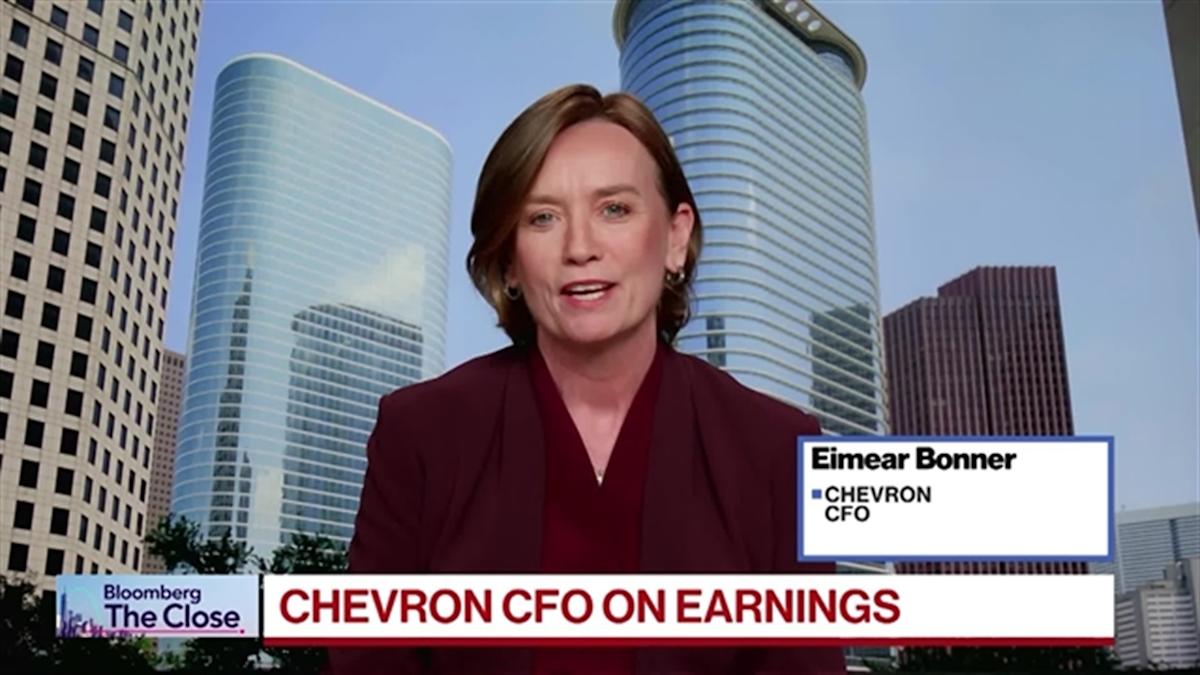
Oil Prices and Energy Stocks Surge: Oil prices have risen to $80 per barrel due to anticipated stringent U.S. sanctions against Russian oil, benefiting major energy companies like Chevron, Occidental Petroleum, and ConocoPhillips.
Impact on ETFs and Market Dynamics: Several oil-focused ETFs, such as the United States Oil Fund and Invesco DB Oil Fund, are seeing gains; however, concerns about weaker demand from China could affect prices in the long term.
Trade with 70% Backtested Accuracy
Analyst Views on DBO
About the author


TRUMP: POSITIVE DISCUSSIONS ON IRAN OVER THE PAST DAY


- Trump's Recent Talks: Donald Trump has engaged in discussions regarding Iran over the past 24 hours.
- Focus on Iran: The conversations have been characterized as very positive, indicating a potential shift in diplomatic relations.

IRAN STICKS TO HARDLINE POSITION—WAR WILL PERSIST, DISMISSES U.S. TIMELINE, RESPONDS COLDLY TO PROPOSAL, AND ASSERTS SOVEREIGNTY OVER THE STRAIT OF HORMUZ.


Iran's Stance on War: Iran maintains a hardline stance regarding ongoing conflicts, indicating that war will continue despite external pressures.
Rejection of U.S. Proposals: The Iranian government has rejected the U.S. timeline for negotiations and proposals related to regional security.
Response to U.S. Actions: Iran's leadership has issued a lukewarm response to U.S. proposals, signaling a lack of interest in compromise.
Demand for Sovereignty: Iran emphasizes its demand for sovereignty over the Strait of Hormuz, asserting its rights in the region amidst international tensions.
PRESIDENT DONALD TRUMP DESCRIBES INITIAL U.S.-IRAN DISCUSSIONS AS "EXCELLENT," STATING TEHRAN SEEKS PEACE AND HAS COMMITTED TO AVOIDING NUCLEAR WEAPONS.


Trump's Remarks on Talks: President Donald Trump described the preliminary U.S.-Iran talks as "very, very good."
Iran's Stance on Peace: Iran, represented by Tehran, expressed a desire for peace and has agreed not to pursue nuclear weapons.
BARCLAYS: BRENT MAY REACH $120 PER BARREL


- Barclays Update: Barclays has indicated a potential test price of $120 for Brent crude oil.
- Market Implications: This price point could have significant implications for the oil market and related investments.

DIA Poised to Break 100-DMA for the First Time in More Than Eight Months


Market Decline: The S&P 500 ETF Trust and the Invesco QQQ Trust experienced significant declines of 1.7% and over 2%, respectively, amid a broader market downturn influenced by geopolitical tensions in the Middle East.
Strength of the Dollar: The U.S. Dollar Index reached its highest level since January 19, driven by rising interest rate expectations due to inflationary risks stemming from ongoing conflicts, which negatively impacted gold prices.
Oil Prices Surge: West Texas Intermediate crude futures rose by 7.8% to $76.78 per barrel, while Brent crude contracts jumped 2.5% to $72.50 per barrel, reflecting increased market volatility and inflation concerns.
Investor Sentiment: Retail trading volumes surged for the Invesco QQQ Trust, indicating heightened investor activity, although overall sentiment remained bearish, particularly in tech stocks, as major companies like Goldman Sachs and Microsoft saw declines.
US Natural Gas Futures Drop to Lowest Levels in Over 3 Weeks – KOLD Rises by 13%


Natural Gas Futures Decline: March natural gas futures at Henry Hub fell over 7% to approximately $3.18 per MMBtu, following a three-day rally influenced by increased drilling activity reported in the Haynesville shale.
Weather Impact on Demand: Forecasts for warmer weather across much of the U.S. could potentially reduce demand for heating fuel, contributing to the decline in natural gas prices.
Increased Drilling Activity: The U.S. gas rig count rose by seven to a total of 130, indicating higher future supply, which may further weigh on prices.
ETFs Performance: ProShares Ultra Short Bloomberg Natural Gas ETF (KOLD) saw a sharp decline of over 13%, while the ProShares Ultra Bloomberg Natural Gas ETF (BOIL) slid about 14%, reflecting bearish sentiment among investors.
TRUMP: POSITIVE DISCUSSIONS ON IRAN OVER THE PAST DAY
- Trump's Recent Talks: Donald Trump has engaged in discussions regarding Iran over the past 24 hours.
- Focus on Iran: The conversations have been characterized as very positive, indicating a potential shift in diplomatic relations.
IRAN STICKS TO HARDLINE POSITION—WAR WILL PERSIST, DISMISSES U.S. TIMELINE, RESPONDS COLDLY TO PROPOSAL, AND ASSERTS SOVEREIGNTY OVER THE STRAIT OF HORMUZ.
Iran's Stance on War: Iran maintains a hardline stance regarding ongoing conflicts, indicating that war will continue despite external pressures.
Rejection of U.S. Proposals: The Iranian government has rejected the U.S. timeline for negotiations and proposals related to regional security.
Response to U.S. Actions: Iran's leadership has issued a lukewarm response to U.S. proposals, signaling a lack of interest in compromise.
Demand for Sovereignty: Iran emphasizes its demand for sovereignty over the Strait of Hormuz, asserting its rights in the region amidst international tensions.
PRESIDENT DONALD TRUMP DESCRIBES INITIAL U.S.-IRAN DISCUSSIONS AS "EXCELLENT," STATING TEHRAN SEEKS PEACE AND HAS COMMITTED TO AVOIDING NUCLEAR WEAPONS.
Trump's Remarks on Talks: President Donald Trump described the preliminary U.S.-Iran talks as "very, very good."
Iran's Stance on Peace: Iran, represented by Tehran, expressed a desire for peace and has agreed not to pursue nuclear weapons.
BARCLAYS: BRENT MAY REACH $120 PER BARREL
- Barclays Update: Barclays has indicated a potential test price of $120 for Brent crude oil.
- Market Implications: This price point could have significant implications for the oil market and related investments.
DIA Poised to Break 100-DMA for the First Time in More Than Eight Months
Market Decline: The S&P 500 ETF Trust and the Invesco QQQ Trust experienced significant declines of 1.7% and over 2%, respectively, amid a broader market downturn influenced by geopolitical tensions in the Middle East.
Strength of the Dollar: The U.S. Dollar Index reached its highest level since January 19, driven by rising interest rate expectations due to inflationary risks stemming from ongoing conflicts, which negatively impacted gold prices.
Oil Prices Surge: West Texas Intermediate crude futures rose by 7.8% to $76.78 per barrel, while Brent crude contracts jumped 2.5% to $72.50 per barrel, reflecting increased market volatility and inflation concerns.
Investor Sentiment: Retail trading volumes surged for the Invesco QQQ Trust, indicating heightened investor activity, although overall sentiment remained bearish, particularly in tech stocks, as major companies like Goldman Sachs and Microsoft saw declines.
US Natural Gas Futures Drop to Lowest Levels in Over 3 Weeks – KOLD Rises by 13%
Natural Gas Futures Decline: March natural gas futures at Henry Hub fell over 7% to approximately $3.18 per MMBtu, following a three-day rally influenced by increased drilling activity reported in the Haynesville shale.
Weather Impact on Demand: Forecasts for warmer weather across much of the U.S. could potentially reduce demand for heating fuel, contributing to the decline in natural gas prices.
Increased Drilling Activity: The U.S. gas rig count rose by seven to a total of 130, indicating higher future supply, which may further weigh on prices.
ETFs Performance: ProShares Ultra Short Bloomberg Natural Gas ETF (KOLD) saw a sharp decline of over 13%, while the ProShares Ultra Bloomberg Natural Gas ETF (BOIL) slid about 14%, reflecting bearish sentiment among investors.