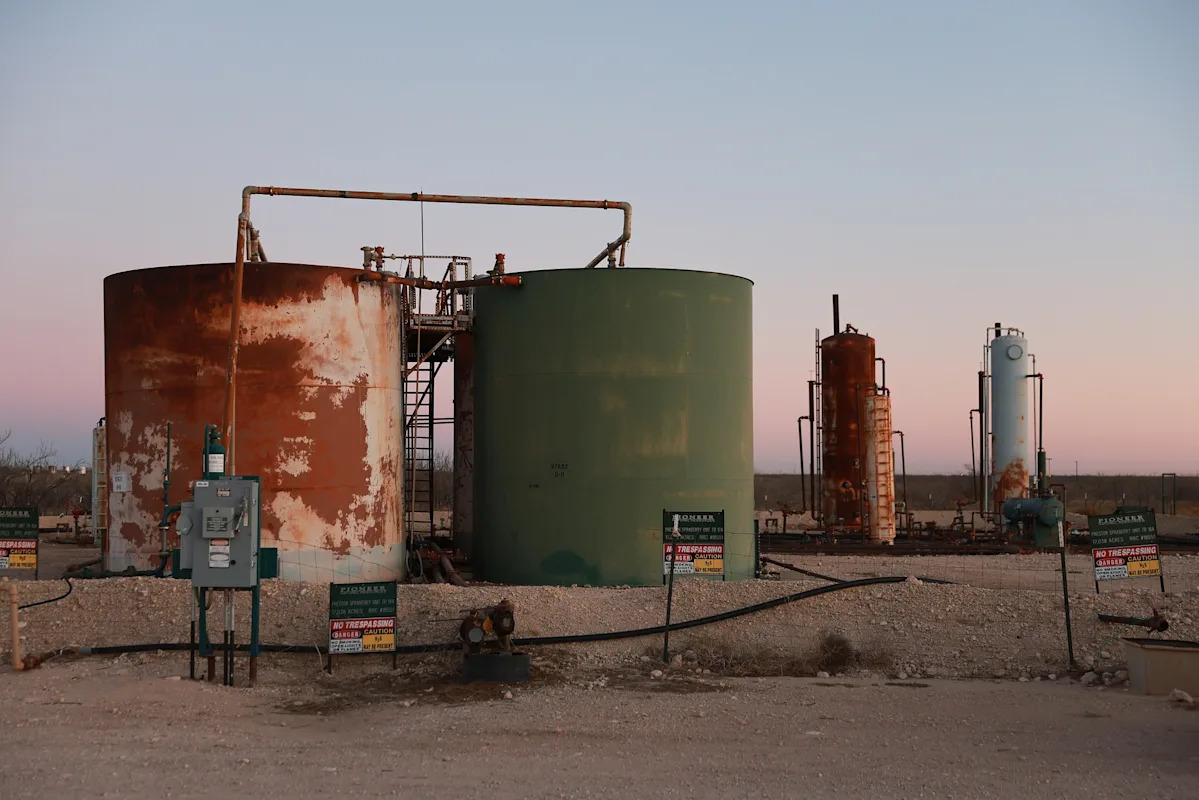
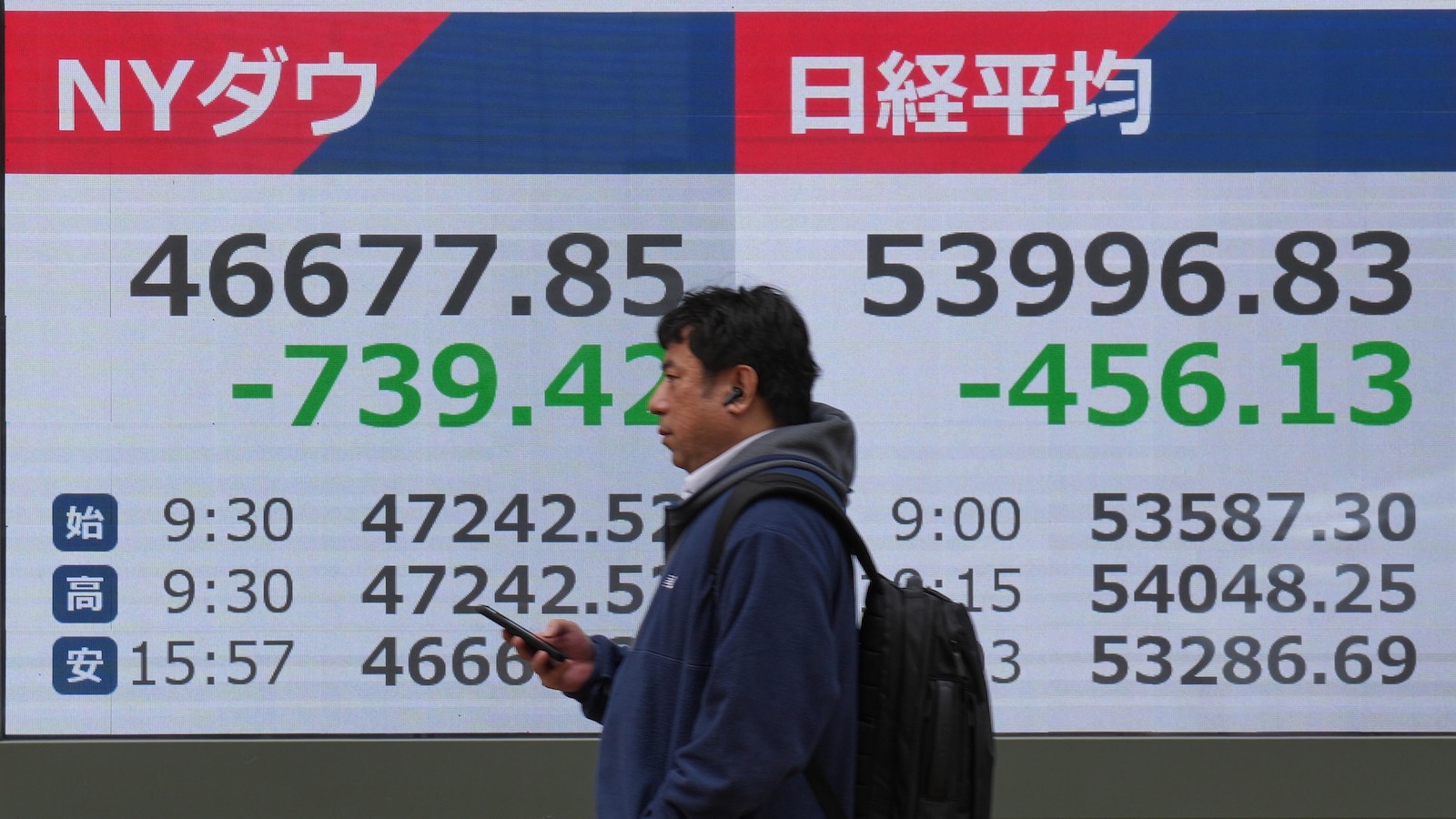
Oil Drops to $55, Leading to Worst Day for Energy Stocks Since April


Oil and Gas Market Decline: Oil and gas stocks experienced a significant selloff as crude prices fell to their lowest levels since January 2021, driven by expectations of a potential peace deal in Ukraine and concerns over supply.
Ceasefire Optimism: Renewed optimism regarding a ceasefire in the Russia-Ukraine conflict has contributed to the decline in oil prices, with U.S. and Ukrainian officials reporting progress in negotiations.
Labor Market Indicators: The U.S. labor market showed signs of cooling, with lower payroll growth and an increase in the unemployment rate, further impacting market sentiment.
Worst Performing Energy Stocks: Several major energy stocks, including Phillips 66 and Marathon Petroleum, saw significant declines, with the Energy Select Sector SPDR Fund experiencing its worst session since April 2025.
Trade with 70% Backtested Accuracy
Analyst Views on USO
About the author


Oil Prices Climb Near $100 Following President Trump's Major SPR Drawdown Order — Trader Casually Secures $1.28M Profit


Crude Oil Prices Surge: Crude oil prices have risen back toward $100 per barrel, with WTI trading around $99.30, amid rising tensions in the Middle East and disruptions in international oil flows.
Strategic Petroleum Reserve Drawdown: The Trump administration has initiated a significant drawdown of the Strategic Petroleum Reserve, seeking bids to trade 86 million barrels as part of a larger release of 400 million barrels to alleviate pressure on fuel prices.
Market Reactions and Trading Activity: A trader anticipated the price rally by opening a long crude position at approximately $85.38, reflecting a floating profit of over $1.28 million as oil prices surged.
Government Plans for Future Releases: The U.S. Department of Energy plans to release 172 million barrels from the Strategic Petroleum Reserve, with deliveries expected to begin next week and continue for about four months, while also planning to replenish around 200 million barrels within the next year.
Economist Justin Wolfers Predicts Elevated Oil Prices During Midterm Elections


Midterm Elections Focus: The Trump administration is preparing for the upcoming midterm elections in November, with affordability expected to be a central theme, particularly as oil prices are likely to rise due to ongoing geopolitical tensions.
Oil Price Predictions: Analysts predict that oil prices will remain elevated, potentially exceeding $100 per barrel, influenced by the war in Iran and disruptions in the Strait of Hormuz, which is a critical energy shipping route.
Strategic Petroleum Reserve: The administration is considering tapping into the Strategic Petroleum Reserve and may issue temporary waivers for foreign tankers to deliver fuel from the Gulf Coast to alleviate rising prices.
Economic Concerns: Despite measures to stabilize prices, experts believe the impact of the war on oil and gas prices will persist, complicating efforts to return to normal economic conditions in the near future.
Stocks That Investors Are Purchasing During the Market Decline


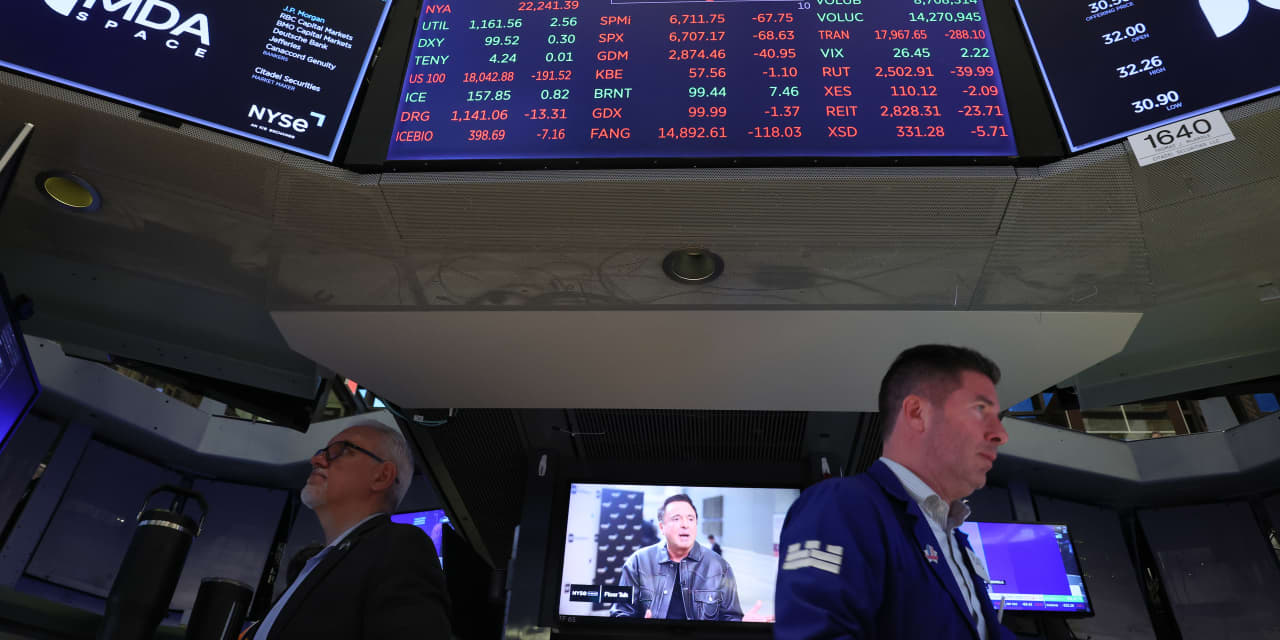
- Market Performance: Stocks continued to decline on Thursday, marking a poor start to March.
- Retail Trading Insights: J.P. Morgan's weekly report reveals the buying patterns of noninstitutional investors.
US Navy to Begin Escorting Vessels in Strait of Hormuz Soon, Bessent Reports as Oil Prices Exceed $100 Again

U.S. Costs of the Iran War: The Iran war has cost the U.S. approximately $11 billion so far, with rising crude oil prices exceeding $100 per barrel amid escalating tensions.
Oil Price Predictions: A former IMF economist suggested that oil prices could surge to $200 per barrel due to the ongoing conflict, compounding existing risks in the market.
Military Escort Plans: U.S. Treasury Secretary Scott Bessent indicated that the Navy will escort ships through the Strait of Hormuz as soon as militarily feasible, potentially involving an international coalition.
Stock Market Impact: U.S. stocks faced pressure, with major indices closing lower, reflecting bearish sentiment in the market, while oil prices continued to rise without significantly impacting the overall economy.
48% of Americans Attribute Rising Gas Prices to Trump

Gas Prices Increase: A recent poll indicates that 74% of Americans believe gas prices have risen this year, with 48% attributing the increase to President Donald Trump and his administration.
Short-Term Disruptions: The White House spokesperson stated that the current gas price increases are considered short-term disruptions, suggesting that prices may drop once military objectives are achieved and the Iranian regime is neutralized.
International Response: In response to market disruptions caused by the conflict in the Middle East, the International Energy Agency announced a unanimous agreement among its member countries to release 400 million barrels of oil from emergency reserves.
Market Trends: Despite rising gas prices, U.S. equities have seen a downturn, with various ETFs tracking major indices experiencing declines, while West Texas Intermediate crude oil prices have increased by 9.6%.
Trump Administration Set to Halt Jones Act as Crude Oil Prices Exceed $100 Per Barrel Again: Report
Jones Act Overview: The Merchant Marine Act of 1920, commonly known as the Jones Act, mandates that domestic shipping between U.S. ports must be conducted using ships that are American-built, owned, and crewed.
Temporary Waivers Consideration: The Trump administration is reportedly planning to issue temporary waivers for the Jones Act to allow foreign tankers to supply fuel to East Coast refiners amid rising crude oil prices due to the Iran war.
Current Oil Prices and Market Impact: Crude oil prices have surged past $100 per barrel, with U.S. West Texas Intermediate futures experiencing significant increases, reflecting market volatility influenced by geopolitical tensions.
Iran's Stance on Strait of Hormuz: Iran's new Supreme Leader has stated that the Strait of Hormuz will remain closed, warning that U.S. bases in the region will be attacked if they are not shut down, escalating regional tensions.
Oil Prices Climb Near $100 Following President Trump's Major SPR Drawdown Order — Trader Casually Secures $1.28M Profit
Crude Oil Prices Surge: Crude oil prices have risen back toward $100 per barrel, with WTI trading around $99.30, amid rising tensions in the Middle East and disruptions in international oil flows.
Strategic Petroleum Reserve Drawdown: The Trump administration has initiated a significant drawdown of the Strategic Petroleum Reserve, seeking bids to trade 86 million barrels as part of a larger release of 400 million barrels to alleviate pressure on fuel prices.
Market Reactions and Trading Activity: A trader anticipated the price rally by opening a long crude position at approximately $85.38, reflecting a floating profit of over $1.28 million as oil prices surged.
Government Plans for Future Releases: The U.S. Department of Energy plans to release 172 million barrels from the Strategic Petroleum Reserve, with deliveries expected to begin next week and continue for about four months, while also planning to replenish around 200 million barrels within the next year.
Economist Justin Wolfers Predicts Elevated Oil Prices During Midterm Elections
Midterm Elections Focus: The Trump administration is preparing for the upcoming midterm elections in November, with affordability expected to be a central theme, particularly as oil prices are likely to rise due to ongoing geopolitical tensions.
Oil Price Predictions: Analysts predict that oil prices will remain elevated, potentially exceeding $100 per barrel, influenced by the war in Iran and disruptions in the Strait of Hormuz, which is a critical energy shipping route.
Strategic Petroleum Reserve: The administration is considering tapping into the Strategic Petroleum Reserve and may issue temporary waivers for foreign tankers to deliver fuel from the Gulf Coast to alleviate rising prices.
Economic Concerns: Despite measures to stabilize prices, experts believe the impact of the war on oil and gas prices will persist, complicating efforts to return to normal economic conditions in the near future.
Stocks That Investors Are Purchasing During the Market Decline
- Market Performance: Stocks continued to decline on Thursday, marking a poor start to March.
- Retail Trading Insights: J.P. Morgan's weekly report reveals the buying patterns of noninstitutional investors.
US Navy to Begin Escorting Vessels in Strait of Hormuz Soon, Bessent Reports as Oil Prices Exceed $100 Again
U.S. Costs of the Iran War: The Iran war has cost the U.S. approximately $11 billion so far, with rising crude oil prices exceeding $100 per barrel amid escalating tensions.
Oil Price Predictions: A former IMF economist suggested that oil prices could surge to $200 per barrel due to the ongoing conflict, compounding existing risks in the market.
Military Escort Plans: U.S. Treasury Secretary Scott Bessent indicated that the Navy will escort ships through the Strait of Hormuz as soon as militarily feasible, potentially involving an international coalition.
Stock Market Impact: U.S. stocks faced pressure, with major indices closing lower, reflecting bearish sentiment in the market, while oil prices continued to rise without significantly impacting the overall economy.
48% of Americans Attribute Rising Gas Prices to Trump
Gas Prices Increase: A recent poll indicates that 74% of Americans believe gas prices have risen this year, with 48% attributing the increase to President Donald Trump and his administration.
Short-Term Disruptions: The White House spokesperson stated that the current gas price increases are considered short-term disruptions, suggesting that prices may drop once military objectives are achieved and the Iranian regime is neutralized.
International Response: In response to market disruptions caused by the conflict in the Middle East, the International Energy Agency announced a unanimous agreement among its member countries to release 400 million barrels of oil from emergency reserves.
Market Trends: Despite rising gas prices, U.S. equities have seen a downturn, with various ETFs tracking major indices experiencing declines, while West Texas Intermediate crude oil prices have increased by 9.6%.
Trump Administration Set to Halt Jones Act as Crude Oil Prices Exceed $100 Per Barrel Again: Report
Jones Act Overview: The Merchant Marine Act of 1920, commonly known as the Jones Act, mandates that domestic shipping between U.S. ports must be conducted using ships that are American-built, owned, and crewed.
Temporary Waivers Consideration: The Trump administration is reportedly planning to issue temporary waivers for the Jones Act to allow foreign tankers to supply fuel to East Coast refiners amid rising crude oil prices due to the Iran war.
Current Oil Prices and Market Impact: Crude oil prices have surged past $100 per barrel, with U.S. West Texas Intermediate futures experiencing significant increases, reflecting market volatility influenced by geopolitical tensions.
Iran's Stance on Strait of Hormuz: Iran's new Supreme Leader has stated that the Strait of Hormuz will remain closed, warning that U.S. bases in the region will be attacked if they are not shut down, escalating regional tensions.