

Ofgem Approves Tesla Energy Ventures' Electricity Supply License
Written by Emily J. Thompson, Senior Investment Analyst
Updated: Mar 12 2026
0mins
Source: seekingalpha
- License Approval: Ofgem has granted Tesla Energy Ventures Limited, a subsidiary of Tesla, an electricity supply license, enabling the company to provide power to households and businesses across Britain, marking a significant expansion into the UK energy market.
- Compliance Monitoring: Ofgem stated that Tesla Energy Ventures Limited will be subject to the same obligations and monitoring as other suppliers, ensuring consumer protection and market fairness, thereby enhancing trust in the energy sector.
- Regulatory Measures: Ofgem will monitor Tesla's compliance under the Electricity Act 1989 and Standard Licence Conditions, with the authority to impose financial penalties or take enforcement actions if necessary, ensuring adherence to regulations.
- Historical Context: Tesla was granted an electricity generation license in June 2020, but this license was not relevant to the application of Tesla Energy Ventures Limited, illustrating Tesla's diversified strategy in the energy sector.
Trade with 70% Backtested Accuracy
Stop guessing "Should I Buy TSLA?" and start using high-conviction signals backed by rigorous historical data.
Sign up today to access powerful investing tools and make smarter, data-driven decisions.
Analyst Views on TSLA
Wall Street analysts forecast TSLA stock price to fall
30 Analyst Rating
12 Buy
11 Hold
7 Sell
Hold
Current: 442.100

Low
25.28
Averages
401.93
High
600.00
Current: 442.100
Low
25.28
Averages
401.93
High
600.00
About TSLA
Tesla, Inc. designs, develops, manufactures, sells and leases high-performance fully electric vehicles and energy generation and storage systems, and offers services related to its products. Its segments include automotive, and energy generation and storage. The automotive segment includes the design, development, manufacturing, sales and leasing of high-performance fully electric vehicles, and sales of automotive regulatory credits. It also includes sales of used vehicles, non-warranty maintenance services and collisions, part sales, paid supercharging, insurance services revenue and retail merchandise sales. The energy generation and storage segment include the design, manufacture, installation, sales and leasing of solar energy generation and energy storage products and related services and sales of solar energy systems incentives. Its consumer vehicles include the Model 3, Y, S, X and Cybertruck. Its lithium-ion battery energy storage products include Powerwall and Megapack.
About the author

Emily J. Thompson
Emily J. Thompson, a Chartered Financial Analyst (CFA) with 12 years in investment research, graduated with honors from the Wharton School. Specializing in industrial and technology stocks, she provides in-depth analysis for Intellectia’s earnings and market brief reports.
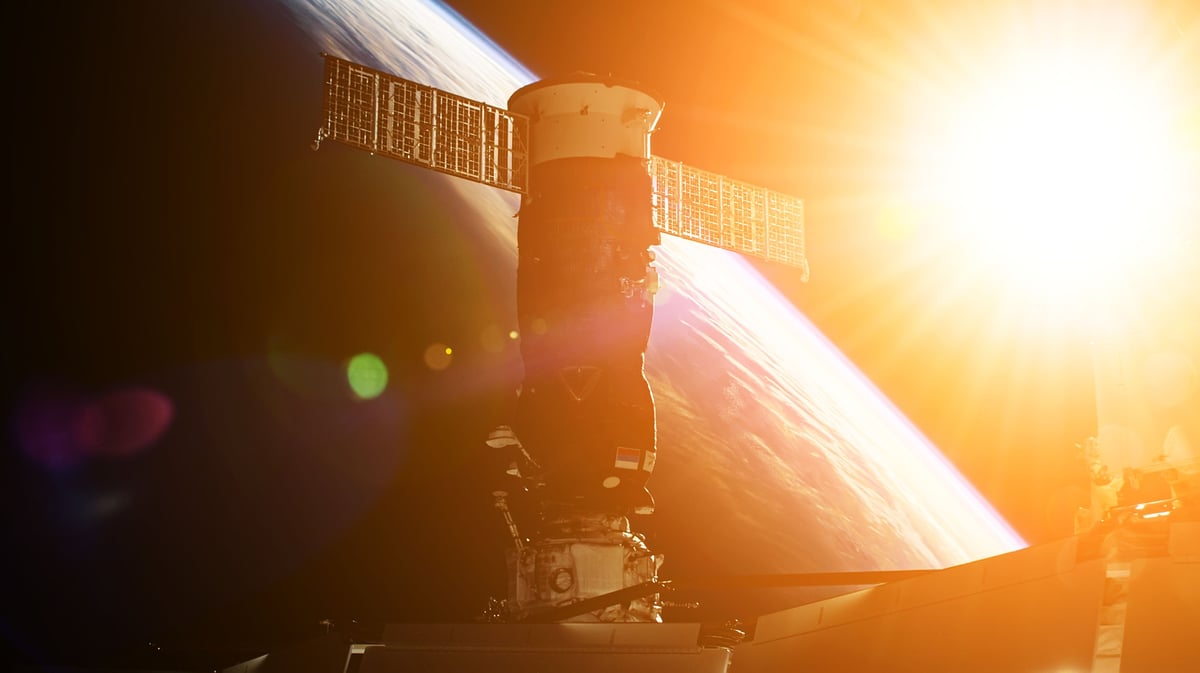
Impact of SpaceX IPO on Tesla

- Investor Attention Shift: The planned SpaceX IPO could lead investors to divert their attention and capital away from Tesla, particularly given SpaceX's rapid growth potential across multiple industries, which may exert short-term pressure on Tesla's stock price.
- Increased Market Competition: With SpaceX going public, many retail investors might opt to reduce their Tesla holdings to invest in SpaceX, and this capital shift could impact Tesla's market performance, especially in a context of limited investor capital.
- Ecosystem Strategy Reinforcement: Despite the short-term risks, SpaceX's successful IPO could enhance investor confidence in Musk's technology ecosystem, thereby indirectly supporting Tesla's long-term growth potential in artificial intelligence and autonomous driving.
- Governance Risks Rising: As Musk manages multiple companies simultaneously, investors may begin to scrutinize whether Tesla receives fair value from partnerships with SpaceX and whether Musk's attention is too divided, which could lead to greater scrutiny of Tesla's stock during market volatility.
See More
Robotaxi Market Poised for Trillion-Dollar Growth
- Massive Market Potential: A McKinsey survey indicates that experts predict private self-driving vehicles will become a global reality by 2032, while robotaxis are expected to scale significantly by 2030, suggesting a rapidly growing market demand that could yield trillions in economic opportunities.
- Tesla's Competitive Edge: Tesla has commenced production of its Cybercab robotaxi, with costs significantly lower than competitors, and its integrated manufacturing capabilities allow for faster and cheaper production, positioning the company favorably in the emerging market.
- Rapid Expansion Plans: Tesla has launched robotaxi pilot programs in three Texas cities and plans to expand quickly over the next 12 to 24 months, with CEO Elon Musk expecting widespread service in the U.S. by year-end, despite ongoing safety and technical challenges.
- Valuation Outlook: Cathie Wood forecasts the global autonomous taxi market could reach $8 trillion to $10 trillion, highlighting how quickly AI technology will drive market growth, with Tesla likely to be a major beneficiary in this evolving landscape.
See More
Impact of SpaceX IPO on Tesla Investors
- Investor Attention Shift: The planned SpaceX IPO could attract a significant number of investors, leading some Tesla shareholders to reduce their positions in favor of SpaceX, thereby exerting short-term pressure on Tesla's stock, particularly as SpaceX's valuation approaches $1.5 trillion.
- Increased Market Competition: With SpaceX going public, Tesla may face competition from emerging companies, especially given SpaceX's rapid growth in reusable rockets and satellite internet, which could divert investor attention and capital away from Tesla.
- Ecosystem Synergy: Despite short-term challenges, SpaceX's successful IPO could enhance Tesla's long-term narrative, as the collaboration between the two companies may lead investors to view Musk's ventures as interconnected parts of a broader technology ecosystem.
- Governance Risks Rising: Musk's simultaneous management of multiple companies raises concerns among investors about whether Tesla receives fair value from partnerships with SpaceX and others, particularly if Tesla's growth slows, which could lead to increased stock volatility.
See More
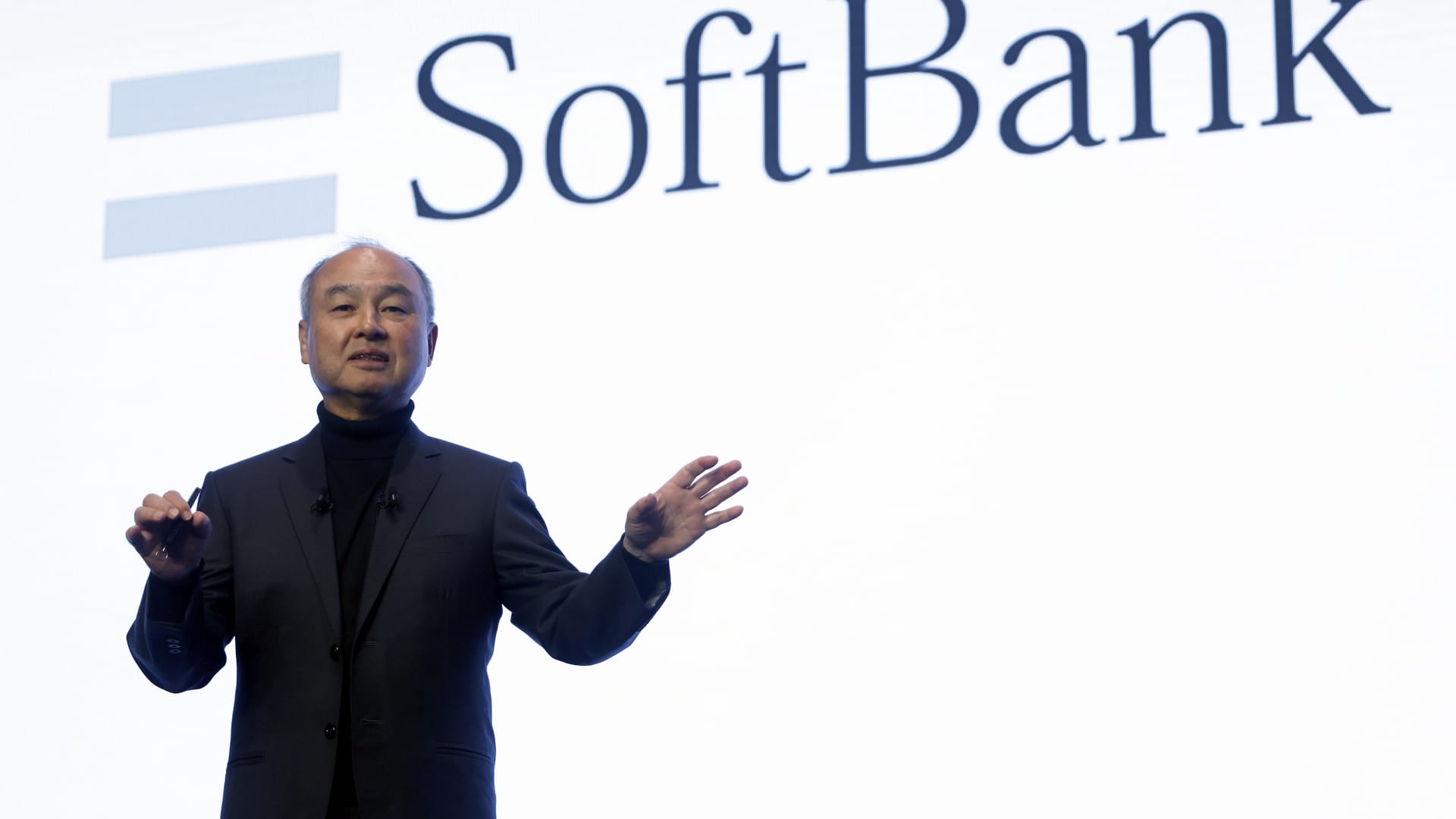
SoftBank Commits €75 Billion to AI Infrastructure in France


- SoftBank's Investment Scale: SoftBank Group announced a €75 billion commitment to AI infrastructure in France, marking its largest investment in Europe and highlighting France's leading position in AI infrastructure, which is expected to boost local economic growth.
- Positive Market Reaction: The announcement of SoftBank's investment propelled the Nikkei 225 index above 67,000 for the first time, reflecting strong market confidence in AI-related investments and further solidifying SoftBank's status as Japan's most valuable company.
- Industry Leaders Speak: CEO Masayoshi Son emphasized during an event in Tokyo that advancements in artificial intelligence will create unprecedented job opportunities, indicating the company's optimistic outlook on future technological developments, which may attract more investor interest.
- Global Market Dynamics: As oil prices rise due to escalating tensions in Iran, global markets exhibit volatility influenced by both AI advancements and geopolitical risks, prompting investors to closely monitor these factors' potential impacts on the market.
See More
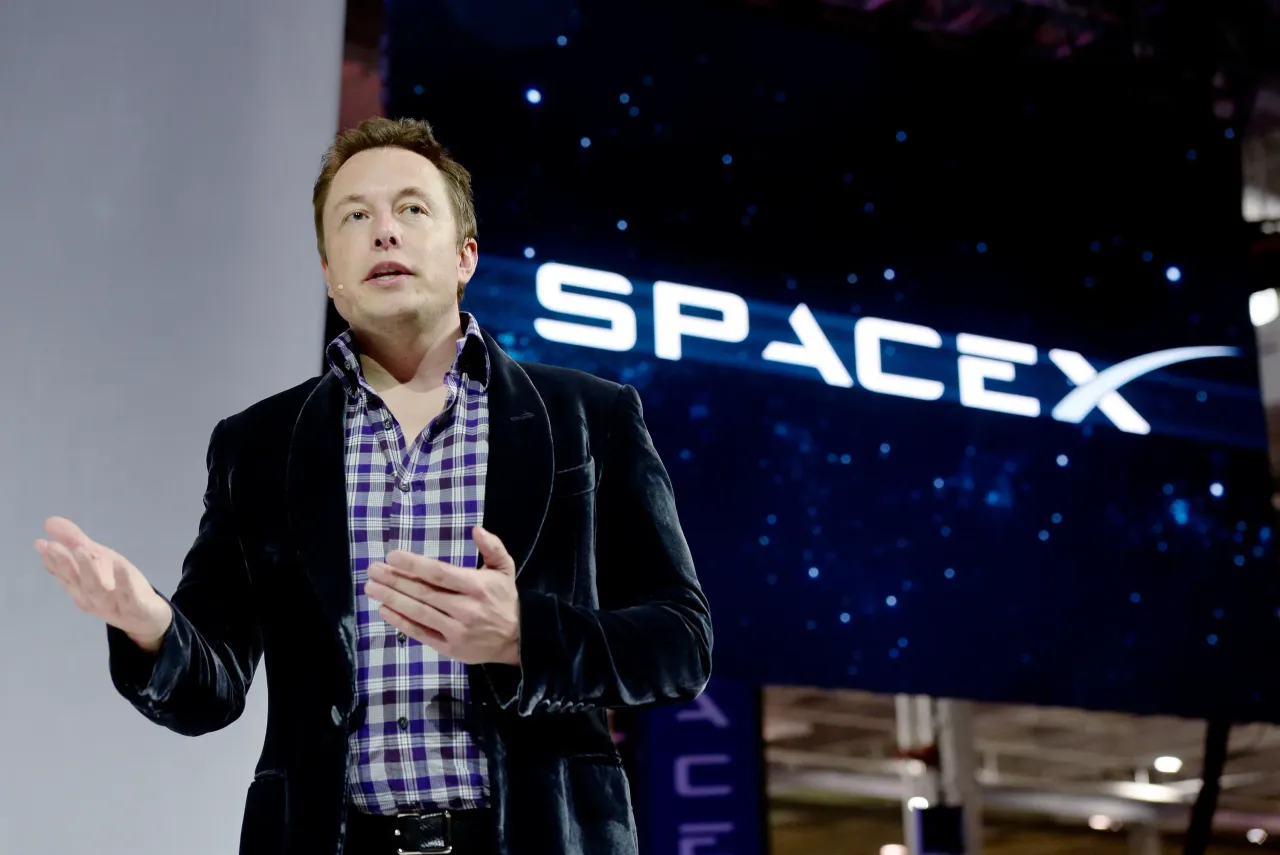
SpaceX IPO Sparks Market Caution Amid AI Hype

- Market Dependency Risk: Trader Larry McDonald warns that the market's excessive reliance on the AI narrative could expose passive investors to greater risks, especially as SpaceX prepares for its IPO, potentially forcing retirement funds to buy large amounts of its stock regardless of valuation.
- IPO Valuation Controversy: McDonald highlights that SpaceX's valuation target of $1.8 trillion and plans to raise up to $75 billion are unrealistic, requiring the company to achieve revenues between $1.5 trillion and $1.9 trillion to deliver Tesla-like returns.
- Dark Side of Passive Investing: With the accelerated inclusion of AI giants like SpaceX into major indices, McDonald warns that passive investors' retirement savings could be at risk, estimating that passive funds may be forced to absorb nearly $20 billion worth of SpaceX stock.
- Market Bubble Concerns: McDonald describes the current IPO wave as
See More
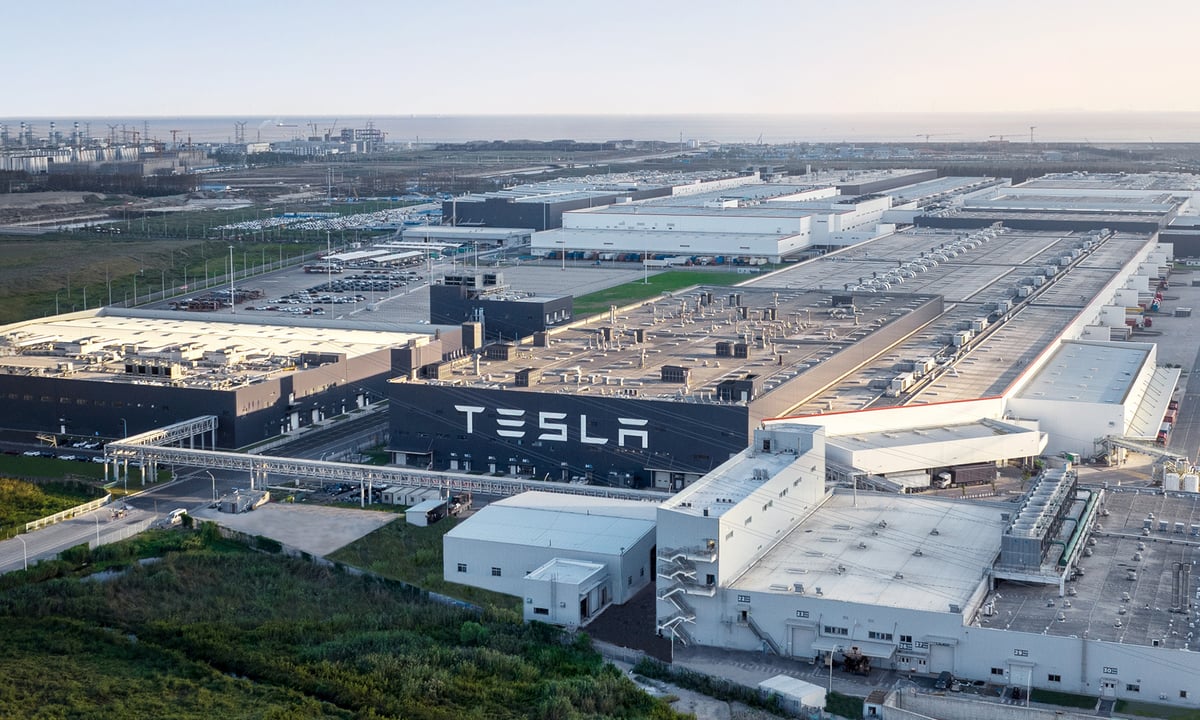
Analysis of the Pros and Cons of a Tesla-SpaceX Merger

- Potential Merger Benefits: A merger between Tesla and SpaceX could enhance supply chain security by jointly developing the Terafab semiconductor manufacturing plant, thereby reducing reliance on Asian chip manufacturers and improving production capabilities for Tesla's electric vehicles and AI projects.
- Investor Concerns: The merger may contradict current industrial trends, as many large companies are opting to split to focus on specific markets, and Tesla investors prefer to concentrate on future revenue growth from robotaxis and full self-driving software.
- Funding Capabilities: Tesla can finance its future investments through anticipated robotaxi income without relying on a merger with SpaceX, which could tie Tesla shareholders to SpaceX's massive capital investments, increasing financial risk.
- Future Outlook: Tesla investors are likely more interested in the company executing its existing plans in 2026, including the rollout of robotaxis and the commercial production of Optimus and the Tesla Semi truck, rather than diluting these potential value releases through a merger.
See More
Impact of SpaceX IPO on Tesla
- Investor Attention Shift: The planned SpaceX IPO could lead investors to divert their attention and capital away from Tesla, particularly given SpaceX's rapid growth potential across multiple industries, which may exert short-term pressure on Tesla's stock price.
- Increased Market Competition: With SpaceX going public, many retail investors might opt to reduce their Tesla holdings to invest in SpaceX, and this capital shift could impact Tesla's market performance, especially in a context of limited investor capital.
- Ecosystem Strategy Reinforcement: Despite the short-term risks, SpaceX's successful IPO could enhance investor confidence in Musk's technology ecosystem, thereby indirectly supporting Tesla's long-term growth potential in artificial intelligence and autonomous driving.
- Governance Risks Rising: As Musk manages multiple companies simultaneously, investors may begin to scrutinize whether Tesla receives fair value from partnerships with SpaceX and whether Musk's attention is too divided, which could lead to greater scrutiny of Tesla's stock during market volatility.
See More
Robotaxi Market Poised for Trillion-Dollar Growth
- Massive Market Potential: A McKinsey survey indicates that experts predict private self-driving vehicles will become a global reality by 2032, while robotaxis are expected to scale significantly by 2030, suggesting a rapidly growing market demand that could yield trillions in economic opportunities.
- Tesla's Competitive Edge: Tesla has commenced production of its Cybercab robotaxi, with costs significantly lower than competitors, and its integrated manufacturing capabilities allow for faster and cheaper production, positioning the company favorably in the emerging market.
- Rapid Expansion Plans: Tesla has launched robotaxi pilot programs in three Texas cities and plans to expand quickly over the next 12 to 24 months, with CEO Elon Musk expecting widespread service in the U.S. by year-end, despite ongoing safety and technical challenges.
- Valuation Outlook: Cathie Wood forecasts the global autonomous taxi market could reach $8 trillion to $10 trillion, highlighting how quickly AI technology will drive market growth, with Tesla likely to be a major beneficiary in this evolving landscape.
See More
Impact of SpaceX IPO on Tesla Investors
- Investor Attention Shift: The planned SpaceX IPO could attract a significant number of investors, leading some Tesla shareholders to reduce their positions in favor of SpaceX, thereby exerting short-term pressure on Tesla's stock, particularly as SpaceX's valuation approaches $1.5 trillion.
- Increased Market Competition: With SpaceX going public, Tesla may face competition from emerging companies, especially given SpaceX's rapid growth in reusable rockets and satellite internet, which could divert investor attention and capital away from Tesla.
- Ecosystem Synergy: Despite short-term challenges, SpaceX's successful IPO could enhance Tesla's long-term narrative, as the collaboration between the two companies may lead investors to view Musk's ventures as interconnected parts of a broader technology ecosystem.
- Governance Risks Rising: Musk's simultaneous management of multiple companies raises concerns among investors about whether Tesla receives fair value from partnerships with SpaceX and others, particularly if Tesla's growth slows, which could lead to increased stock volatility.
See More
SoftBank Commits €75 Billion to AI Infrastructure in France
- SoftBank's Investment Scale: SoftBank Group announced a €75 billion commitment to AI infrastructure in France, marking its largest investment in Europe and highlighting France's leading position in AI infrastructure, which is expected to boost local economic growth.
- Positive Market Reaction: The announcement of SoftBank's investment propelled the Nikkei 225 index above 67,000 for the first time, reflecting strong market confidence in AI-related investments and further solidifying SoftBank's status as Japan's most valuable company.
- Industry Leaders Speak: CEO Masayoshi Son emphasized during an event in Tokyo that advancements in artificial intelligence will create unprecedented job opportunities, indicating the company's optimistic outlook on future technological developments, which may attract more investor interest.
- Global Market Dynamics: As oil prices rise due to escalating tensions in Iran, global markets exhibit volatility influenced by both AI advancements and geopolitical risks, prompting investors to closely monitor these factors' potential impacts on the market.
See More
SpaceX IPO Sparks Market Caution Amid AI Hype
- Market Dependency Risk: Trader Larry McDonald warns that the market's excessive reliance on the AI narrative could expose passive investors to greater risks, especially as SpaceX prepares for its IPO, potentially forcing retirement funds to buy large amounts of its stock regardless of valuation.
- IPO Valuation Controversy: McDonald highlights that SpaceX's valuation target of $1.8 trillion and plans to raise up to $75 billion are unrealistic, requiring the company to achieve revenues between $1.5 trillion and $1.9 trillion to deliver Tesla-like returns.
- Dark Side of Passive Investing: With the accelerated inclusion of AI giants like SpaceX into major indices, McDonald warns that passive investors' retirement savings could be at risk, estimating that passive funds may be forced to absorb nearly $20 billion worth of SpaceX stock.
- Market Bubble Concerns: McDonald describes the current IPO wave as
See More
Analysis of the Pros and Cons of a Tesla-SpaceX Merger
- Potential Merger Benefits: A merger between Tesla and SpaceX could enhance supply chain security by jointly developing the Terafab semiconductor manufacturing plant, thereby reducing reliance on Asian chip manufacturers and improving production capabilities for Tesla's electric vehicles and AI projects.
- Investor Concerns: The merger may contradict current industrial trends, as many large companies are opting to split to focus on specific markets, and Tesla investors prefer to concentrate on future revenue growth from robotaxis and full self-driving software.
- Funding Capabilities: Tesla can finance its future investments through anticipated robotaxi income without relying on a merger with SpaceX, which could tie Tesla shareholders to SpaceX's massive capital investments, increasing financial risk.
- Future Outlook: Tesla investors are likely more interested in the company executing its existing plans in 2026, including the rollout of robotaxis and the commercial production of Optimus and the Tesla Semi truck, rather than diluting these potential value releases through a merger.
See More




