Occidental Petroleum Shares Up 3.21% to $56.23
Written by Emily J. Thompson, Senior Investment Analyst
Updated: 6 days ago
0mins
Should l Buy OXY?
Moderately bullish activity in Occidental Petroleum (OXY), with shares up $1.75, or 3.21%, near $56.23. Options volume roughly in line with average with 93k contracts traded and calls leading puts for a put/call ratio of 0.23, compared to a typical level near 0.31. Implied volatility (IV30) is higher by 1.4 points near 41.8, in the highest 10% of observations over the past year, suggesting an expected daily move of $1.48. Put-call skew steepened, indicating increased demand for downside protection.Looking ahead: Occidental Petroleum (OXY) will report earnings after the close on None.Option markets are pricing in a 50% probability of a move greater than 0.0% or $0.00.
Trade with 70% Backtested Accuracy
Stop guessing "Should I Buy OXY?" and start using high-conviction signals backed by rigorous historical data.
Sign up today to access powerful investing tools and make smarter, data-driven decisions.
Analyst Views on OXY
Wall Street analysts forecast OXY stock price to fall
16 Analyst Rating
4 Buy
9 Hold
3 Sell
Hold
Current: 57.270

Low
38.00
Averages
47.27
High
64.00
Current: 57.270
Low
38.00
Averages
47.27
High
64.00
About OXY
Occidental Petroleum Corporation is an international energy company with assets primarily in the United States, the Middle East and North Africa. The Company is an oil and gas producer in the United States, including a producer in the Permian and DJ basins, and the offshore Gulf of Mexico. Its segments include oil and gas, and midstream and marketing. The oil and gas segment explores for, develops, and produces oil (which includes condensate), natural gas liquids (NGL) and natural gas. The Company's midstream and marketing segment purchases, markets, gathers, processes, transports, and stores oil (which includes condensate), NGL, natural gas, carbon dioxide (CO2) and power. The midstream and marketing segment provides flow assurance and maximizes the value of its oil and gas. It also optimizes its transportation and storage capacity and invests in entities that conduct similar activities. This segment also includes low-carbon venture businesses.
About the author

Emily J. Thompson
Emily J. Thompson, a Chartered Financial Analyst (CFA) with 12 years in investment research, graduated with honors from the Wharton School. Specializing in industrial and technology stocks, she provides in-depth analysis for Intellectia’s earnings and market brief reports.

Middle East Conflict Boosts OXY Earnings Potential
- Earnings Growth Potential: The geopolitical conflict in the Middle East has led to reduced global oil and gas supply, resulting in increased prices for OXY's products, which is expected to significantly boost the company's revenues and earnings, thereby supporting its long-term growth strategy.
- Acquisition and Debt Management: OXY has strengthened its market competitiveness through the acquisition of Anadarko Petroleum and other energy firms, while also selling its chemicals business to reduce debt, positioning itself with a stronger financial foundation for future expansion plans.
- Short-term Risk Warning: Although OXY's stock has risen over 35% in 2026, the volatility associated with high energy prices may lead to shifts in investor sentiment; if the conflict ends, oil and gas prices could decline, posing a risk of short-term stock price drops.
- Long-term Investment Advice: For long-term investors, OXY remains an attractive option; despite the current stock price increase, it is advisable to consider buying during periods of low oil prices to secure a more favorable investment opportunity.
See More

Occidental Petroleum's Growth Outlook Remains Positive Amid High Oil Prices
- Beneficial Oil Price Surge: Occidental Petroleum (Oxy) stands to gain from rising oil prices due to reduced global supply caused by geopolitical tensions in the Middle East, which is expected to boost its revenues and profitability, thereby enhancing its competitive position in the industry.
- Improved Financial Position: Following the Anadarko acquisition, Oxy faced high debt that forced it to cut dividends; however, the company's financial health has significantly improved, and combined with higher commodity prices, this supports its long-term growth plans.
- Market Sentiment Volatility: Oxy's stock has risen over 35% in 2026 so far, but this rapid increase driven by investor sentiment poses short-term risks, particularly as oil prices may decline once the Middle East conflict subsides.
- Long-Term Investment Opportunity: Despite short-term risks, Oxy's long-term growth potential remains attractive for investors, suggesting that current shareholders should hold, while new investors might consider waiting for a price dip to find a more appealing entry point.
See More

Surging Oil Prices Signal Major Market Impacts

- Supply Disruption Impact: The closure of the Strait of Hormuz by Iran has severely affected 20% of global oil and LNG supplies, leading to a 57% drop in oil production in the Persian Gulf, approximately 14.5 million barrels per day, with recovery expected to take months, exacerbating market tensions.
- Price Forecast Adjustment: Goldman Sachs predicts Brent crude will reach $100 by year-end, reflecting the risks of oil flows not normalizing, which will significantly boost oil companies' earnings beyond market expectations.
- Cash Flow Growth: ConocoPhillips anticipates generating over $1 billion in additional free cash flow due to rising oil prices, while Occidental Petroleum will see a $265 million increase in annual cash flows for every $1 rise in crude prices, highlighting the positive financial impact of high oil prices on companies.
- Increased Investor Returns: As oil prices remain elevated, oil companies are likely to return more profits to investors through share buybacks, which could drive stock prices higher and attract more investor interest in oil stocks.
See More

Oil Prices Surge 60% and May Remain High
- Surge in Oil Prices: Brent crude has surged over 60% to around $100 per barrel, while WTI has also increased over 60% to about $95 per barrel, significantly boosting oil companies' cash flows this year.
- Production Constraints: The closure of the Strait of Hormuz by Iran has led to a 57% drop in oil production in the Persian Gulf, approximately 14.5 million barrels per day, with recovery expected to take months, further supporting high oil prices.
- Company Earnings Outlook: ConocoPhillips anticipates that every $1 increase in WTI prices will boost its free cash flow by $140 million to $150 million, while Occidental Petroleum expects a $265 million increase per $1 rise in crude prices, indicating substantial financial gains from elevated oil prices.
- Investor Returns: As oil prices remain high, oil companies are likely to return more cash to investors through share buybacks, which could drive their stock prices higher, making oil stocks an attractive investment opportunity.
See More
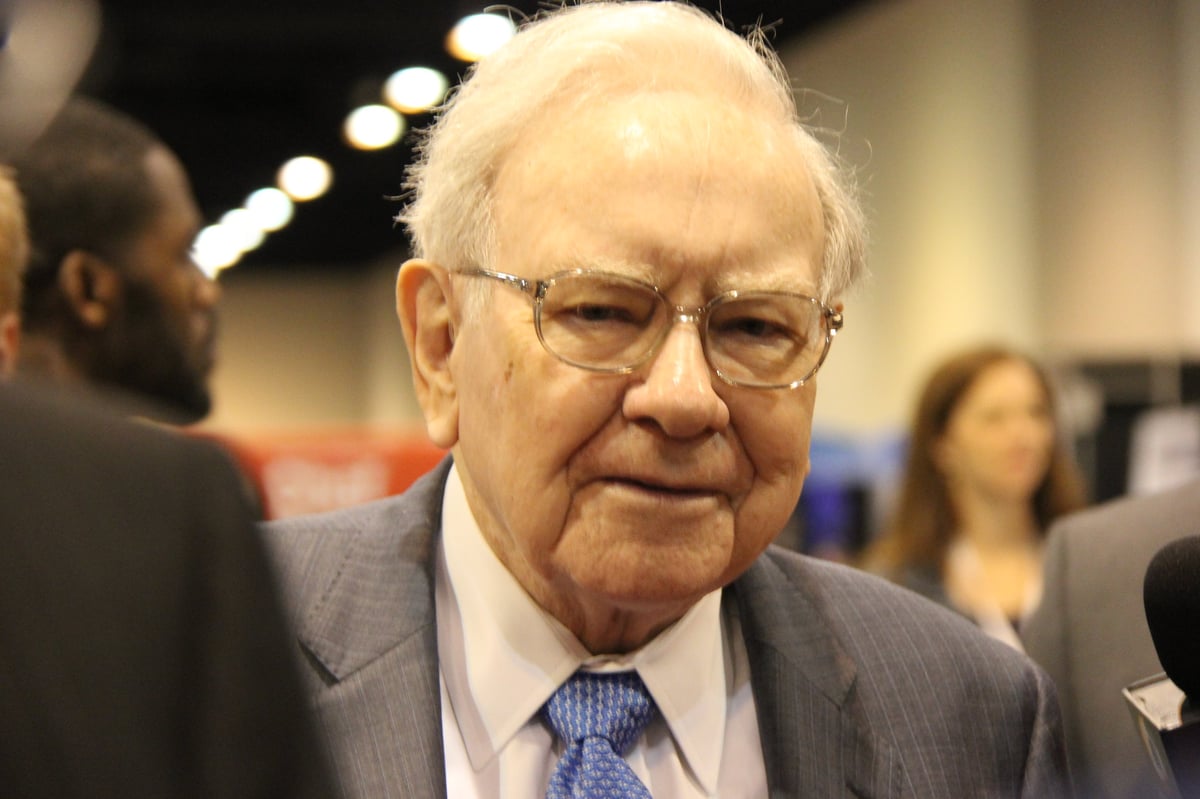
Buffett's Retirement Marks New Era for Berkshire Hathaway Leadership


- Leadership Transition: Warren Buffett officially retired as CEO of Berkshire Hathaway on December 31, 2025, with his long-time understudy Greg Abel taking over after more than 25 years at the company; while Buffett remains chairman, Abel now oversees daily operations and the investment portfolio.
- Investment Strategy Shift: Abel is likely to sell Bank of America, previously Buffett's second-largest holding, as it was notably absent from Buffett's list of eight 'forever' stocks in his 2023 annual letter, indicating a significant strategic shift under new leadership.
- Clear Reduction Trend: Berkshire's 13F filings reveal that Buffett has been a consistent seller of Bank of America shares for six consecutive quarters, having reduced his stake by nearly 515.6 million shares, or about 50%, suggesting that BofA is no longer viewed as a core holding.
- Valuation No Longer Attractive: By early 2026, Bank of America shares were trading at a 43% premium to book value, a stark contrast to the 62% discount when Buffett initially invested, and Abel's commitment to value investing may lead to BofA's eventual exit from Berkshire's portfolio.
See More

Warren Buffett Retires, Greg Abel Takes Over as CEO
- Leadership Transition: Warren Buffett officially retired as CEO on December 31, 2025, handing over the reins to Greg Abel, who has been with the company for over 25 years, marking a new era for Berkshire Hathaway despite Buffett remaining as chairman.
- Portfolio Adjustments: In his first letter to shareholders, Abel did not list Bank of America as a long-term holding, indicating a potential shift in investment strategy that could impact Berkshire's value-focused approach.
- Shareholding Changes: Leading up to his retirement, Buffett sold nearly 515.6 million shares of Bank of America over six consecutive quarters, reducing his stake by approximately 50%, suggesting that the stock is no longer viewed as a core asset, which may affect market confidence in Berkshire.
- Market Valuation Shift: By early 2026, Bank of America shares were trading at a 43% premium to book value, contrasting sharply with Buffett's initial investment at a 62% discount, indicating a significant change in market perception that could lead Abel to further divest from the stock.
See More
Middle East Conflict Boosts OXY Earnings Potential
- Earnings Growth Potential: The geopolitical conflict in the Middle East has led to reduced global oil and gas supply, resulting in increased prices for OXY's products, which is expected to significantly boost the company's revenues and earnings, thereby supporting its long-term growth strategy.
- Acquisition and Debt Management: OXY has strengthened its market competitiveness through the acquisition of Anadarko Petroleum and other energy firms, while also selling its chemicals business to reduce debt, positioning itself with a stronger financial foundation for future expansion plans.
- Short-term Risk Warning: Although OXY's stock has risen over 35% in 2026, the volatility associated with high energy prices may lead to shifts in investor sentiment; if the conflict ends, oil and gas prices could decline, posing a risk of short-term stock price drops.
- Long-term Investment Advice: For long-term investors, OXY remains an attractive option; despite the current stock price increase, it is advisable to consider buying during periods of low oil prices to secure a more favorable investment opportunity.
See More
Occidental Petroleum's Growth Outlook Remains Positive Amid High Oil Prices
- Beneficial Oil Price Surge: Occidental Petroleum (Oxy) stands to gain from rising oil prices due to reduced global supply caused by geopolitical tensions in the Middle East, which is expected to boost its revenues and profitability, thereby enhancing its competitive position in the industry.
- Improved Financial Position: Following the Anadarko acquisition, Oxy faced high debt that forced it to cut dividends; however, the company's financial health has significantly improved, and combined with higher commodity prices, this supports its long-term growth plans.
- Market Sentiment Volatility: Oxy's stock has risen over 35% in 2026 so far, but this rapid increase driven by investor sentiment poses short-term risks, particularly as oil prices may decline once the Middle East conflict subsides.
- Long-Term Investment Opportunity: Despite short-term risks, Oxy's long-term growth potential remains attractive for investors, suggesting that current shareholders should hold, while new investors might consider waiting for a price dip to find a more appealing entry point.
See More
Surging Oil Prices Signal Major Market Impacts
- Supply Disruption Impact: The closure of the Strait of Hormuz by Iran has severely affected 20% of global oil and LNG supplies, leading to a 57% drop in oil production in the Persian Gulf, approximately 14.5 million barrels per day, with recovery expected to take months, exacerbating market tensions.
- Price Forecast Adjustment: Goldman Sachs predicts Brent crude will reach $100 by year-end, reflecting the risks of oil flows not normalizing, which will significantly boost oil companies' earnings beyond market expectations.
- Cash Flow Growth: ConocoPhillips anticipates generating over $1 billion in additional free cash flow due to rising oil prices, while Occidental Petroleum will see a $265 million increase in annual cash flows for every $1 rise in crude prices, highlighting the positive financial impact of high oil prices on companies.
- Increased Investor Returns: As oil prices remain elevated, oil companies are likely to return more profits to investors through share buybacks, which could drive stock prices higher and attract more investor interest in oil stocks.
See More
Oil Prices Surge 60% and May Remain High
- Surge in Oil Prices: Brent crude has surged over 60% to around $100 per barrel, while WTI has also increased over 60% to about $95 per barrel, significantly boosting oil companies' cash flows this year.
- Production Constraints: The closure of the Strait of Hormuz by Iran has led to a 57% drop in oil production in the Persian Gulf, approximately 14.5 million barrels per day, with recovery expected to take months, further supporting high oil prices.
- Company Earnings Outlook: ConocoPhillips anticipates that every $1 increase in WTI prices will boost its free cash flow by $140 million to $150 million, while Occidental Petroleum expects a $265 million increase per $1 rise in crude prices, indicating substantial financial gains from elevated oil prices.
- Investor Returns: As oil prices remain high, oil companies are likely to return more cash to investors through share buybacks, which could drive their stock prices higher, making oil stocks an attractive investment opportunity.
See More
Buffett's Retirement Marks New Era for Berkshire Hathaway Leadership
- Leadership Transition: Warren Buffett officially retired as CEO of Berkshire Hathaway on December 31, 2025, with his long-time understudy Greg Abel taking over after more than 25 years at the company; while Buffett remains chairman, Abel now oversees daily operations and the investment portfolio.
- Investment Strategy Shift: Abel is likely to sell Bank of America, previously Buffett's second-largest holding, as it was notably absent from Buffett's list of eight 'forever' stocks in his 2023 annual letter, indicating a significant strategic shift under new leadership.
- Clear Reduction Trend: Berkshire's 13F filings reveal that Buffett has been a consistent seller of Bank of America shares for six consecutive quarters, having reduced his stake by nearly 515.6 million shares, or about 50%, suggesting that BofA is no longer viewed as a core holding.
- Valuation No Longer Attractive: By early 2026, Bank of America shares were trading at a 43% premium to book value, a stark contrast to the 62% discount when Buffett initially invested, and Abel's commitment to value investing may lead to BofA's eventual exit from Berkshire's portfolio.
See More
Warren Buffett Retires, Greg Abel Takes Over as CEO
- Leadership Transition: Warren Buffett officially retired as CEO on December 31, 2025, handing over the reins to Greg Abel, who has been with the company for over 25 years, marking a new era for Berkshire Hathaway despite Buffett remaining as chairman.
- Portfolio Adjustments: In his first letter to shareholders, Abel did not list Bank of America as a long-term holding, indicating a potential shift in investment strategy that could impact Berkshire's value-focused approach.
- Shareholding Changes: Leading up to his retirement, Buffett sold nearly 515.6 million shares of Bank of America over six consecutive quarters, reducing his stake by approximately 50%, suggesting that the stock is no longer viewed as a core asset, which may affect market confidence in Berkshire.
- Market Valuation Shift: By early 2026, Bank of America shares were trading at a 43% premium to book value, contrasting sharply with Buffett's initial investment at a 62% discount, indicating a significant change in market perception that could lead Abel to further divest from the stock.
See More