Nvidia's Major Shift, AI Chip Shortages, and the Risk of Rising Gadget Prices


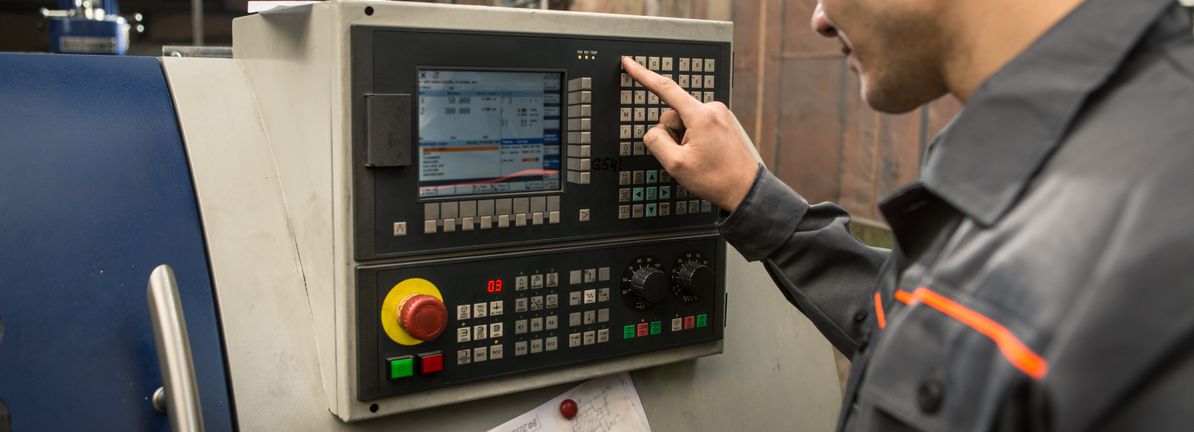
Rising Smartphone Costs: Analysts warn that the cost of smartphones may increase due to supply chain bottlenecks caused by the AI boom, with critical components like memory chips and storage devices experiencing significant price spikes.
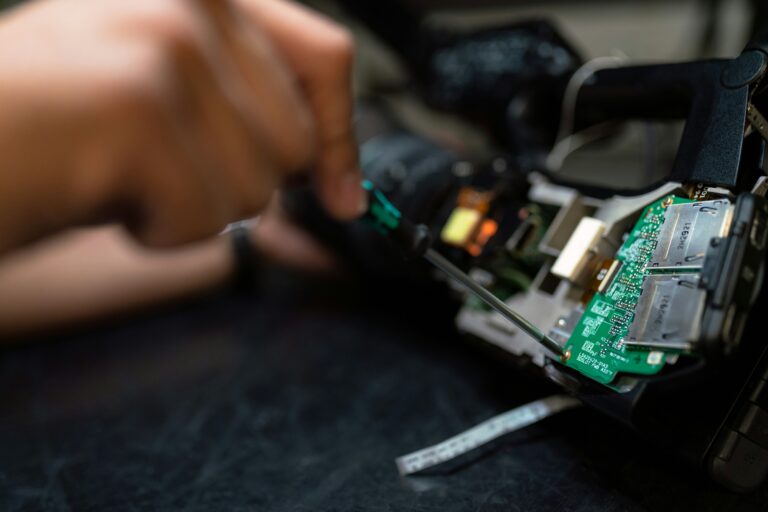
Supply Chain Bottlenecks: The demand for AI data center chips is creating shortages in semiconductor manufacturing, particularly affecting dynamic random-access memory (DRAM) and hard disk drives (HDDs), which are essential for both data centers and consumer electronics.
Nvidia's Impact on Supply: Nvidia's shift to using Low-Power Double Data Rate (LPDDR) memory, which is also in high demand from consumer electronics manufacturers, is exacerbating supply constraints and could lead to further shortages in the market.
Broader Industry Effects: The semiconductor supply chain issues are not only impacting consumer electronics but also other sectors like automotive and aerospace, as many industries rely on the same manufacturing capabilities, leading to potential price increases and production constraints across the board.
Trade with 70% Backtested Accuracy
Analyst Views on AAPL

About AAPL
About the author

Berkshire's Heavy Apple Investment and AI Strategy

- Portfolio Concentration: As of June 17, Berkshire Hathaway's public equity portfolio is valued at $341 billion, with a single company representing 20% of the holdings, indicating a concentrated investment strategy in the 'Magnificent Seven'.
- Apple Stock Surge: Since first purchasing shares in Apple in Q1 2016, the company's stock price has surged 1,120% over the past decade, and despite trimming this position since late 2023, Apple remains the largest holding in Berkshire's portfolio.
- AI Product Launch Plans: Apple plans to release a more powerful Siri AI digital assistant this year, along with improved image editing and internet browsing capabilities, demonstrating its commitment to advancing in the artificial intelligence space.
- Future Hardware Innovations: Apple is expected to launch AI-powered AirPods with cameras by 2027 and a foldable iPhone model later this year, although it remains to be seen whether these innovations will drive significant revenue growth.

Intel Stock Hits All-Time High, CEO Targets Tenfold Growth

- Stock Surge: Intel's stock surged over 10% last week, closing at an all-time high, reflecting strong investor confidence in the company's growth potential, particularly following the announcement of a new partnership with Apple.
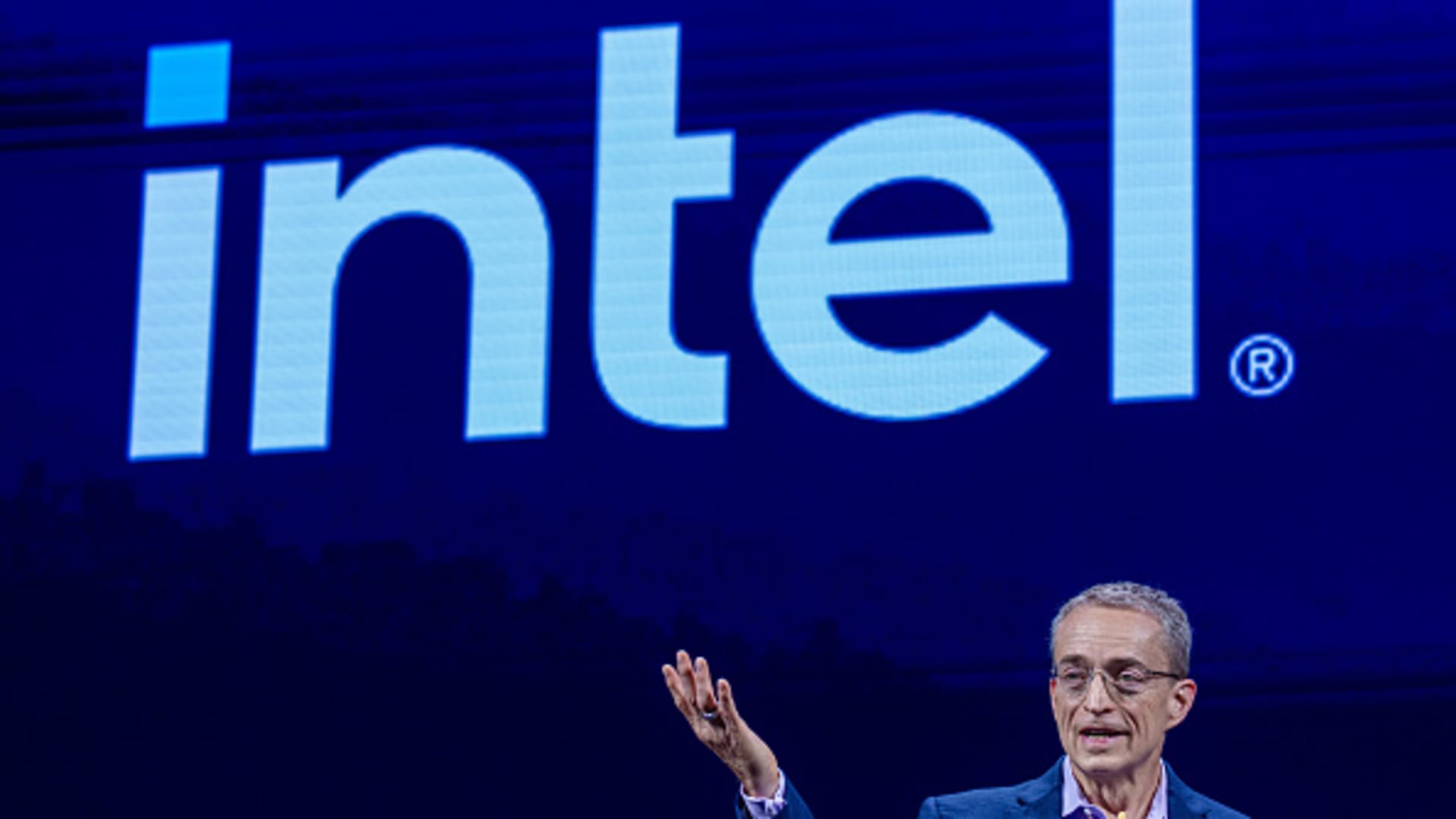
- CEO Growth Target: Intel CEO Lip-Bu Tan stated in a podcast that he aims for a tenfold return over the next five to ten years, emphasizing advanced packaging technology as a key growth driver, showcasing the company's commitment to innovation.
- Rising Market Demand: Analysts noted that Intel is expected to gradually capture 10% to 15% of the advanced packaging market, particularly amid surging demand for AI data center chips, further solidifying its market position.
- Retail Investor Sentiment Shift: On Stocktwits, Intel saw a significant increase in message volume, with retail investors expressing optimism about the company's turnaround, indicating strong market confidence in its future performance, especially with a 263% year-to-date stock increase.
Apple's New iPhone Air Set for Spring 2027 Release
- Dividend Stock Recommendation: Billionaire Cliff Asness has included Apple Inc. (AAPL) among the top 12 dividend stocks to buy, indicating strong investor appeal that could enhance the company's stock price and investor confidence.
- New Product Development: Apple is preparing to launch the second-generation iPhone Air in spring 2027, with current prototype V62 undergoing advanced testing and featuring a second rear camera for ultrawide photography, aimed at boosting the appeal of its smartphone lineup.
- Product Release Strategy Adjustment: Apple is adjusting its product release strategy, with this fall's focus expected to be on high-end devices like the iPhone 18 Pro and a new foldable model, which may influence consumer purchasing decisions and market competition dynamics.
- Market Expansion Plans: Apple aims to expand its $210 billion iPhone business through new designs, with the upcoming iPhone Air and a special 20th anniversary iPhone for 2027, reflecting its long-term strategic positioning in the smartphone market.

Semiconductor Stocks Hit 52-Week Highs Ahead of S&P 500 Inclusion

- Marvell Stock Surge: Marvell's stock reached a record high of $329.88 ahead of its S&P 500 inclusion, as investors express confidence in its role as a critical supplier of custom silicon and networking technologies, which are expected to drive growth in AI deployments.
- Intel's Manufacturing Momentum: Intel's stock climbed to $135.48 after President Trump announced a partnership with Apple to design advanced semiconductors, boosting market optimism regarding its domestic manufacturing expansion; Mizuho raised its price target to $135, indicating potential for long-term market growth.
- Micron's Market Strength: Micron's stock hit an all-time high of $1,149.43, fueled by Apple's comments on rising memory costs, which heightened investor optimism about its earnings potential; Rosenblatt and Wedbush raised their price targets to $1,200 and $1,300 respectively, reflecting favorable supply-demand conditions in the memory market.
- Investor Sentiment Fluctuations: While Marvell and Micron shares rose over 7% and 8% respectively, retail sentiment on Stocktwits for Marvell shifted from neutral to bearish, indicating concerns about short-term volatility despite strong stock performance.
Intel Stock Hits All-Time High Amid Apple Collaboration

- Stock Surge: Intel's stock surged 10.75% to an all-time high of $134.12 after President Trump announced a potential collaboration with Apple, indicating a renewed market confidence in Intel's foundry comeback.
- Foundry Revenue Growth: Intel's foundry segment generated $5.4 billion in revenue in Q1, up 16% year-over-year, although only $174 million came from external customers, highlighting the need for Intel to expand its external client base.
- Competitive Landscape: Despite Intel's resurgence, TSMC maintains about 70% of the foundry market, with Q1 revenue rising 41% to $35.9 billion, underscoring its dominance in advanced manufacturing technology.
- Future Outlook: Intel's CEO anticipates early design commitments from external customers by the second half of 2026, which could bolster long-term growth, but the company still faces significant competitive pressures in the market.
Intel's Foundry Business Gains Traction with Apple Chip Agreement
- Collaboration with Apple: Intel's reported chipmaking agreement with Apple, although unconfirmed, has driven the stock to an all-time high on Thursday, reflecting market confidence in Intel's turnaround efforts.
- Revenue Growth: Intel's foundry segment generated $5.4 billion in revenue in Q1, a 16% year-over-year increase, yet only $174 million came from external customers, indicating a heavy reliance on internal production that needs to shift towards external client acquisition.
- Intensifying Market Competition: Taiwan Semiconductor controls 70% of the pure-play foundry market and over 90% of advanced process production, presenting a significant challenge for Intel as it seeks to penetrate TSMC's dominant position despite improvements in its manufacturing capabilities.
- Future Outlook: Intel's CEO anticipates early design commitments from external customers by the second half of 2026, and successfully attracting more clients could significantly enhance its foundry business's long-term growth and market share.
Berkshire's Heavy Apple Investment and AI Strategy
- Portfolio Concentration: As of June 17, Berkshire Hathaway's public equity portfolio is valued at $341 billion, with a single company representing 20% of the holdings, indicating a concentrated investment strategy in the 'Magnificent Seven'.
- Apple Stock Surge: Since first purchasing shares in Apple in Q1 2016, the company's stock price has surged 1,120% over the past decade, and despite trimming this position since late 2023, Apple remains the largest holding in Berkshire's portfolio.
- AI Product Launch Plans: Apple plans to release a more powerful Siri AI digital assistant this year, along with improved image editing and internet browsing capabilities, demonstrating its commitment to advancing in the artificial intelligence space.
- Future Hardware Innovations: Apple is expected to launch AI-powered AirPods with cameras by 2027 and a foldable iPhone model later this year, although it remains to be seen whether these innovations will drive significant revenue growth.
Intel Stock Hits All-Time High, CEO Targets Tenfold Growth
- Stock Surge: Intel's stock surged over 10% last week, closing at an all-time high, reflecting strong investor confidence in the company's growth potential, particularly following the announcement of a new partnership with Apple.
- CEO Growth Target: Intel CEO Lip-Bu Tan stated in a podcast that he aims for a tenfold return over the next five to ten years, emphasizing advanced packaging technology as a key growth driver, showcasing the company's commitment to innovation.
- Rising Market Demand: Analysts noted that Intel is expected to gradually capture 10% to 15% of the advanced packaging market, particularly amid surging demand for AI data center chips, further solidifying its market position.
- Retail Investor Sentiment Shift: On Stocktwits, Intel saw a significant increase in message volume, with retail investors expressing optimism about the company's turnaround, indicating strong market confidence in its future performance, especially with a 263% year-to-date stock increase.
Apple's New iPhone Air Set for Spring 2027 Release
- Dividend Stock Recommendation: Billionaire Cliff Asness has included Apple Inc. (AAPL) among the top 12 dividend stocks to buy, indicating strong investor appeal that could enhance the company's stock price and investor confidence.
- New Product Development: Apple is preparing to launch the second-generation iPhone Air in spring 2027, with current prototype V62 undergoing advanced testing and featuring a second rear camera for ultrawide photography, aimed at boosting the appeal of its smartphone lineup.
- Product Release Strategy Adjustment: Apple is adjusting its product release strategy, with this fall's focus expected to be on high-end devices like the iPhone 18 Pro and a new foldable model, which may influence consumer purchasing decisions and market competition dynamics.
- Market Expansion Plans: Apple aims to expand its $210 billion iPhone business through new designs, with the upcoming iPhone Air and a special 20th anniversary iPhone for 2027, reflecting its long-term strategic positioning in the smartphone market.
Semiconductor Stocks Hit 52-Week Highs Ahead of S&P 500 Inclusion
- Marvell Stock Surge: Marvell's stock reached a record high of $329.88 ahead of its S&P 500 inclusion, as investors express confidence in its role as a critical supplier of custom silicon and networking technologies, which are expected to drive growth in AI deployments.
- Intel's Manufacturing Momentum: Intel's stock climbed to $135.48 after President Trump announced a partnership with Apple to design advanced semiconductors, boosting market optimism regarding its domestic manufacturing expansion; Mizuho raised its price target to $135, indicating potential for long-term market growth.
- Micron's Market Strength: Micron's stock hit an all-time high of $1,149.43, fueled by Apple's comments on rising memory costs, which heightened investor optimism about its earnings potential; Rosenblatt and Wedbush raised their price targets to $1,200 and $1,300 respectively, reflecting favorable supply-demand conditions in the memory market.
- Investor Sentiment Fluctuations: While Marvell and Micron shares rose over 7% and 8% respectively, retail sentiment on Stocktwits for Marvell shifted from neutral to bearish, indicating concerns about short-term volatility despite strong stock performance.
Intel Stock Hits All-Time High Amid Apple Collaboration
- Stock Surge: Intel's stock surged 10.75% to an all-time high of $134.12 after President Trump announced a potential collaboration with Apple, indicating a renewed market confidence in Intel's foundry comeback.
- Foundry Revenue Growth: Intel's foundry segment generated $5.4 billion in revenue in Q1, up 16% year-over-year, although only $174 million came from external customers, highlighting the need for Intel to expand its external client base.
- Competitive Landscape: Despite Intel's resurgence, TSMC maintains about 70% of the foundry market, with Q1 revenue rising 41% to $35.9 billion, underscoring its dominance in advanced manufacturing technology.
- Future Outlook: Intel's CEO anticipates early design commitments from external customers by the second half of 2026, which could bolster long-term growth, but the company still faces significant competitive pressures in the market.
Intel's Foundry Business Gains Traction with Apple Chip Agreement
- Collaboration with Apple: Intel's reported chipmaking agreement with Apple, although unconfirmed, has driven the stock to an all-time high on Thursday, reflecting market confidence in Intel's turnaround efforts.
- Revenue Growth: Intel's foundry segment generated $5.4 billion in revenue in Q1, a 16% year-over-year increase, yet only $174 million came from external customers, indicating a heavy reliance on internal production that needs to shift towards external client acquisition.
- Intensifying Market Competition: Taiwan Semiconductor controls 70% of the pure-play foundry market and over 90% of advanced process production, presenting a significant challenge for Intel as it seeks to penetrate TSMC's dominant position despite improvements in its manufacturing capabilities.
- Future Outlook: Intel's CEO anticipates early design commitments from external customers by the second half of 2026, and successfully attracting more clients could significantly enhance its foundry business's long-term growth and market share.