Nvidia's AI Demand Surge Signals Potential Stock Rally
Written by Emily J. Thompson, Senior Investment Analyst
Updated: 1 hour ago
0mins
Should l Buy NVDA?
Source: Fool
- Historic Growth Trend: Nvidia has transformed since 2023 due to the rise of AI data centers, and it is expected that the stock will soar again in 2026, presenting a unique buying opportunity for investors as historical patterns indicate significant price increases in the second half of the year.
- Market Expectations vs. Reality: Despite skepticism about Nvidia's growth, the stock trades at a forward P/E of 22 at the start of 2026, reflecting low investor expectations; however, once the market recognizes its growth potential, the stock is likely to rebound sharply.
- Massive Capital Expenditures: With the big four tech companies planning to spend around $650 billion on AI in 2026, this bodes well for Nvidia's hardware demand, and the construction of large data center projects will further drive growth over the coming years.
- Significant Sales Projections: During the 2026 GTC event, Nvidia revealed expectations of $1 trillion in sales for its Blackwell and Rubin GPU systems by 2027, doubling last year's projection of $500 billion, indicating strong order growth that will likely boost market confidence in its stock.
Trade with 70% Backtested Accuracy
Stop guessing "Should I Buy NVDA?" and start using high-conviction signals backed by rigorous historical data.
Sign up today to access powerful investing tools and make smarter, data-driven decisions.
Analyst Views on NVDA
Wall Street analysts forecast NVDA stock price to rise
41 Analyst Rating
39 Buy
1 Hold
1 Sell
Strong Buy
Current: 178.560

Low
200.00
Averages
264.97
High
352.00
Current: 178.560
Low
200.00
Averages
264.97
High
352.00
About NVDA
NVIDIA Corporation is a full-stack computing infrastructure company. The Company is engaged in accelerated computing to help solve the challenging computational problems. The Company’s segments include Compute & Networking and Graphics. The Compute & Networking segment includes its Data Center accelerated computing platforms and artificial intelligence (AI) solutions and software; networking; automotive platforms and autonomous and electric vehicle solutions; Jetson for robotics and other embedded platforms, and DGX Cloud computing services. The Graphics segment includes GeForce GPUs for gaming and PCs, the GeForce NOW game streaming service and related infrastructure, and solutions for gaming platforms; Quadro/NVIDIA RTX GPUs for enterprise workstation graphics; virtual GPU software for cloud-based visual and virtual computing; automotive platforms for infotainment systems, and Omniverse Enterprise software for building and operating industrial AI and digital twin applications.
About the author

Emily J. Thompson
Emily J. Thompson, a Chartered Financial Analyst (CFA) with 12 years in investment research, graduated with honors from the Wharton School. Specializing in industrial and technology stocks, she provides in-depth analysis for Intellectia’s earnings and market brief reports.

Nvidia's Stock Shows Huge Potential Upside

- Impressive Earnings: Nvidia reported $68 billion in revenue for Q4 FY2026, a 73% year-over-year increase that surpassed analyst expectations of $66.2 billion, indicating robust market demand and profitability.
- Analyst Optimism: Tigress Financial's Ivan Feinseth reiterated a strong buy rating and raised the 12-month price target to $360, suggesting a potential upside of 100%, reflecting the market's underestimation of Nvidia's future growth.
- Market Dominance: Nvidia holds a 92% share of the GPU data center market, with projections of nearly $2 trillion in revenue over the next five years, showcasing its strong competitive position and demand in the AI sector.
- Positive Future Outlook: CEO Jensen Huang anticipates generating at least $1 trillion from Blackwell and Vera Rubin chip sales by the end of 2027, demonstrating the company's strong confidence in future computing demand.
See More
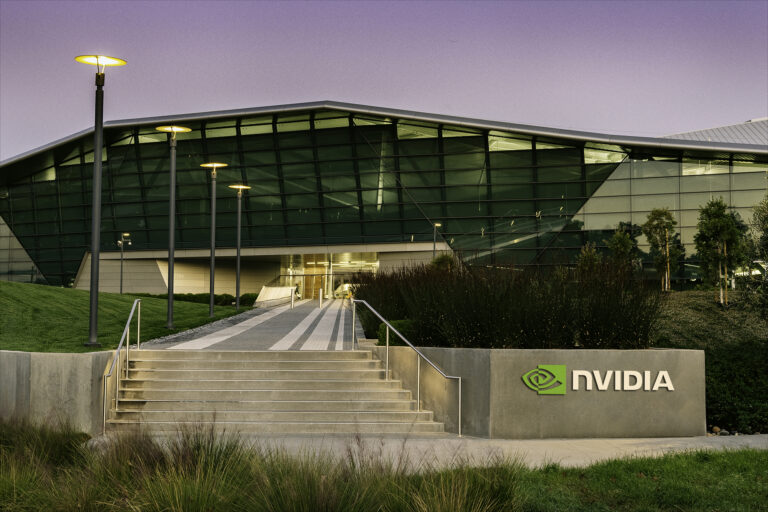
Nvidia Secures Approval for H200 Chip Sales in China
- Market Access Breakthrough: On March 17, Nvidia secured Chinese approval to sell its second most powerful H200 chip, paving the way for the company to resume sales and indicating a potential easing of US-China tensions in the AI sector.
- Production Capacity Boost: CEO Jensen Huang announced that Nvidia is ramping up production of the H200 chips to meet strong demand from China, highlighting the company's strategic focus on this critical market amid global AI competition.
- Revenue Dependency: Prior to the ban, China accounted for nearly a quarter of Nvidia's total revenues, making this approval a significant milestone for the company's long-term prosperity and underscoring China's vital role in its business strategy.
- Technological Leadership: Nvidia designs and sells high-performance GPUs and AI software, serving as a primary infrastructure provider for modern AI, data centers, and gaming, with its chips playing crucial roles in generative AI, autonomous vehicles, and professional visualization, further solidifying its market leadership.
See More

Market Volatility Rises, Uncertainty for AI Stocks

- Increased Market Volatility: The CBOE Volatility Index (VIX) recently spiked to 24, indicating heightened investor expectations for market fluctuations, which may lead to continued declines in AI stocks and affect investor confidence in the near term.
- AI Investment Surge: Despite major tech companies pledging nearly $700 billion for AI infrastructure this year, concerns about future revenue opportunities are rising, particularly amid geopolitical and economic uncertainties, potentially worsening market sentiment.
- Historical Trend Analysis: Historical data shows that peaks in the VIX often coincide with declines in the S&P 500, suggesting that the current volatility may indicate a short-term downturn for AI stocks, although the long-term outlook remains optimistic.
- Investment Opportunities: Despite short-term fluctuations, savvy investors may view this as a chance to buy quality AI stocks at lower prices, as the S&P 500 has historically rebounded after periods of fear and uncertainty, indicating that long-term investments still hold promise.
See More

Nvidia Expects $1 Trillion in AI Sales by 2027
- Market Skepticism on AI Spending: Despite skepticism regarding AI expenditures, Nvidia anticipates $1 trillion in system sales by 2027, highlighting the company's robust growth potential in the AI sector, which may attract increased investor interest.
- Historical Pattern Repeats: Nvidia's stock is typically undervalued at the beginning of each year, with prices soaring in the second half due to rising AI demand, a trend observed in both 2023 and 2024, indicating the company's resilience and growth capacity in the market.
- Massive Spending Plans: The big four tech companies are set to invest approximately $650 billion in AI infrastructure in 2026, establishing a solid foundation for Nvidia's future growth and expected sustained demand for its chips.
- Significant Sales Projections: During the 2026 GTC event, Nvidia revealed that it expects sales for its Blackwell and Rubin GPU systems to rise from $500 billion last year to $1 trillion, demonstrating strong order flow and confidence in future growth prospects.
See More

Long-Term Investment Strategies Amid Market Volatility

- Current Market Dip: As of now, the S&P 500 has declined by 4.95% since the beginning of the year, while the tech-heavy Nasdaq Composite has slipped by 6.86%, indicating heightened market anxiety and investor concerns about the future.
- Historical Data Insights: According to analysis from Bespoke Investment Group, the average bear market for the S&P 500 has lasted 286 days since 1929, while bull markets have exceeded 1,000 days, suggesting that despite short-term volatility, bull markets significantly outlast bear markets, encouraging patience among investors.
- Investment Return Potential: Since 2000, the S&P 500 has achieved total returns of nearly 343%, meaning that a $10,000 investment in an S&P 500 ETF back then would be worth over $44,000 today, underscoring the importance and potential rewards of long-term investing.
- Strategies for Navigating Volatility: Maintaining calm and rational decision-making during market turbulence is crucial; avoiding panic-driven investment decisions and holding onto investments for the long term can lead to substantial future returns.
See More

Geopolitical Tensions Drive Oil Prices Up, Impacting Multiple Industries

- Rising Travel Costs: Companies like Carnival and JetBlue are facing margin compression due to rising oil prices, likely leading them to increase ticket prices or add fuel surcharges, which could result in higher travel costs for consumers.
- Pressure on Delivery Services: UPS and FedEx have raised fuel surcharges in response to increased fuel costs, which helps protect their margins but ultimately means consumers will pay more for delivery services, impacting overall consumer spending.
- Consumer Goods Manufacturers Hit: Companies such as Procter & Gamble and Conagra Brands will be affected by rising shipping and raw material costs, potentially resorting to shrinkflation to maintain margins, further straining consumers' budgets.
- Increased Electricity Costs: Rising natural gas prices will lead utilities like Duke Energy to raise electricity rates, subsequently increasing operational costs for UPS and FedEx, which will ultimately affect consumers' electricity bills.
See More
Nvidia's Stock Shows Huge Potential Upside
- Impressive Earnings: Nvidia reported $68 billion in revenue for Q4 FY2026, a 73% year-over-year increase that surpassed analyst expectations of $66.2 billion, indicating robust market demand and profitability.
- Analyst Optimism: Tigress Financial's Ivan Feinseth reiterated a strong buy rating and raised the 12-month price target to $360, suggesting a potential upside of 100%, reflecting the market's underestimation of Nvidia's future growth.
- Market Dominance: Nvidia holds a 92% share of the GPU data center market, with projections of nearly $2 trillion in revenue over the next five years, showcasing its strong competitive position and demand in the AI sector.
- Positive Future Outlook: CEO Jensen Huang anticipates generating at least $1 trillion from Blackwell and Vera Rubin chip sales by the end of 2027, demonstrating the company's strong confidence in future computing demand.
See More
Nvidia Secures Approval for H200 Chip Sales in China
- Market Access Breakthrough: On March 17, Nvidia secured Chinese approval to sell its second most powerful H200 chip, paving the way for the company to resume sales and indicating a potential easing of US-China tensions in the AI sector.
- Production Capacity Boost: CEO Jensen Huang announced that Nvidia is ramping up production of the H200 chips to meet strong demand from China, highlighting the company's strategic focus on this critical market amid global AI competition.
- Revenue Dependency: Prior to the ban, China accounted for nearly a quarter of Nvidia's total revenues, making this approval a significant milestone for the company's long-term prosperity and underscoring China's vital role in its business strategy.
- Technological Leadership: Nvidia designs and sells high-performance GPUs and AI software, serving as a primary infrastructure provider for modern AI, data centers, and gaming, with its chips playing crucial roles in generative AI, autonomous vehicles, and professional visualization, further solidifying its market leadership.
See More
Market Volatility Rises, Uncertainty for AI Stocks
- Increased Market Volatility: The CBOE Volatility Index (VIX) recently spiked to 24, indicating heightened investor expectations for market fluctuations, which may lead to continued declines in AI stocks and affect investor confidence in the near term.
- AI Investment Surge: Despite major tech companies pledging nearly $700 billion for AI infrastructure this year, concerns about future revenue opportunities are rising, particularly amid geopolitical and economic uncertainties, potentially worsening market sentiment.
- Historical Trend Analysis: Historical data shows that peaks in the VIX often coincide with declines in the S&P 500, suggesting that the current volatility may indicate a short-term downturn for AI stocks, although the long-term outlook remains optimistic.
- Investment Opportunities: Despite short-term fluctuations, savvy investors may view this as a chance to buy quality AI stocks at lower prices, as the S&P 500 has historically rebounded after periods of fear and uncertainty, indicating that long-term investments still hold promise.
See More
Nvidia Expects $1 Trillion in AI Sales by 2027
- Market Skepticism on AI Spending: Despite skepticism regarding AI expenditures, Nvidia anticipates $1 trillion in system sales by 2027, highlighting the company's robust growth potential in the AI sector, which may attract increased investor interest.
- Historical Pattern Repeats: Nvidia's stock is typically undervalued at the beginning of each year, with prices soaring in the second half due to rising AI demand, a trend observed in both 2023 and 2024, indicating the company's resilience and growth capacity in the market.
- Massive Spending Plans: The big four tech companies are set to invest approximately $650 billion in AI infrastructure in 2026, establishing a solid foundation for Nvidia's future growth and expected sustained demand for its chips.
- Significant Sales Projections: During the 2026 GTC event, Nvidia revealed that it expects sales for its Blackwell and Rubin GPU systems to rise from $500 billion last year to $1 trillion, demonstrating strong order flow and confidence in future growth prospects.
See More
Long-Term Investment Strategies Amid Market Volatility
- Current Market Dip: As of now, the S&P 500 has declined by 4.95% since the beginning of the year, while the tech-heavy Nasdaq Composite has slipped by 6.86%, indicating heightened market anxiety and investor concerns about the future.
- Historical Data Insights: According to analysis from Bespoke Investment Group, the average bear market for the S&P 500 has lasted 286 days since 1929, while bull markets have exceeded 1,000 days, suggesting that despite short-term volatility, bull markets significantly outlast bear markets, encouraging patience among investors.
- Investment Return Potential: Since 2000, the S&P 500 has achieved total returns of nearly 343%, meaning that a $10,000 investment in an S&P 500 ETF back then would be worth over $44,000 today, underscoring the importance and potential rewards of long-term investing.
- Strategies for Navigating Volatility: Maintaining calm and rational decision-making during market turbulence is crucial; avoiding panic-driven investment decisions and holding onto investments for the long term can lead to substantial future returns.
See More
Geopolitical Tensions Drive Oil Prices Up, Impacting Multiple Industries
- Rising Travel Costs: Companies like Carnival and JetBlue are facing margin compression due to rising oil prices, likely leading them to increase ticket prices or add fuel surcharges, which could result in higher travel costs for consumers.
- Pressure on Delivery Services: UPS and FedEx have raised fuel surcharges in response to increased fuel costs, which helps protect their margins but ultimately means consumers will pay more for delivery services, impacting overall consumer spending.
- Consumer Goods Manufacturers Hit: Companies such as Procter & Gamble and Conagra Brands will be affected by rising shipping and raw material costs, potentially resorting to shrinkflation to maintain margins, further straining consumers' budgets.
- Increased Electricity Costs: Rising natural gas prices will lead utilities like Duke Energy to raise electricity rates, subsequently increasing operational costs for UPS and FedEx, which will ultimately affect consumers' electricity bills.
See More