Nvidia Q4 Earnings Beat Expectations, Q1 Revenue Guidance at $78B


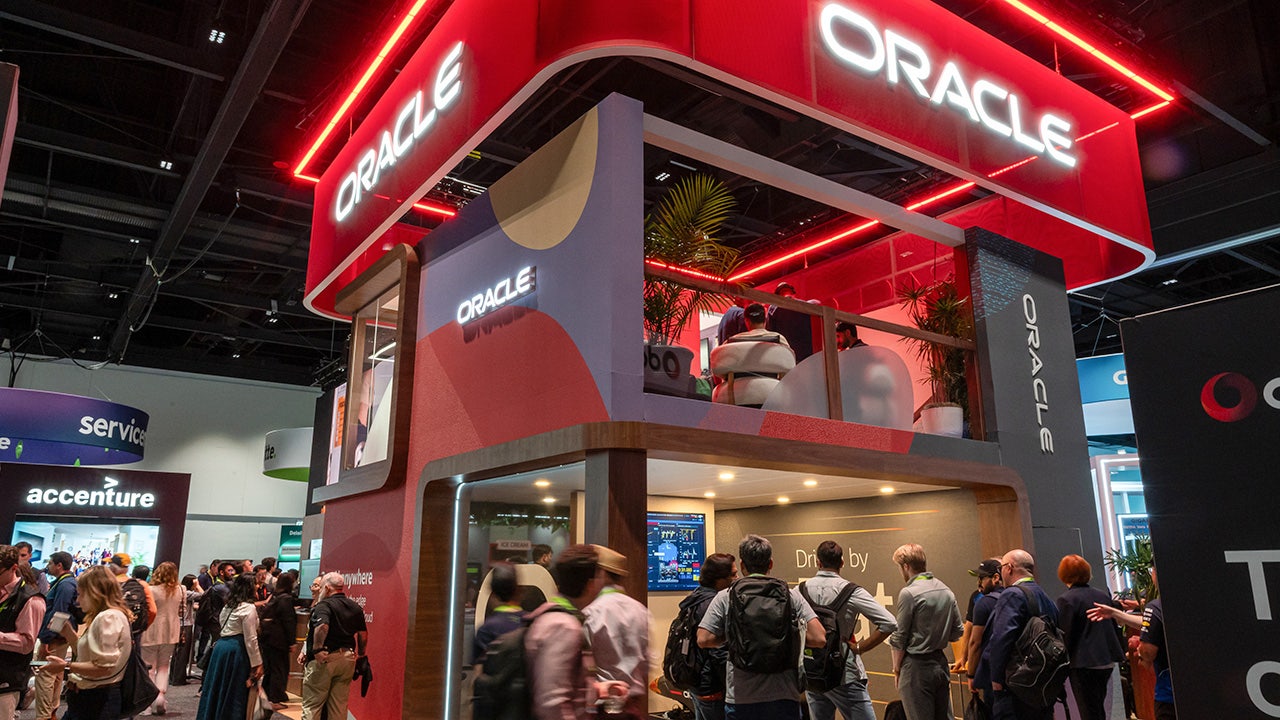
Catch up on the top artificial intelligence news and commentary by Wall Street analysts on publicly traded companies in the space with this daily recap compiled by The Fly.NVIDIA EARNINGS:Nvidiareported quarterly results last night. Both Q4 adjusted EPS and revenue came in above consensus estimates, with the chipmaker guiding Q1 revenue to $78B, plus or minus 2%, versus expectations of $72.03B. "Computing demand is growing exponentially - the agentic AI inflection point has arrived. Grace Blackwell with NVLink is the king of inference today - delivering an order-of-magnitude lower cost per token - and Vera Rubin will extend that leadership even further. Enterprise adoption of agents is skyrocketing. Our customers are racing to invest in AI compute - the factories powering the AI industrial revolution and their future growth," Jensen Huang, founder and CEO of Nvidia, said.POWER-COST PLEDGE:President Donald Trump is convening technology executives from companies including Amazon, Meta, Microsoft, Alphabet, Oracle, OpenAI, and xAI, to sign pledges committing their companies to foot the electricity bill for energy-hungry data centers, Bloomberg's Jennifer A Dlouhy and Hadriana Lowenkron. The promises would not be binding and would lack the force of law, but administration officials believe they could bring accountability and offer assurance to consumers, according to the report, which adds that the initiative is part of Trump's push to address mounting electricity prices before the November midterm elections, with data centers encountering a growing public backlash over their use of water, land, and backup power.USED BY HACKER:A hacker exploited Anthropic PBC's artificial intelligence chatbot to carry out attacks against Mexican government agencies, resulting in the theft of sensitive tax and voter information, Bloomberg's Andrew Martin and Carolina Millan. The hacker used the chatbot to find vulnerabilities in government networks, write computer scripts to exploit them, and determine ways to automate data theft, with the chatbot eventually complying with the attacker's requests, according to the report, which adds that the attack resulted in the theft of 150 gigabytes of Mexican government data, including documents related to taxpayer records, voter records, government employee credentials, and civil registry files.AI TO MODERATE PLATFORMS:Meta's use of AI to moderate its social media platforms has generated large volumes of useless reports on cases of child sexual abuse, which are hindering investigations at the U.S. Internet Crimes Against Children, ICAC, taskforce, Katie McQue of The Guardian. One ICAC officer said, "Meta is providing thousands of tips each month. It's pretty overwhelming because we're getting so many reports, but the quality of the reports is really lacking in terms of our ability to take serious action."NEW AI-POWERED UPDATES:Google is introducing new AI-powered features in Google Translate "designed to help you nail the tone of any conversation - from informal hangouts to professional meetings - when it matters most," says the company in a blog post. Thanks to Gemini's rich multilingual capabilities, Translate now offers helpful alternatives, which are especially useful for translating idioms and more colloquial phrases. To explore the nuances behind each option, uses should tap "understand" for a helpful overview, or "ask" to follow up with questions about your specific scenario - like ways of saying something in a particular country or dialect. They can try out this new experience today in the U.S. and India on the Translate app - Android and iOS - and coming soon to the web.AI GLASSES:Warby Parkerannounced on its Q4 earnings conference call that the company plans to introduce its first AI glasses in partnership with Googleand Samsung, which it expects will unlock significant new TAM and enable the company to "take advantage of the biggest technology shift in our lifetime." Warby Parker said, "These devices will bring the world's most advanced AI to glasses designed for all-day wear. Over the last 16 years, we have reimagined how people shop for eyewear, bringing together great design, exceptional value, and an unparalleled customer experience underpinned by technology, innovation, and customer obsession. Over time, we've seen how this powerful combination has drawn consumers to our brand and helped us capture market share."
Trade with 70% Backtested Accuracy
Analyst Views on NVDA

About NVDA
About the author

Nvidia Reopens Key AI Market in China Amid Risks

- Market Reopening: Nvidia has reopened its operations in China, one of the world's most crucial AI markets, presenting potential for revenue growth despite existing policy risks that complicate the narrative.
- Policy Risks: While the opportunities in the Chinese market are significant, uncertainties surrounding government regulations and market access could impact Nvidia's long-term strategic positioning in the region.
- Investment Opportunities: Analysts suggest that despite the high costs associated with re-entering the market, Nvidia could leverage technological innovation and adaptability to capture growth opportunities in China, enhancing its global competitiveness.
- Future Outlook: As demand for AI technology continues to rise in China, Nvidia's market strategy will need to be agile to navigate the complex policy landscape and maximize returns on its investments in the region.
Investors Remain Bullish on Artificial Intelligence Stocks
- Investor Confidence: According to recent research by The Motley Fool, 59% of investors surveyed on March 3, 2026, hold AI stocks, indicating strong investor confidence in AI despite the tech sector's slump.
- Youth Engagement: The survey reveals that Gen Z and millennials have the highest AI stock ownership rates at 67% and 66%, respectively, highlighting the younger generation's keen interest and willingness to invest in future technologies.
- Major Investment Plans: Leading tech giants like Alphabet, Amazon, Meta, and Microsoft are projected to spend between $600 billion and $700 billion on AI data centers by 2026, reflecting their commitment to the AI sector and confidence in future growth.
- Nvidia's Success Story: Nvidia's stock has surged 1,190% over the past five years, exemplifying a successful investment in AI infrastructure, which encourages investors to consider opportunities in this rapidly evolving field.

Nvidia Stock Pullback, Yet AI Market Outlook Remains Strong
- Market Leadership: Nvidia's stock surged 500% over the past three years, with a 65% revenue increase to $215 billion for the year, demonstrating robust market demand and profitability driven by its AI market dominance.
- Valuation Shift: For the first time in 13 years, Nvidia's price-to-earnings ratio has dipped below the S&P 500, currently at 19x compared to the S&P's 20x, which may entice growth investors to refocus on the stock.
- Investor Concerns: Despite Nvidia's strong performance, investors are worried about the sustainability of AI spending at the current pace, particularly amid poor U.S. economic data and the impact of the war in Iran, leading to a decline in stock price since the beginning of the year.
- Long-Term Growth Potential: Major tech companies have pledged nearly $700 billion in AI infrastructure investments, indicating soaring demand for AI products and services, while Nvidia's comprehensive positioning in AI technology is expected to provide substantial growth drivers moving forward.

Nvidia Stock Fluctuations Amid AI Prospects
- Stock Performance Review: Nvidia's stock soared 500% over the past three years but has recently declined due to a tough market environment, reflecting investor concerns about the sustainability of AI spending, especially amid disappointing U.S. economic data.
- Revenue Growth Situation: Despite Nvidia reporting a 65% year-over-year revenue increase to $215 billion in its February earnings report, the stock price has not mirrored this positive performance, indicating market caution regarding future growth.
- Valuation Change Analysis: For the first time in 13 years, Nvidia's price-to-earnings ratio has fallen below that of the S&P 500, currently at 19x compared to the S&P's average of about 20x, which may attract growth investors back to the stock.
- Long-Term Growth Potential: Although the stock faces short-term pressure, the ongoing demand in the AI sector suggests Nvidia's revenue is expected to soar by 77% this quarter, indicating strong long-term growth potential in the AI market.

Intel Buys Back Apollo's Stake for $14.2 Billion


- Stock Surge: Intel's shares closed at $48.03 on Wednesday, up 8.84%, primarily driven by the announcement of a $14.2 billion buyback of Apollo Global Management's 49% stake in its Fab 34 plant in Ireland, thereby restoring full control and enhancing its manufacturing base for AI-related products.
- Volume Spike: Trading volume reached 128.9 million shares, nearly 22% above the three-month average of 106.1 million shares, indicating strong investor interest and confidence in Intel's future AI investment prospects.
- Historical Performance: Since its IPO in 1980, Intel's stock has appreciated by 14,655%, reflecting its long-term competitiveness and market position in the semiconductor industry, even as the market reassesses AI chip demand.
- Market Reaction: Investors are generally optimistic about the deal, believing it will provide Intel with a longer runway for growth in AI investments, although the analyst team noted that Intel was not included in the current list of top investment stocks, suggesting a cautious outlook on its future performance.
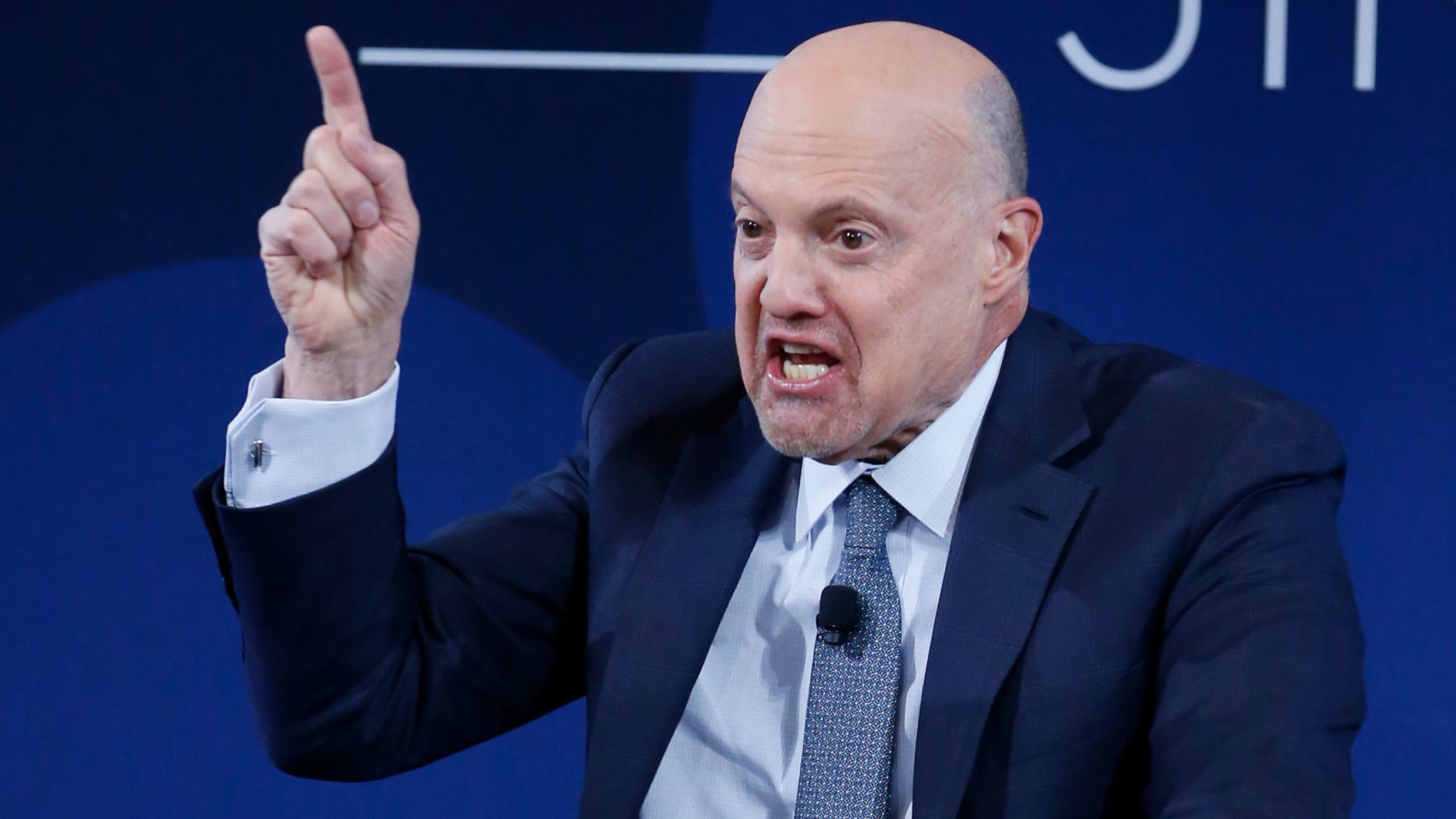
Market Rebound Lacks Leadership, Cramer Warns


- Market Rebound Analysis: Despite the Dow Jones Industrial Average rising by 0.48%, the S&P 500 by 0.72%, and the Nasdaq by 1.16%, the market's rebound is limited and lacks sustainable leadership, indicating ongoing economic confidence issues.
- Data Center Driven: Cramer noted that the current rally is primarily driven by data center-related companies, particularly memory and storage firms benefiting from AI demand; however, their rise is not due to strong execution but rather constrained supply that hampers capacity expansion.
- Leadership Deficiency: Cramer emphasized that the market needs true growth leaders like Nvidia rather than relying on companies that are merely benefiting from supply constraints, as the latter cannot provide sustainable market momentum.
- Economic Confidence Signals: Retail stocks showed mixed performance, financials remained largely flat, and homebuilders failed to rally meaningfully, all of which suggest that economic confidence remains shaky, with Cramer warning that the lack of follow-through in the rally is a significant red flag.
Nvidia Reopens Key AI Market in China Amid Risks
- Market Reopening: Nvidia has reopened its operations in China, one of the world's most crucial AI markets, presenting potential for revenue growth despite existing policy risks that complicate the narrative.
- Policy Risks: While the opportunities in the Chinese market are significant, uncertainties surrounding government regulations and market access could impact Nvidia's long-term strategic positioning in the region.
- Investment Opportunities: Analysts suggest that despite the high costs associated with re-entering the market, Nvidia could leverage technological innovation and adaptability to capture growth opportunities in China, enhancing its global competitiveness.
- Future Outlook: As demand for AI technology continues to rise in China, Nvidia's market strategy will need to be agile to navigate the complex policy landscape and maximize returns on its investments in the region.
Investors Remain Bullish on Artificial Intelligence Stocks
- Investor Confidence: According to recent research by The Motley Fool, 59% of investors surveyed on March 3, 2026, hold AI stocks, indicating strong investor confidence in AI despite the tech sector's slump.
- Youth Engagement: The survey reveals that Gen Z and millennials have the highest AI stock ownership rates at 67% and 66%, respectively, highlighting the younger generation's keen interest and willingness to invest in future technologies.
- Major Investment Plans: Leading tech giants like Alphabet, Amazon, Meta, and Microsoft are projected to spend between $600 billion and $700 billion on AI data centers by 2026, reflecting their commitment to the AI sector and confidence in future growth.
- Nvidia's Success Story: Nvidia's stock has surged 1,190% over the past five years, exemplifying a successful investment in AI infrastructure, which encourages investors to consider opportunities in this rapidly evolving field.
Nvidia Stock Pullback, Yet AI Market Outlook Remains Strong
- Market Leadership: Nvidia's stock surged 500% over the past three years, with a 65% revenue increase to $215 billion for the year, demonstrating robust market demand and profitability driven by its AI market dominance.
- Valuation Shift: For the first time in 13 years, Nvidia's price-to-earnings ratio has dipped below the S&P 500, currently at 19x compared to the S&P's 20x, which may entice growth investors to refocus on the stock.
- Investor Concerns: Despite Nvidia's strong performance, investors are worried about the sustainability of AI spending at the current pace, particularly amid poor U.S. economic data and the impact of the war in Iran, leading to a decline in stock price since the beginning of the year.
- Long-Term Growth Potential: Major tech companies have pledged nearly $700 billion in AI infrastructure investments, indicating soaring demand for AI products and services, while Nvidia's comprehensive positioning in AI technology is expected to provide substantial growth drivers moving forward.
Nvidia Stock Fluctuations Amid AI Prospects
- Stock Performance Review: Nvidia's stock soared 500% over the past three years but has recently declined due to a tough market environment, reflecting investor concerns about the sustainability of AI spending, especially amid disappointing U.S. economic data.
- Revenue Growth Situation: Despite Nvidia reporting a 65% year-over-year revenue increase to $215 billion in its February earnings report, the stock price has not mirrored this positive performance, indicating market caution regarding future growth.
- Valuation Change Analysis: For the first time in 13 years, Nvidia's price-to-earnings ratio has fallen below that of the S&P 500, currently at 19x compared to the S&P's average of about 20x, which may attract growth investors back to the stock.
- Long-Term Growth Potential: Although the stock faces short-term pressure, the ongoing demand in the AI sector suggests Nvidia's revenue is expected to soar by 77% this quarter, indicating strong long-term growth potential in the AI market.
Intel Buys Back Apollo's Stake for $14.2 Billion
- Stock Surge: Intel's shares closed at $48.03 on Wednesday, up 8.84%, primarily driven by the announcement of a $14.2 billion buyback of Apollo Global Management's 49% stake in its Fab 34 plant in Ireland, thereby restoring full control and enhancing its manufacturing base for AI-related products.
- Volume Spike: Trading volume reached 128.9 million shares, nearly 22% above the three-month average of 106.1 million shares, indicating strong investor interest and confidence in Intel's future AI investment prospects.
- Historical Performance: Since its IPO in 1980, Intel's stock has appreciated by 14,655%, reflecting its long-term competitiveness and market position in the semiconductor industry, even as the market reassesses AI chip demand.
- Market Reaction: Investors are generally optimistic about the deal, believing it will provide Intel with a longer runway for growth in AI investments, although the analyst team noted that Intel was not included in the current list of top investment stocks, suggesting a cautious outlook on its future performance.
Market Rebound Lacks Leadership, Cramer Warns
- Market Rebound Analysis: Despite the Dow Jones Industrial Average rising by 0.48%, the S&P 500 by 0.72%, and the Nasdaq by 1.16%, the market's rebound is limited and lacks sustainable leadership, indicating ongoing economic confidence issues.
- Data Center Driven: Cramer noted that the current rally is primarily driven by data center-related companies, particularly memory and storage firms benefiting from AI demand; however, their rise is not due to strong execution but rather constrained supply that hampers capacity expansion.
- Leadership Deficiency: Cramer emphasized that the market needs true growth leaders like Nvidia rather than relying on companies that are merely benefiting from supply constraints, as the latter cannot provide sustainable market momentum.
- Economic Confidence Signals: Retail stocks showed mixed performance, financials remained largely flat, and homebuilders failed to rally meaningfully, all of which suggest that economic confidence remains shaky, with Cramer warning that the lack of follow-through in the rally is a significant red flag.