Nvidia Partners with Corning, Invests $500M


Catch up on the top artificial intelligence news and commentary by Wall Street analysts on publicly traded companies in the space with this daily recap compiled by The Fly.AI INFRASTRUCTURE:Nvidiaand Corningannounced a multiyear commercial and technology partnership to dramatically expand U.S.-based manufacturing of the advanced optical connectivity solutions needed to power next-generation AI infrastructure. Corning will increase its U.S.-based optical connectivity manufacturing capacity by 10x and expand its U.S. fiber production capacity by more than 50% to meet the accelerating demand driven by AI factory buildouts. The expansion includes the construction of three new advanced manufacturing facilities in North Carolina and Texas and the creation of more than 3,000 new high-paying American jobs.Jensen Huang, founder and CEO of Nvidia, said, "AI is driving the largest infrastructure buildout of our time - and a once-in-a-generation opportunity to reinvigorate American manufacturing and supply chains. Together with Corning, we are inventing the future of computing with advanced optical technologies - building the foundation for AI infrastructure where intelligence moves at the speed of light while advancing the proud tradition of Made in America."In a regulatory filing, Corning disclosed that in connection with the long-term partnership with Nvidia, Corning entered into a securities purchase agreement with Nvidia pursuant to which the company issued and sold to Nvidia a warrant to purchase up to 15M shares of common stock of the company, at an exercise price of $180.00 per share, and a pre-funded warrant to purchase up to 3M shares of common stock at an exercise price of $0.0001 per share, for an aggregate purchase price of $500M.ROBUST AI-RELATED DEMAND:AMDtraded higher after the chipmaker gave an outlook that is stronger than expected due to robust AI-related demand. AMD reported Q1 adjusted EPS of $1.37 and revenue $10.3B, with consensus at $1.29 and $9.91B, respectively. "We delivered an outstanding first quarter, driven by accelerating demand for AI infrastructure, with Data Center now the primary driver of our revenue and earnings growth. We are seeing strong momentum as inferencing and agentic AI drive increasing demand for high-performance CPUs and accelerators. Looking ahead, we expect server growth to accelerate meaningfully as we scale supply to meet demand. Customer engagement around MI450 Series and Helios is strengthening, with leading customer forecasts exceeding our initial expectations and a growing pipeline of large-scale deployments providing us with increasing visibility into our growth trajectory," said Lisa Su, AMD chair and CEO.AMD also said it sees Q2 revenue in the range of $10.9B-$11.5B, with consensus at $10.52B. The mid-point of the revenue range represents year-over-year growth of approximately 46% and a sequential increase of approximately 9%. Non-GAAP gross margin is expected to be approximately 56%."First quarter results reflect strong performance across all key financial metrics, with accelerating revenue growth, earnings expansion and record quarterly free cash flow. These results highlight continued momentum and execution across the business, demonstrating the leverage in our operating model as we invest for accelerated growth while expanding profitability," said Jean Hu, AMD executive vice president, CFO and treasurer.CHATGPT ADS:OpenAIthe company is "taking the next step" in its ChatGPT ads pilot by making it easier for businesses to participate while keeping the experience "useful, private, and clearly separate from ChatGPT's answers." Advertisers can now create ChatGPT ads through partners or a new beta self-serve Ads Manager. OpenAI is also introducing cost-per-click bidding and expanded measurement tools. "We'll continue to support CPM (cost-per-mille impressions) and CPC buying, and over time expect to support more ways for advertisers to bid and optimize for the outcomes they care about most," the company explained.Meanwhile, Criteo provided an update on the company's integration with OpenAI. "In March 2026, we announced our integration with OpenAI's advertising pilot in ChatGPT, becoming the first advertising technology partner to integrate. Criteo was selected because of our ability to bring immediate scaled demand, global market reach, and a proven platform that marketers already use across channels. That combination made it possible to move quickly while keeping activation familiar for marketers and operationally simple across platforms. Today, OpenAI is expanding that vision with the launch of self-service ads, a meaningful step forward for the ecosystem that makes conversational AI accessible to more marketers... While we're still in the early stages of this partnership, momentum is building quickly," the company said. "As the pilot program continues to evolve, our focus remains on three priorities: keeping the user experience central, making AI-native media additive for marketers, and continuing to learn and scale responsibly."PARTNERSHIP WITH SPACEX:Anthropic said that it has "agreed to a partnership with SpaceX that will substantially increase" its compute capacity. "This, along with our other recent compute deals, means that we've been able to increase our usage limits for Claude Code and the Claude API... The following three changes-all effective today-are aimed at improving the experience of using Claude for our most dedicated customers. First, we're doubling Claude Code's five-hour rate limits for Pro, Max, Team, and seat-based Enterprise plans. Second, we're removing the peak hours limit reduction on Claude Code for Pro and Max accounts. Third, we're raising our API rate limits considerably for Claude Opus models... As part of this agreement, we have also expressed interest in partnering with SpaceX to develop multiple gigawatts of orbital AI compute capacity," the company said.GOOGLE CLOUD, CHIPS:Anthropic plans to spend about $200B on Google's (GOOGL; GOOG) cloud and chips over five years, representing more than 40% of the "revenue backlog" Google disclosed last week, The Information's Sri Muppidi, Erin Woo, and Amir Efrati.DELAYED AI SIRI:Applehas agreed to pay $250M to settle a U.S. false advertising lawsuit over its delayed AI-enhanced Siri features promoted during 2024 iPhone launches, resolving claims from iPhone 15 and 16 buyers without admitting wrongdoing ahead of an expected AI-focused product reveal, The Financial Times' Michael Acton. The lawsuit claimed that in 2024 Apple "promoted AI capabilities that did not exist at the time, do not exist now, and will not exist for two or more years" as it looked to drive more iPhone sales.
Trade with 70% Backtested Accuracy
Analyst Views on NVDA

About NVDA
About the author

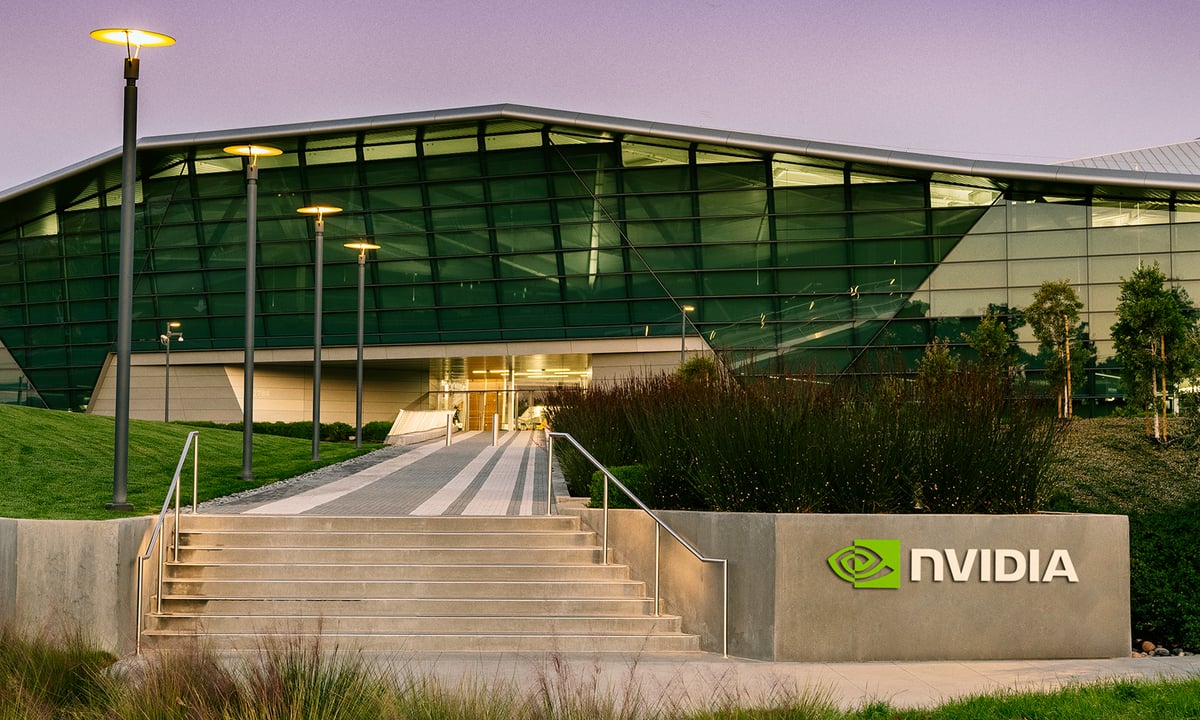
AI Drives Nvidia's Earnings Growth Amid Market Concerns

- Significant Earnings Growth: Nvidia achieved a remarkable 65% revenue growth in fiscal 2026, primarily driven by artificial intelligence, although concerns about future growth slowing persist in the market.
- Market Share Risks: While Nvidia maintains its leadership in the AI chip market, other semiconductor companies are actively developing their own AI chips, which could impact its market share, although this is unlikely to threaten its leadership position in the short term.
- Valuation Pressure: With a market cap of approximately $4.8 trillion, Nvidia's strong revenue growth is tempered by a P/E ratio of 40, and if the stock were to decline by 25% over the next 12 months, its P/E could drop to 18, potentially entering value stock territory.
- Investor Strategy: Despite the potential for AI growth to slow, investors are advised to hold Nvidia shares, as current performance remains robust and valuations may adjust downward in the future, thereby limiting potential downside risks.
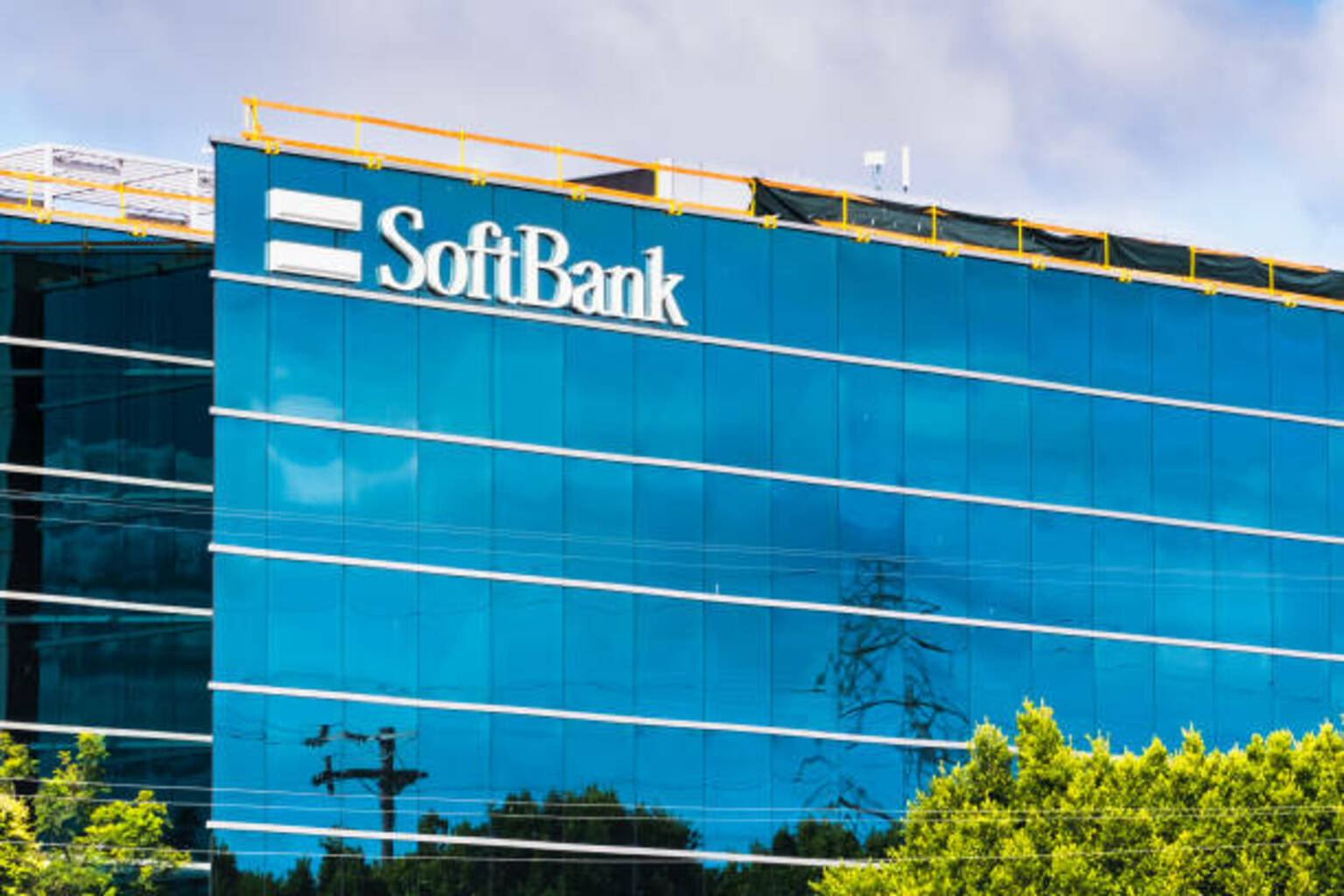
SoftBank Plans Local AI Server Development
- Local AI Server Development: SoftBank plans to start designing and assembling local AI servers by the end of the decade to meet the growing demand for sovereign AI services, which is expected to significantly enhance its competitive edge in the AI market.
- Partnership Formation: SoftBank has initiated discussions with Nvidia and Foxconn to leverage Nvidia's GPU certification program and Foxconn's manufacturing capabilities, thereby strengthening its technological prowess and market position in high-performance server development.
- Manufacturing System Establishment: SoftBank aims to build a production base at a former Sharp plant, transitioning from assembling externally sourced components to eventually controlling the entire server production process, which will help improve production efficiency and reduce costs.
- AI Infrastructure Integration: The new servers will not only be used in SoftBank's data centers but will also support its AI-RAN integrated infrastructure, designed to handle communication and AI processing simultaneously, further advancing its strategic positioning in the AI sector.
Can Eli Lilly Reclaim a $1 Trillion Market Cap?

- Market Leadership: Eli Lilly's leadership in the weight loss market positions it to potentially achieve an 11.7% compound annual growth rate over the next seven years; despite facing intense competition, its robust pipeline of candidates could support significant clinical progress, which may drive a rebound in its stock price.
- Diversification Strategy: Eli Lilly has significantly expanded its drug pipeline through acquisitions, particularly with breakthroughs in Alzheimer's disease, such as the approval of Kisunla, which has positively impacted its stock; further successes in other therapeutic areas could enhance the company's stock performance.
- AI Technology Investment: Eli Lilly has built the most powerful AI supercomputer in the pharmaceutical industry in partnership with Nvidia, and while AI may not transform the business overnight, even modest productivity gains could have a meaningful impact on the company's operations in the coming years.
- Long-Term Growth Potential: Even if Eli Lilly does not meet every growth criterion, its dominance in the weight loss market and extensive drug pipeline suggest strong financial performance ahead, and its impressive dividend growth over the past five years adds to its attractiveness for investors.
Trade Desk Faces Publicis Challenge Amid Earnings Miss

- Publicis Controversy Impact: Trade Desk's Q1 2026 earnings miss led to a 13.11% drop in pre-market trading, primarily due to Publicis's concerns over pricing and transparency, which could result in client losses and significantly impact Q2 and Q3 revenues.
- Margin Pressure: The company targets a full-year adjusted EBITDA margin of 40%, yet reported only 30% in Q1, necessitating substantial revenue growth or aggressive cost control in the second half, with management failing to provide a clear strategy, thus increasing market uncertainty.
- Long-Term Outlook Remains Positive: Despite short-term challenges, Trade Desk's long-term strategies, including open internet principles, retail media, and AI search, remain attractive, with Jeff Green's $150 million stock purchase reflecting confidence in the company's future.
- Cautious Market Reaction: Although Publicis's audit found no issues, the market's response to Trade Desk remains cautious, with heightened investor concerns about future profitability and market share, indicating a strong focus on the company's near-term performance.
Nvidia Reaches Historic Market Capitalization High

- Market Capitalization Milestone: Nvidia reached a historic market cap of $5.26 trillion on April 27, currently valued at $5.17 trillion, solidifying its position as the largest publicly traded company in history.
- Strong Growth Trajectory: The company's market cap has surged over 80% in the past year and more than 1,300% over the last five years, reflecting robust performance and sustained demand in the semiconductor sector.
- Enhanced Profitability: Nvidia's revenue has increased by over 250% in the last three years, with net income rising more than 300% and free cash flow up over 200%, indicating significant improvements in profitability.
- Investment Opportunity: Despite recent stock price volatility, analysts anticipate that Nvidia's upcoming Q1 earnings report will exceed expectations, suggesting that the company remains a worthwhile long-term investment.

Oklo Stock Rebounds 46.2% After 31% Plunge in Q1 2026

- Stock Rebound: After a 31% drop in Q1 2026, Oklo's shares surged 46.2% in April, erasing previous losses and returning to positive territory for the year, reflecting strong market confidence in its future prospects.
- Strategic Collaboration: Oklo's partnership with Nvidia and Los Alamos National Laboratory aims to develop Aurora fast fission nuclear power plants, leveraging Nvidia's AI technology to accelerate nuclear fuel research, indicating a rising demand for nuclear-powered infrastructure.
- Policy Support: The White House launched the National Initiative for American Space Nuclear Power on April 14, prioritizing space nuclear reactors as a national strategy, which aligns with Oklo's technology and could enhance its market position.
- Market Outlook: Oklo will release its Q1 earnings on May 12; while still in the development stage, management's insights on cash position and regulatory progress will be crucial for determining the stock's momentum following April's rally.
AI Drives Nvidia's Earnings Growth Amid Market Concerns
- Significant Earnings Growth: Nvidia achieved a remarkable 65% revenue growth in fiscal 2026, primarily driven by artificial intelligence, although concerns about future growth slowing persist in the market.
- Market Share Risks: While Nvidia maintains its leadership in the AI chip market, other semiconductor companies are actively developing their own AI chips, which could impact its market share, although this is unlikely to threaten its leadership position in the short term.
- Valuation Pressure: With a market cap of approximately $4.8 trillion, Nvidia's strong revenue growth is tempered by a P/E ratio of 40, and if the stock were to decline by 25% over the next 12 months, its P/E could drop to 18, potentially entering value stock territory.
- Investor Strategy: Despite the potential for AI growth to slow, investors are advised to hold Nvidia shares, as current performance remains robust and valuations may adjust downward in the future, thereby limiting potential downside risks.
SoftBank Plans Local AI Server Development
- Local AI Server Development: SoftBank plans to start designing and assembling local AI servers by the end of the decade to meet the growing demand for sovereign AI services, which is expected to significantly enhance its competitive edge in the AI market.
- Partnership Formation: SoftBank has initiated discussions with Nvidia and Foxconn to leverage Nvidia's GPU certification program and Foxconn's manufacturing capabilities, thereby strengthening its technological prowess and market position in high-performance server development.
- Manufacturing System Establishment: SoftBank aims to build a production base at a former Sharp plant, transitioning from assembling externally sourced components to eventually controlling the entire server production process, which will help improve production efficiency and reduce costs.
- AI Infrastructure Integration: The new servers will not only be used in SoftBank's data centers but will also support its AI-RAN integrated infrastructure, designed to handle communication and AI processing simultaneously, further advancing its strategic positioning in the AI sector.
Can Eli Lilly Reclaim a $1 Trillion Market Cap?
- Market Leadership: Eli Lilly's leadership in the weight loss market positions it to potentially achieve an 11.7% compound annual growth rate over the next seven years; despite facing intense competition, its robust pipeline of candidates could support significant clinical progress, which may drive a rebound in its stock price.
- Diversification Strategy: Eli Lilly has significantly expanded its drug pipeline through acquisitions, particularly with breakthroughs in Alzheimer's disease, such as the approval of Kisunla, which has positively impacted its stock; further successes in other therapeutic areas could enhance the company's stock performance.
- AI Technology Investment: Eli Lilly has built the most powerful AI supercomputer in the pharmaceutical industry in partnership with Nvidia, and while AI may not transform the business overnight, even modest productivity gains could have a meaningful impact on the company's operations in the coming years.
- Long-Term Growth Potential: Even if Eli Lilly does not meet every growth criterion, its dominance in the weight loss market and extensive drug pipeline suggest strong financial performance ahead, and its impressive dividend growth over the past five years adds to its attractiveness for investors.
Trade Desk Faces Publicis Challenge Amid Earnings Miss
- Publicis Controversy Impact: Trade Desk's Q1 2026 earnings miss led to a 13.11% drop in pre-market trading, primarily due to Publicis's concerns over pricing and transparency, which could result in client losses and significantly impact Q2 and Q3 revenues.
- Margin Pressure: The company targets a full-year adjusted EBITDA margin of 40%, yet reported only 30% in Q1, necessitating substantial revenue growth or aggressive cost control in the second half, with management failing to provide a clear strategy, thus increasing market uncertainty.
- Long-Term Outlook Remains Positive: Despite short-term challenges, Trade Desk's long-term strategies, including open internet principles, retail media, and AI search, remain attractive, with Jeff Green's $150 million stock purchase reflecting confidence in the company's future.
- Cautious Market Reaction: Although Publicis's audit found no issues, the market's response to Trade Desk remains cautious, with heightened investor concerns about future profitability and market share, indicating a strong focus on the company's near-term performance.
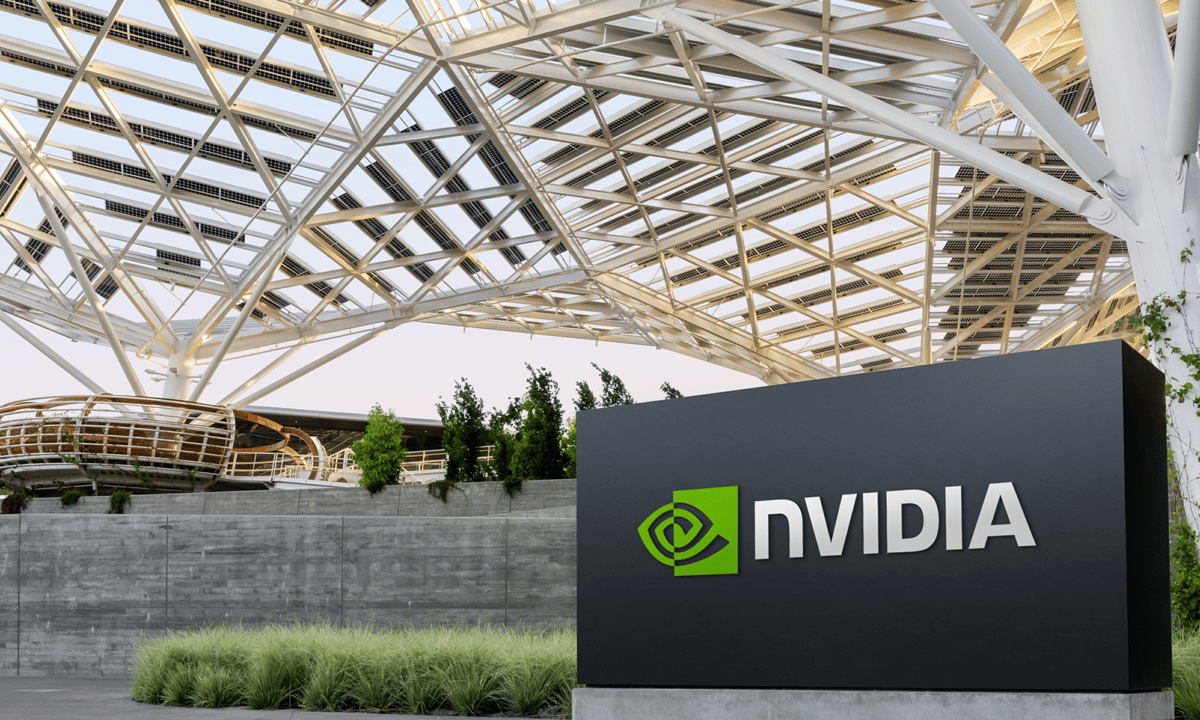
Nvidia Reaches Historic Market Capitalization High
- Market Capitalization Milestone: Nvidia reached a historic market cap of $5.26 trillion on April 27, currently valued at $5.17 trillion, solidifying its position as the largest publicly traded company in history.
- Strong Growth Trajectory: The company's market cap has surged over 80% in the past year and more than 1,300% over the last five years, reflecting robust performance and sustained demand in the semiconductor sector.
- Enhanced Profitability: Nvidia's revenue has increased by over 250% in the last three years, with net income rising more than 300% and free cash flow up over 200%, indicating significant improvements in profitability.
- Investment Opportunity: Despite recent stock price volatility, analysts anticipate that Nvidia's upcoming Q1 earnings report will exceed expectations, suggesting that the company remains a worthwhile long-term investment.
Oklo Stock Rebounds 46.2% After 31% Plunge in Q1 2026
- Stock Rebound: After a 31% drop in Q1 2026, Oklo's shares surged 46.2% in April, erasing previous losses and returning to positive territory for the year, reflecting strong market confidence in its future prospects.
- Strategic Collaboration: Oklo's partnership with Nvidia and Los Alamos National Laboratory aims to develop Aurora fast fission nuclear power plants, leveraging Nvidia's AI technology to accelerate nuclear fuel research, indicating a rising demand for nuclear-powered infrastructure.
- Policy Support: The White House launched the National Initiative for American Space Nuclear Power on April 14, prioritizing space nuclear reactors as a national strategy, which aligns with Oklo's technology and could enhance its market position.
- Market Outlook: Oklo will release its Q1 earnings on May 12; while still in the development stage, management's insights on cash position and regulatory progress will be crucial for determining the stock's momentum following April's rally.