Novartis' Itvisma Receives Positive CHMP Opinion in EU
Novartis announced that the Committee for Medicinal Products for Human Use, CHMP, of the European Medicines Agency, EMA, has adopted a positive opinion recommending marketing authorization for Itvisma. The opinion supports its use for the treatment of children two years and older, teens, and adults living with 5q spinal muscular atrophy with a bi-allelic mutation in the survival motor neuron 1 gene. The CHMP opinion is based on data from the registrational Steer study, and supportive Phase IIIb Strength and Phase I/II Strong studies. In Steer, Itvisma demonstrated a statistically significant 2.39-point improvement in the Hammersmith Functional Motor Scale with effects sustained over 52 weeks of follow-up. The Steer and Strength studies also showed clinically meaningful benefit for treatment-naive and pre-treated patients.
Trade with 70% Backtested Accuracy
Analyst Views on NVS

About NVS
About the author

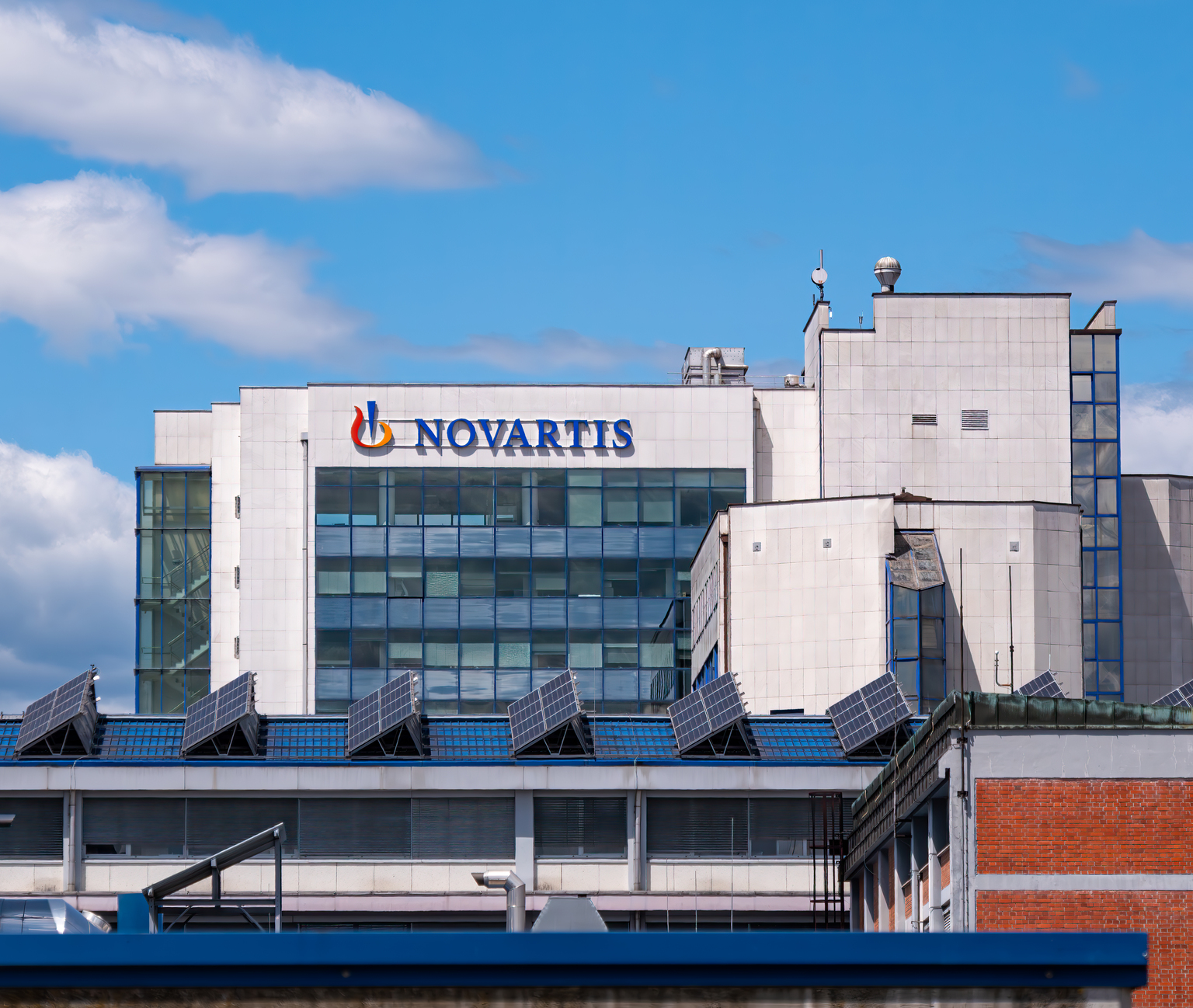
Novartis Launches First Antimalarial for Newborns

- WHO Prequalification: The World Health Organization has prequalified Novartis' Coartem® Baby, the first antimalarial specifically developed for newborns and infants weighing 2 to 5 kilograms, marking a key step towards enabling widespread access through public sector procurement.
- Innovative Drug: This formulation addresses the lack of antimalarial medicines specifically designed for treating uncomplicated malaria in children of this weight range, thereby enhancing health security for vulnerable populations.
- Not-for-Profit Availability: Novartis plans to make this treatment available largely on a not-for-profit basis in malaria-endemic regions, aiming to reduce economic barriers to access and improve global public health outcomes.
- Global Health Initiatives: Novartis aims to broaden its global community health initiatives to reach over 30 countries by 2030, further demonstrating its commitment to combating malaria and improving child health.

Novartis Withdraws EMA Application for Pluvicto in Prostate Cancer
- Application Withdrawal Reason: Novartis withdrew its application for Pluvicto's expanded use in prostate cancer after the EMA indicated it would not support the submission due to concerns regarding the control arm design in the PSMAfore study, highlighting the regulatory scrutiny on study designs.
- Scope of Impact: The company emphasized that the withdrawal is unrelated to the quality, efficacy, or safety of Pluvicto and does not affect ongoing clinical trials or regulatory submissions elsewhere, demonstrating confidence in the drug's overall prospects.
- Market Reaction: Novartis's stock has traded between $104.93 and $170.46 over the past year, currently at $145.34, down 1.45%, reflecting negative market sentiment regarding the withdrawal and potentially impacting investor confidence.
- Future Outlook: Novartis expressed disappointment over the outcome but remains committed to advancing treatment options for prostate cancer patients, indicating the company's ongoing dedication to innovation despite regulatory challenges.
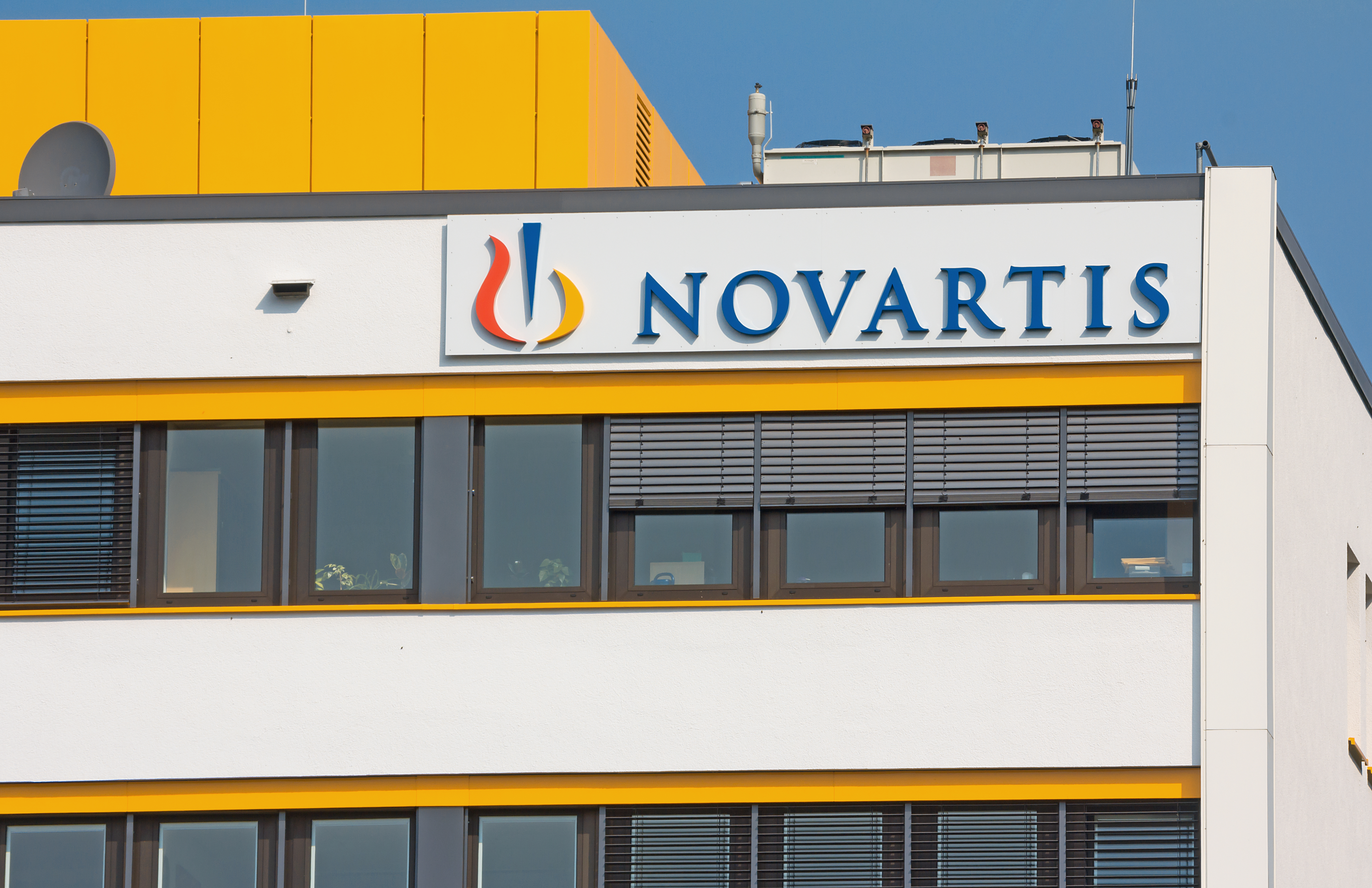
Novartis Withdraws EU Application for Pluvicto
- Withdrawal Reason: Novartis announced the withdrawal of its EU marketing application for Pluvicto due to regulatory feedback, which aimed to broaden the use of radiotherapy for metastatic castration-resistant prostate cancer (mCRPC), highlighting concerns from regulators regarding its clinical study.
- Regulatory Feedback: The European Medicines Agency (EMA) expert panel expressed concerns over the PSMAfore study that supported the drug's U.S. approval, indicating that its control arm would not support the marketing bid, directly impacting Novartis's expansion plans.
- Market Impact: This withdrawal may limit Novartis's market share in the prostate cancer treatment sector, affecting its future revenue growth and product diversification strategy, especially in a highly competitive pharmaceutical market.
- Company Commitment: Despite this setback, Novartis remains committed to advancing treatment options for prostate cancer patients, demonstrating its long-term dedication to research and market expansion.

EMA Endorses Five New Medicines Including Sanofi's Autoimmune Drug

- New Drug Endorsements: The EMA expert panel endorsed five new medicines this week, including Sanofi's (SNY) autoimmune drug Cenrifki, which targets multiple sclerosis and is expected to significantly improve patient quality of life.
- Sanofi's Drug Progress: Cenrifki received a positive opinion from the CHMP for patients with secondary progressive multiple sclerosis who have not relapsed in the past two years, with final approval anticipated in the coming months.
- Arrowhead's Approval: Arrowhead Pharmaceuticals (ARWR) received a positive opinion for its RNA medicine Redemplo (plozasiran), aimed at reducing triglycerides in adults with familial chylomicronemia syndrome, with a final decision expected in Q2 2026.
- Novartis Gene Therapy: Novartis (NVS) announced that its gene therapy Itvisma received CHMP recommendation for patients aged two and older with spinal muscular atrophy, with final authorization expected in roughly two months, further enhancing the company's position in the rare disease market.

Novartis Launches Newborn Malaria Treatment
- WHO Prequalification: Novartis' Coartem Baby has received prequalification from the World Health Organization, becoming the first malaria treatment specifically developed for newborns and young infants weighing between 2 and 5 kilograms, paving the way for broader access through public sector procurement and donor-funded programs, addressing a long-standing treatment gap.
- Targeted Treatment: Previously, infants under 4.5 kilograms had no approved treatment options and often received medications designed for older children, which posed risks of side effects and toxicity; the introduction of Coartem Baby provides physicians with a safe treatment option, enhancing their confidence in managing malaria in this vulnerable population.
- Market Expansion Plans: Novartis has already launched the therapy in Ghana and plans to expand access across malaria-endemic countries, demonstrating the company's commitment to improving newborn health while reflecting its ongoing investment in combating drug resistance.
- Public Health Milestone: The WHO prequalification ensures that procurement agencies can now include Coartem Baby in their supply chains, offering the first dedicated treatment option designed with the safety and needs of millions of newborns born in malaria-risk regions each year in mind.

Analysis of Dividend Stocks in the Pharmaceutical Industry

- Merck's Challenges and Opportunities: Despite declining sales of its HPV vaccines due to issues in Asia, Merck's Keytruda remains the world's best-selling cancer drug, with a new subcutaneous version expected to attract more patients in the next two years, thereby sustaining sales growth and enhancing market competitiveness.
- Merck's Financial Performance: With a market cap of $285 billion and a current stock price of $118.32, Merck boasts a dividend yield of 2.88% and has increased its dividends by 93.8% over the past decade, demonstrating strong financial stability and long-term investment appeal.
- Novartis' Diversification Advantage: After losing patent exclusivity for Entresto, Novartis still managed revenue growth in 2025, with 15 of its medicines generating over $1 billion in annual sales, showcasing the depth of its product lineup and market adaptability.
- Novartis' Dividend Performance: Novartis has a market cap of $274 billion and a current stock price of $152.25, with a dividend yield of 3.17%, having raised its dividends every year since 1996, reflecting the safety and attractiveness of its dividend policy.
Novartis Launches First Antimalarial for Newborns
- WHO Prequalification: The World Health Organization has prequalified Novartis' Coartem® Baby, the first antimalarial specifically developed for newborns and infants weighing 2 to 5 kilograms, marking a key step towards enabling widespread access through public sector procurement.
- Innovative Drug: This formulation addresses the lack of antimalarial medicines specifically designed for treating uncomplicated malaria in children of this weight range, thereby enhancing health security for vulnerable populations.
- Not-for-Profit Availability: Novartis plans to make this treatment available largely on a not-for-profit basis in malaria-endemic regions, aiming to reduce economic barriers to access and improve global public health outcomes.
- Global Health Initiatives: Novartis aims to broaden its global community health initiatives to reach over 30 countries by 2030, further demonstrating its commitment to combating malaria and improving child health.
Novartis Withdraws EMA Application for Pluvicto in Prostate Cancer
- Application Withdrawal Reason: Novartis withdrew its application for Pluvicto's expanded use in prostate cancer after the EMA indicated it would not support the submission due to concerns regarding the control arm design in the PSMAfore study, highlighting the regulatory scrutiny on study designs.
- Scope of Impact: The company emphasized that the withdrawal is unrelated to the quality, efficacy, or safety of Pluvicto and does not affect ongoing clinical trials or regulatory submissions elsewhere, demonstrating confidence in the drug's overall prospects.
- Market Reaction: Novartis's stock has traded between $104.93 and $170.46 over the past year, currently at $145.34, down 1.45%, reflecting negative market sentiment regarding the withdrawal and potentially impacting investor confidence.
- Future Outlook: Novartis expressed disappointment over the outcome but remains committed to advancing treatment options for prostate cancer patients, indicating the company's ongoing dedication to innovation despite regulatory challenges.
Novartis Withdraws EU Application for Pluvicto
- Withdrawal Reason: Novartis announced the withdrawal of its EU marketing application for Pluvicto due to regulatory feedback, which aimed to broaden the use of radiotherapy for metastatic castration-resistant prostate cancer (mCRPC), highlighting concerns from regulators regarding its clinical study.
- Regulatory Feedback: The European Medicines Agency (EMA) expert panel expressed concerns over the PSMAfore study that supported the drug's U.S. approval, indicating that its control arm would not support the marketing bid, directly impacting Novartis's expansion plans.
- Market Impact: This withdrawal may limit Novartis's market share in the prostate cancer treatment sector, affecting its future revenue growth and product diversification strategy, especially in a highly competitive pharmaceutical market.
- Company Commitment: Despite this setback, Novartis remains committed to advancing treatment options for prostate cancer patients, demonstrating its long-term dedication to research and market expansion.
EMA Endorses Five New Medicines Including Sanofi's Autoimmune Drug
- New Drug Endorsements: The EMA expert panel endorsed five new medicines this week, including Sanofi's (SNY) autoimmune drug Cenrifki, which targets multiple sclerosis and is expected to significantly improve patient quality of life.
- Sanofi's Drug Progress: Cenrifki received a positive opinion from the CHMP for patients with secondary progressive multiple sclerosis who have not relapsed in the past two years, with final approval anticipated in the coming months.
- Arrowhead's Approval: Arrowhead Pharmaceuticals (ARWR) received a positive opinion for its RNA medicine Redemplo (plozasiran), aimed at reducing triglycerides in adults with familial chylomicronemia syndrome, with a final decision expected in Q2 2026.
- Novartis Gene Therapy: Novartis (NVS) announced that its gene therapy Itvisma received CHMP recommendation for patients aged two and older with spinal muscular atrophy, with final authorization expected in roughly two months, further enhancing the company's position in the rare disease market.
Novartis Launches Newborn Malaria Treatment
- WHO Prequalification: Novartis' Coartem Baby has received prequalification from the World Health Organization, becoming the first malaria treatment specifically developed for newborns and young infants weighing between 2 and 5 kilograms, paving the way for broader access through public sector procurement and donor-funded programs, addressing a long-standing treatment gap.
- Targeted Treatment: Previously, infants under 4.5 kilograms had no approved treatment options and often received medications designed for older children, which posed risks of side effects and toxicity; the introduction of Coartem Baby provides physicians with a safe treatment option, enhancing their confidence in managing malaria in this vulnerable population.
- Market Expansion Plans: Novartis has already launched the therapy in Ghana and plans to expand access across malaria-endemic countries, demonstrating the company's commitment to improving newborn health while reflecting its ongoing investment in combating drug resistance.
- Public Health Milestone: The WHO prequalification ensures that procurement agencies can now include Coartem Baby in their supply chains, offering the first dedicated treatment option designed with the safety and needs of millions of newborns born in malaria-risk regions each year in mind.
Analysis of Dividend Stocks in the Pharmaceutical Industry
- Merck's Challenges and Opportunities: Despite declining sales of its HPV vaccines due to issues in Asia, Merck's Keytruda remains the world's best-selling cancer drug, with a new subcutaneous version expected to attract more patients in the next two years, thereby sustaining sales growth and enhancing market competitiveness.
- Merck's Financial Performance: With a market cap of $285 billion and a current stock price of $118.32, Merck boasts a dividend yield of 2.88% and has increased its dividends by 93.8% over the past decade, demonstrating strong financial stability and long-term investment appeal.
- Novartis' Diversification Advantage: After losing patent exclusivity for Entresto, Novartis still managed revenue growth in 2025, with 15 of its medicines generating over $1 billion in annual sales, showcasing the depth of its product lineup and market adaptability.
- Novartis' Dividend Performance: Novartis has a market cap of $274 billion and a current stock price of $152.25, with a dividend yield of 3.17%, having raised its dividends every year since 1996, reflecting the safety and attractiveness of its dividend policy.