Novartis Expands Heart Disease and Cancer Treatment Programs
- Program Expansion: Novartis announced the expansion of its heart disease and cancer treatment programs from 11 to over 30 countries, with plans to implement initiatives in five U.S. cities by 2030, addressing the slowdown in public health efforts against chronic diseases.
- Community Collaboration: Each program will involve partnerships with local organizations, health authorities, and private businesses to enhance access to prevention and early detection services, improve follow-up care, and expedite the referral process for specialist treatment, thereby better serving marginalized communities.
- Strategic Importance: This initiative not only reflects Novartis's commitment to addressing global health disparities but also aims to enhance patient outcomes and quality of life by strengthening community health systems, further solidifying its leadership position in the global pharmaceutical industry.
- Future Outlook: Novartis's expansion plan aligns with its commitment to achieving growth despite facing 'historic' patent cliffs, demonstrating the company's adaptability in response to innovation and changing market demands.
Trade with 70% Backtested Accuracy
Analyst Views on NVS

About NVS
About the author


SIDEWINDER THERAPEUTICS SECURES FUNDING WITH SUPPORT FROM FRAZIER LIFE SCIENCES AND NOVARTIS VENTURE FUND

Funding Announcement: The article discusses a new funding initiative in the therapeutics sector, co-led by major companies including Frazer Life Sciences and Novartis Venture Fund.
Investment Focus: The funding aims to support innovative therapeutic solutions, highlighting the growing interest and investment in healthcare advancements.
Novartis Expands Heart Disease and Cancer Treatment Programs
- Program Expansion: Novartis announced the expansion of its heart disease and cancer treatment programs from 11 to over 30 countries, with plans to implement initiatives in five U.S. cities by 2030, addressing the slowdown in public health efforts against chronic diseases.
- Community Collaboration: Each program will involve partnerships with local organizations, health authorities, and private businesses to enhance access to prevention and early detection services, improve follow-up care, and expedite the referral process for specialist treatment, thereby better serving marginalized communities.
- Strategic Importance: This initiative not only reflects Novartis's commitment to addressing global health disparities but also aims to enhance patient outcomes and quality of life by strengthening community health systems, further solidifying its leadership position in the global pharmaceutical industry.
- Future Outlook: Novartis's expansion plan aligns with its commitment to achieving growth despite facing 'historic' patent cliffs, demonstrating the company's adaptability in response to innovation and changing market demands.

Impact of Trump's Tariffs One Year Later


- Widespread Tariff Impact: Trump's tariff policies have placed significant economic pressure on U.S. businesses over the past year, with approximately 80% to 85% of costs absorbed by companies, leading to reduced profits and increased consumer prices, thereby exacerbating overall economic uncertainty.
- Retail Sector Adaptation: While large retailers like Walmart have emerged relatively unscathed, smaller businesses have been severely impacted, with Home Depot aiming to limit purchases from any single country to 10% to reduce dependency and enhance supply chain flexibility.
- Automotive Industry Cost Surge: Automakers such as General Motors and Toyota are facing tariff impacts estimated at up to $9.5 billion, and although the Trump administration has taken steps to alleviate overlapping tariffs, overall costs remain significant, forcing companies to reassess their supply chain strategies.
- Pharmaceutical Sector Stability: Pharmaceutical companies have secured three-year tariff exemptions through pricing agreements with Trump, although new tariffs impose 100% on companies that do not reach agreements, the overall industry is still striving to increase investments in U.S. manufacturing.
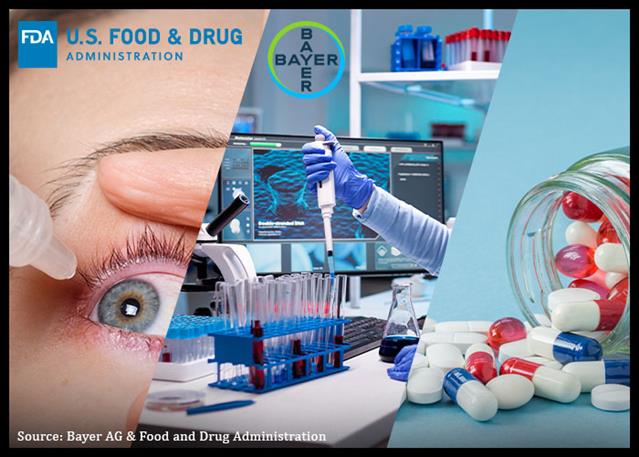
Biotech Landscape Update: Regulatory Approvals and Acquisitions
- ARS Pharma Expands Neffy Label: ARS Pharmaceuticals received FDA approval to update the Neffy 1mg label, removing age restrictions for individuals weighing over 33 lbs, which is expected to significantly boost market demand and enhance the company's competitive edge in allergy treatment.
- Novo Nordisk Wins Approval for Awiqli: Novo Nordisk's Awiqli (insulin icodec-abae) received FDA approval as the first once-weekly basal insulin, with a U.S. launch planned for 2H 2026, strengthening the company's leadership in diabetes care.
- Biogen Acquires Apellis: Biogen has agreed to acquire Apellis for $41 per share, valuing the deal at approximately $5.6 billion, which is expected to enhance its market share in immunology and rare diseases while driving future revenue growth.
- Takeda's Zasocitinib Clinical Trial Success: Takeda's Zasocitinib showed that about 70% of patients achieved significant skin clearance in Phase 3 trials, with plans to submit a New Drug Application in 2026, further solidifying its position in the dermatology market.
Eli Lilly's AI Investment: Implications for Its Stock Performance.


Eli Lilly's AI Integration: Eli Lilly is positioning itself as a leader in the healthcare industry's integration of artificial intelligence, indicating it has been proactive in this area.
Industry Response: The healthcare sector is currently working to adopt AI technologies, highlighting a broader trend towards innovation in medical practices.
Novartis' Fabhalta Significantly Reduces Kidney Failure Risk
- Clinical Trial Results: In the APPLAUSE-IgAN study, Fabhalta significantly reduced the risk of kidney failure, with patients experiencing a 49.3% slower decline in kidney function compared to placebo, indicating its critical role in delaying disease progression in IgAN patients.
- Proteinuria Improvement: Over two years, 40.7% of patients on Fabhalta achieved the target of less than 1g/g proteinuria in 24-hour urine collections, significantly outperforming the 23.7% in the placebo group, highlighting Fabhalta's potential in enhancing kidney health.
- FDA Priority Review: Fabhalta has received priority review from the FDA based on its novel mechanism of action and robust data, which is expected to provide more effective treatment options for IgAN patients and further solidify Novartis's leadership in the kidney disease sector.
- Safety Assessment: The safety profile of Fabhalta over two years was consistent with previous findings, with low rates of adverse events comparable to placebo, establishing a solid foundation for its long-term use and enhancing patient confidence in the treatment.
SIDEWINDER THERAPEUTICS SECURES FUNDING WITH SUPPORT FROM FRAZIER LIFE SCIENCES AND NOVARTIS VENTURE FUND
Funding Announcement: The article discusses a new funding initiative in the therapeutics sector, co-led by major companies including Frazer Life Sciences and Novartis Venture Fund.
Investment Focus: The funding aims to support innovative therapeutic solutions, highlighting the growing interest and investment in healthcare advancements.
Novartis Expands Heart Disease and Cancer Treatment Programs
- Program Expansion: Novartis announced the expansion of its heart disease and cancer treatment programs from 11 to over 30 countries, with plans to implement initiatives in five U.S. cities by 2030, addressing the slowdown in public health efforts against chronic diseases.
- Community Collaboration: Each program will involve partnerships with local organizations, health authorities, and private businesses to enhance access to prevention and early detection services, improve follow-up care, and expedite the referral process for specialist treatment, thereby better serving marginalized communities.
- Strategic Importance: This initiative not only reflects Novartis's commitment to addressing global health disparities but also aims to enhance patient outcomes and quality of life by strengthening community health systems, further solidifying its leadership position in the global pharmaceutical industry.
- Future Outlook: Novartis's expansion plan aligns with its commitment to achieving growth despite facing 'historic' patent cliffs, demonstrating the company's adaptability in response to innovation and changing market demands.
Impact of Trump's Tariffs One Year Later
- Widespread Tariff Impact: Trump's tariff policies have placed significant economic pressure on U.S. businesses over the past year, with approximately 80% to 85% of costs absorbed by companies, leading to reduced profits and increased consumer prices, thereby exacerbating overall economic uncertainty.
- Retail Sector Adaptation: While large retailers like Walmart have emerged relatively unscathed, smaller businesses have been severely impacted, with Home Depot aiming to limit purchases from any single country to 10% to reduce dependency and enhance supply chain flexibility.
- Automotive Industry Cost Surge: Automakers such as General Motors and Toyota are facing tariff impacts estimated at up to $9.5 billion, and although the Trump administration has taken steps to alleviate overlapping tariffs, overall costs remain significant, forcing companies to reassess their supply chain strategies.
- Pharmaceutical Sector Stability: Pharmaceutical companies have secured three-year tariff exemptions through pricing agreements with Trump, although new tariffs impose 100% on companies that do not reach agreements, the overall industry is still striving to increase investments in U.S. manufacturing.
Biotech Landscape Update: Regulatory Approvals and Acquisitions
- ARS Pharma Expands Neffy Label: ARS Pharmaceuticals received FDA approval to update the Neffy 1mg label, removing age restrictions for individuals weighing over 33 lbs, which is expected to significantly boost market demand and enhance the company's competitive edge in allergy treatment.
- Novo Nordisk Wins Approval for Awiqli: Novo Nordisk's Awiqli (insulin icodec-abae) received FDA approval as the first once-weekly basal insulin, with a U.S. launch planned for 2H 2026, strengthening the company's leadership in diabetes care.
- Biogen Acquires Apellis: Biogen has agreed to acquire Apellis for $41 per share, valuing the deal at approximately $5.6 billion, which is expected to enhance its market share in immunology and rare diseases while driving future revenue growth.
- Takeda's Zasocitinib Clinical Trial Success: Takeda's Zasocitinib showed that about 70% of patients achieved significant skin clearance in Phase 3 trials, with plans to submit a New Drug Application in 2026, further solidifying its position in the dermatology market.
Eli Lilly's AI Investment: Implications for Its Stock Performance.
Eli Lilly's AI Integration: Eli Lilly is positioning itself as a leader in the healthcare industry's integration of artificial intelligence, indicating it has been proactive in this area.
Industry Response: The healthcare sector is currently working to adopt AI technologies, highlighting a broader trend towards innovation in medical practices.
Novartis' Fabhalta Significantly Reduces Kidney Failure Risk
- Clinical Trial Results: In the APPLAUSE-IgAN study, Fabhalta significantly reduced the risk of kidney failure, with patients experiencing a 49.3% slower decline in kidney function compared to placebo, indicating its critical role in delaying disease progression in IgAN patients.
- Proteinuria Improvement: Over two years, 40.7% of patients on Fabhalta achieved the target of less than 1g/g proteinuria in 24-hour urine collections, significantly outperforming the 23.7% in the placebo group, highlighting Fabhalta's potential in enhancing kidney health.
- FDA Priority Review: Fabhalta has received priority review from the FDA based on its novel mechanism of action and robust data, which is expected to provide more effective treatment options for IgAN patients and further solidify Novartis's leadership in the kidney disease sector.
- Safety Assessment: The safety profile of Fabhalta over two years was consistent with previous findings, with low rates of adverse events comparable to placebo, establishing a solid foundation for its long-term use and enhancing patient confidence in the treatment.