Norway's Wealth Fund Considers Investing in Leading Defense Companies After 21-Year Prohibition

Norway's Sovereign Wealth Fund Changes: Norway is considering allowing its $2.1 trillion sovereign wealth fund to invest in major defense companies starting in 2027, after over 20 years of restrictions due to ethical guidelines against investing in firms involved in nuclear weapons.
Political Support for Investment Shift: The Norwegian parliament has shown support for reviewing these ethical guidelines, with backing from multiple political parties, highlighting a shift in perspective on defense spending amid the ongoing Ukraine war and changing security dynamics in Europe.
Ethical Dilemma in Defense Spending: The government faces criticism for the paradox of purchasing military equipment from companies it cannot invest in, raising questions about the ethics of such financial decisions in light of Norway's NATO membership and security needs.
Market and Investment Considerations: Analysts suggest that the evolving geopolitical landscape necessitates a reevaluation of ethical investment guidelines, as Norway navigates the complexities of international relations and the potential risks associated with divesting from certain companies.
Trade with 70% Backtested Accuracy
Analyst Views on CAT

About CAT
About the author


Investment Opportunities Amid Market Volatility

- Cipher Digital Growth Potential: Cipher Digital (CIFR) has seen its stock rise over 500% in the past year, despite a 32% decline year-to-date; its 15-year, $5.5 billion contract with Amazon Web Services to provide 300 megawatts of capacity underscores its pivotal role in AI data center construction and future growth prospects.
- Caterpillar Demand Surge: Caterpillar (CAT) benefits from the AI buildout, with power generation sales up 44% year-over-year in Q1 2023, driving a 17% growth in its Energy & Transportation segment, indicating strong performance in meeting the demands of AI data centers.
- Argan Order Backlog Increase: Argan (AGX) has secured a $2.9 billion backlog due to AI construction, more than doubling its $1.4 billion backlog from fiscal 2025, reflecting robust demand in renewable energy while facing the challenge of upgrading 104 gigawatts of aging power plants by 2030.
- Optimistic Market Outlook: Despite market volatility, investors can capitalize on long-term growth opportunities by focusing on high-quality companies like Cipher Digital, Caterpillar, and Argan, particularly in the context of ongoing investments in AI and renewable energy sectors.

Cipher Digital Continues Growth in AI Sector Amid Market Challenges
- Market Share Growth: Cipher Digital continues to expand its market share in the AI sector, with stock down 32% year-to-date but still up over 500% in the past year, indicating strong potential in a rapidly growing industry despite macroeconomic pressures.
- Major Contract Signing: The company signed a 15-year, $5.5 billion contract with Amazon Web Services to provide 300 megawatts of power capacity, highlighting its critical role in AI data center construction, while also securing a 200-megawatt site in Ohio.
- Caterpillar's Growth Drivers: Caterpillar's Power & Energy segment saw a 44% year-over-year increase in power generation sales in Q4, with overall segment growth of 37%, demonstrating strong support for energy demand driven by AI construction, despite a broader market correction.
- Argan's Backlog Surge: Argan's backlog reached $2.9 billion at the end of FY26, more than doubling from FY25, reflecting urgent needs for upgrading aging power assets, with 104 gigawatts expected to retire by 2030, driving future construction demand.
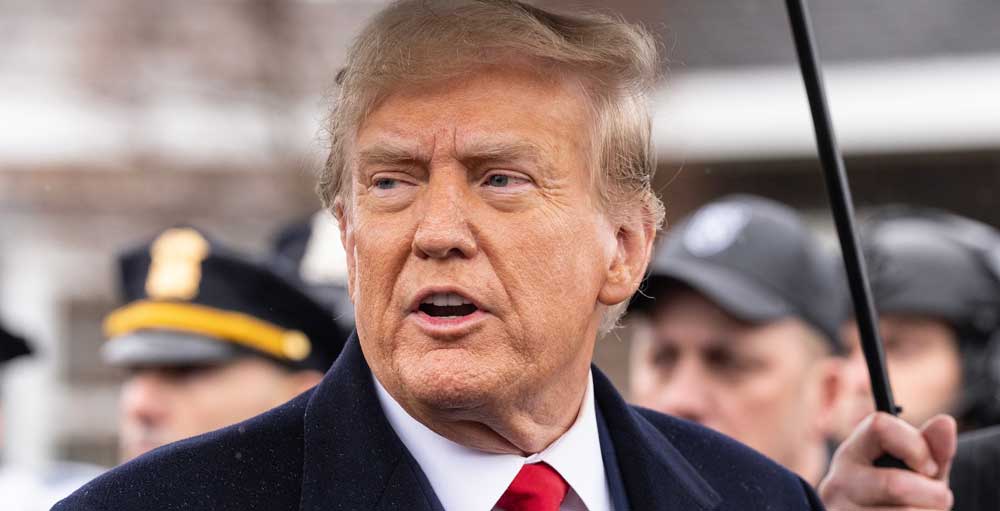
Trump Threatens Iran as Oil Prices Dip

- Mixed Futures Market: The futures market showed mixed results, reflecting divergent investor expectations about future economic conditions, which could lead to market instability and affect investor confidence.
- Oil Price Decline: Oil prices dipped slightly, likely due to heightened concerns over a slowdown in global demand, which could impact the profitability and stock performance of related energy companies.
- Trump's Threatening Remarks: President Trump's threats against Iran have drawn market attention, potentially escalating geopolitical tensions that could affect energy supply and price fluctuations in the Middle East.
- Ceasefire Negotiation Developments: Reports of ceasefire talks may influence market sentiment; if negotiations succeed, it could alleviate concerns over oil prices, but failure could exacerbate market uncertainty.
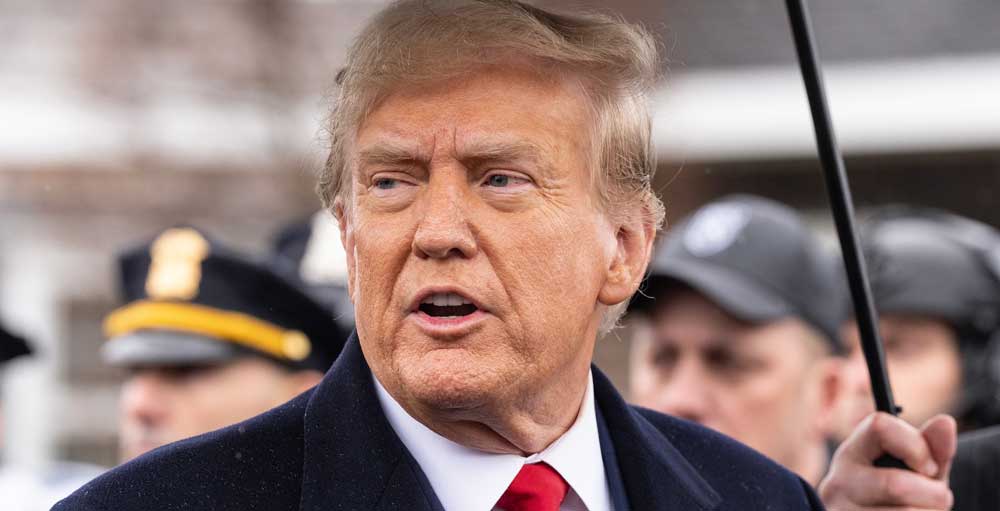
Trump Threatens Iran, Tensions Rise Over Strait of Hormuz

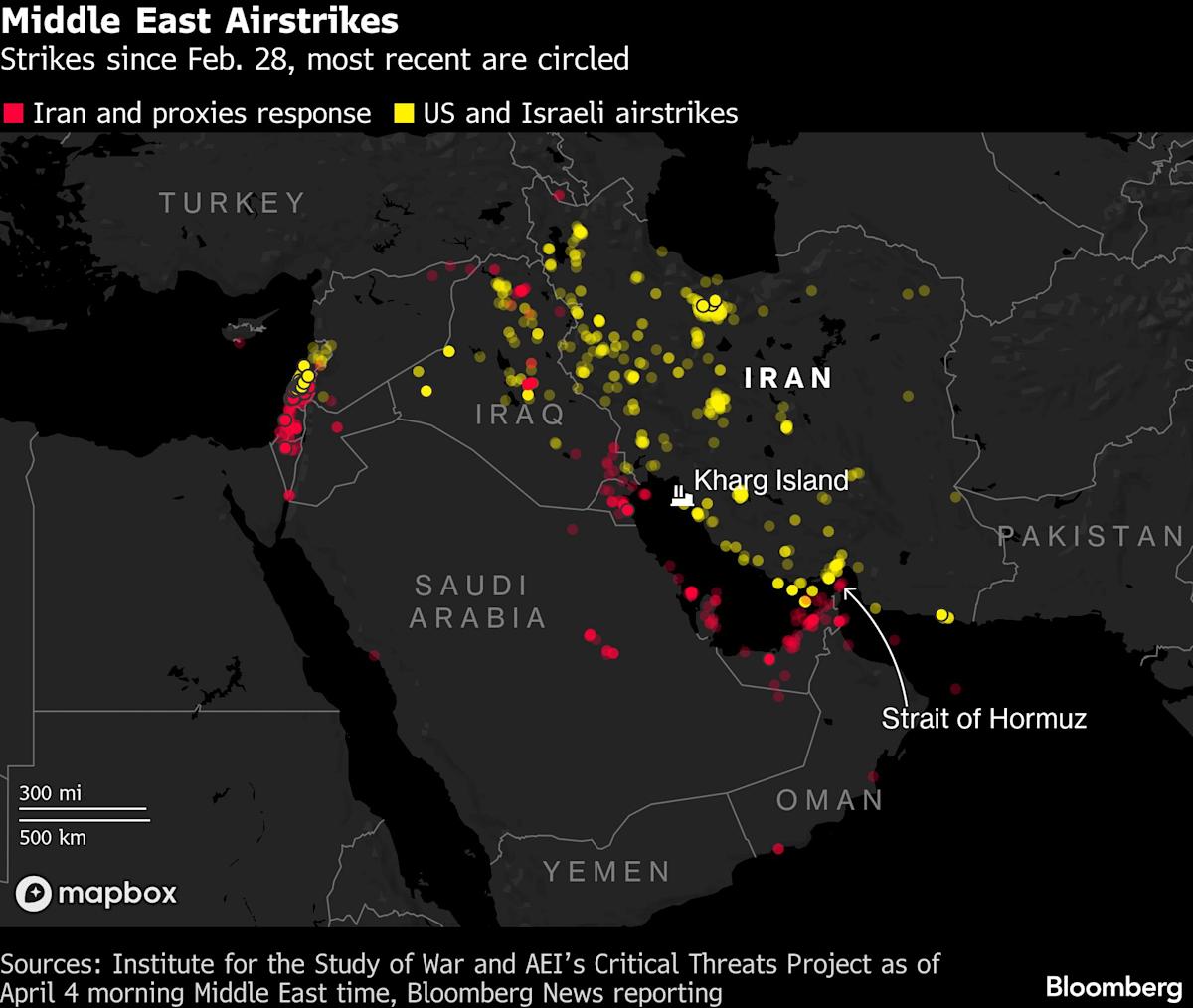
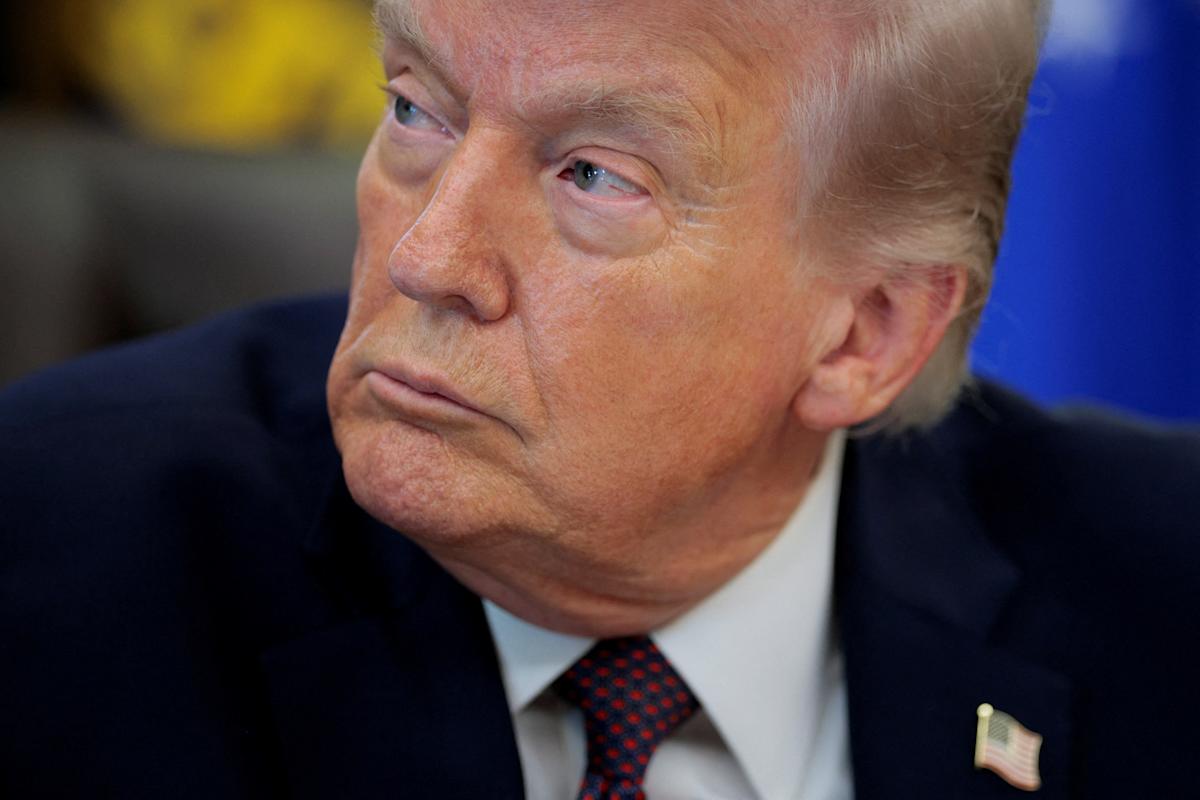
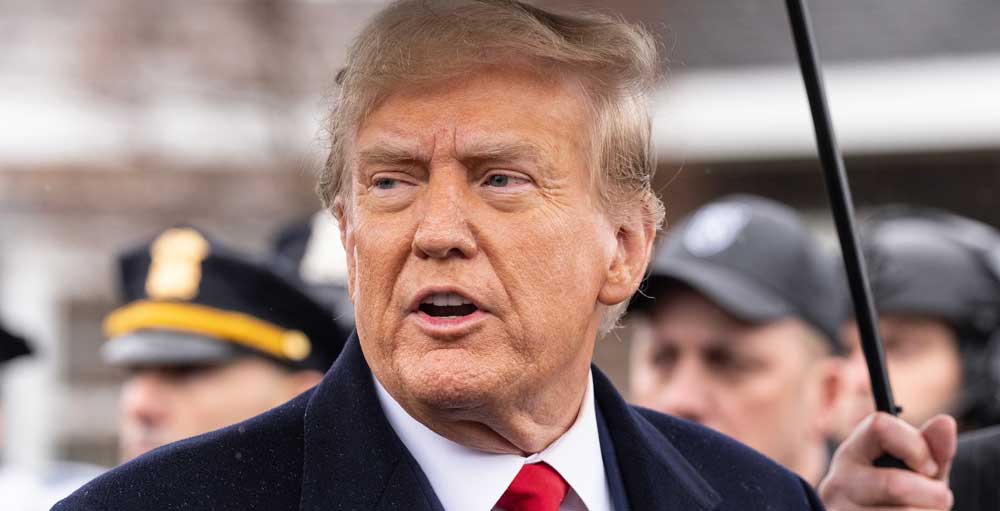
- Trump's Threatening Statement: President Trump stated on Tuesday that Iran will face huge attacks if the Strait of Hormuz is not opened, indicating a hardline U.S. stance that could escalate tensions in the Middle East.
- Market Reaction: While a market rally attempt is underway, investors should monitor whether Trump's threats will impact oil prices and global market sentiment, particularly against a backdrop of rising geopolitical risks.
- Geopolitical Implications: The Strait of Hormuz is a crucial oil transport route, and Trump's remarks may trigger international concern over the security situation in the region, potentially affecting the global energy supply chain.
- Future Outlook: As the situation develops, market participants need to closely watch U.S.-Iran interactions, as any further military actions could have profound implications for the global economy.
Trump Threatens Major Actions Against Iran
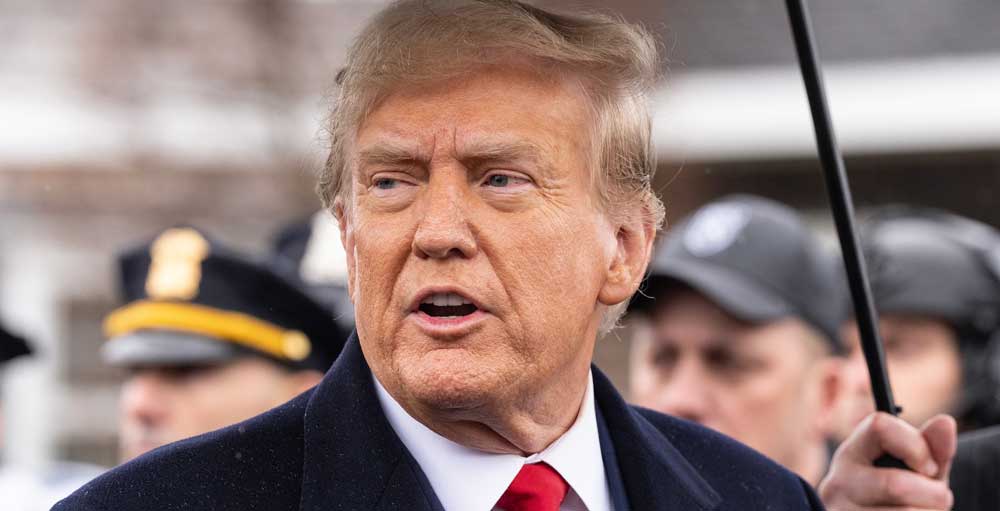
- Escalating Military Threats: President Trump threatened on Tuesday that Iran will face 'hell' if the Strait of Hormuz is not opened, escalating tensions in the Middle East and potentially causing oil price fluctuations that could impact global markets.
- Market Reaction Monitoring: While a market rally attempt is underway, investors should watch how Trump's statements affect market sentiment, particularly as geopolitical risks rise, which may lead to increased risk aversion among investors.
- Geopolitical Risks: Trump's threats could prompt other nations to reassess their relationships with Iran, especially those reliant on the Strait of Hormuz for oil transportation, thereby affecting the global energy supply chain.
- International Relations Strain: This move may further deteriorate U.S.-Iran relations, increasing the likelihood of conflict and impacting global economic stability and investor confidence.
Trump Threatens Major Attacks on Iran Over Strait of Hormuz
- Escalating Military Threat: President Trump threatened on Tuesday that Iran would face significant attacks if the Strait of Hormuz remains closed, a statement that could heighten tensions in the Middle East and impact global oil prices and market stability.
- Market Reaction Monitoring: While a market rally attempt is underway, investors should watch how Trump's remarks affect market sentiment, particularly as geopolitical risks rise, potentially leading to increased risk aversion among investors.
- Geopolitical Risk: The Strait of Hormuz is a critical oil transport route, and Trump's threats may prompt the international community to adopt a tougher stance on Iran, thereby affecting the global energy supply chain.
- Investor Strategy Adjustment: With rising uncertainty, investors may reassess their portfolios, particularly in energy and defense-related sectors, to mitigate potential market volatility and risks.
Investment Opportunities Amid Market Volatility
- Cipher Digital Growth Potential: Cipher Digital (CIFR) has seen its stock rise over 500% in the past year, despite a 32% decline year-to-date; its 15-year, $5.5 billion contract with Amazon Web Services to provide 300 megawatts of capacity underscores its pivotal role in AI data center construction and future growth prospects.
- Caterpillar Demand Surge: Caterpillar (CAT) benefits from the AI buildout, with power generation sales up 44% year-over-year in Q1 2023, driving a 17% growth in its Energy & Transportation segment, indicating strong performance in meeting the demands of AI data centers.
- Argan Order Backlog Increase: Argan (AGX) has secured a $2.9 billion backlog due to AI construction, more than doubling its $1.4 billion backlog from fiscal 2025, reflecting robust demand in renewable energy while facing the challenge of upgrading 104 gigawatts of aging power plants by 2030.
- Optimistic Market Outlook: Despite market volatility, investors can capitalize on long-term growth opportunities by focusing on high-quality companies like Cipher Digital, Caterpillar, and Argan, particularly in the context of ongoing investments in AI and renewable energy sectors.
Cipher Digital Continues Growth in AI Sector Amid Market Challenges
- Market Share Growth: Cipher Digital continues to expand its market share in the AI sector, with stock down 32% year-to-date but still up over 500% in the past year, indicating strong potential in a rapidly growing industry despite macroeconomic pressures.
- Major Contract Signing: The company signed a 15-year, $5.5 billion contract with Amazon Web Services to provide 300 megawatts of power capacity, highlighting its critical role in AI data center construction, while also securing a 200-megawatt site in Ohio.
- Caterpillar's Growth Drivers: Caterpillar's Power & Energy segment saw a 44% year-over-year increase in power generation sales in Q4, with overall segment growth of 37%, demonstrating strong support for energy demand driven by AI construction, despite a broader market correction.
- Argan's Backlog Surge: Argan's backlog reached $2.9 billion at the end of FY26, more than doubling from FY25, reflecting urgent needs for upgrading aging power assets, with 104 gigawatts expected to retire by 2030, driving future construction demand.
Trump Threatens Iran as Oil Prices Dip
- Mixed Futures Market: The futures market showed mixed results, reflecting divergent investor expectations about future economic conditions, which could lead to market instability and affect investor confidence.
- Oil Price Decline: Oil prices dipped slightly, likely due to heightened concerns over a slowdown in global demand, which could impact the profitability and stock performance of related energy companies.
- Trump's Threatening Remarks: President Trump's threats against Iran have drawn market attention, potentially escalating geopolitical tensions that could affect energy supply and price fluctuations in the Middle East.
- Ceasefire Negotiation Developments: Reports of ceasefire talks may influence market sentiment; if negotiations succeed, it could alleviate concerns over oil prices, but failure could exacerbate market uncertainty.
Trump Threatens Iran, Tensions Rise Over Strait of Hormuz
- Trump's Threatening Statement: President Trump stated on Tuesday that Iran will face huge attacks if the Strait of Hormuz is not opened, indicating a hardline U.S. stance that could escalate tensions in the Middle East.
- Market Reaction: While a market rally attempt is underway, investors should monitor whether Trump's threats will impact oil prices and global market sentiment, particularly against a backdrop of rising geopolitical risks.
- Geopolitical Implications: The Strait of Hormuz is a crucial oil transport route, and Trump's remarks may trigger international concern over the security situation in the region, potentially affecting the global energy supply chain.
- Future Outlook: As the situation develops, market participants need to closely watch U.S.-Iran interactions, as any further military actions could have profound implications for the global economy.
Trump Threatens Major Actions Against Iran
- Escalating Military Threats: President Trump threatened on Tuesday that Iran will face 'hell' if the Strait of Hormuz is not opened, escalating tensions in the Middle East and potentially causing oil price fluctuations that could impact global markets.
- Market Reaction Monitoring: While a market rally attempt is underway, investors should watch how Trump's statements affect market sentiment, particularly as geopolitical risks rise, which may lead to increased risk aversion among investors.
- Geopolitical Risks: Trump's threats could prompt other nations to reassess their relationships with Iran, especially those reliant on the Strait of Hormuz for oil transportation, thereby affecting the global energy supply chain.
- International Relations Strain: This move may further deteriorate U.S.-Iran relations, increasing the likelihood of conflict and impacting global economic stability and investor confidence.
Trump Threatens Major Attacks on Iran Over Strait of Hormuz
- Escalating Military Threat: President Trump threatened on Tuesday that Iran would face significant attacks if the Strait of Hormuz remains closed, a statement that could heighten tensions in the Middle East and impact global oil prices and market stability.
- Market Reaction Monitoring: While a market rally attempt is underway, investors should watch how Trump's remarks affect market sentiment, particularly as geopolitical risks rise, potentially leading to increased risk aversion among investors.
- Geopolitical Risk: The Strait of Hormuz is a critical oil transport route, and Trump's threats may prompt the international community to adopt a tougher stance on Iran, thereby affecting the global energy supply chain.
- Investor Strategy Adjustment: With rising uncertainty, investors may reassess their portfolios, particularly in energy and defense-related sectors, to mitigate potential market volatility and risks.