Northrop Grumman Successfully Tests Autonomous Flight System
Written by Emily J. Thompson, Senior Investment Analyst
Updated: Apr 16 2026
0mins
Should l Buy NOC?
Source: seekingalpha
- Successful Autonomous Flight Test: Northrop Grumman successfully conducted a flight test in Mojave, California, where an experimental aircraft seamlessly switched between different autonomy software systems mid-flight, marking a significant advancement in the development of modular autonomous aviation platforms.
- Multi-Vendor Integration Capability: During the test, the Talon IQ platform transitioned between Northrop's Prism software and third-party systems, demonstrating its ability to integrate software from multiple vendors within a single system, which reduces integration risks for defense customers and may increase recurring revenue opportunities.
- Strategic Implications for the Future: This test showcases the maturity of autonomy software, supporting Northrop's transition from traditional platforms to a software-centric ecosystem in the defense sector, thereby enhancing its competitiveness in open-architecture defense systems.
- Cost-Effectiveness and Flexibility: The testbed is positioned as a lower-cost alternative for evaluating new software in real-world conditions, enabling faster testing and deployment of autonomous capabilities while aligning with U.S. government requirements for interoperability and modularity in defense systems.
Trade with 70% Backtested Accuracy
Stop guessing "Should I Buy NOC?" and start using high-conviction signals backed by rigorous historical data.
Sign up today to access powerful investing tools and make smarter, data-driven decisions.
Analyst Views on NOC
Wall Street analysts forecast NOC stock price to rise
13 Analyst Rating
10 Buy
3 Hold
0 Sell
Strong Buy
Current: 548.650

Low
630.00
Averages
684.08
High
770.00
Current: 548.650
Low
630.00
Averages
684.08
High
770.00
About NOC
Northrop Grumman Corporation is a global aerospace and defense technology company. Its segments include Aeronautics Systems, Defense Systems, Mission Systems, and Space Systems. Aeronautics Systems is engaged in the design, development, production, integration, sustainment and modernization of military aircraft systems for the United States Air Force, the United States Navy, other United States government agencies, and international customers. Defense Systems is engaged in the design, engineering, development, integration, and manufacturing of deterrent systems, advanced tactical weapons, and missile defense solutions. Mission Systems is a provider of mission solutions and multifunction systems. Its products and services include command, control, communications and computers, and reconnaissance (C4ISR) systems. Space Systems delivers end-to-end mission solutions through the design, development, integration, production and operation of space, missile defense, and launch systems.
About the author

Emily J. Thompson
Emily J. Thompson, a Chartered Financial Analyst (CFA) with 12 years in investment research, graduated with honors from the Wharton School. Specializing in industrial and technology stocks, she provides in-depth analysis for Intellectia’s earnings and market brief reports.
Northrop Grumman Secures $196.07M Contract Modification for Triton Support

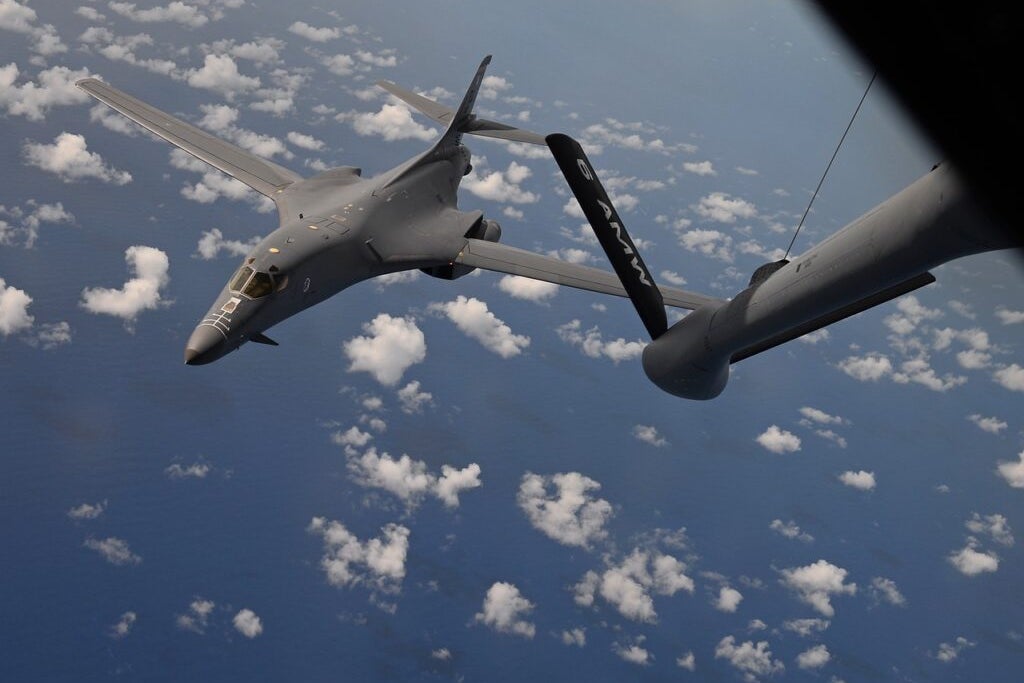
- Contract Value: Northrop Grumman has secured a $196.07 million contract modification aimed at providing ongoing support for the MQ-4C Triton program, ensuring the drone's operational readiness for intelligence, surveillance, and reconnaissance (ISR) missions.
- Funding Sources: The total funding for this contract includes $80.69 million, with $51.09 million sourced from U.S. Navy operations and maintenance (O&M) funds, which are set to expire within the current fiscal year, highlighting the urgency of fund utilization.
- Project Timeline: The work is expected to be completed by May 2027, indicating Northrop Grumman's long-term commitment to maintaining the operational capabilities of the Triton drone.
- Contracting Authority: The Naval Air Systems Command serves as the contracting authority, further underscoring the project's significance within U.S. defense strategy.
See More
Trump Makes Significant Investments in Palantir Stock


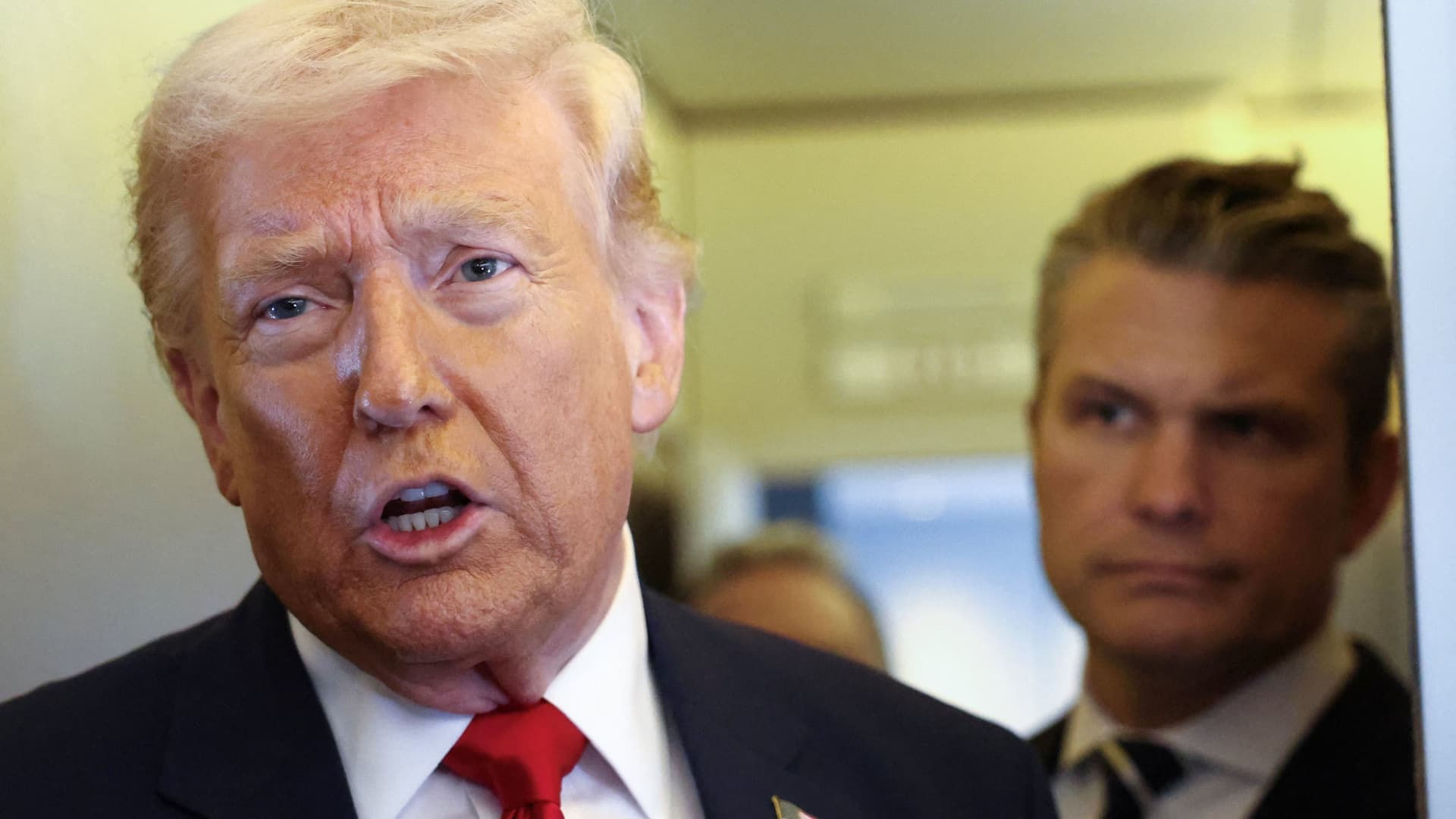
- Significant Investment: Trump purchased between $247,008 and $630,000 worth of Palantir stock in Q1 2026, indicating strong confidence in the company's potential, particularly in the AI sector.
- Frequent Transactions: In March alone, Trump executed at least seven trades totaling up to $530,000 in Palantir shares, suggesting an active strategy to capitalize on short-term price fluctuations amid market volatility.
- Market Reaction: Trump's praise for Palantir coincided with the stock's worst week in over a year, reflecting investor concerns about its future prospects; his endorsement may help bolster investor confidence in the company.
- Diversified Investments: In addition to Palantir, Trump also invested in Nvidia, ServiceNow, and other tech firms during the same period, demonstrating a broad interest in AI and software, potentially aiming to mitigate risks and seize growth opportunities across the sector.
See More

Trump Invests in Palantir Before Public Praise on Truth Social
- Investment Activity: In the first quarter of 2026, Trump purchased between $247,008 and $630,000 worth of Palantir shares, making at least seven transactions in March totaling up to $530,000, indicating strong confidence in the company.
- Market Reaction: Trump's public praise for Palantir on Truth Social coincided with the stock experiencing its worst week in over a year, reflecting market concerns about its future performance, particularly amid the backdrop of the Iran war.
- Transaction Transparency: Trump's investments are managed independently by third-party financial institutions, with all trades executed automatically, indicating he has no direct involvement in specific investment decisions, aimed at eliminating potential conflicts of interest.
- Technological Support: Palantir's applications in defense technology have garnered Trump's favor, especially regarding modernization military needs, highlighting its strategic importance in government contracts and the defense market.
See More

Rocket Lab Partners with RTX for $3.2 Billion Missile Defense Contract

- Contract Expansion: President Trump's $151 billion initiative has been expanded with a $3.2 billion umbrella contract aimed at developing space-based interceptor missiles to shoot down hostile threats, highlighting the strategic importance of U.S. defense initiatives.
- Competitive Landscape: Major U.S. defense players like General Dynamics, Lockheed Martin, Northrop Grumman, and RTX will compete for this contract, indicating a highly competitive market where companies must enhance their technological capabilities to secure contracts.
- Opportunity for Rocket Lab: By partnering with RTX for the SBI contract bid, Rocket Lab stands to gain significantly, as the potential contract value of $3.2 billion could represent up to 4.7 times its trailing 12-month sales of $680 million, which would greatly enhance its market position if successful.
- Strategic Collaboration: The partnership between RTX and Rocket Lab allows RTX to leverage Rocket Lab's Electron rocket capabilities, compensating for its lack of a dedicated space rocket platform, thereby strengthening its competitive edge in missile defense and indicating a mutually beneficial relationship.
See More

Investment Outlook for Northrop Grumman and Lockheed Martin
- Production Acceleration: Northrop Grumman's B-21 stealth bomber has entered the production phase with the first aircraft expected to be delivered in 2027, and as production scales, profit margins are anticipated to significantly improve, turning it into a vital long-term revenue source.
- Strategic Position: As the sole prime contractor for the LGM-35A Sentinel program, Northrop plays a critical role in the U.S. nuclear triad, and despite scrutiny over rising costs, its importance ensures a dominant market position for the next 50 years.
- Shareholder Returns: Northrop offers a dividend yield of approximately 1.7% and has a consistent history of increasing dividends for 22 consecutive years; with increasing free cash flow, it is expected to continue aggressive share repurchases, bolstering earnings per share.
- Order Backlog: Lockheed Martin boasts an order backlog of $186.4 billion, representing over two years of production capacity, particularly driven by surging demand for HIMARS and PAC-3 missiles, ensuring strong revenue visibility for the future.
See More

Space Stocks Rally Following SpaceX IPO Announcement

- Market Reaction Positive: Following SpaceX's announcement of its IPO set for July 2026, space stocks have seen a strong rally, with Firefly Aerospace and Intuitive Machines experiencing price increases of 7.56% and 2.35% respectively, indicating market confidence in the space economy.
- Firefly Aerospace Performance: Firefly Aerospace went public in August 2025 and has achieved four successful launches of its Alpha rocket, resulting in a success rate of approximately 71%; however, its negative 181% gross margin poses challenges in competing with SpaceX, particularly regarding reusability.
- Intuitive Machines Advantage: Intuitive Machines focuses on space infrastructure and has launched 300 spacecraft, being selected by NASA in 2023 to support the Artemis missions, showcasing its extensive experience in satellite and lunar missions, with a net EBITDA loss margin of negative 53.43%, closer to profitability than Firefly.
- Investment Outlook Analysis: While neither company is currently profitable, Intuitive Machines demonstrates a stronger competitive position, and given its collaboration with NASA and lower loss margins, investors may consider adding it to their portfolios ahead of the SpaceX IPO.
See More
Northrop Grumman Secures $196.07M Contract Modification for Triton Support
- Contract Value: Northrop Grumman has secured a $196.07 million contract modification aimed at providing ongoing support for the MQ-4C Triton program, ensuring the drone's operational readiness for intelligence, surveillance, and reconnaissance (ISR) missions.
- Funding Sources: The total funding for this contract includes $80.69 million, with $51.09 million sourced from U.S. Navy operations and maintenance (O&M) funds, which are set to expire within the current fiscal year, highlighting the urgency of fund utilization.
- Project Timeline: The work is expected to be completed by May 2027, indicating Northrop Grumman's long-term commitment to maintaining the operational capabilities of the Triton drone.
- Contracting Authority: The Naval Air Systems Command serves as the contracting authority, further underscoring the project's significance within U.S. defense strategy.
See More
Trump Makes Significant Investments in Palantir Stock
- Significant Investment: Trump purchased between $247,008 and $630,000 worth of Palantir stock in Q1 2026, indicating strong confidence in the company's potential, particularly in the AI sector.
- Frequent Transactions: In March alone, Trump executed at least seven trades totaling up to $530,000 in Palantir shares, suggesting an active strategy to capitalize on short-term price fluctuations amid market volatility.
- Market Reaction: Trump's praise for Palantir coincided with the stock's worst week in over a year, reflecting investor concerns about its future prospects; his endorsement may help bolster investor confidence in the company.
- Diversified Investments: In addition to Palantir, Trump also invested in Nvidia, ServiceNow, and other tech firms during the same period, demonstrating a broad interest in AI and software, potentially aiming to mitigate risks and seize growth opportunities across the sector.
See More
Trump Invests in Palantir Before Public Praise on Truth Social
- Investment Activity: In the first quarter of 2026, Trump purchased between $247,008 and $630,000 worth of Palantir shares, making at least seven transactions in March totaling up to $530,000, indicating strong confidence in the company.
- Market Reaction: Trump's public praise for Palantir on Truth Social coincided with the stock experiencing its worst week in over a year, reflecting market concerns about its future performance, particularly amid the backdrop of the Iran war.
- Transaction Transparency: Trump's investments are managed independently by third-party financial institutions, with all trades executed automatically, indicating he has no direct involvement in specific investment decisions, aimed at eliminating potential conflicts of interest.
- Technological Support: Palantir's applications in defense technology have garnered Trump's favor, especially regarding modernization military needs, highlighting its strategic importance in government contracts and the defense market.
See More
Rocket Lab Partners with RTX for $3.2 Billion Missile Defense Contract
- Contract Expansion: President Trump's $151 billion initiative has been expanded with a $3.2 billion umbrella contract aimed at developing space-based interceptor missiles to shoot down hostile threats, highlighting the strategic importance of U.S. defense initiatives.
- Competitive Landscape: Major U.S. defense players like General Dynamics, Lockheed Martin, Northrop Grumman, and RTX will compete for this contract, indicating a highly competitive market where companies must enhance their technological capabilities to secure contracts.
- Opportunity for Rocket Lab: By partnering with RTX for the SBI contract bid, Rocket Lab stands to gain significantly, as the potential contract value of $3.2 billion could represent up to 4.7 times its trailing 12-month sales of $680 million, which would greatly enhance its market position if successful.
- Strategic Collaboration: The partnership between RTX and Rocket Lab allows RTX to leverage Rocket Lab's Electron rocket capabilities, compensating for its lack of a dedicated space rocket platform, thereby strengthening its competitive edge in missile defense and indicating a mutually beneficial relationship.
See More
Investment Outlook for Northrop Grumman and Lockheed Martin
- Production Acceleration: Northrop Grumman's B-21 stealth bomber has entered the production phase with the first aircraft expected to be delivered in 2027, and as production scales, profit margins are anticipated to significantly improve, turning it into a vital long-term revenue source.
- Strategic Position: As the sole prime contractor for the LGM-35A Sentinel program, Northrop plays a critical role in the U.S. nuclear triad, and despite scrutiny over rising costs, its importance ensures a dominant market position for the next 50 years.
- Shareholder Returns: Northrop offers a dividend yield of approximately 1.7% and has a consistent history of increasing dividends for 22 consecutive years; with increasing free cash flow, it is expected to continue aggressive share repurchases, bolstering earnings per share.
- Order Backlog: Lockheed Martin boasts an order backlog of $186.4 billion, representing over two years of production capacity, particularly driven by surging demand for HIMARS and PAC-3 missiles, ensuring strong revenue visibility for the future.
See More
Space Stocks Rally Following SpaceX IPO Announcement
- Market Reaction Positive: Following SpaceX's announcement of its IPO set for July 2026, space stocks have seen a strong rally, with Firefly Aerospace and Intuitive Machines experiencing price increases of 7.56% and 2.35% respectively, indicating market confidence in the space economy.
- Firefly Aerospace Performance: Firefly Aerospace went public in August 2025 and has achieved four successful launches of its Alpha rocket, resulting in a success rate of approximately 71%; however, its negative 181% gross margin poses challenges in competing with SpaceX, particularly regarding reusability.
- Intuitive Machines Advantage: Intuitive Machines focuses on space infrastructure and has launched 300 spacecraft, being selected by NASA in 2023 to support the Artemis missions, showcasing its extensive experience in satellite and lunar missions, with a net EBITDA loss margin of negative 53.43%, closer to profitability than Firefly.
- Investment Outlook Analysis: While neither company is currently profitable, Intuitive Machines demonstrates a stronger competitive position, and given its collaboration with NASA and lower loss margins, investors may consider adding it to their portfolios ahead of the SpaceX IPO.
See More